
Mini Split Installation in Pennsylvania
Homes in Pennsylvania are older than in 46 of the other 49 states.
Tell us about the job
Takes about a minute. No obligation.
- 82°Fsummer afternoon high where people live
- 3 monthsof cooling, June through August
- 23°Fwinter overnight low where people live
- 8 monthsof heat, October through May
Storms hit Pennsylvania harder than most Outdoor units take the brunt of it
- Southern counties need about 57% more cooling than northern ones
- Summer afternoons average 82°F where people live
- Winter nights average 23°F where people live
- Cooling runs June through August
- 9,436 damaging wind events from 2015 to 2024
- 15% of homes lost power a day or more in 2024


An older state means fitting the system to the house
Half the homes in Pennsylvania were built in 1965 or earlier, and the state has older housing than 46 others. Most of that stock is detached or attached single-family houses, the kind where a mini split often gets added room by room instead of replacing a whole-house system. An older house can mean a different kind of wall to run a line set through, or a panel that needs a look before an outdoor unit goes in. None of that rules out a mini split. It just means the installer has to work with the house you have, not a standard one.
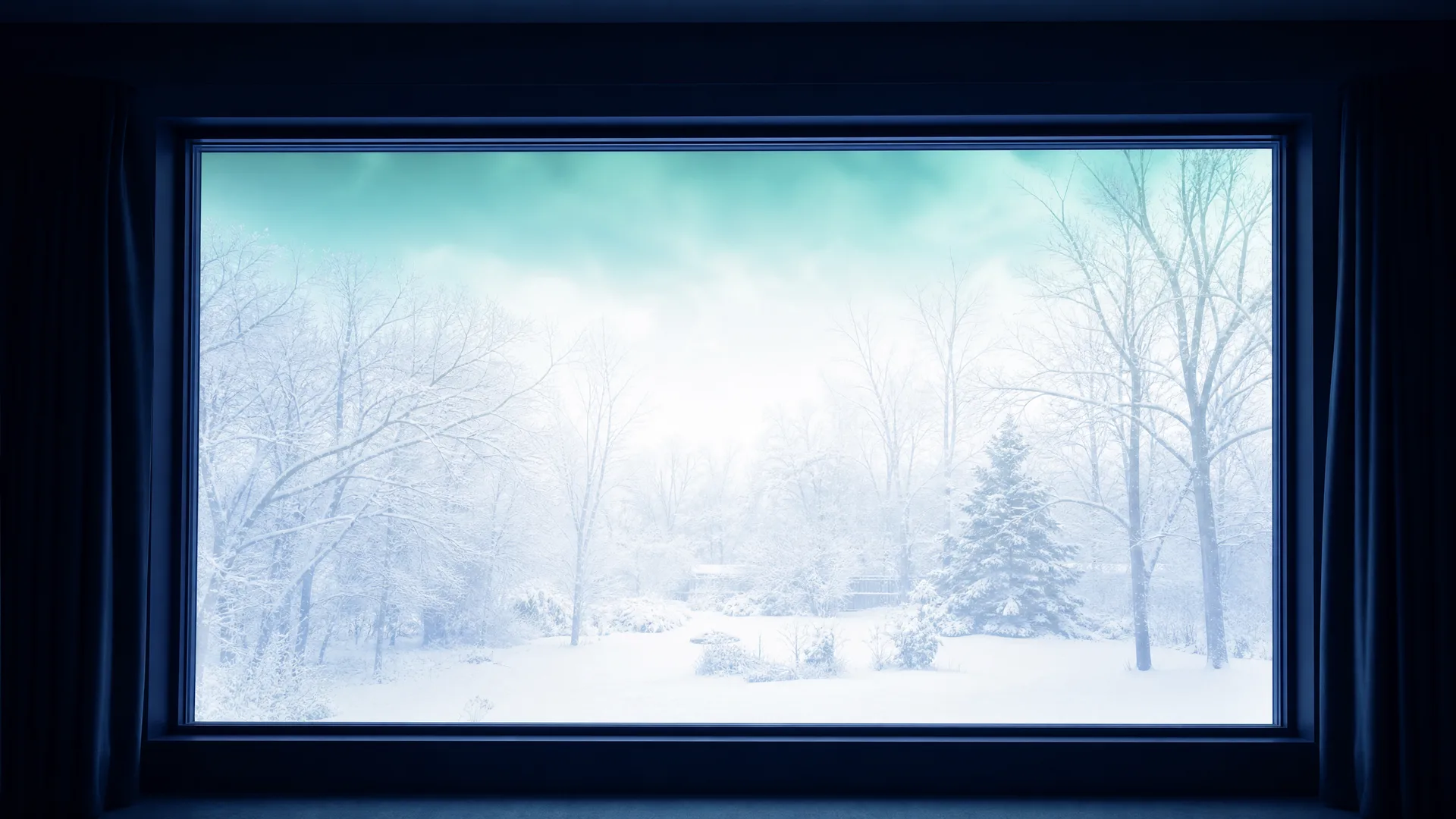
Homes in Pennsylvania run cooling June through August, about three months a year, fewer than in 23 other states. That short window is exactly why May matters. Get the mini split in before June and there's no rush on the line set, the mounting, or the electrical work.
Wait until the heat is already here and an install competes with the first hot week everyone else noticed too. A unit going in during May means it gets placed and secured without anyone standing around waiting on it to cool the house down. With storms here knocking out power more than in most states, having that outdoor unit done right matters more than having it done fast.
A normal summer means a normal size
Three months of cooling, June through August, with afternoons averaging 82 degrees. That's a load a properly sized mini split handles without strain. There's no case here for oversizing a unit or paying for a higher efficiency tier than the room needs. A standard size, matched to the space it's serving, gets through the summer fine and sits idle the rest of the year.
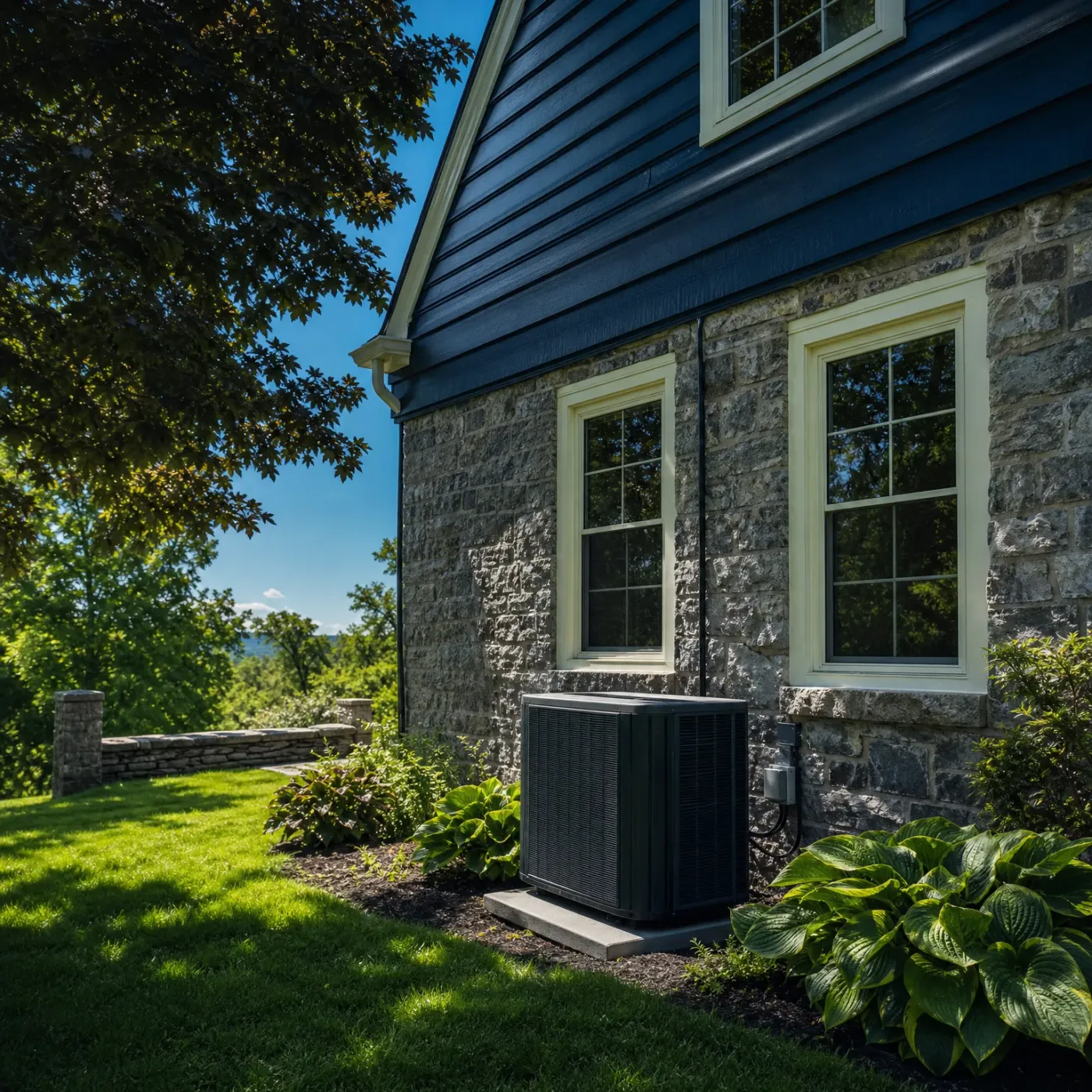
3 months of cooling, June through August
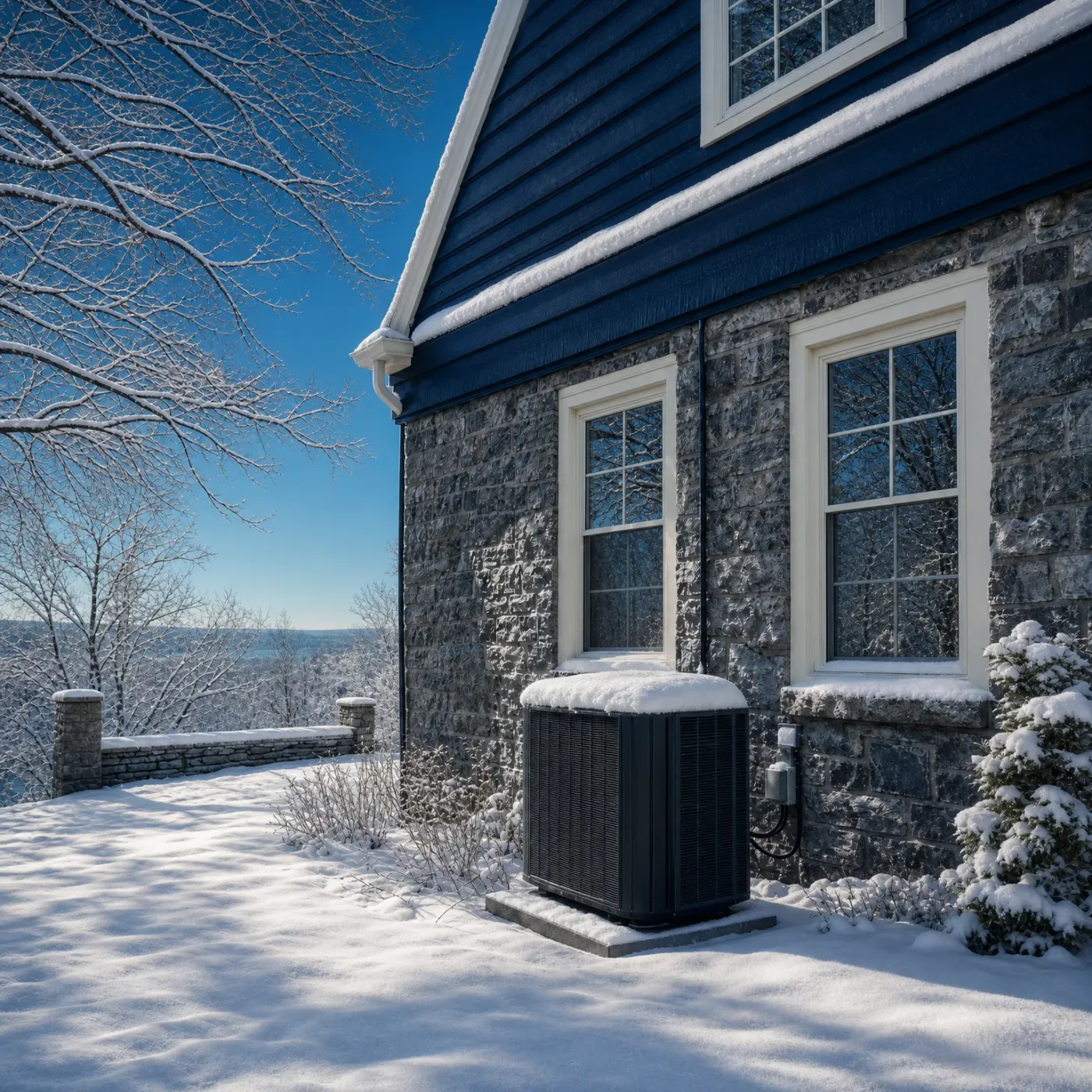
8 months of heat, October through May
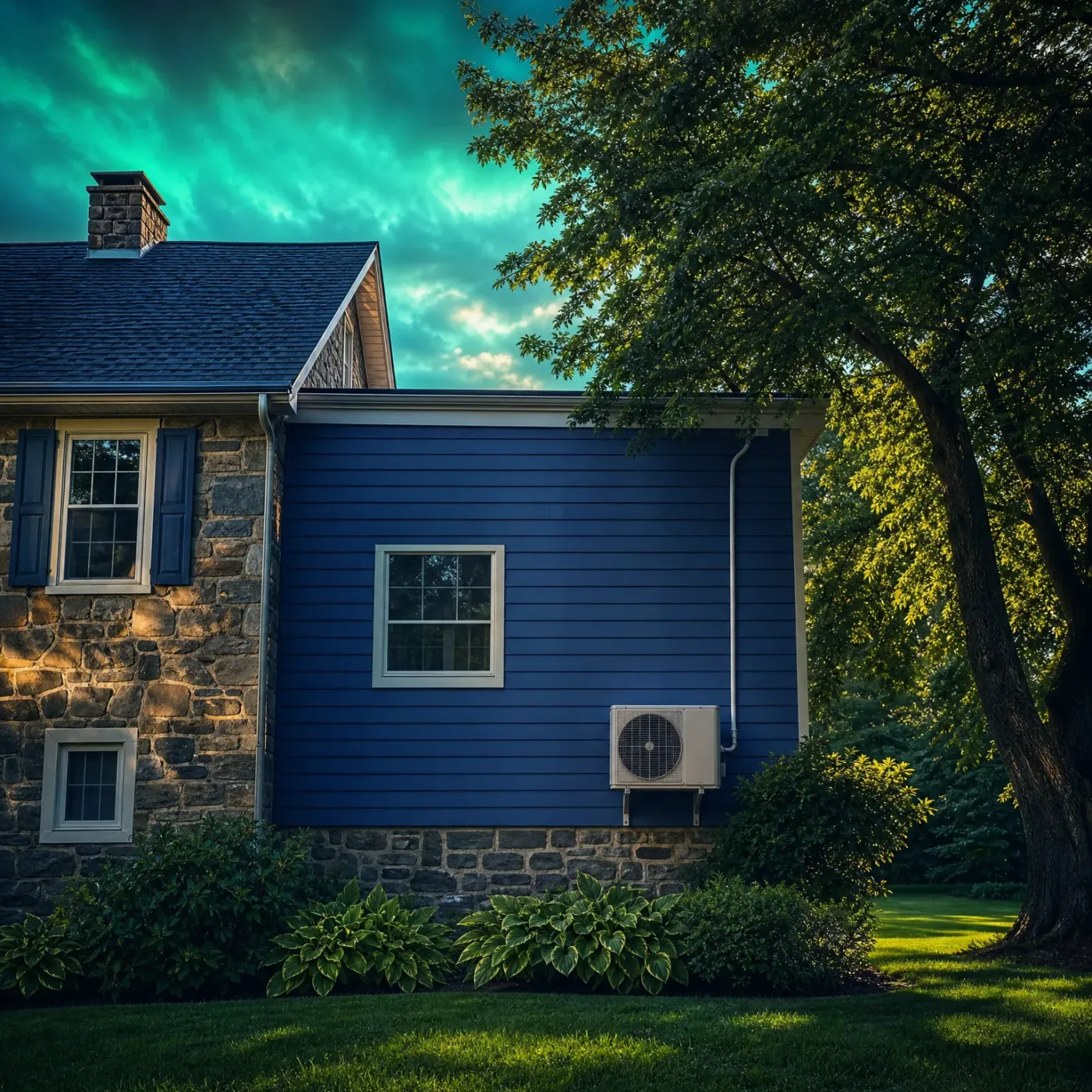
Pennsylvania's southern counties need about 57% more cooling over a year than its northern counties do. That gap is the first thing to know before sizing anything. The same mini split spec that fits a northern county will come up short in the south, and the reverse wastes money.
Philadelphia County runs the hottest afternoons in the state, averaging 85°F across June, July and August, and runs cooling about four months a year, longer than anywhere else in Pennsylvania. Sullivan County sits at the other end, with afternoons averaging 76°F. McKean County runs cooling for about one month a year, the shortest stretch in the state.
A mini split going into a home in Philadelphia County is doing real work for a third of the year or more. The same unit in McKean County spends most of its year idle. Sizing and placement should follow which end of that range the house actually falls on, not the statewide average.
None of this changes what the outdoor unit is up against once it's running. Wind and hail hit homes across Pennsylvania at similar rates whether the summer is short or long, so the mounting and the protection around that unit matter the same in a one-month county as in a four-month one.
What does a mini split in Pennsylvania face?
How hot do summer afternoons get?
82°Faverage afternoon high where people live
Alaska66°F
Arizona101°F
How cold do winter nights get?
23°Faverage overnight low where people live
North Dakota4°F
Hawaii65°F
How many months does the cooling run?
3 monthsof cooling a year
Alaska0 months
Hawaii12 months
What does electricity cost?
17.77¢per kWh (kilowatt hours, the unit on an electric bill), what homes paid in 2024
North Dakota11.51¢
Hawaii42.86¢
How often do storms hit?
303severe weather events per county from 2015 to 2024
Alaska5
Wyoming1,057
How many homes lost power for a day or more?
15%of homes in 2024
Arizona7%
Maine54%
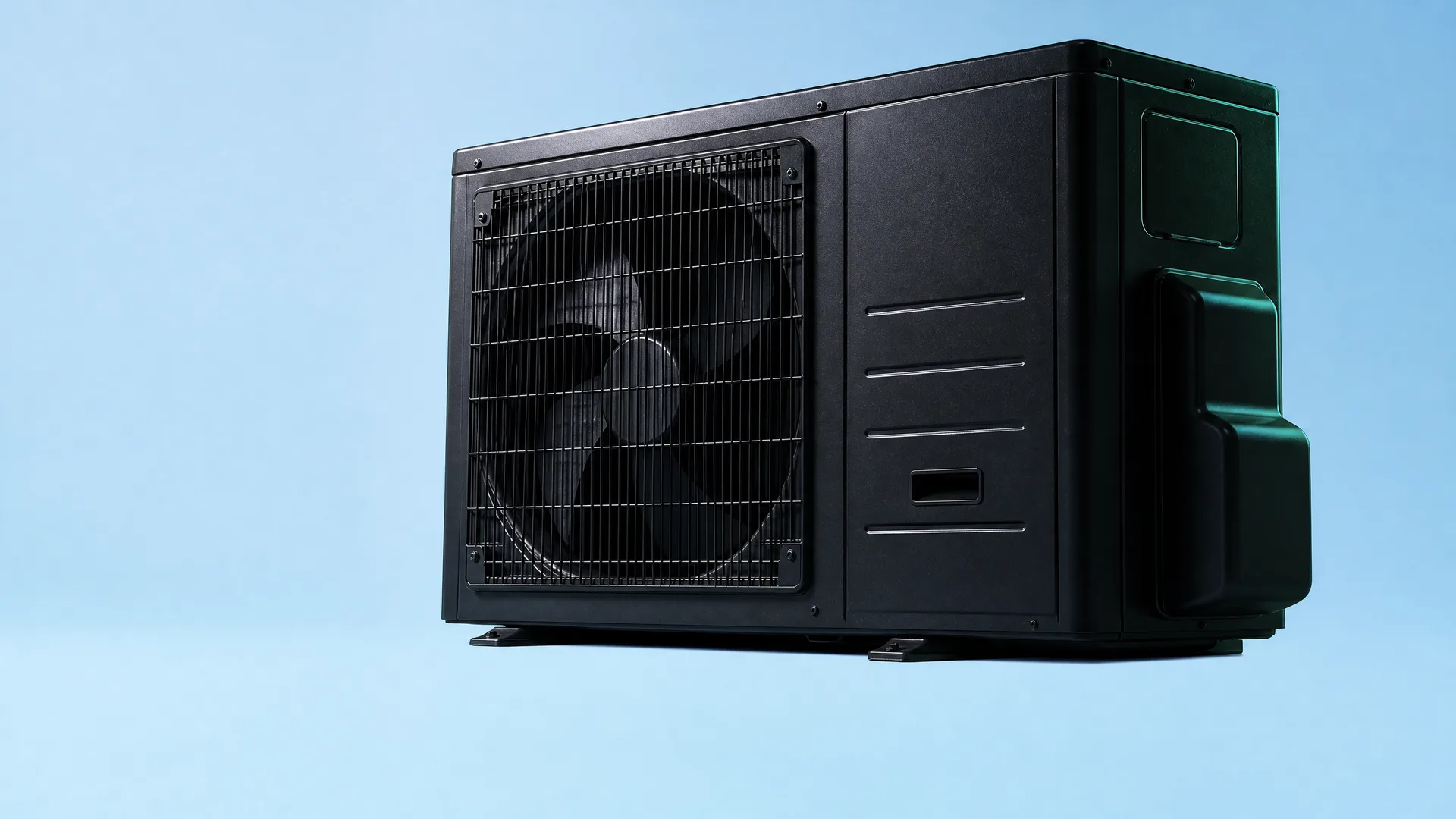
A standard mini split, sized right, is the one to get
Electricity in Pennsylvania runs 17.77 cents per kilowatthour, more than most states pay. A home here that runs air conditioning puts about 5.3 million Btu (British thermal units, a measure of heat) of electricity into it over a year, on a system sized to the room it's cooling. That cost is a reason to get the size right from the start, not a reason to pay for a bigger unit or a higher efficiency tier than the space needs. A mini split working harder than it has to runs up that rate every month it's on. A standard size, matched to the room, is the one that keeps the bill where it should be.
What to ask when you're comparing systems
Every mini split gets compared on capacity and efficiency, and capacity matters more. The unit has to match the room, not the house. Too big, and it cycles on and off instead of running steady, which wears on the compressor harder than a long even run does. Too small, and it runs flat out and never quite gets there. Ask how the installer arrived at the capacity. A load calculation based on the room's size, its windows and its exposure is the right method. A guess based on square footage alone is not. The line set run between the outdoor unit and the indoor head matters too, since a longer run can change what size head the system actually needs. On efficiency, ask whether the rating on the quote was tested as a full system or just on the parts. A higher rating costs more up front, and it only pays back through hours of actual run time, so ask how much this unit is expected to run before paying for that tier. Ask last what's covered if something fails. The compressor and parts are usually covered on a different schedule than the labor to replace them, and the labor coverage tends to run shorter.
Where it fits next to what's already there
Utility gas heats 51.3% of homes in Pennsylvania, more than any other fuel in the state, and electricity runs a distant second. A mini split doesn't compete with either one for the whole house. It adds cooling, and often heating, to a room the main system doesn't reach well, whether that's an addition, a finished attic, or a room that never comes in at the AC vents. The furnace keeps doing what it does. The mini split handles the part of the house that needs its own answer.
Storms and outages hit Pennsylvania more than most states, so plan now for where the outdoor unit goes.
Tell us about the job
Takes about a minute. No obligation.
Fill out the form once and a licensed Pennsylvania installer will reach out about the job.