Gas heats most of Crawford County
Utility gas is the main heat source in Crawford County, at 47.2% of occupied homes, with LP gas heating another 16.5%. A furnace or boiler handles winter in most houses here.

Takes about a minute. No obligation.
Utility gas is the main heat source in Crawford County, at 47.2% of occupied homes, with LP gas heating another 16.5%. A furnace or boiler handles winter in most houses here.
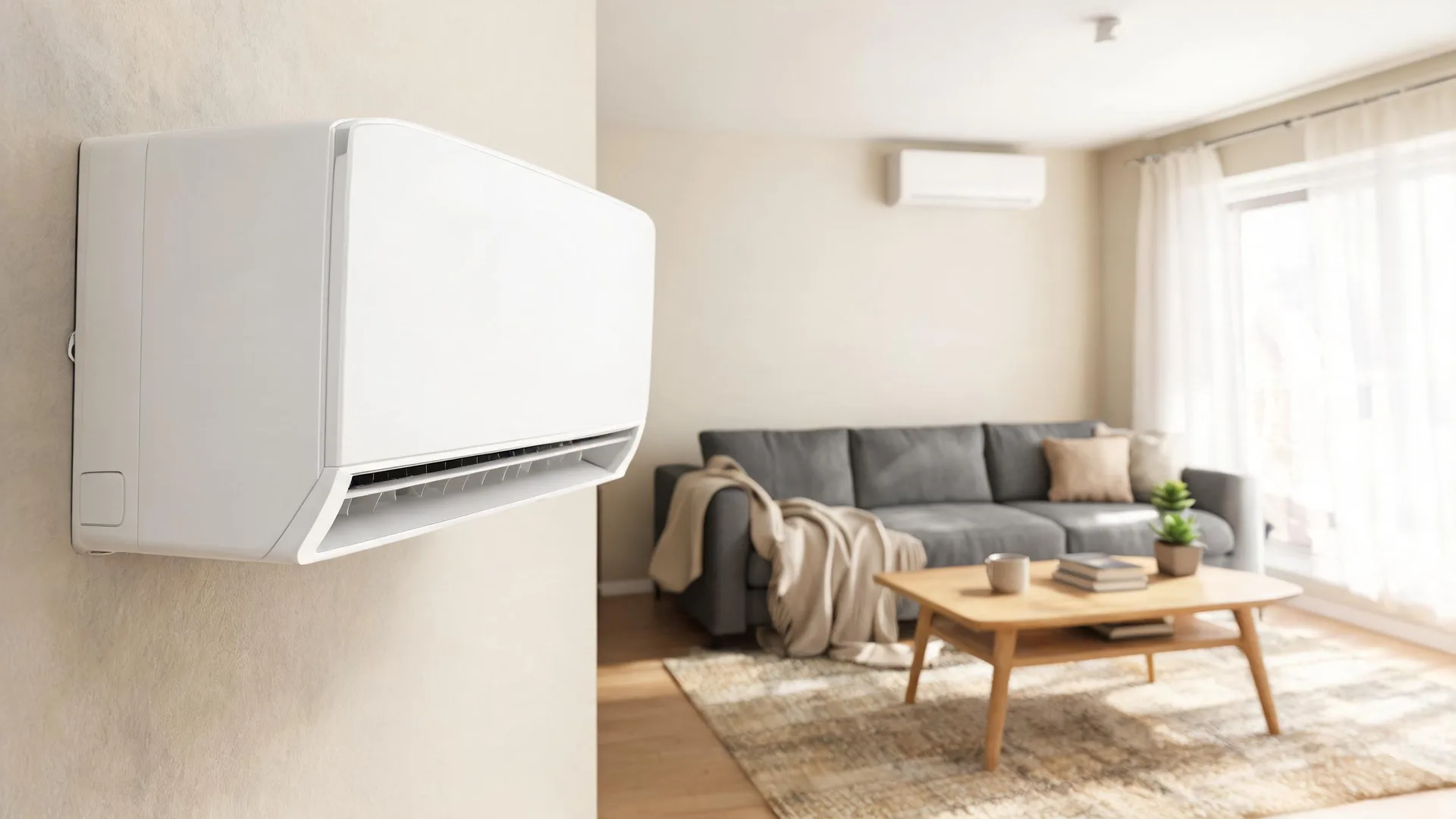
For a home with gas heat already in place, a mini split is usually brought in for cooling, or to heat a room the furnace does not reach well, like a converted garage or an addition.
NOAA nClimDiv, 1991–2020 normals
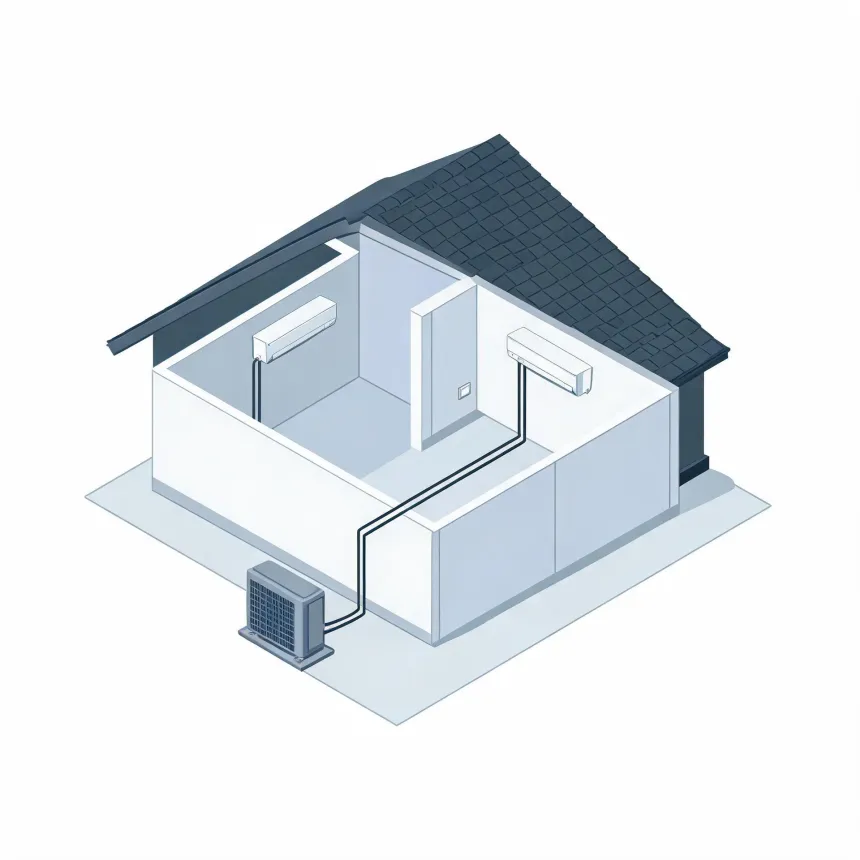
Each indoor head needs its own line running to the outdoor unit, so adding more rooms adds more labor, not just equipment.
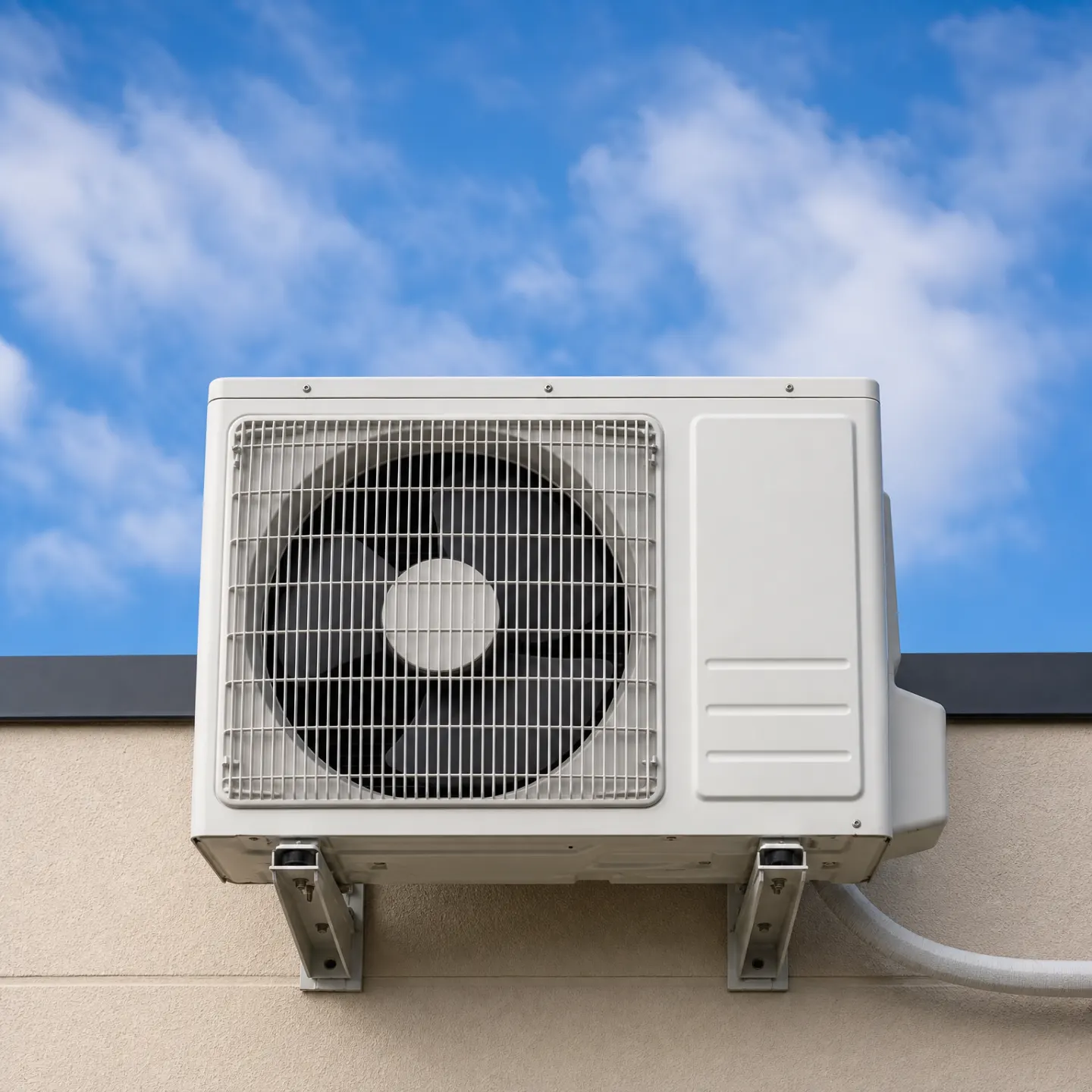
Where the outdoor unit can sit and how far that line has to run changes what the job takes to finish.



Half the homes in Crawford County were built in 1966 or earlier. A house that age wasn't designed with a mini split in mind, and that shows up in small ways during installation. Running the line set from the outdoor unit to the indoor head has to work around walls and framing that weren't planned for it. Where the electrical panel is and what it can carry matters too, since an older home may not have spare capacity for a new circuit. None of this rules out a mini split. It just means the contractor has to look at your house as it is, not as a standard box on a spec sheet.
Cooling here starts in July and only runs about two months. Getting a mini split installed in June means the outdoor unit and line set are in place and tested before the house needs them, instead of trying to get it done once the heat has already arrived.
Find a contractorThis install is almost always alongside an existing furnace, not in place of one, so the old system question looks different than a full swap. If the mini split is only taking on cooling or a room the furnace doesn't reach, nothing about the furnace changes. It keeps running the heat the way it always has. Where an old system does come out is when a window or through-wall AC unit is being replaced by the indoor head. That unit gets pulled, and the opening it left behind needs to be sealed up properly, not just covered, or it becomes a draft and a water path right where the new line set runs in.
Every mini split has a capacity curve, and that curve drops as the outside temperature drops. A unit can be sized right for a room at mild temperatures and still fall short on the coldest nights. If this is taking on heating duty anywhere, ask for the capacity at a low outdoor temperature, not just the number on the brochure's cover.
A mini split sized off square footage alone is a guess. The room's windows, insulation and exposure all change how much heat it gains or loses, and that changes what size head it needs. A contractor who walks the room and runs the numbers before quoting is sizing it. One who quotes a size over the phone is guessing.
A mini split that's too big for the room cycles on, cools it fast, and shuts off before it pulls the moisture out of the air. The room ends up cold and damp feeling. One that's too small runs constantly during the hottest stretch and never quite catches up. Sizing it right means working out how much heat the room actually gains, from the windows, the insulation, which way it faces, then matching that to a head that can hold steady without short cycling or straining. It's a calculation, not a guess based on the square footage alone.
Install day starts with the outdoor unit going on a mounting pad or wall bracket, set where the line set can reach the indoor head without excess bends. The installer runs the line set, the refrigerant lines, power wire and condensate drain, through a small hole drilled in the wall, then connects them to the indoor head mounted high on an interior wall. Once both ends are connected, the lines get pulled down to a vacuum to clear out moisture and air before any refrigerant moves through them. Skip that step and the system can develop a leak or lose capacity months later. After the vacuum holds, the contractor opens the line and checks the charge, then runs the system to confirm the head is cooling and the drain is clearing condensate the way it should. A clean install usually wraps in a day for a single head, longer if the line set has to travel far or work around framing.