Boiler Installation in Pennsylvania
Homes in Pennsylvania are older than in 46 of the other 49 states.
Tell us about the job
Takes about a minute. No obligation.
- 23°Fwinter overnight low where people live
- 8 monthsof heat, October through May
- $13.12 per million Btuwhat homes paid for natural gas in 2024 (Btu means British thermal units, a measure of heat)
- 1,127winter storms from 2015 to 2024
Severe weather hits Pennsylvania harder than most and outages here can stop a boiler cold
- Northern counties need about 18% more heat than southern ones
- Winter nights average 23°F where people live
- Heat runs October through May
- 1,127 winter storms from 2015 to 2024
- Climate zones 4A and 5A across the state
- 15% of homes lost power a day or more in 2024


- Correct sizing means the boiler matches your home's actual heat loss, not just the old unit's rating
- Cold rooms that never got enough heat often come right once the system is sized correctly
- New piping and venting replace connections that may have been patched or outdated for years
- A thermostat paired with the new system can run different schedules for day and night
- Expect the gas line, flue and condensate drain handled as part of the same job
McKean County needs about 55% more heat over a year than Philadelphia County, which has the lowest heating need in the state. A boiler sized for a home in Philadelphia would fall short in McKean. Sizing has to start with the house it's going into, not a number pulled from the old unit or from the next county over.
Pennsylvania's northern counties need about 18% more heat over a year than its southern counties. That difference shows up in how hard the boiler runs across a winter, not just on the coldest night. A contractor sizing the system should work from your part of the state, not the state as a whole.
Get it installed before October, not after
Boilers in Pennsylvania run October through May, about eight months of the year, longer than in 22 other states. September is the month before that starts, and it's the natural window to put a new system in. Install it then and it's running and checked out before the first cold night asks anything of it. Wait and the old boiler may give out once it's already cold, and a replacement started then gets chosen in a hurry instead of on your schedule.

3 months of cooling, June through August
8 months of heat, October through May
What does a boiler in Pennsylvania face?
How cold do winter nights get?
23°Faverage overnight low where people live
North Dakota4°F
Hawaii65°F
How many months does the heat run?
8 monthsof heating a year
Hawaii0 months
Alaska12 months
What does natural gas cost?
$13.12per million Btu, what homes paid in 2024
Montana$7.77
Hawaii$53.25
How often do storms hit?
303severe weather events per county from 2015 to 2024
Alaska5
Wyoming1,057
How many homes lost power for a day or more?
15%of homes in 2024
Arizona7%
Maine54%
The right size, not the biggest one
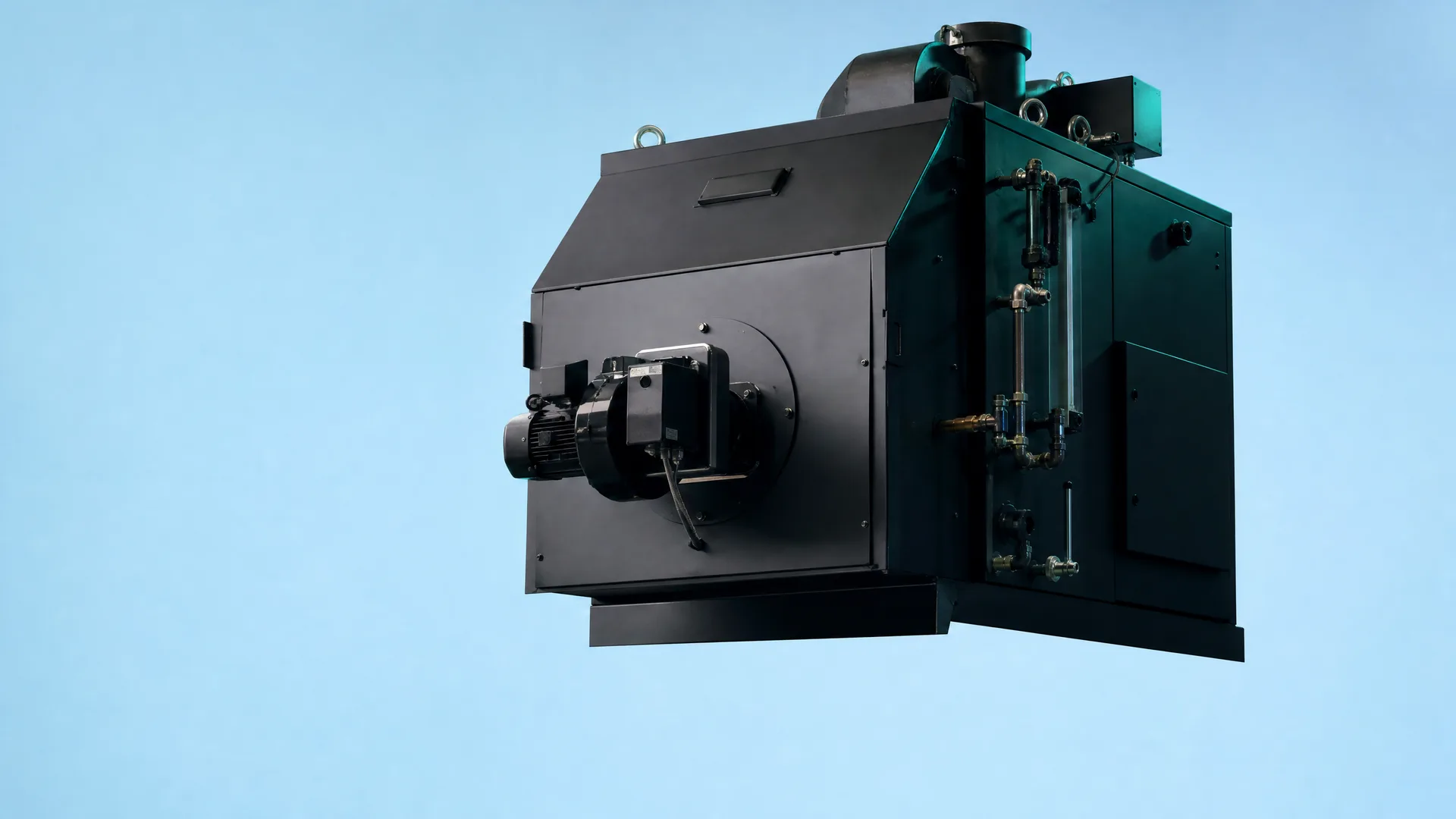
A standard-size boiler, sized to your home's heat loss, is what most Pennsylvania homes need. Gas here cost $13.12 per million Btu in 2024, and that cost doesn't change based on how big or fancy the unit is beyond what your house actually calls for. Paying for extra capacity or a higher-end model than the house needs just means paying more to run it every winter without getting more heat where it counts. Get the sizing right and a standard unit heats the house fine.
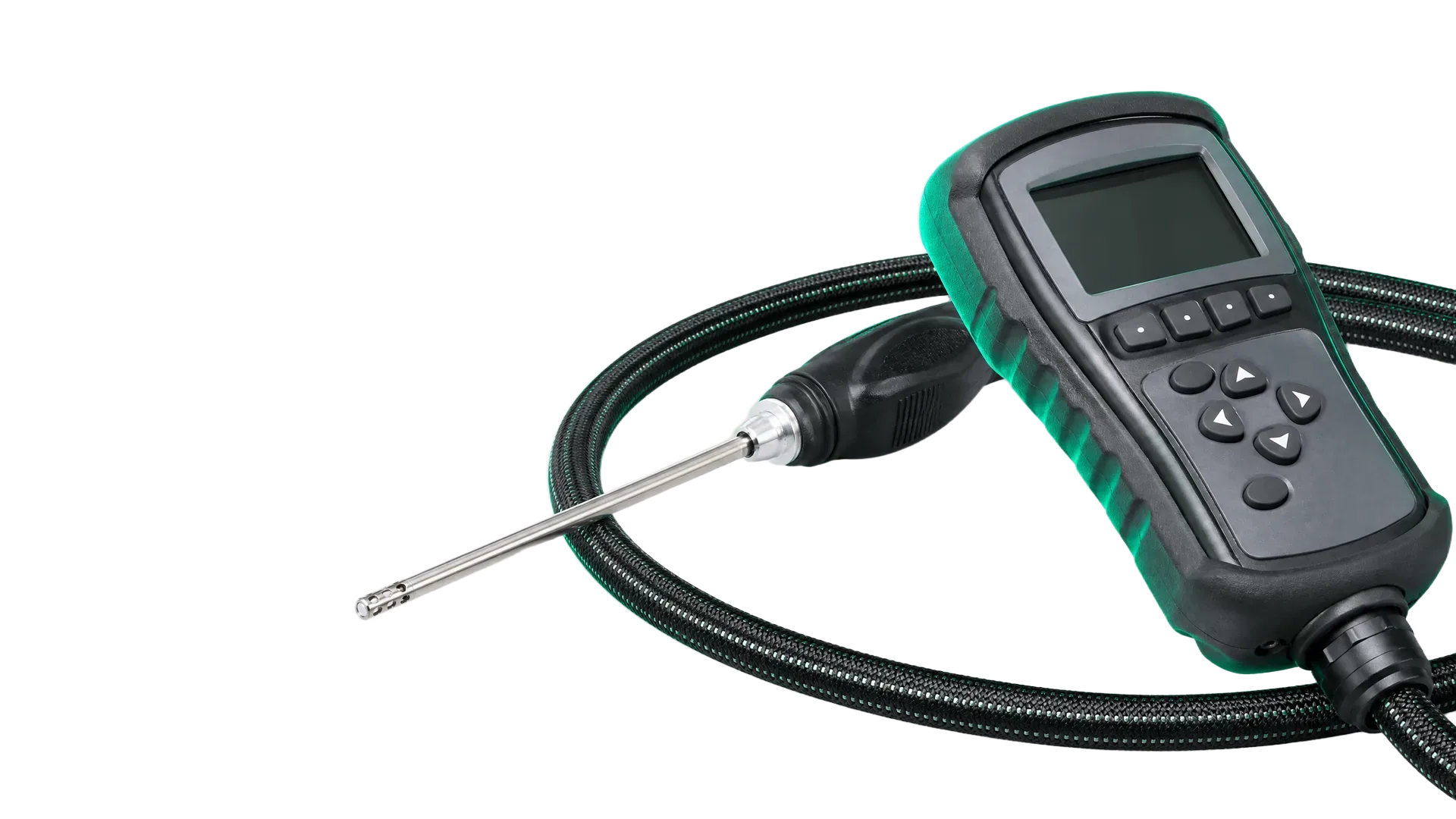
Sizing is a calculation, not a guess
A boiler that's too big for the house doesn't heat it better. It short cycles, running a few minutes, shutting off, then starting again, because it dumps heat faster than the rooms can take it. That cycling wears on the ignition system and the valves earlier than it should. Rooms end up uneven too, hot near the boiler and slow to warm at the far end of the house. An undersized boiler fails the other way. It runs long and still can't keep up on the coldest days, working harder without closing the gap. Getting the size right starts with a heat loss calculation on the house itself, room by room, counting the windows, the insulation, the ceiling height, how the walls are built. That number is what the new boiler gets sized against, not the rating stamped on the old one. An old unit may have been wrong from the day it went in, or sized for a house that's since had insulation added, windows replaced, a room added on. Carrying that same number forward just repeats whatever mistake was baked in the first time.
Gas is what most of Pennsylvania already runs on
Utility gas heats 51.3% of occupied homes in Pennsylvania. A boiler replacement here is usually swapping gas for gas, running the same line, the same flue path, the same fuel the house was already built around. That's a simpler job than switching fuel types, and it's why gas boilers remain the standard choice across the state rather than the exception.
Storms and daylong outages happen often enough here to plan for before the boiler goes in.
Tell us about the job
Takes about a minute. No obligation.
Fill out the form and a licensed Pennsylvania contractor will size and quote the boiler for your home.