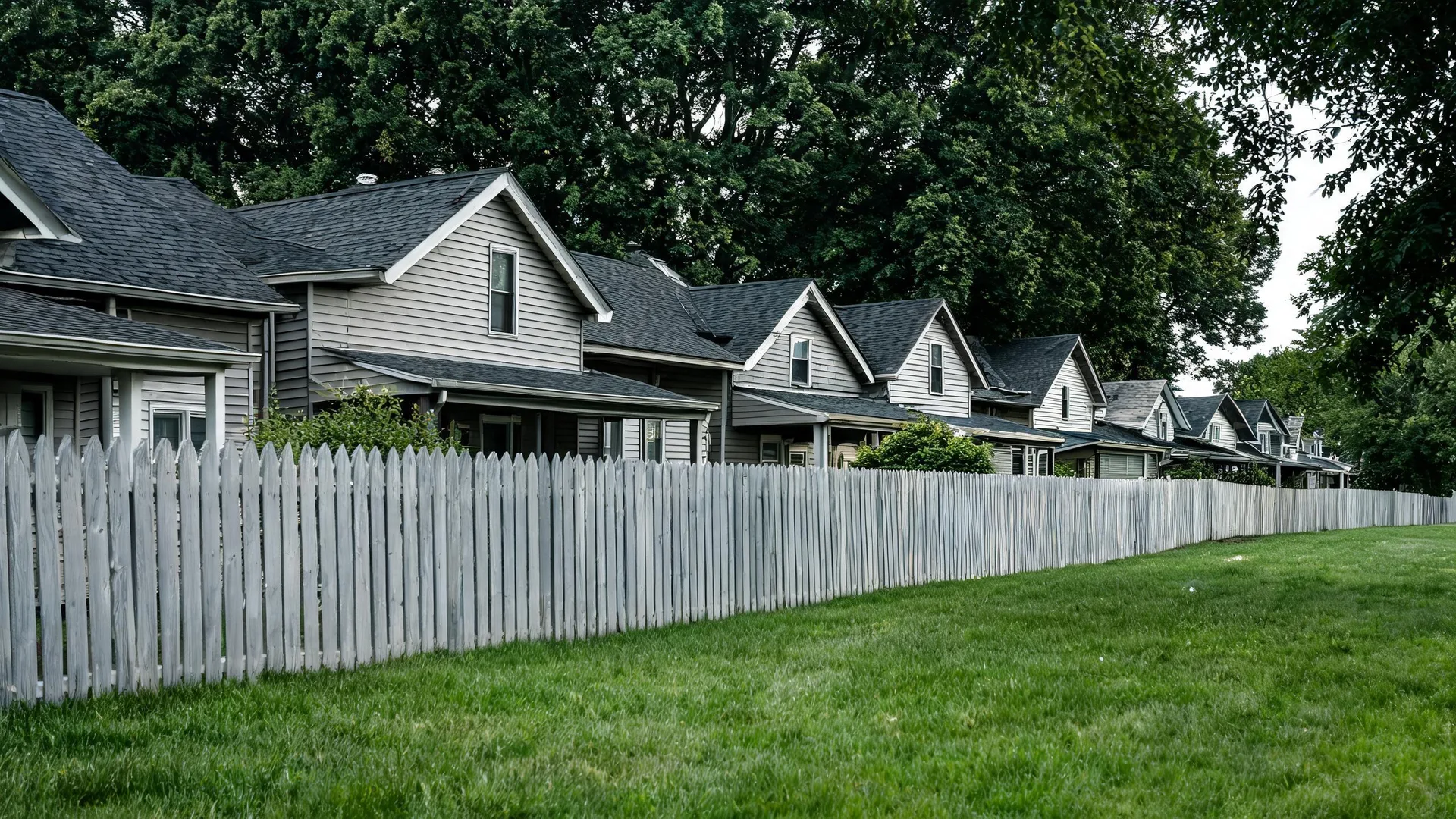



A weathered white picket fence runs along a mown grass lawn in front of a row of gabled houses with gray shingled roofs and siding, backed by large leafy trees.

Boiler Installation in DuBois, PA

Tell us about the job

Takes about a minute. No obligation.

Step 1 of 3: Equipment

Fuel oil ran $25.15 per million Btu across Pennsylvania in 2024, and that cost doesn't change based on how old or inefficient a boiler is. A unit that wastes heat up the flue or cycles longer than it needs to burns through that same expensive fuel to make up the difference. The boiler going in now sets what every winter bill looks like for years, since the fuel price is out of anyone's hands but the equipment isn't. Ask what AFUE rating comes with the installation, since that number is what decides how much of that fuel actually heats the house.

Half the homes in Clearfield County were built in 1970 or earlier.

A boiler going into a house that age has to be sized for the house, not for whatever the old unit happened to be.

Eight months of heat and nights near 19°F mean this boiler doesn't get an easy season

Heat runs October through May
Winter nights average 19°F
Climate zone 5A

DuBois falls in climate zone 5A, a cool zone under the 2021 energy code where heating carries the bigger load. Any gas-fired boiler installed here now has to hit at least 84 percent AFUE, the federal minimum as of January 2021. That's a floor, not a selling point, so it's worth asking where the specific unit lands above it. A federal tax credit is available on qualifying high-efficiency equipment, worth checking into before the installation goes in rather than after.

Efficiency pays here

Power costs more here, so an efficient system pays you back on every bill.

Find a contractor
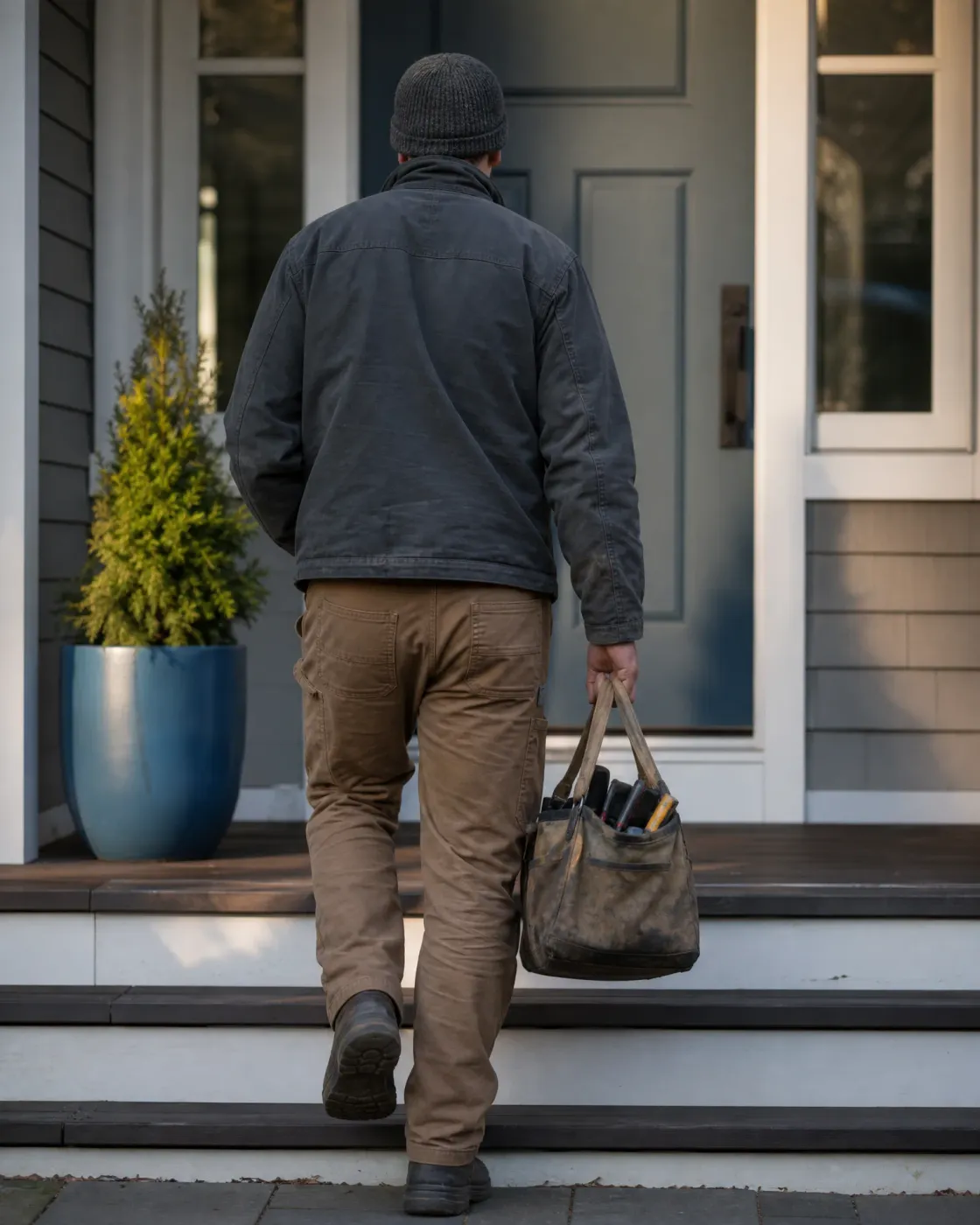
A man in a dark jacket, knit hat and tan work pants climbs porch steps toward a gray front door, carrying a worn canvas tool bag, with a potted shrub in a blue planter at left.

AFUE tells you what burns and what escapes

The AFUE number on the label is the share of fuel that turns into heat in the house over a full season, not just at one moment. The rest goes out the flue as exhaust. A boiler burning at a higher AFUE wastes less fuel doing the same job, every time it fires.
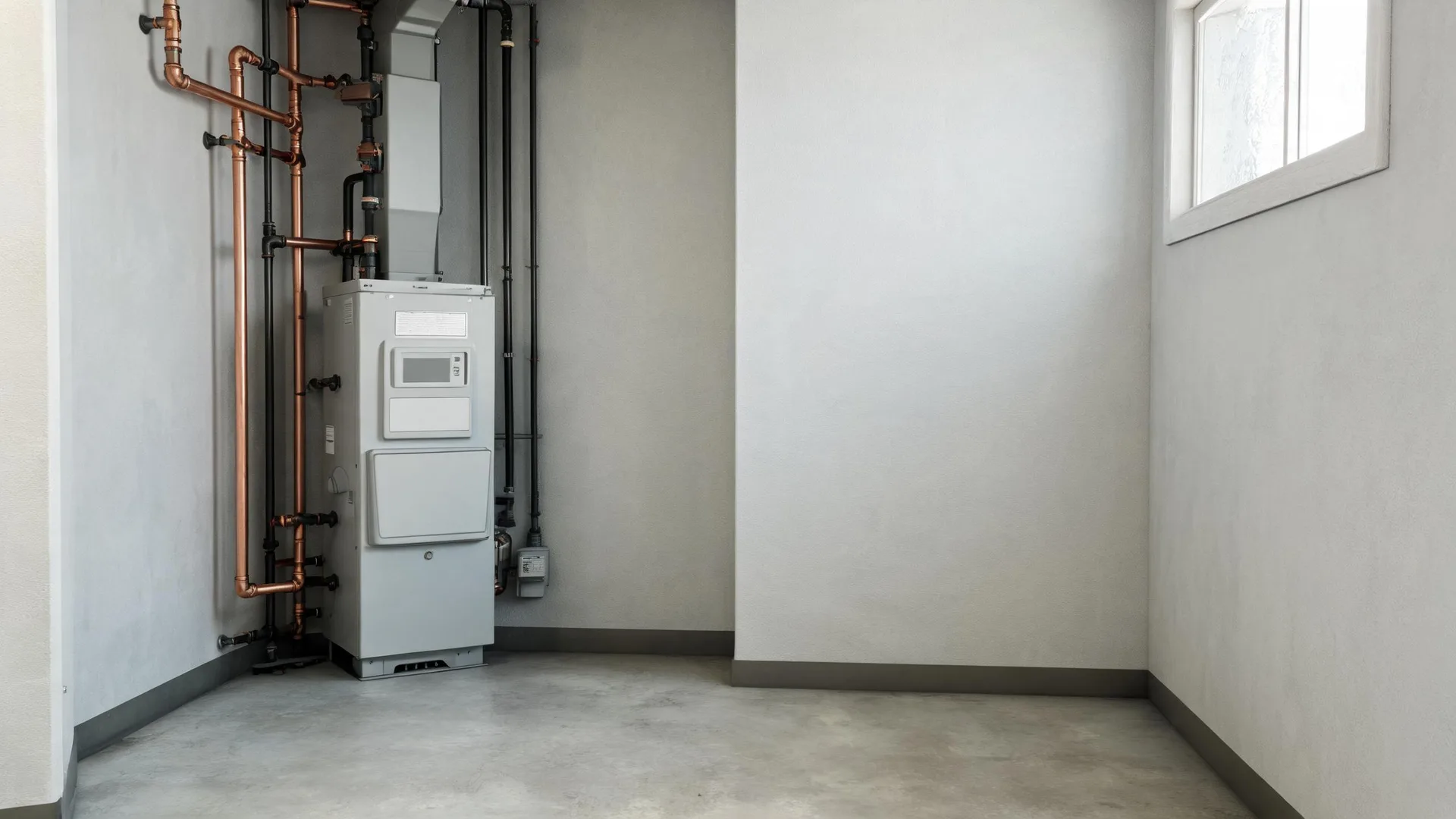
The rating only holds if the rest of the job is right

A high AFUE unit piped into the wrong size system, or set wrong on startup, won't deliver the number on its label. Pipe sizing, pump settings and controls all affect how much of that rated efficiency actually reaches the radiators or baseboards. The label is a ceiling, not a guarantee.

A quote should tell you what size boiler is going in and why. Bigger isn't better here. A boiler sized too large for the house will short cycle, firing up and shutting off before it ever settles into steady, efficient burning, and that wears on the igniter and the heat exchanger over time. Ask whether the contractor ran a heat loss calculation on the house or just matched the old unit's output. Ask what happens to the near-boiler piping too, since reusing old pipe sized for a different unit can hold back the new one's performance. And ask what the warranty covers on the boiler itself versus the labor to install it, since those come from separate parties and run on separate terms.

Installation day starts with the old boiler coming out, along with whatever near-boiler piping isn't being reused. The new unit gets set, leveled, and connected to the supply and return lines, the flue, and the fuel line. Electrical and controls come next, including the thermostat wiring and any safety switches like the low water cutoff. Once it's hooked up, the system gets filled and purged to clear air out of the lines, because trapped air causes noise and keeps heat from moving where it should. Then comes startup and combustion testing, where the technician checks the burn itself and adjusts it rather than just flipping the unit on and walking away. A proper job ends with the contractor walking through the controls with the homeowner, not just packing up tools.