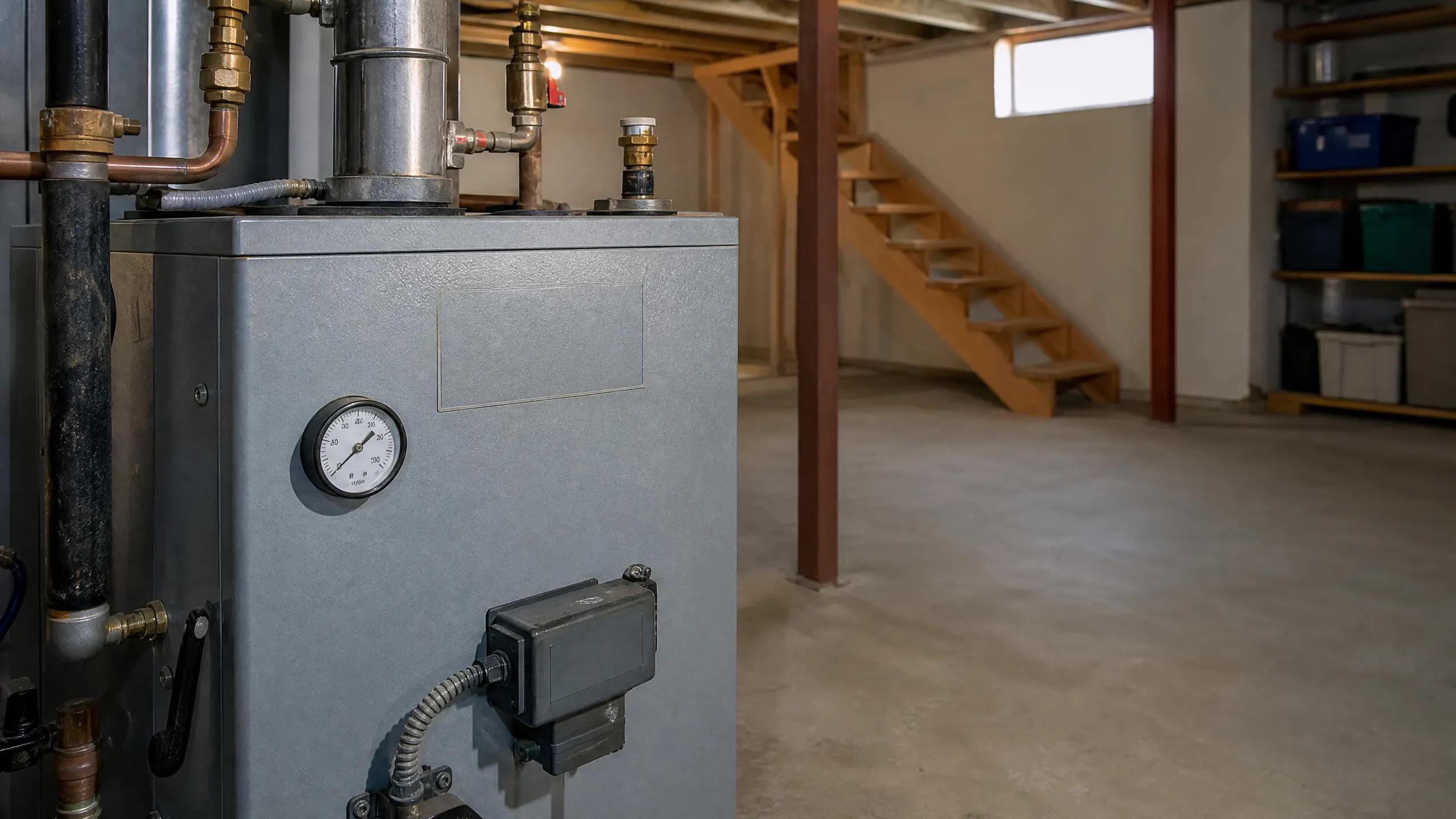




A gray boiler with copper pipes and a pressure gauge stands in an unfinished basement with wooden stairs and concrete floors.

Boiler Installation in State College, PA

Tell us about the job

Takes about a minute. No obligation.

Step 1 of 3: Equipment

Electricity in Pennsylvania ran $52.07 per million Btu in 2024. A boiler converts that power into heat for your home, and most homes here already run on electric heat. That number sits behind every bill a boiler generates, all winter long. A unit that turns more of that power into heat, with less lost along the way, costs less to run than one that doesn't. The difference shows up every month, not just once.

Heat goes on in October here.

A boiler installed in September gets tested before the cold sets in, not during the first cold night.

Most homes here already run on electric heat, which is why a boiler fits in

44.6% of homes heat with electricity
Climate zone 5A
Heat runs October through May

Eight months of heat a year is a long stretch for any boiler to carry. October through May, this one will be cycling on and off most days, and in a county that sees winter storms this often, it runs through real cold, not just a few hard weeks. A system sized too small struggles to keep up on the worst nights and wears doing it. One sized too big short cycles, switching on and off more than it should, and that wear adds up over a season this long. Getting the size right matters more here than somewhere that only runs heat for a few months. That's worth more than a lower price on the install.

Get this installed right once, and every bill after it is smaller

Picking the boiler that fits this job is what decides your bill every month after. Get the sizing and the efficiency right at installation, and that electric rate works for you instead of against you, all winter, every winter it runs.

Find a contractor
A man seen from behind in a gray shirt and tan work pants climbs porch steps toward a blue front door, carrying a worn leather tool bag in his right hand, with a potted shrub in a blue planter beside the door.

What the rating measures

The efficiency rating on a boiler tells you how much of the fuel or power going in actually becomes heat in your home, versus how much is lost in the process. A boiler that wastes less heat getting it to your radiators or baseboards does more work with the same input. That rating is fixed at the factory. It doesn't change based on how the system is installed around it, though a bad installation can keep a boiler from ever hitting the number on its label.
Why it matters for this job

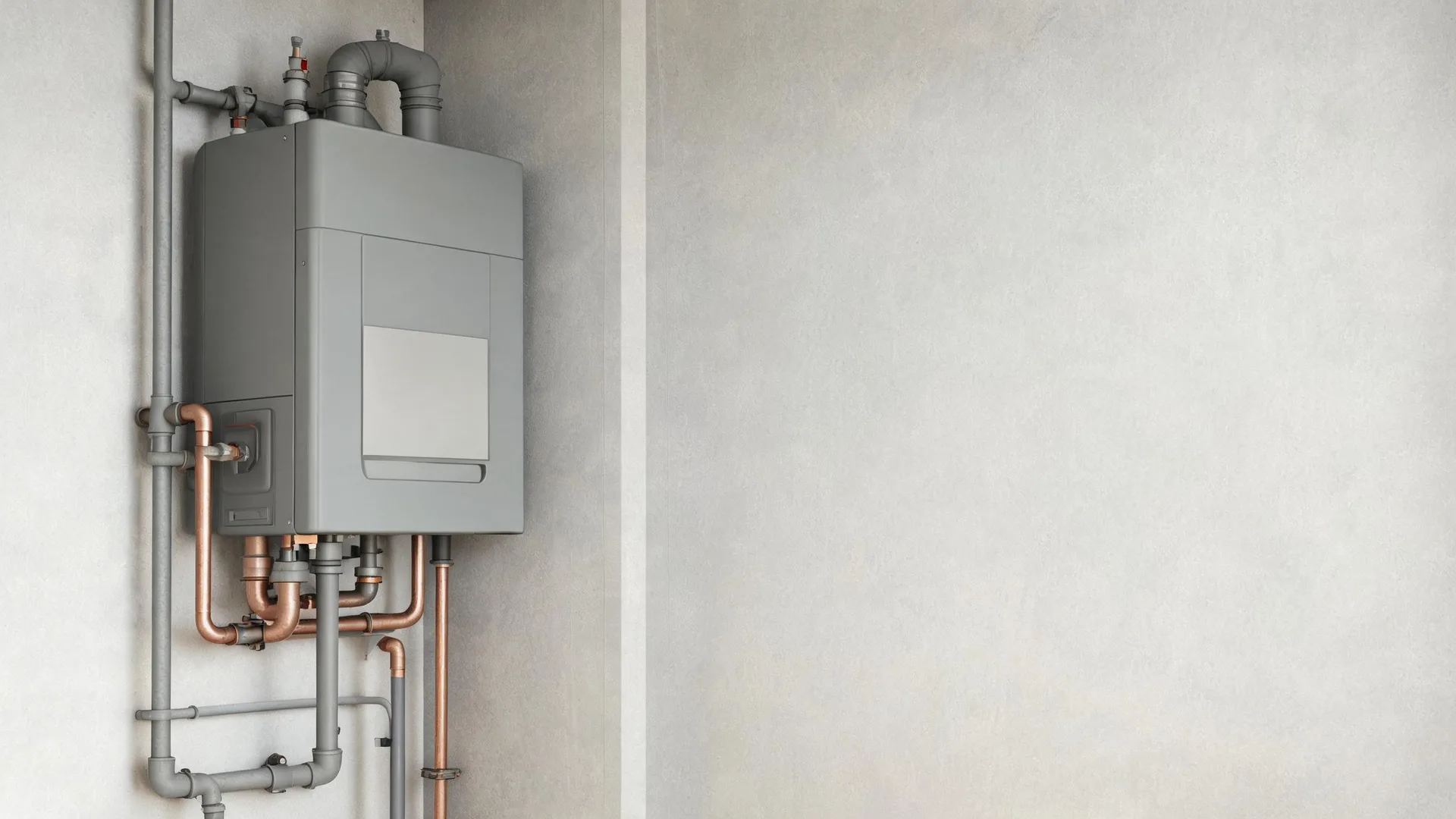
Two boilers with the same rating can still perform differently once installed, because the rating assumes correct sizing and proper setup. An oversized or undersized unit won't deliver the efficiency printed on its label, no matter how good that label looks on paper. When you're comparing units for this install, the rating tells you what the machine is capable of. Whether it actually runs that way for years depends on getting the sizing and the installation right from the start.

The old boiler doesn't get reused once a new one goes in. A contractor drains the system, disconnects the gas or electric supply, and removes the unit along with its venting if that venting isn't shared with the new system. Old cast iron boilers are heavy, and most get cut down for scrap rather than hauled out whole. If the system ran on a fuel the new boiler doesn't use, that line gets capped off, not left in place. Any asbestos on old pipe insulation, which shows up in some older boiler setups, has to be handled separately and isn't something a boiler installer deals with directly. The pad or alcove the old unit sat on usually stays, since the new boiler often takes the same spot once the old one's out.

Centre County falls under zone 5A, a cool, humid climate where heating carries most of the load. That classification sets a floor for what can go into this house. If the new boiler is gas-fired and built on or after January 15, 2021, it has to turn at least 84 percent of the gas it burns into heat over the season. Anything rated below that line isn't allowed here, whatever it costs up front. A federal tax credit is available on qualifying high-efficiency equipment, which can offset some of the difference. The rule narrows the field before you ever start comparing brands.