Electric heat is the most common setup here
Electricity heats 44.6% of homes in Centre County, more than gas, oil or propane. A mini split runs on electricity too, so it fits right into how this area already heats.

Takes about a minute. No obligation.
Electricity heats 44.6% of homes in Centre County, more than gas, oil or propane. A mini split runs on electricity too, so it fits right into how this area already heats.
A home heating with electric baseboard or electric resistance heat can switch most of that heating load to a mini split and use less power doing it. There is no gas line to run and no venting to plan around.
NOAA nClimDiv, 1991–2020 normals
Cooling runs July through August here.
June is the month to get a mini split installed, before the first hot stretch hits.




Centre County sits in climate zone 5A, a cool zone where heating is the bigger job over the year. Any mini split installed here has to meet the federal minimum for a split-system heat pump. That means at least 14.3 SEER2 for cooling and 7.5 HSPF2 for heating. The same rule applies whether the system is ductless or not. There's no separate, lower bar for mini splits. A system that meets these minimums may also qualify for a federal tax credit, worth looking into before you settle on a model.
Replace it before the season starts, so it happens on your schedule, not in a hurry.
Find a contractor
When you're comparing systems, the number to ask about is the one that tells you how the compressor runs, not just how high it's rated. Some units run at a single speed, on or off, the same as an old air conditioner. Others modulate, slowing down to match the load instead of shutting off. A modulating system spends more of its life running low and slow, which means less wear from starting and stopping and steadier temperature in the room. Ask what the minimum output is, not just the maximum. A system that can throttle down low will run longer, gentler cycles on mild days instead of short blasts. Also ask who services the brand locally and whether parts are easy to get. A mini split that runs most of the year is only as good as the support behind it when something needs attention.
Electric baseboard heaters don't need to come out when a mini split goes in. Many homeowners leave them wired and use them as backup for the coldest nights, with the mini split carrying the load the rest of the time.
A window air conditioner being replaced should not just go in the trash. It holds refrigerant that has to be recovered before the unit is scrapped, not vented into the air.
Sizing a mini split is its own job, separate from meeting the efficiency minimums. The contractor measures the room, or the whole house for a multi-zone setup, and works out how much heat it loses in winter and gains in summer. That number drives which unit goes in, not the size of the room next door or what worked at a cousin's place. Too big and the compressor short-cycles, reaching the set temperature fast and shutting off before it pulls any real moisture out of the air, so the room feels clammy even at the right number on the thermostat. Too small and it runs flat out on the coldest and hottest days and still can't keep up. A unit sized to the actual heat loss and heat gain runs long, slow cycles instead, which is where a mini split is most efficient and most comfortable to sit in a room with.
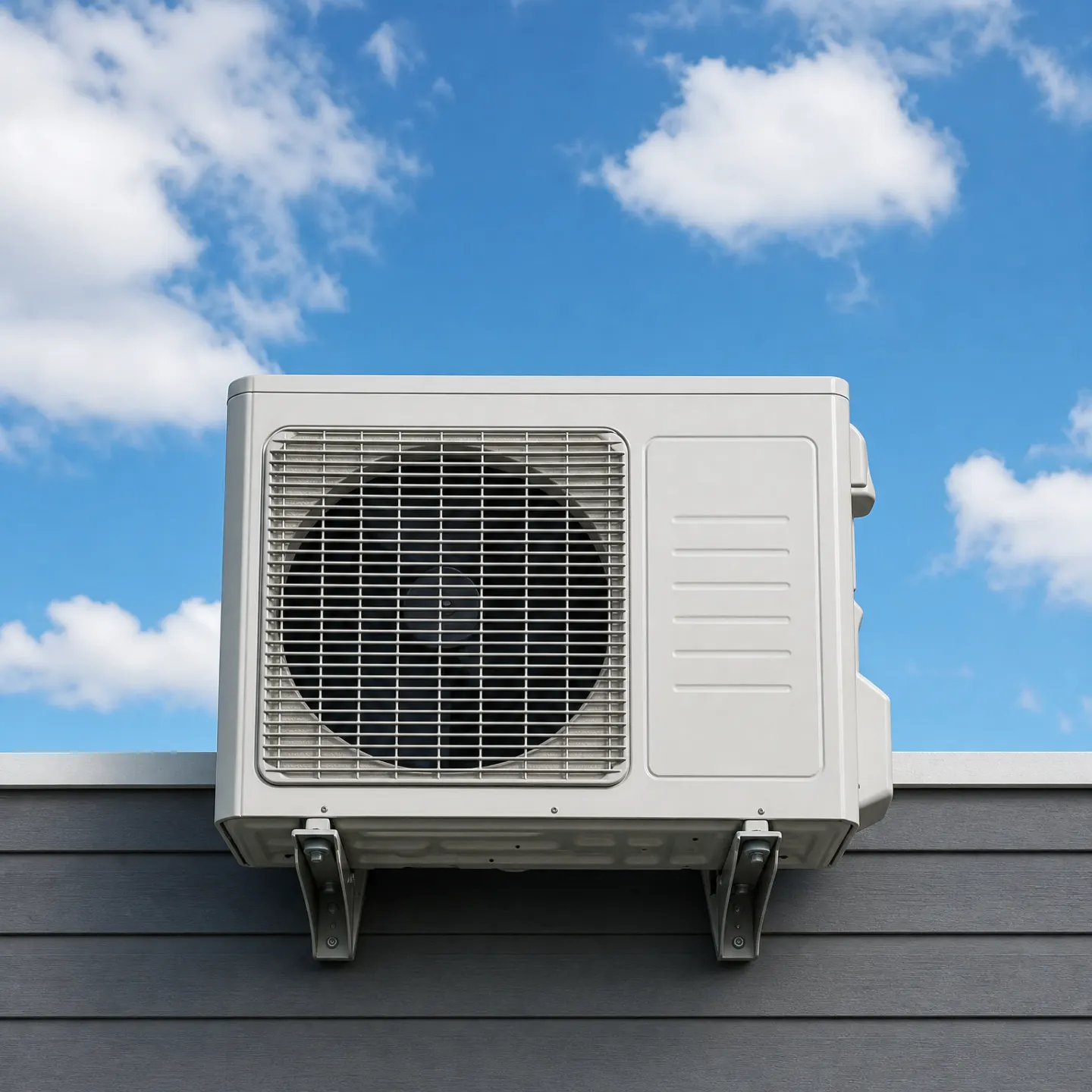
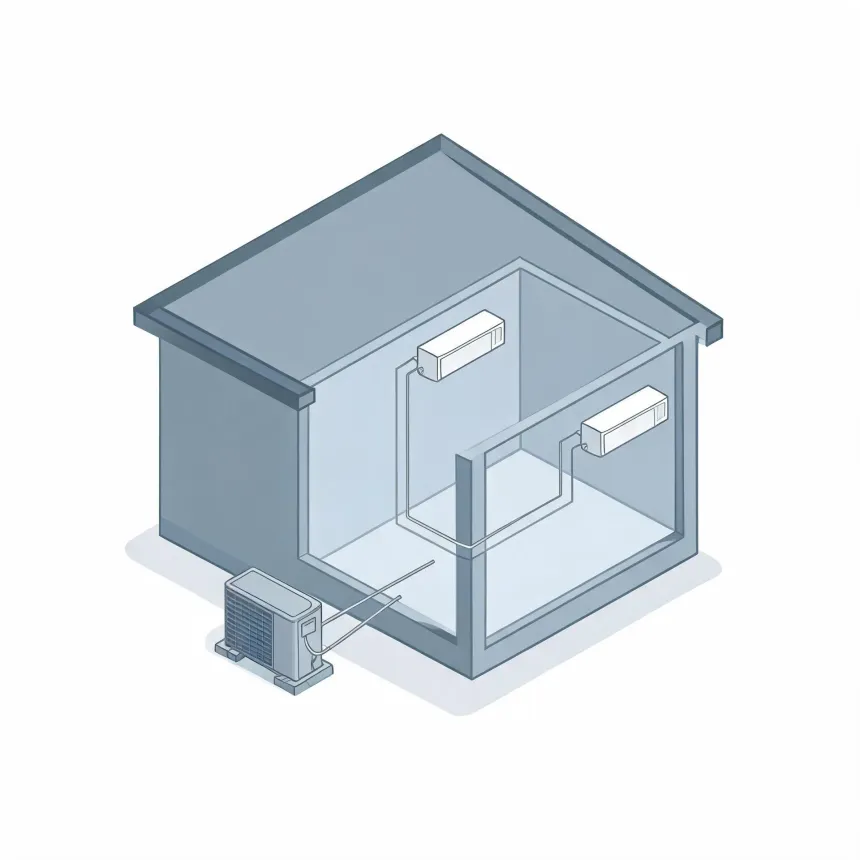
Installation starts outside, with the outdoor unit. The installer picks a spot with clearance on all sides for airflow and room to service it later, usually a pad or bracket off the ground. Inside, the indoor head gets mounted high on a wall or ceiling, over the spot where a small hole goes through to the outside. That hole carries the line set, the refrigerant lines, the power wiring and a condensate drain, all bundled together and run through the wall to connect indoor to outdoor. Once everything is connected, the lines get pulled into a vacuum to clear out air and moisture before the refrigerant is released into the system. Skip that step and moisture left in the lines turns to acid over time, eating away at the compressor from the inside. The last part is running the system through both heating and cooling, checking the temperature split at the vent and making sure the unit holds steady instead of short-cycling.