




A weathered wooden picket fence runs along a mown lawn in front of a row of two-story light-colored siding townhouses, with large tree branches overhanging under an overcast sky.

Furnace Installation in State College, PA

Tell us about the job

Takes about a minute. No obligation.

Step 1 of 3: Equipment

Pennsylvania electricity ran $52.07 per million Btu in 2024, and that number matters if the furnace going into your house is electric or you're weighing a heat pump against gas. A furnace that wastes less of what it burns or draws costs less to run every single month it's working. The difference between a mid-efficiency unit and a high-efficiency one shows up on your bill before it shows up anywhere else. Worth asking any contractor you talk to what AFUE rating they're quoting you, and why.

8 months
October through May, your furnace is on duty
20°F
the average winter night it heats against
80% AFUE
the federal minimum any new unit must meet
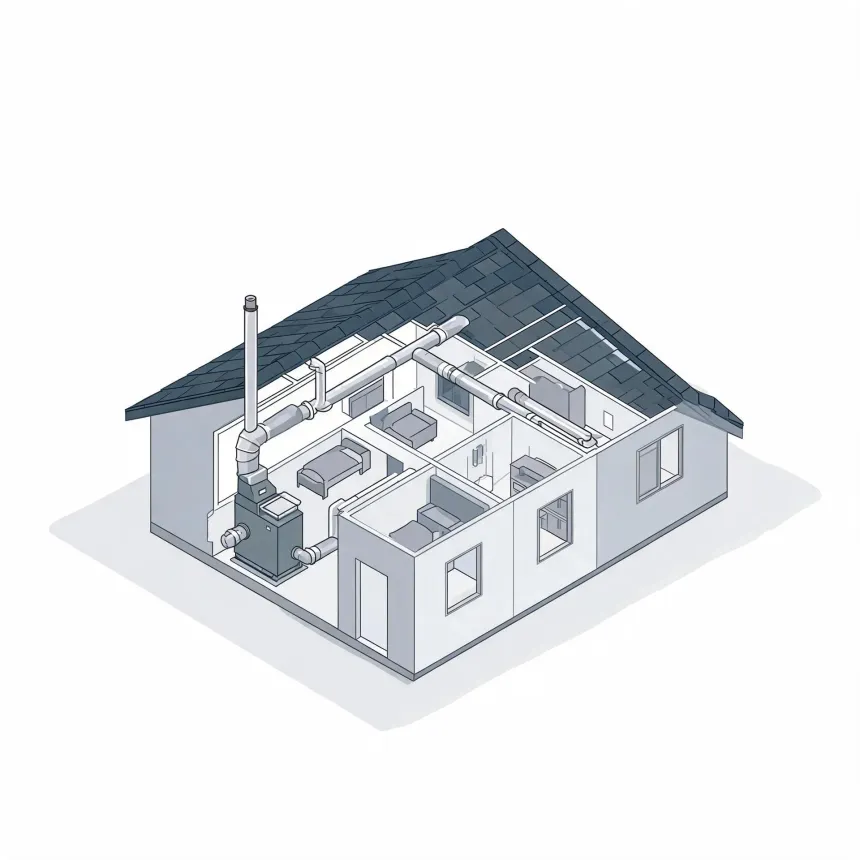
Isometric cutaway illustration of a single-story house showing interior rooms with furniture, ceiling ductwork, a furnace unit with a tall flue pipe, and a dark shingled roof.
Your furnace works hardest from November through March.

NOAA nClimDiv, 1991–2020 normals

Furnaces in State College start running in October and go through May.

Replace yours in September and it's done before you need it, not after it quits on you.

Eight months of heat and 20 degree nights mean this furnace doesn't get an easy season

Heat runs October through May
Winter nights average 20°F
27 winter storms from 2015 to 2024
Get the AFUE number before you get the quoteElectricity here runs $52.07 per million Btu, so AFUE is worth asking about before you sign.

Electricity heats more homes in Centre County than anything else, 44.6 percent of them. Gas is next at 24.6 percent, then fuel oil at 19.9. If your house is already set up for electric heat, a new electric furnace is the straightforward path, no gas line to run, no oil tank to deal with. Replacing what's already there is almost always simpler than switching fuels, since the wiring or venting for that fuel is already in place. Worth checking which one your house has before you start getting quotes.

Efficiency pays here

Power costs more here, so an efficient system pays you back on every bill.

Find a contractor
A man in a dark shirt, tan pants and a cap carries a canvas tool bag up wooden porch steps toward a blue front door, with a potted shrub beside the entry.
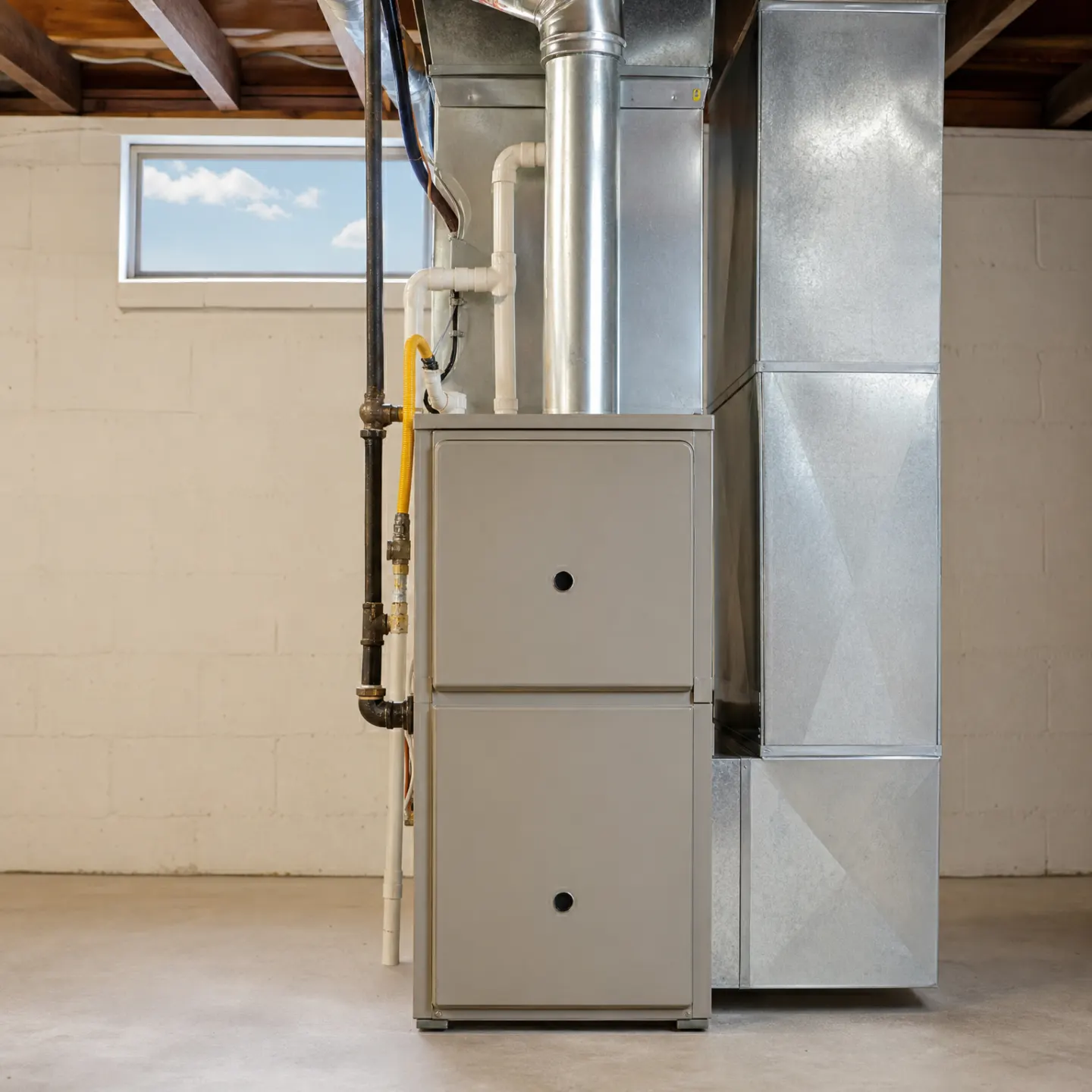
A gas furnace with attached ductwork, gas piping, and condensate lines installed in a concrete-block basement.

Size it for the load, not the old unit

Get the sizing right before anything else. A furnace that's too big for the house short cycles, and one that's too small runs flat out trying to keep up on a 20 degree night. Either way it's working against itself for eight months straight. A contractor should run a load calculation on your house, not guess from square footage or copy the unit you're replacing. Ask to see the numbers before you agree to a size.

AFUE is a percentage, not a brand name

AFUE tells you how much of the fuel a furnace burns actually turns into heat for the house, and how much goes out the flue. A furnace rated higher wastes less fuel doing the same job as one rated lower. That number comes from testing, it's not a marketing term, and every furnace sold has to carry one on the label.
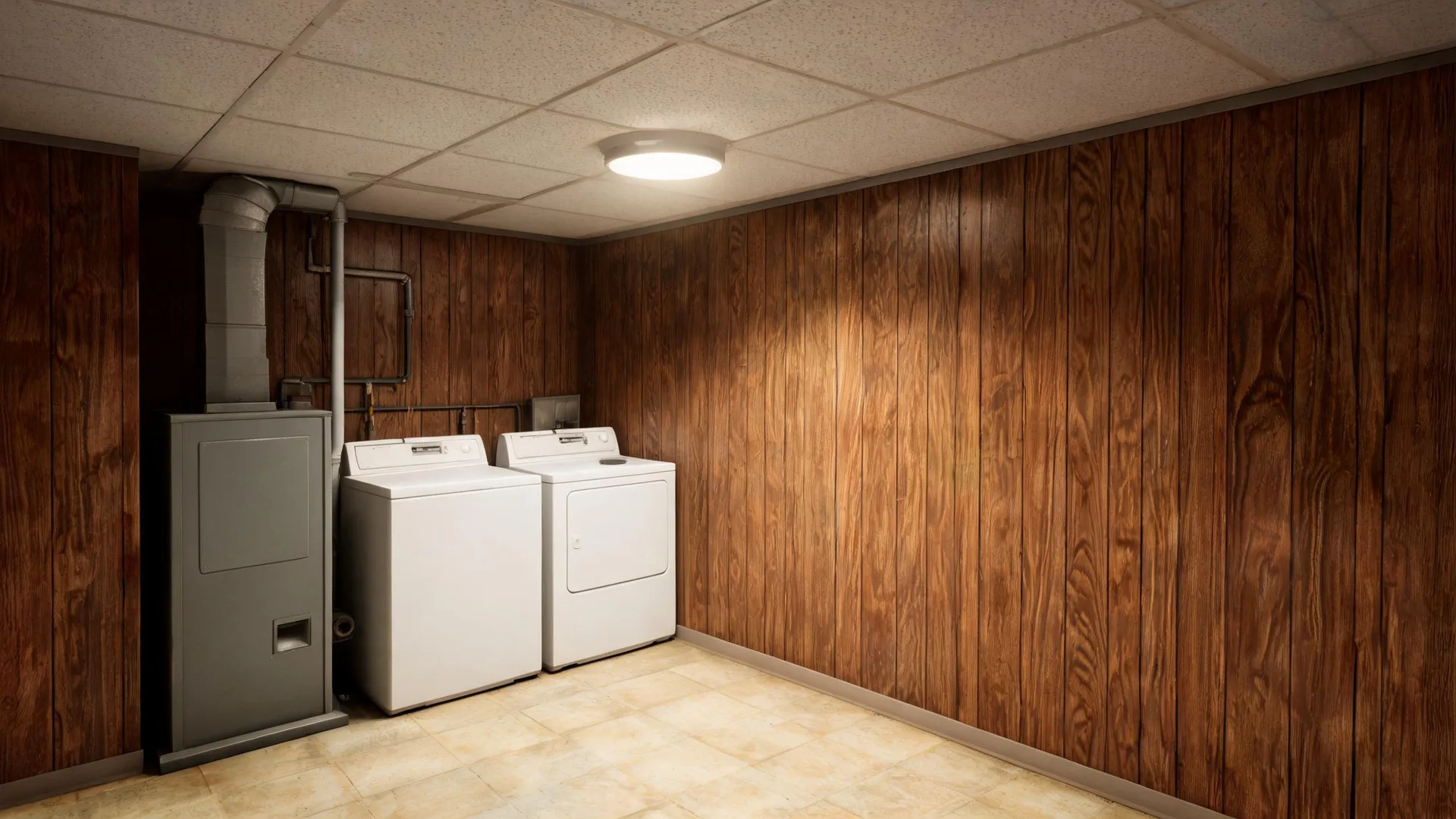
A higher rating changes what's in the house, not just the bill

Getting to a higher AFUE usually means a different kind of furnace, one that pulls extra heat out of the exhaust before it leaves instead of sending it up the flue hot. That furnace vents through plastic pipe instead of a metal flue, and it produces condensate that has to drain somewhere. Worth knowing before install day, since it changes what the contractor has to run and where.

Sizing a furnace comes down to how fast the house loses heat on the coldest night, not how many square feet it covers. A big house with good windows and good insulation can lose heat slower than a small house with neither, so square footage alone tells a contractor very little. A load calculation walks through the house room by room, the windows, the insulation, the walls, and comes out with the number the furnace needs to match. Oversize it and the furnace blasts the house up to temperature fast, shuts off, and fires again a few minutes later, never running long enough to heat the place evenly. Undersize it and it runs flat out on the coldest days without ever catching up. Either way the furnace is working against itself instead of doing the job it was built for, and that wears it out faster.

Install day starts with the old furnace coming out, and that takes longer than people expect once the contractor is into the ductwork and the flue. The new furnace gets set in place, then it's gas line or electrical hookup, venting, and the supply and return ducts connected to it. If the new unit vents through plastic pipe instead of a metal flue, that pipe has to run to the outside wall, and a condensate line has to run somewhere it can drain. Everything gets tested before anyone calls it done. Gas pressure, flame, the temperature rise across the furnace, the airflow at each register. A contractor should also check for gas or exhaust leaks and confirm the thermostat is actually talking to the new furnace, not just running on the old wiring. None of this is fast, and a furnace that gets rushed through on install day is usually the one that needs a service call before the season is out.