Furnace Repair in Pennsylvania
Homes in Pennsylvania are older than in 46 of the other 49 states.
Tell us about the job
Takes about a minute. No obligation.
- 23°Fwinter overnight low where people live
- 8 monthsof heat, October through May
- $13.12 per million Btuwhat homes paid for natural gas in 2024 (Btu means British thermal units, a measure of heat)
- 1,127winter storms from 2015 to 2024
Pennsylvania sees more storms than most states A furnace with no power won't run
- Northern counties need about 18% more heat than southern ones
- Winter nights average 23°F where people live
- Heat runs October through May
- 1,127 winter storms from 2015 to 2024
- Climate zones 4A and 5A across the state
- 15% of homes lost power a day or more in 2024

Half of Pennsylvania's homes were built in 1965 or earlier
Furnace season in Pennsylvania runs October through May, about eight months straight. That's a longer stretch than 22 other states deal with. Eight months of runtime puts real hours on an igniter, a blower motor, a heat exchanger. Parts wear with use, and a furnace here gets used more than most.
September is worth a look before the weather turns. A furnace that struggles in its first real week of October is often one that needed attention already, not one that broke that day. Getting it checked while it's still mild means less chance of finding out on a night when it's already cold and the part isn't on the truck.
A long, cold season, same furnace problems
Pennsylvania winters average 23°F overnight through December, January and February. That's colder than what 25 other states see. A furnace here isn't just running for a long stretch, it's working against real cold on most of those nights, not mild chill. None of that calls for anything special from the unit itself. A furnace that's sized right and gets looked at before the season still just needs a clean burner, a good igniter, and a thermostat talking to it correctly.


3 months of cooling, June through August
8 months of heat, October through May
What does a furnace in Pennsylvania face?
How cold do winter nights get?
23°Faverage overnight low where people live
North Dakota4°F
Hawaii65°F
How many months does the heat run?
8 monthsof heating a year
Hawaii0 months
Alaska12 months
What does natural gas cost?
$13.12per million Btu, what homes paid in 2024
Montana$7.77
Hawaii$53.25
How often do storms hit?
303severe weather events per county from 2015 to 2024
Alaska5
Wyoming1,057
How many homes lost power for a day or more?
15%of homes in 2024
Arizona7%
Maine54%
What's likely wrong, and what it takes to fix it
Most furnaces in Pennsylvania burn gas, and that gas cost $13.12 per million Btu here in 2024. A furnace that won't fire, runs in short bursts, or heats unevenly is usually down to one small part. A dirty flame sensor will shut the burner off seconds after it lights. A failing igniter won't light it at all. A thermostat that's lost its wiring signal can leave the furnace sitting idle no matter what it's set to. Any of these gets found fast once a contractor is looking at the right spot, and none of them means the furnace needs to be replaced.
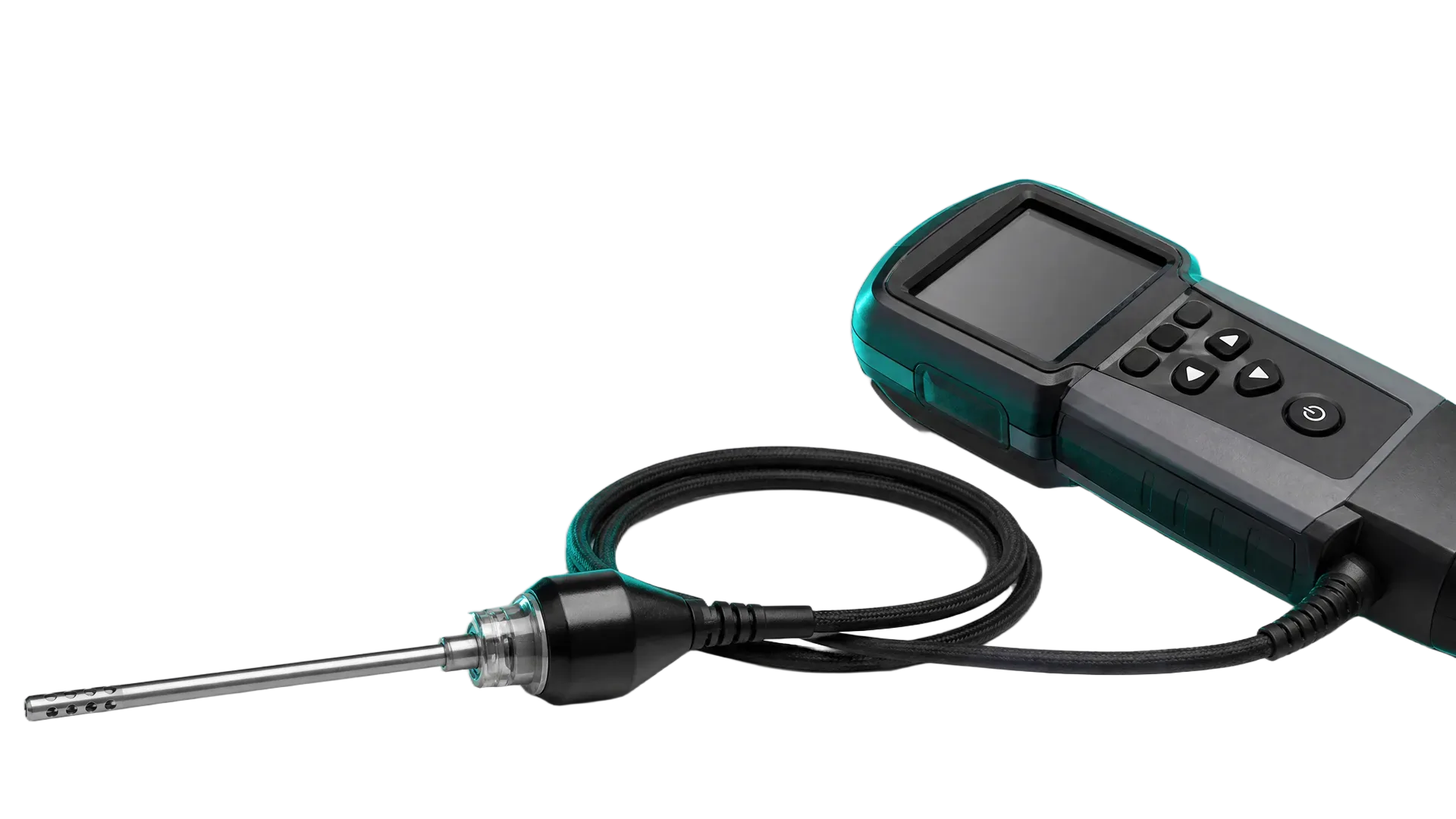
What happens during a furnace diagnostic
A tech starts by asking what the furnace was doing before it quit. Did it try to light and fail. Did it run a few seconds and shut off. Did it blow cold air or not respond at all. Each answer points toward a different part. Once the panels are off, the tech watches a full cycle rather than just poking at a dead system, because some faults only show up at ignition and others only show up after the burners have been running a while. The flame sensor gets checked for a coating of residue. The igniter gets tested for resistance. The pressure switch and limit switch get checked to see if either one is holding the circuit open when it shouldn't. Wiring and the thermostat connection get looked at too. A loose or corroded wire can act exactly like a dead part until someone tests it with a meter. None of this is guesswork, and it isn't solved by swapping parts until something works. By the end, the tech can usually name the one part causing the trouble and show what it was doing wrong.
After the power comes back
Severe weather hits Pennsylvania more than most of the country, and Allegheny County has seen more of it than any other county in the state. Damaging wind has been the biggest part of that, and hail has come down hard enough in past storms to measure several inches across. A furnace needs power to run no matter how well the burner and heat exchanger are working, and a share of Pennsylvania households loses power for a day or more most years. A furnace that won't start after a storm might not need a repair at all. Check the breaker and the switch on the unit before calling anyone out.
A furnace that won't restart after a storm needs someone who can tell a tripped breaker from an actual failure.
Tell us about the job
Takes about a minute. No obligation.
Fill out the form once and a licensed Pennsylvania contractor calls to schedule the repair.