Half the homes here were built in 1960 or earlier
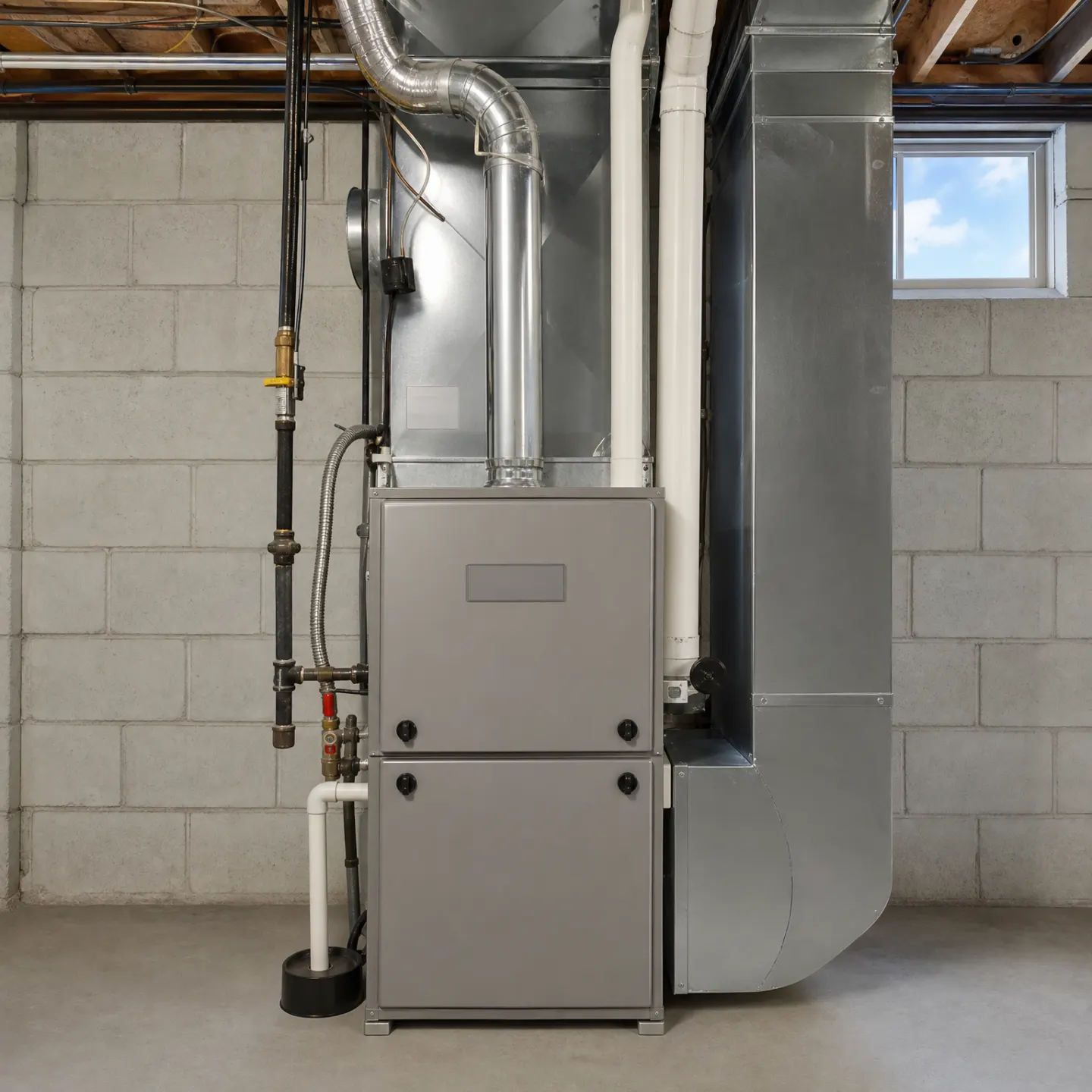
Luzerne County is an old housing market. A furnace in one of these houses is rarely the original unit, but the ductwork and venting it ties into usually date back to the house itself.
Takes about a minute. No obligation.
Luzerne County is an old housing market. A furnace in one of these houses is rarely the original unit, but the ductwork and venting it ties into usually date back to the house itself.
A furnace nearing the end of its life can still take a repair, but the next part to fail may not be far behind it. Before paying for the fix in front of you, it's worth asking how much life the whole system has left.
NOAA nClimDiv, 1991–2020 normals
A cracked heat exchanger gets worse every time the furnace fires.
Running it another week to put off the repair can turn a part swap into a full system replacement.




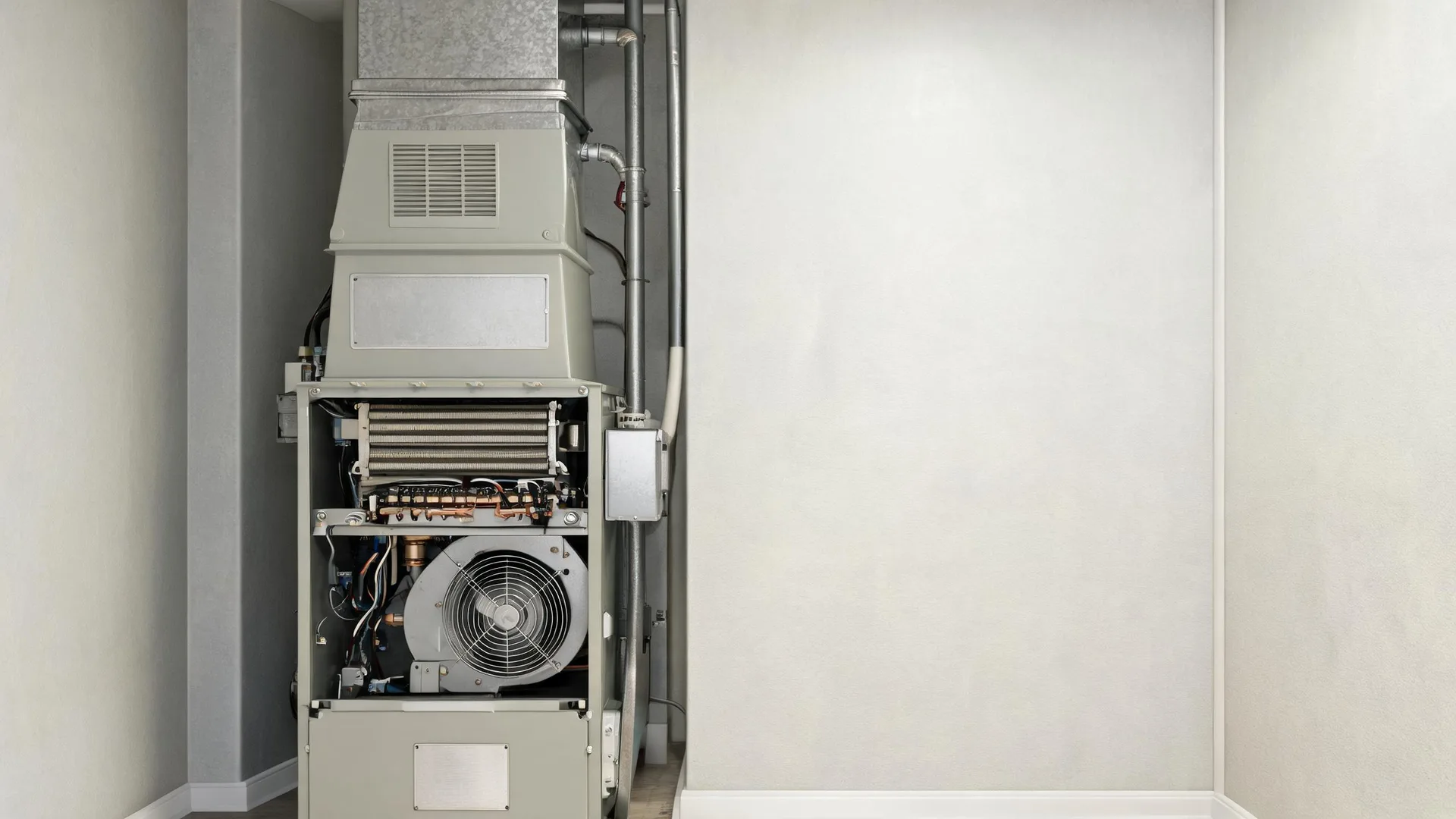
A technician starts by listening to the furnace run through a full cycle, not just glancing at it. That means checking the igniter glows and lights the burners cleanly, watching flame color and shape, and confirming the blower kicks on and ramps up the way it should. They'll pull the cover and check for soot or scorch marks, which point to incomplete combustion long before a homeowner would smell or see anything. A combustion analyzer reads the exhaust to make sure nothing dangerous is building up. If the furnace is short cycling or tripping its limit switch, they'll check the flame sensor and the heat exchanger itself, since a cracked exchanger can mimic other problems. The visit ends with a straight answer: what's failing, what it takes to fix it, and whether the rest of the system is worth that investment.
Eight months of heat a year adds up to a lot of cycles on a furnace that's already straining. When something's wrong, a proper diagnosis tells you whether this is a quick fix or a sign the unit is done working this hard. Get it looked at before the next cold stretch asks more of it.
Find a contractorA technician can tell you what today's repair costs. They can also tell you how many years of use is left in the unit once they've had it open. Ask for both numbers before you say yes to the fix. If the furnace is old enough that the house itself might be its only birth certificate, that second number matters more than the first. A repair that buys two more winters is worth paying for. One that buys a few months before the next part goes isn't, not when replacement is the other option sitting right there.
A burner that won't light on the first try, a flame that looks yellow instead of blue, a blower that runs but puts out cool air. Short cycling, where the furnace fires up and shuts off again before the house warms, usually means a dirty flame sensor or a failing limit switch. A burning smell that doesn't fade after the first run of the season is never normal. None of these mean the furnace is done, but all of them mean it needs a look before the next cold stretch.
A furnace that trips its breaker repeatedly, or one that fills a room with a smell like rotten eggs, needs attention right away, not a wait and see. Soot around the cabinet or scorch marks near the burners point to incomplete combustion, which can mean carbon monoxide is getting into the air instead of going up the vent. A cracked heat exchanger often shows up as a clicking sound after the blower shuts off, or a fine crack visible with a flashlight. These aren't repairs to put off a week to save money.
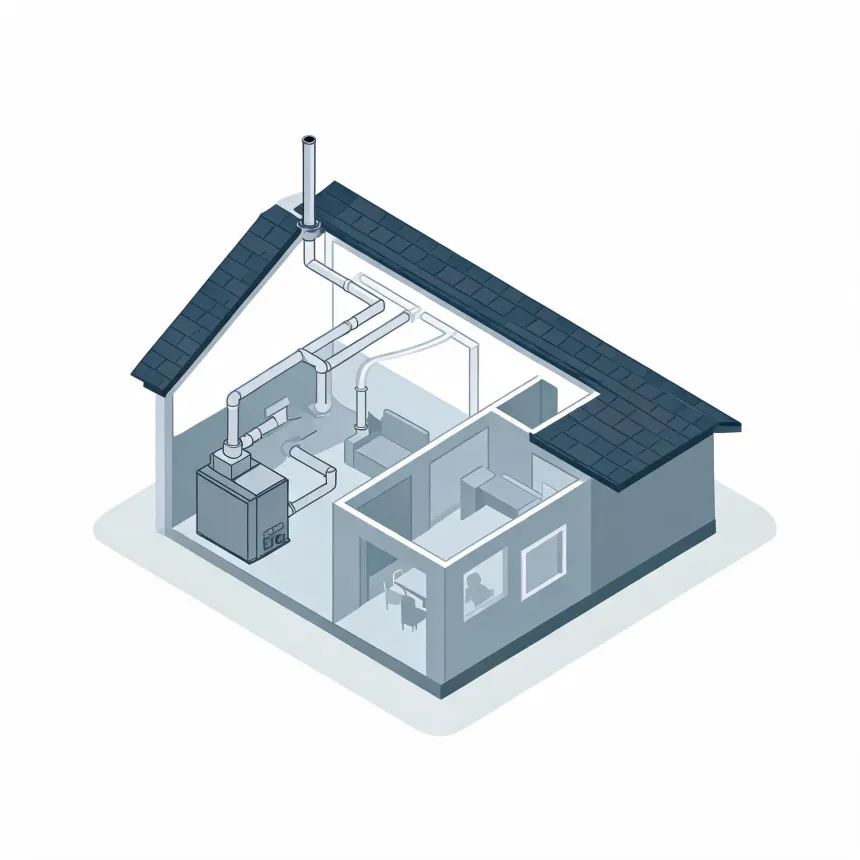
Estimates for a typical Luzerne County home, compared with an older unit built to the previous federal minimum, from EIA household energy data, Pennsylvania fuel prices and NOAA climate normals. Your home will differ.
Repair makes sense when one part has failed and the heat exchanger is sound.
Replacement makes sense when the heat exchanger is cracked or the furnace keeps needing parts.
A repair makes sense when the part failing is one part, and the rest of the furnace has no reason to be doubted. A new igniter, a new flame sensor, a new capacitor, these are normal wear items, and fixing one says nothing bad about the unit around it. The math changes when the failing part is the heat exchanger or the blower motor, since those don't fail in isolation. A cracked exchanger means the furnace has been running with a problem for a while, and a technician finding one often finds the start of others nearby. Age matters less than how the furnace has been maintained, but a unit that's needed a few service calls already is telling you something a single repair bill won't fix. The honest question isn't whether this repair is worth it. It's whether the furnace is still a good bet to keep spending money on.