
Furnace Installation in Pennsylvania
Homes in Pennsylvania are older than in 46 of the other 49 states.
Tell us about the job
Takes about a minute. No obligation.
- 23°Fwinter overnight low where people live
- 8 monthsof heat, October through May
- $13.12 per million Btuwhat homes paid for natural gas in 2024 (Btu means British thermal units, a measure of heat)
- 1,127winter storms from 2015 to 2024
Storms here outrank most of the country Outages can knock out a furnace too
- Northern counties need about 18% more heat than southern ones
- Winter nights average 23°F where people live
- Heat runs October through May
- 1,127 winter storms from 2015 to 2024
- Climate zones 4A and 5A across the state
- 15% of homes lost power a day or more in 2024
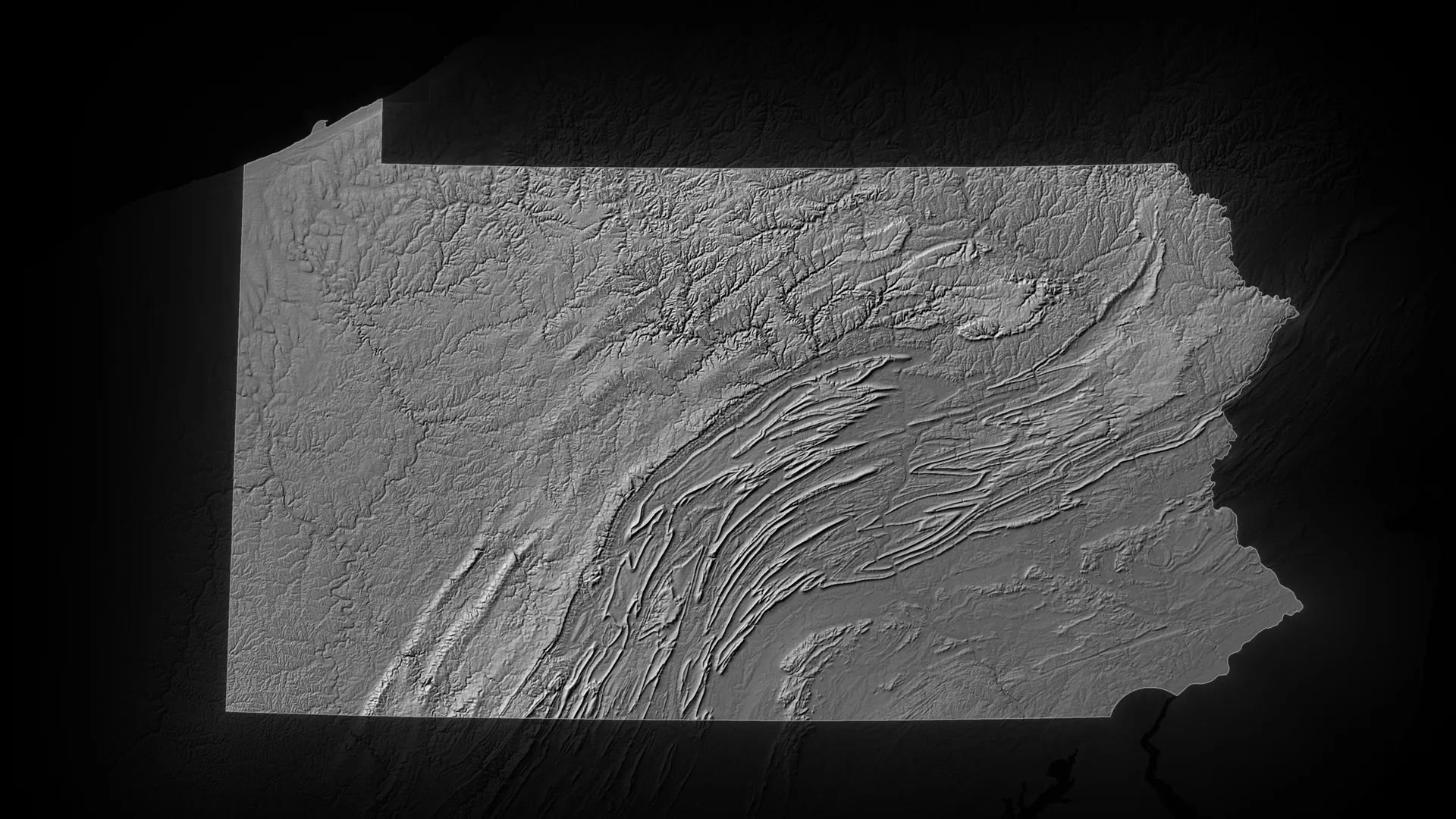

Older homes need a furnace sized for the house, not the one that's already there
Half the homes in Pennsylvania were built in 1965 or earlier. If your furnace is original to the house, it was likely sized and vented for different standards than what's installed today. An old duct layout can also be a poor match for a new high-efficiency furnace, especially if the house was never updated to handle one. A contractor sizing a replacement needs to look at the house you actually have, not just swap in the same tonnage that's coming out.
Gas heats just over half the homes in Pennsylvania, more than any other fuel. That's why most furnace replacements here go gas in, gas out, with a contractor matching the new unit to the gas line and vent already in place.
Electricity heats about a quarter of homes in the state, and fuel oil or kerosene heats another 14%. If your home runs on oil, ask a contractor what switching to gas or electric would take versus staying with oil. They can tell you what your home's gas line, venting and wiring actually allow.
A long run, not an unusual one
Furnaces here run from October through May, about eight months of the year. That's longer than what homeowners in 22 other states deal with, and the nights get down to 23°F on average across December, January and February. None of that calls for anything special in the unit itself. A properly sized, standard-efficiency furnace handles those temperatures without strain. What matters more is getting the size right for your house and making sure the install holds up through a season that long.
3 months of cooling, June through August
8 months of heat, October through May
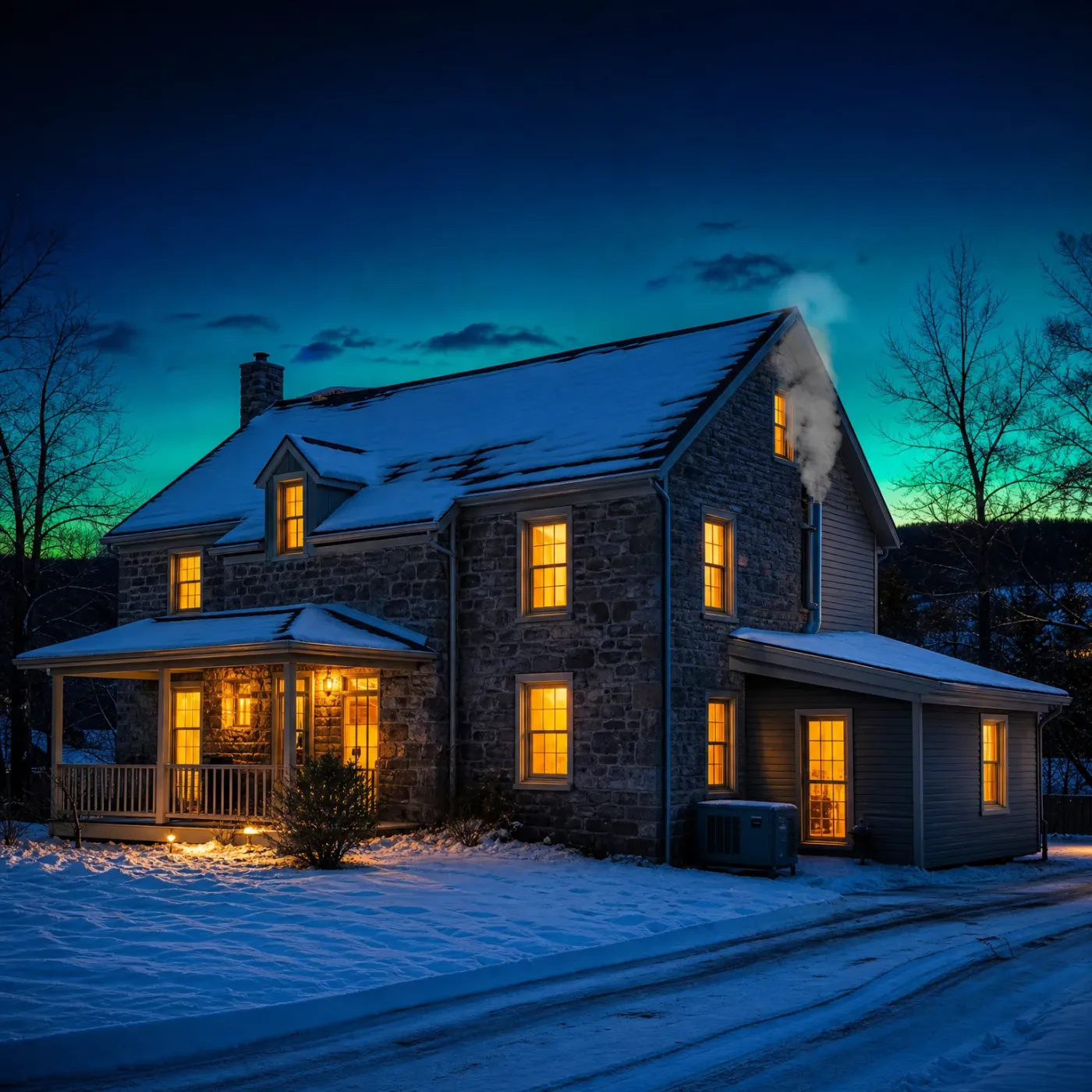
Pennsylvania doesn't need heat the same way everywhere. Homes in the northern counties need about 18% more heat over a year than homes in the southern counties. A furnace sized for one end of the state isn't automatically right for the other.
McKean County needs about 55% more heat over a year than Philadelphia County, where the state's heating need is lowest. Winter nights follow the same split. McKean averages 17°F on winter nights, Philadelphia 27°F. That gap is why a furnace built for one county's winter can be the wrong call in another.
The heating months stretch differently too. Lackawanna County needs heat about 9 months a year, the longest stretch in the state. Philadelphia gets by on about 7. A furnace in Lackawanna is doing real work for two more months every year than one in Philadelphia.
Statewide, homes run heat from October through May, with winter nights averaging 23°F. That's the middle ground. Where your county falls above or below it is what a contractor needs to know before sizing your system, not just the state average.
What does a furnace in Pennsylvania face?
How cold do winter nights get?
23°Faverage overnight low where people live
North Dakota4°F
Hawaii65°F
How many months does the heat run?
8 monthsof heating a year
Hawaii0 months
Alaska12 months
What does natural gas cost?
$13.12per million Btu, what homes paid in 2024
Montana$7.77
Hawaii$53.25
How often do storms hit?
303severe weather events per county from 2015 to 2024
Alaska5
Wyoming1,057
How many homes lost power for a day or more?
15%of homes in 2024
Arizona7%
Maine54%
Sized right, it runs the way it should
A furnace burns gas to make heat, and gas is priced by the unit of heat it delivers, not by the size of the flame. Pennsylvania homes paid $13.12 per million Btu in 2024. That number has nothing to do with how big a furnace you need or how efficient it has to be. It's a reason to get the size right, since a furnace that's too big for the house burns more gas than the house can use, and one that's too small runs longer than it should to make up the difference. A standard-efficiency unit, sized to the house and installed to spec, is what most homes here call for.
What the rating on the label actually tells you
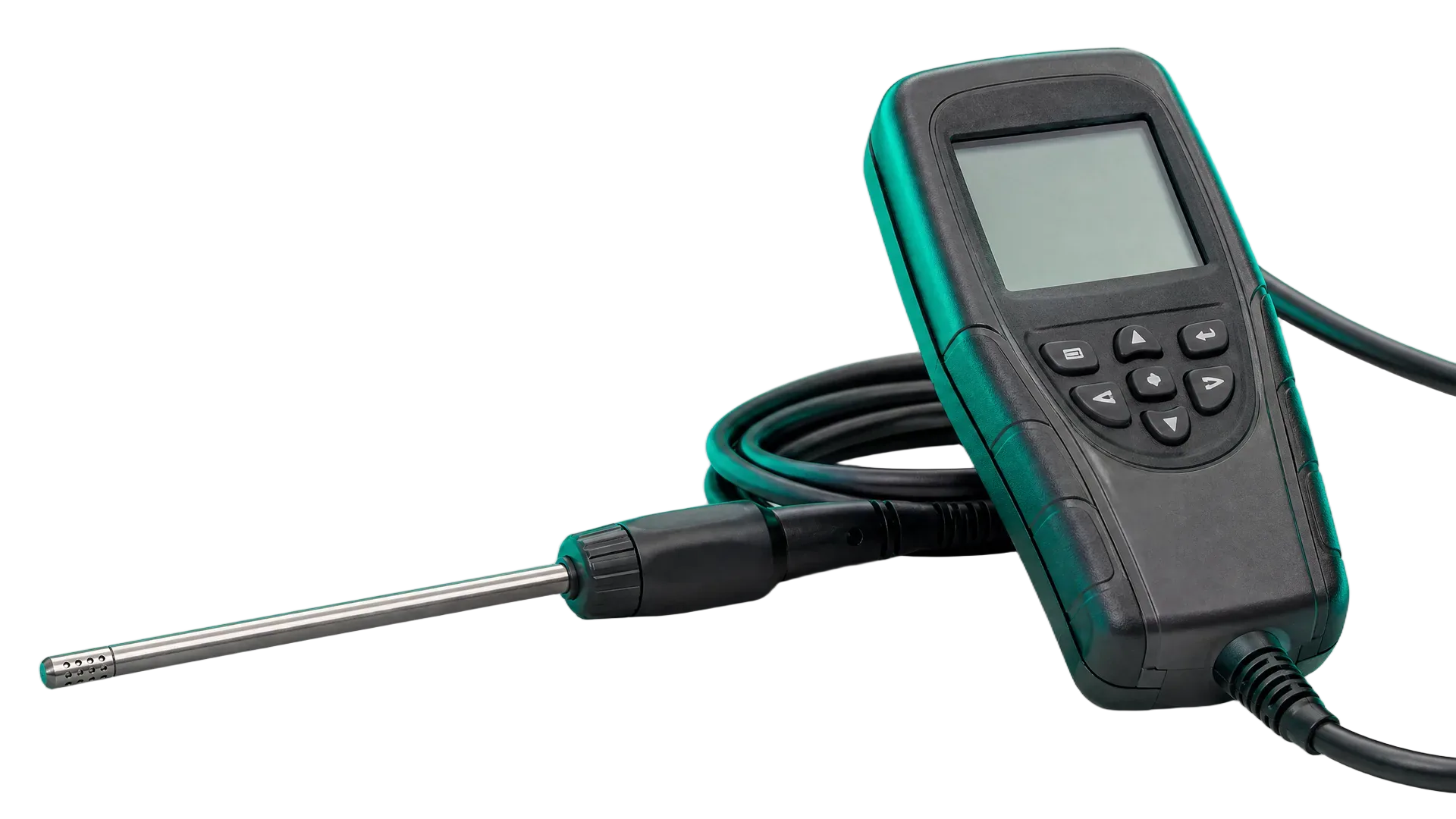
The AFUE (annual fuel utilization efficiency, the share of the fuel a furnace turns into heat) rating on the label tells you how much of the gas burned turns into heat for the house, and how much goes out the vent instead. A furnace rated higher wastes less gas doing the same job. That rating has nothing to do with how big a furnace you need. A high-efficiency unit sized wrong for the house still wastes money, just at a higher baseline. It also doesn't tell you how long the furnace will last or how often it'll need service. What it does affect is venting. Higher-efficiency furnaces burn cool enough that the exhaust has to leave through plastic pipe, not a metal flue, and that pipe has to run somewhere the house can support. A contractor who tells you the rating without walking the house first isn't giving you the full picture.
Do it before October, not after
Replace a furnace before October and the work happens at your pace. Wait until a cold snap takes the old one down and you're picking from whatever's in stock, on whoever's schedule has an opening. September is the month to have it done. A new furnace installed then has a full season ahead of it before it has to prove itself on the first real cold night.
Furnaces here run eight months a year, so getting the size right matters more than paying for extra efficiency.
Tell us about the job
Takes about a minute. No obligation.
Fill out the form and a licensed Pennsylvania contractor will size a furnace to your house.