Half these homes were built in 1956 or earlier
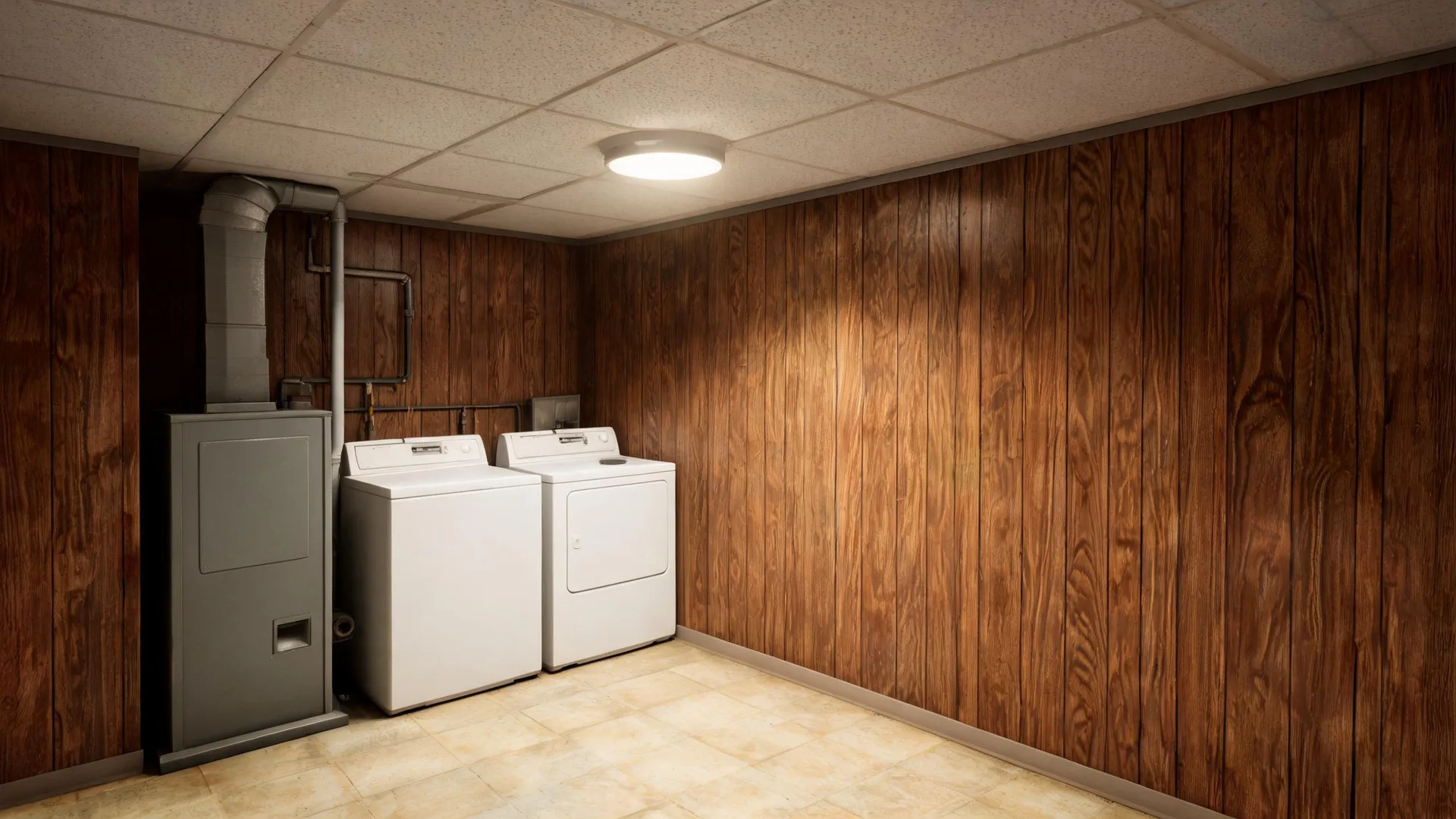
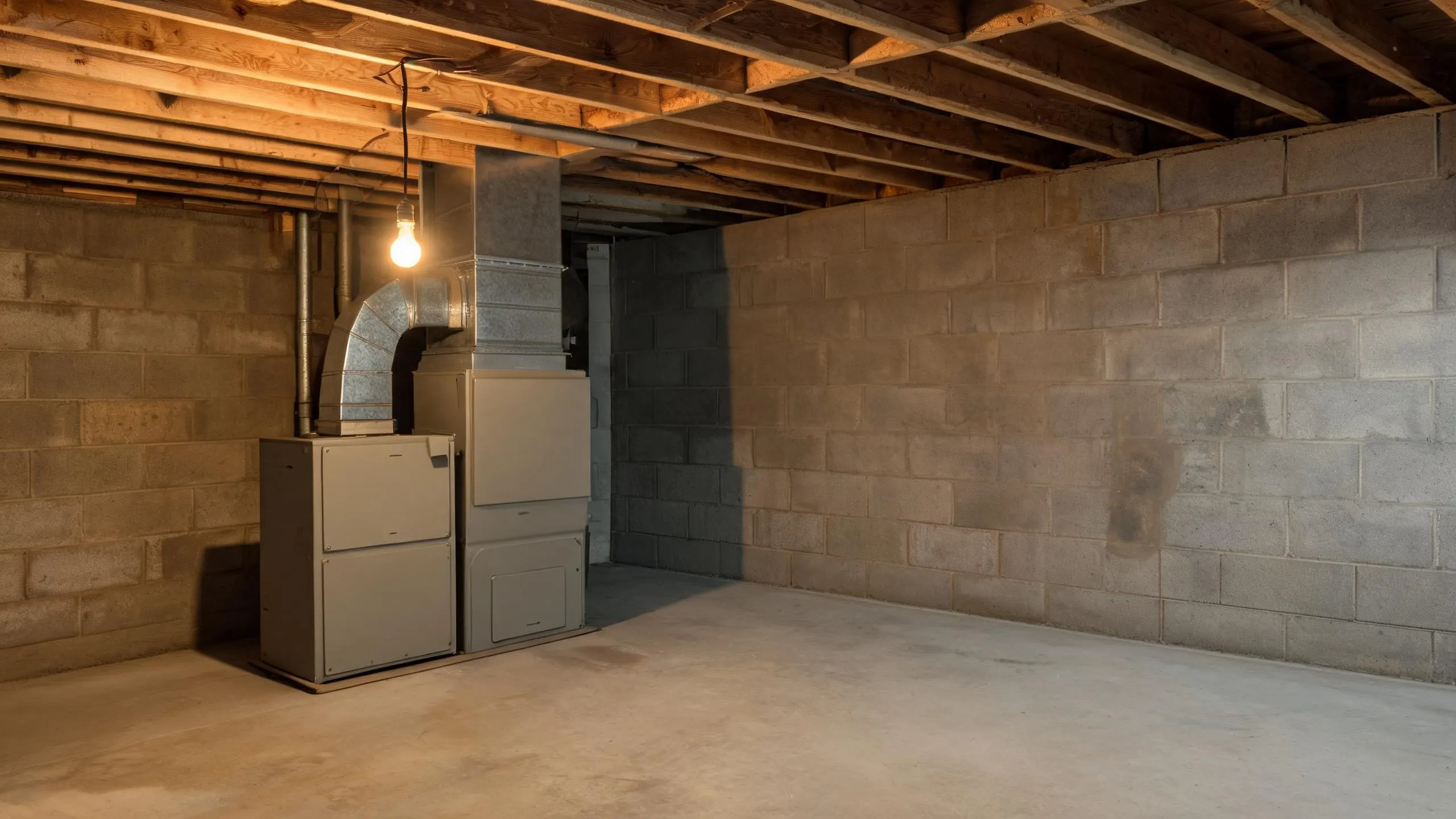
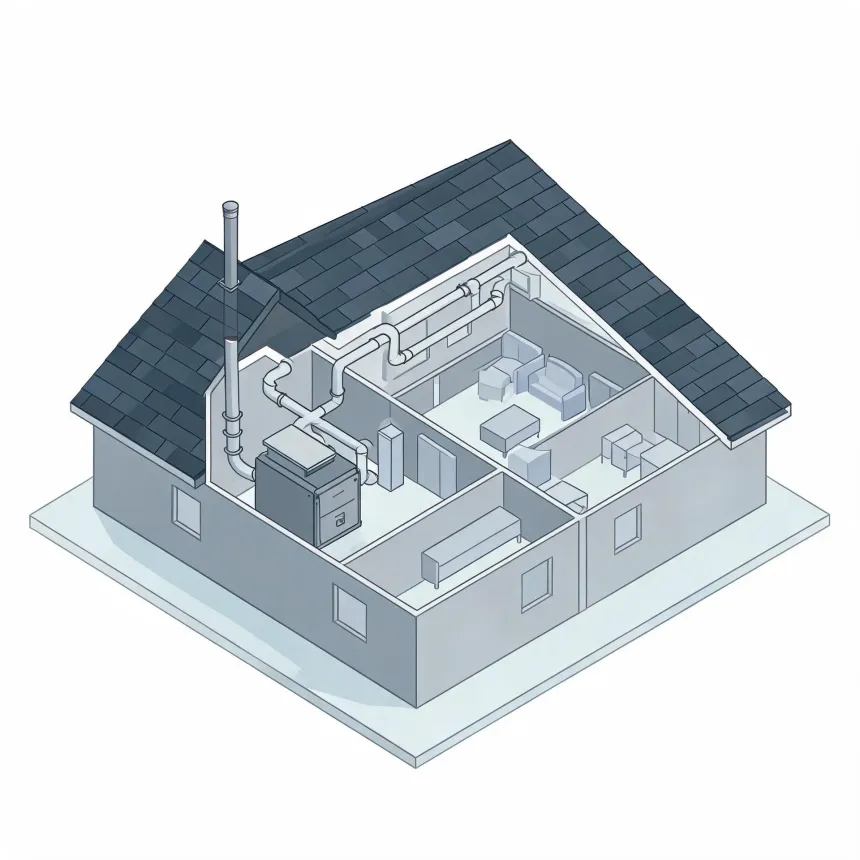
Cambria County's housing stock is old. A furnace going into a house that age has to work with the ductwork and venting already there, not a blank slate.
Takes about a minute. No obligation.
Cambria County's housing stock is old. A furnace going into a house that age has to work with the ductwork and venting already there, not a blank slate.
A furnace sized for new construction can be the wrong fit for a house built decades ago. Getting the install right here means planning around the house as it actually is.
NOAA nClimDiv, 1991–2020 normals
Furnaces in Cambria County run from October through May.
A new furnace here does eight months of work a year, so it needs to be sized and installed right from the start.


Cambria County falls under zone 5A in the 2021 energy code, a cool, humid zone where heating carries most of the load. That rating sets a floor on what can be installed here. Any gas furnace built from November 2015 on has to turn at least 80 percent of the gas it burns into heat over the winter, and that's the baseline for this region. Starting in December 2028, new furnaces will have to hit 95 percent. A federal tax credit is available for qualifying high-efficiency systems installed now, so the choice is between meeting the minimum or installing above it while the credit applies.
Eight months of heat a year means more run time on every part, and that adds up faster here than in most places. Getting the right size installed now, before the next cold stretch, matters more than finding the lowest price on the invoice.
Find a contractorAn old furnace that's lasted this long has usually been patched into whatever ductwork and venting came with the house, maybe more than once over the years. Replacing it on your own schedule gives a contractor time to check that the new unit actually matches what's there. Wait until it fails on a cold day in the middle of winter, and there's no time to check anything. It gets swapped in fast, whether it fits right or not.
A furnace too large for the house cycles on, blasts heat, and shuts off again before it ever evens out the temperature room to room. That short cycling wears out the heat exchanger and the blower motor faster, and it leaves cold spots the system never runs long enough to fix. The right size runs longer, steadier stretches, which is what actually keeps a house warm.
Sizing a furnace means calculating the heat loss of the house itself: the square footage, how many windows and what kind, how much insulation is in the attic and walls, and how the ductwork is laid out. That calculation points to a specific output the furnace needs to produce. Guessing based on the old unit's size just repeats whatever mistake was built into the last install.
Estimates for a typical Cambria County home, from EIA household energy data, Pennsylvania fuel prices and NOAA climate normals. Your home will differ.
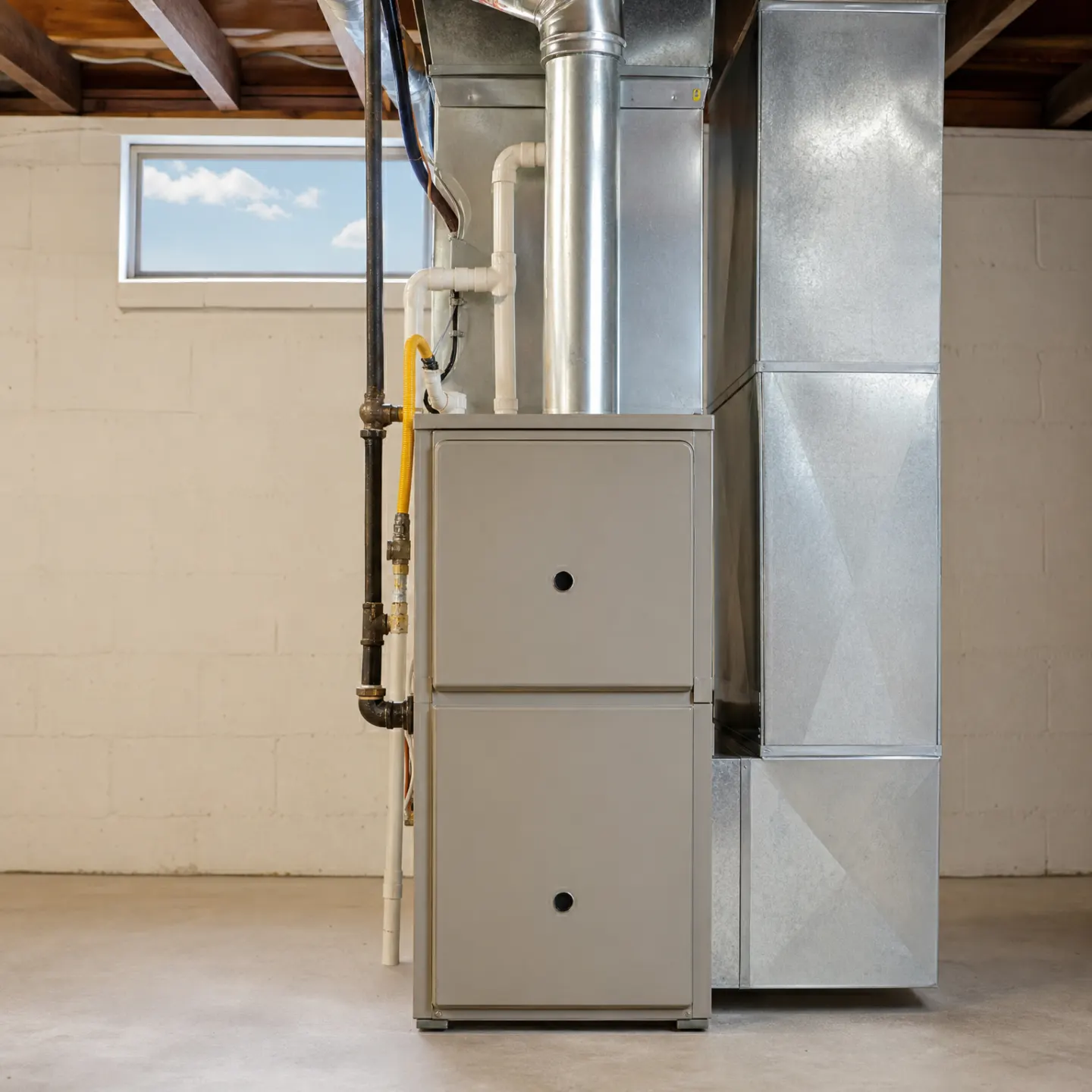
Installation day starts with the old furnace coming out, along with any venting or ductwork that won't work with the new one. A contractor will check the gas line and the electrical connection before setting the new unit, since both have to match what the new furnace actually needs. Once it's set, the ducts get connected and sealed, and the venting gets run according to what that furnace requires. The gas line gets connected and pressure tested before anything is fired up. Then comes startup and testing: checking the flame, the temperature rise through the furnace, and the airflow at the registers, to make sure everything is running the way it should before the job is called done.