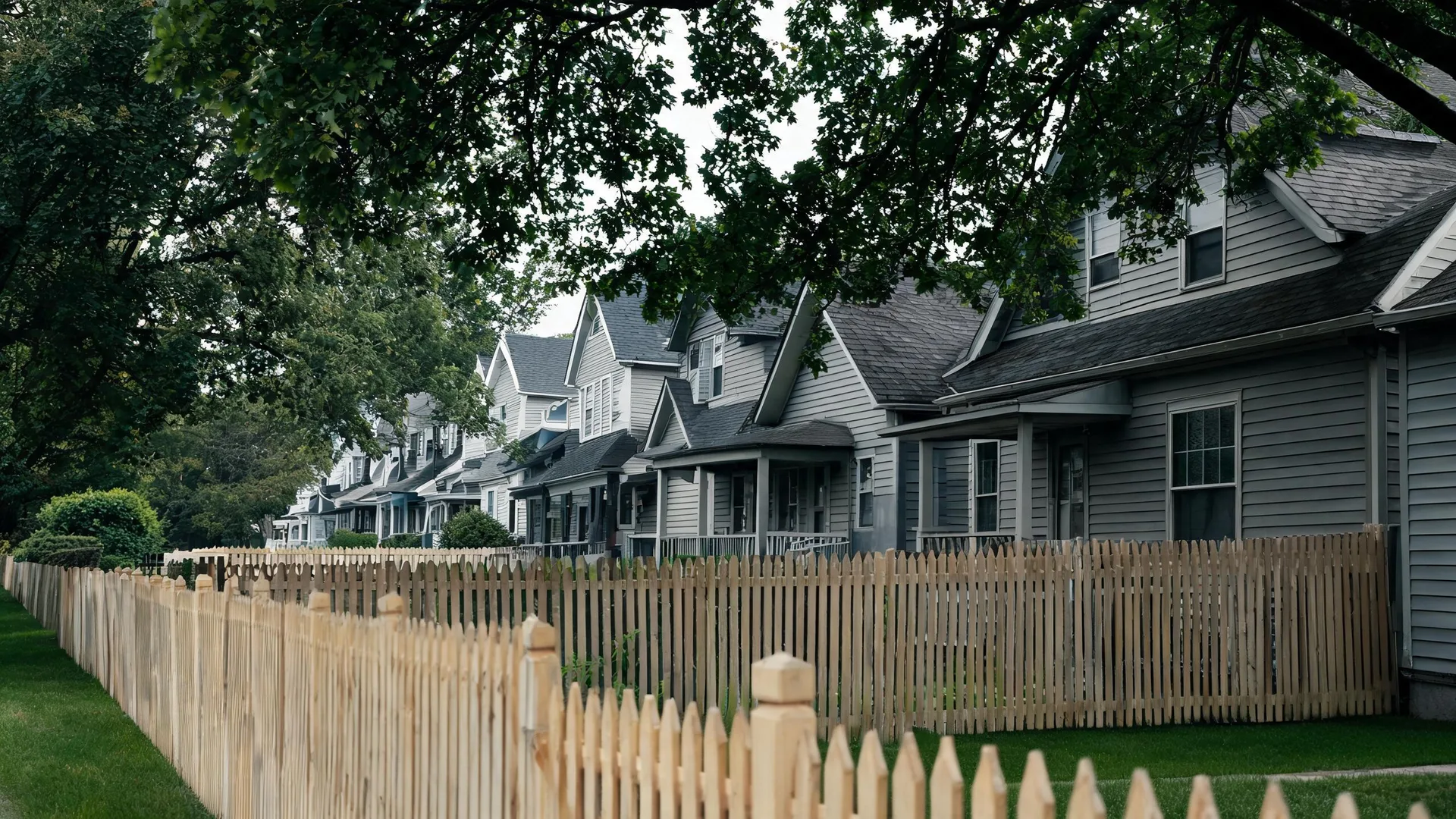
A row of gray-sided two-story houses with porches behind a new light wooden picket fence, with leafy tree branches overhead and grass in the foreground.

Furnace Installation in Murrysville, PA

Tell us about the job

Takes about a minute. No obligation.

Step 1 of 3: Equipment

Westmoreland County recorded 546 severe weather events between 2015 and 2024, and 441 of those were damaging wind. Hail hit 59 times. A furnace install is a good time to think about what a storm does to a system, not just what a cold morning does. Most furnaces here run on gas, but the blower that pushes the air still needs electricity, and ice or wind can take the power out for longer than you'd like. In 2024, 15% of Pennsylvania households lost power for a day or more. A furnace installed without that in mind is a furnace that leaves you cold at the exact moment you need it most.

8 months
October through May, your furnace is on duty
23°F
the average winter night it heats against
65%
of homes here heat with gas, so most furnaces here burn gas
80% AFUE
the federal minimum any new unit must meet
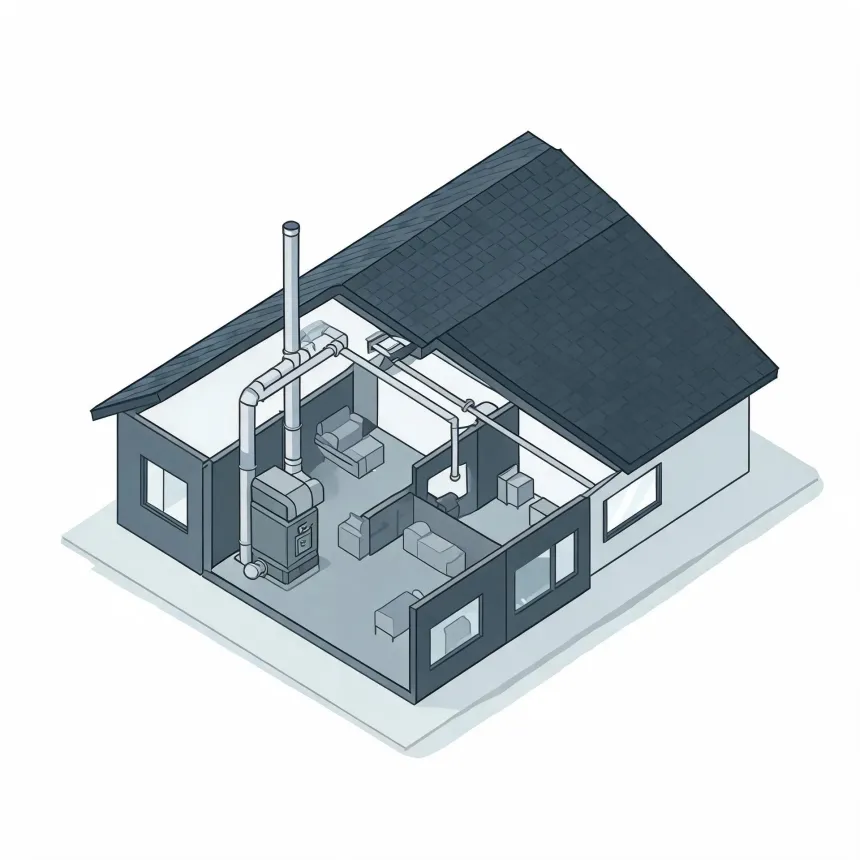
Isometric cutaway illustration of a single-story house showing interior rooms with furniture, a furnace unit connected to ducting and vertical flue pipes running through the roof.
Your furnace works hardest from November through March.

NOAA nClimDiv, 1991–2020 normals

Gas heats 65.3% of homes in Westmoreland County, more than any other fuel.

Replacing a gas furnace with another gas furnace keeps the install straightforward, since the gas line and venting are already there.

October is the month to get this done, not January

Heat runs October through May
Winter nights average 23°F
29 winter storms from 2015 to 2024
Built Before Modern CodesHalf the homes in Westmoreland County were built in 1964 or earlier.

Westmoreland County falls under zone 5A in the energy code, a cool zone where the furnace carries most of the load. That shapes what a contractor can legally install. Any furnace built from November 19, 2015 on has to turn at least 80 percent of its gas into heat over the winter. That's the floor, not a sales pitch, so it's already built into most of what's on the market. A bigger change is coming: furnaces built from December 18, 2028 on will have to hit 95 percent. If you're installing now, you're still choosing from the current generation of equipment, but it's worth asking your contractor where a unit falls on that scale.

Plan for the furnace to work when the power doesn't

If the power goes out this winter, a gas furnace still needs electricity to run the blower. Talk to your contractor about a battery backup or a generator hookup for the furnace while it's being installed, and ask where the outdoor equipment will sit so wind and hail don't have a clear shot at it. Easier to plan for now than to wrestle with mid-storm.

Find a contractor
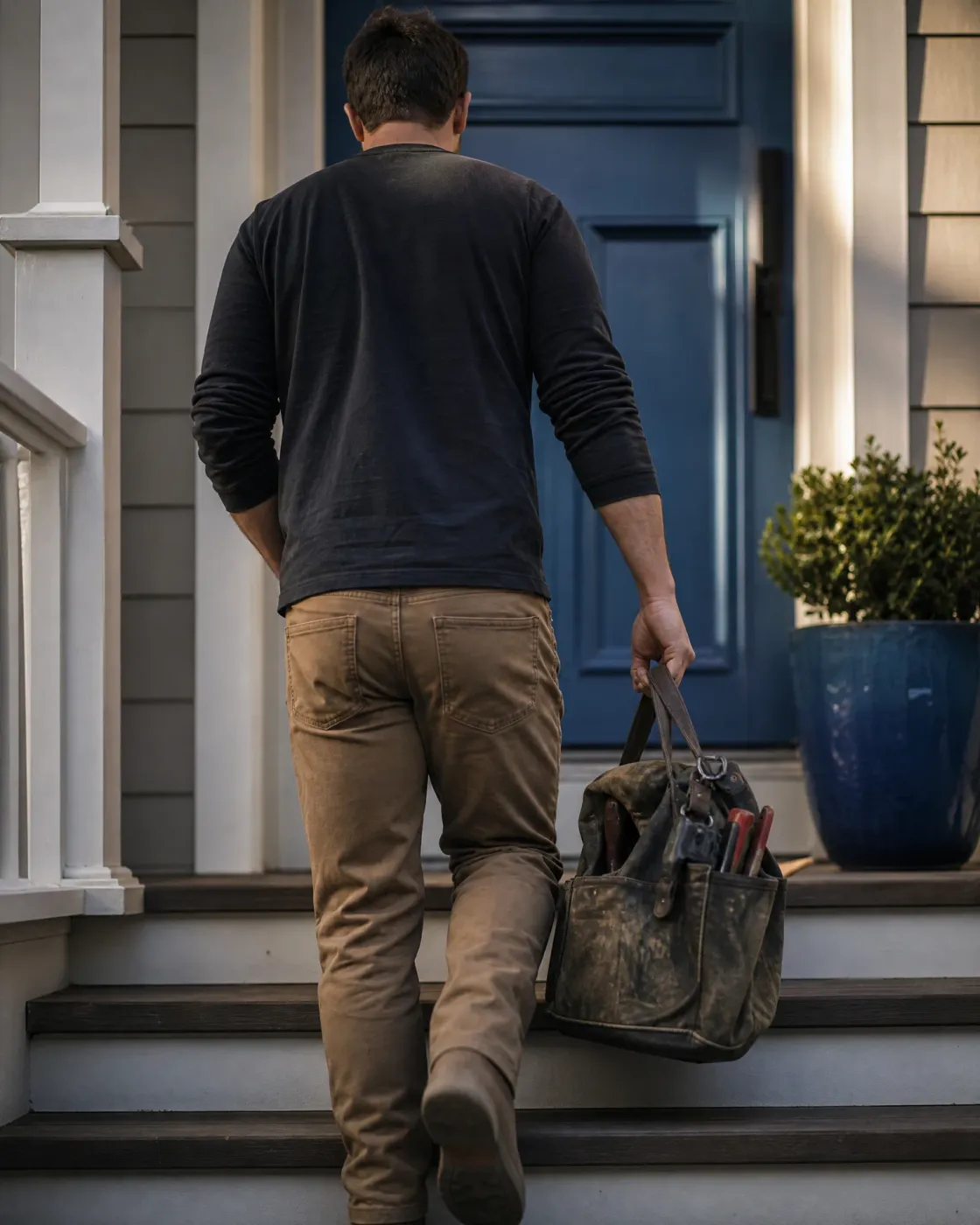
A man in a dark long-sleeve shirt and tan pants climbs porch steps toward a blue front door, carrying a worn canvas tool bag with tools in its side pockets, beside a potted shrub in a blue planter.
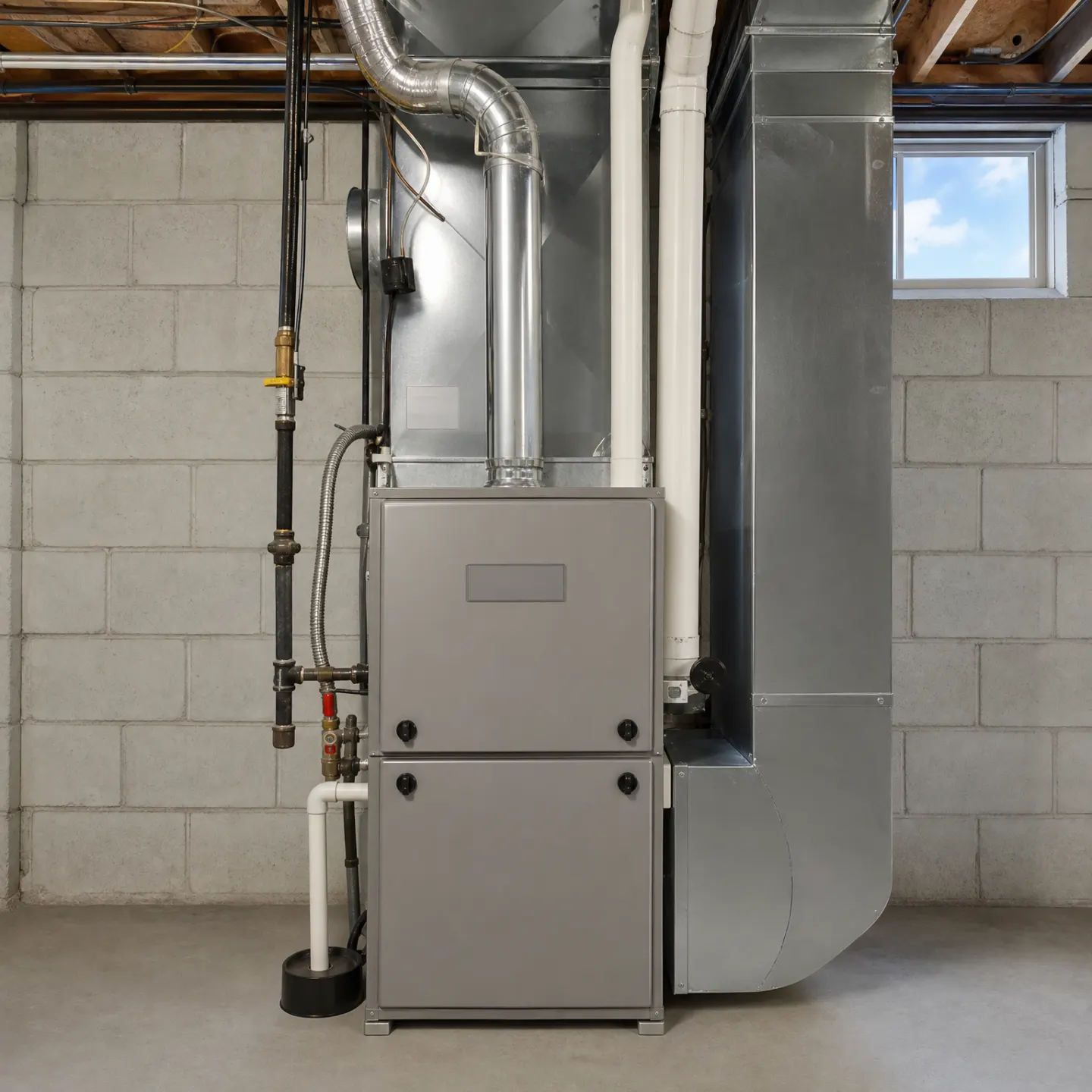
A gray high-efficiency gas furnace installed in an unfinished basement, surrounded by gas lines, a condensate drain, and sheet-metal ductwork.

Sized for the house you have, not the one it was built with

If your house is one of the ones built in 1964 or earlier, the ductwork was sized for a furnace from that era. A new furnace doesn't just drop into that layout. The contractor sizing your install should be measuring your house, not matching the box that's coming out, since the right output depends on the walls and windows you actually have, not on what the house was built with.

The calculation behind the number

A contractor works out furnace size with a heat loss calculation, checking how much heat escapes through the walls, windows, attic and doors. That number tells them the output your house actually needs. A unit sized this way runs longer, steadier cycles instead of short bursts.

Wrong size costs you either way

A furnace too big for the house heats the air fast, shuts off, and kicks back on again and again, which wears out parts faster and leaves some rooms warmer than others. One too small runs long stretches without catching up on the coldest days. Getting the number right avoids both.

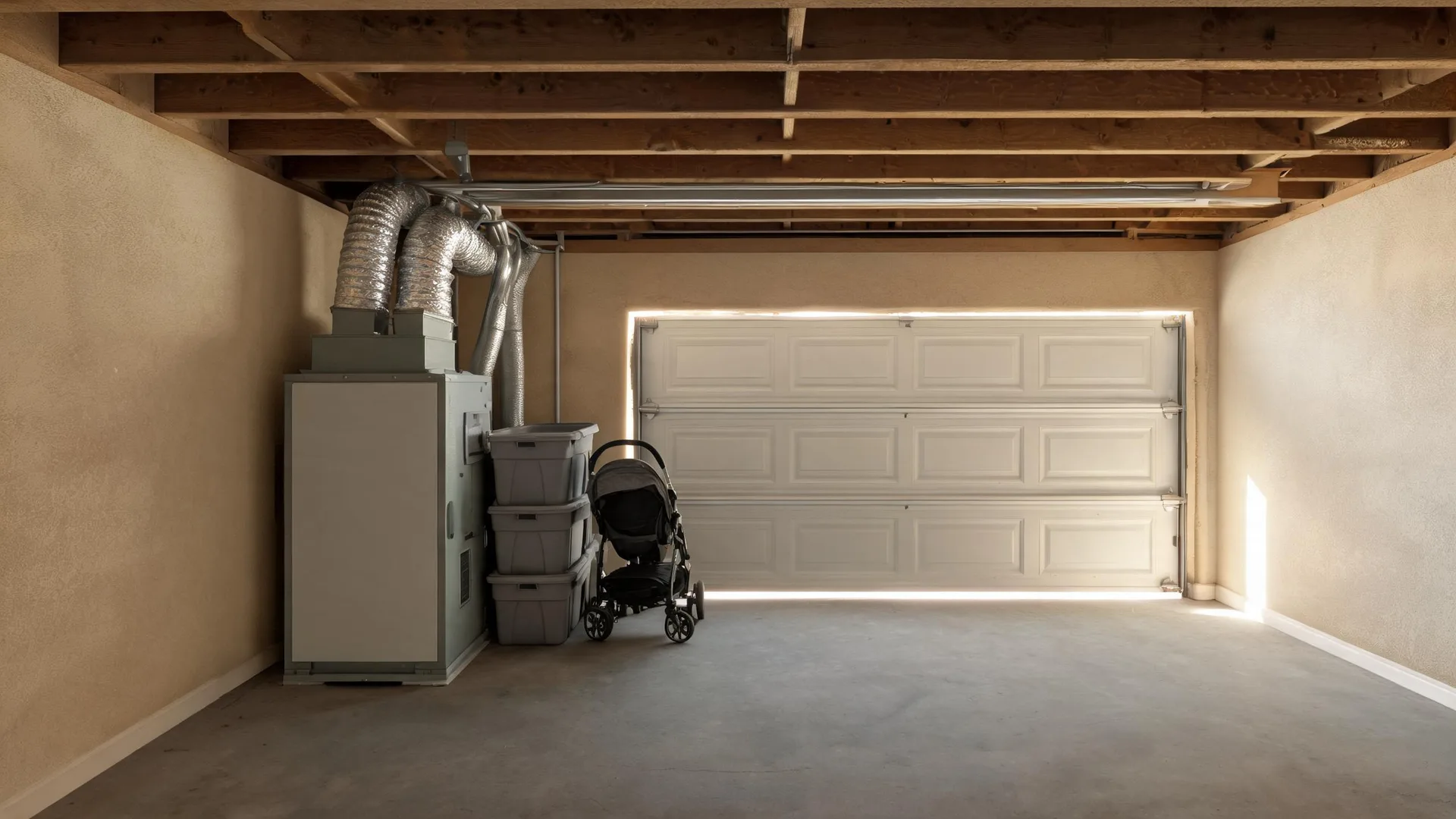
An unfinished basement interior featuring a large metal furnace unit, exposed ceiling joists, concrete walls, and scattered boxes and cables on the floor.

A high-efficiency gas furnace would save about $130 a year to run in Westmoreland County compared with a gas furnace.

  • A high-efficiency gas furnace$630 a year
  • A gas furnace$760 a year

Estimates for a typical Westmoreland County home, from EIA household energy data, Pennsylvania fuel prices and NOAA climate normals. Your home will differ.

Install day starts with the old furnace coming out, along with the venting and ductwork connections tied to it. The contractor checks the gas line, the electrical connection for the blower, and the vent or flue before the new unit ever goes in place. Setting the furnace is the fast part. Most of the day goes to connecting the ducts, running the gas line to the new unit, wiring the thermostat, and sealing the vent so exhaust leaves the house the way it's supposed to. Once it's hooked up, the contractor fires it, checks the gas pressure, and watches the heat exchanger and burners through a full cycle before calling it done. A furnace that's installed right gets tested while someone's still standing there to fix what's wrong, not left running and hoped over.