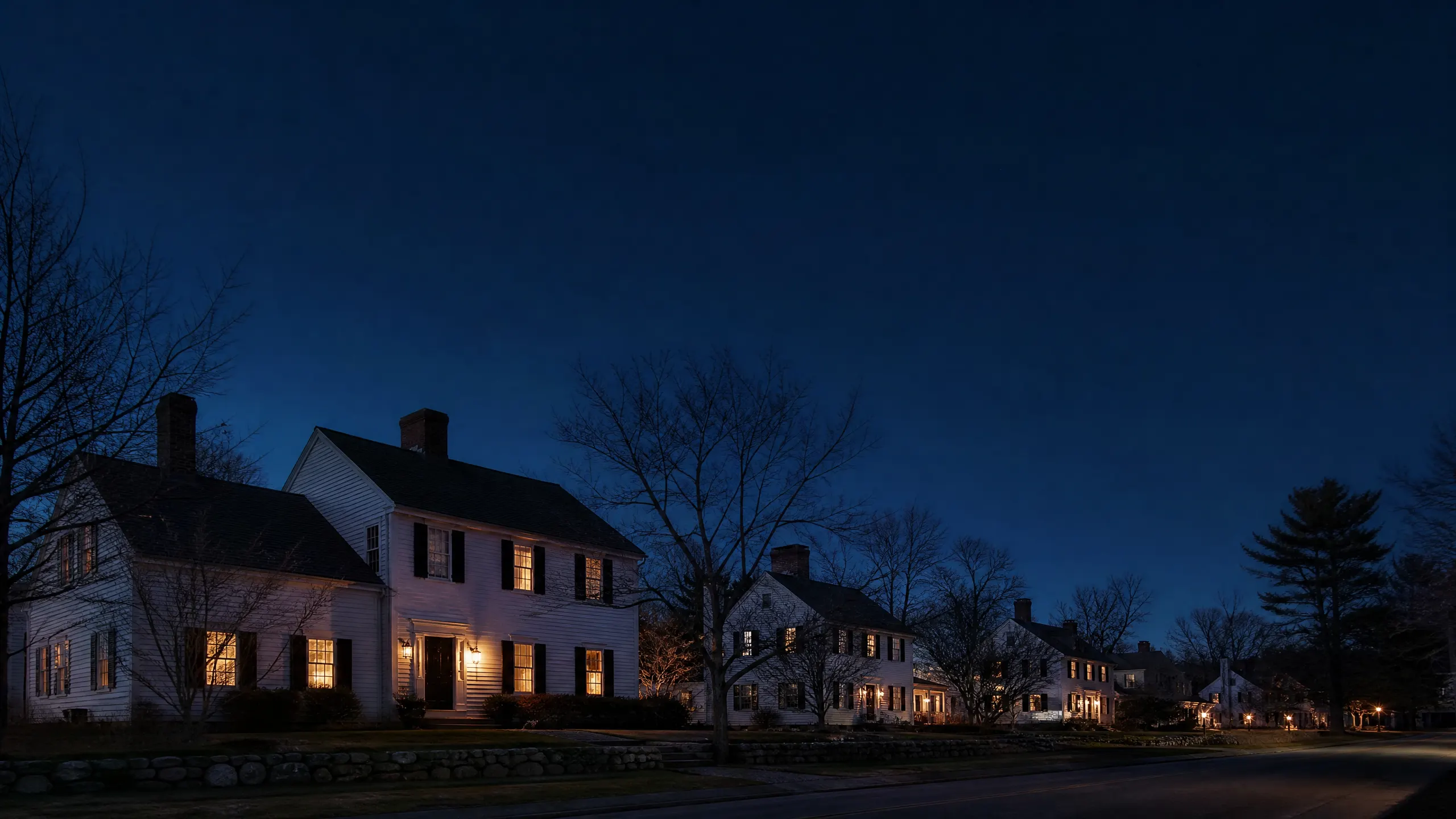
White colonial houses with lit windows photographed at dusk along a tree-lined residential street.

Furnace Repair in Murrysville, PA

Tell us about the job

Takes about a minute. No obligation.

Step 1 of 3: Equipment

Weather here takes a toll on equipment

Westmoreland County logged 546 severe weather events between 2015 and 2024, including 441 damaging wind events and 59 hail storms. A furnace shares the system with an outdoor unit that sits outside through all of it.

Power doesn't always hold through a storm

15% of Pennsylvania households went at least 24 hours without power in 2024. A gas furnace still needs electricity to run its blower and controls, so an outage shuts it down even with gas flowing to the house.

8 months
October through May, your furnace is on duty
23°F
the average winter night it heats against
65%
of homes here heat with gas, so most furnaces here burn gas
29 winter storms
in ten years, the nights a failure hurts most
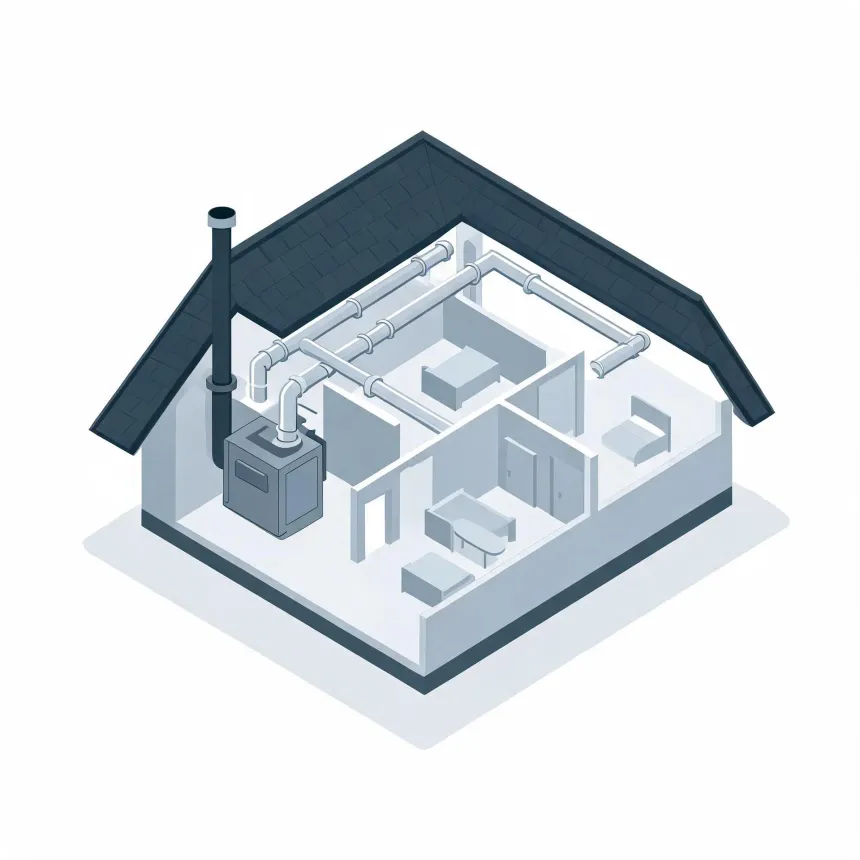
Isometric illustration of a cutaway house showing a dark furnace unit with a flue pipe and branching ductwork running through rooms with simple furniture under a dark gabled roof.
Your furnace works hardest from November through March.

NOAA nClimDiv, 1991–2020 normals

Furnaces in Murrysville go to work in October.

A furnace that's been sitting idle since spring will show its weak points in those first cold weeks.

Half the furnaces here are older than you'd think

Half the homes here were built by 1964
Climate zone 5A
Heat runs October through May

If your furnace came with the house, ask the technician when it was actually installed. A furnace can get swapped out once or twice over the years a house stands, so the house being old doesn't mean the furnace is. A repair call is the right time to find out. Have the tech look at what's actually in front of them and say whether it's got years left or whether you're close to replacing it, before you spend money on a part for a unit that's near the end anyway.

Had a storm come through? Get the system checked

If hail or wind came through recently and the furnace or the outdoor unit hasn't been looked at since, that's worth a call even if everything still seems to run fine. A tech can check the outdoor unit for dents or debris and confirm nothing was knocked loose before it turns into a bigger problem.

Find a contractor
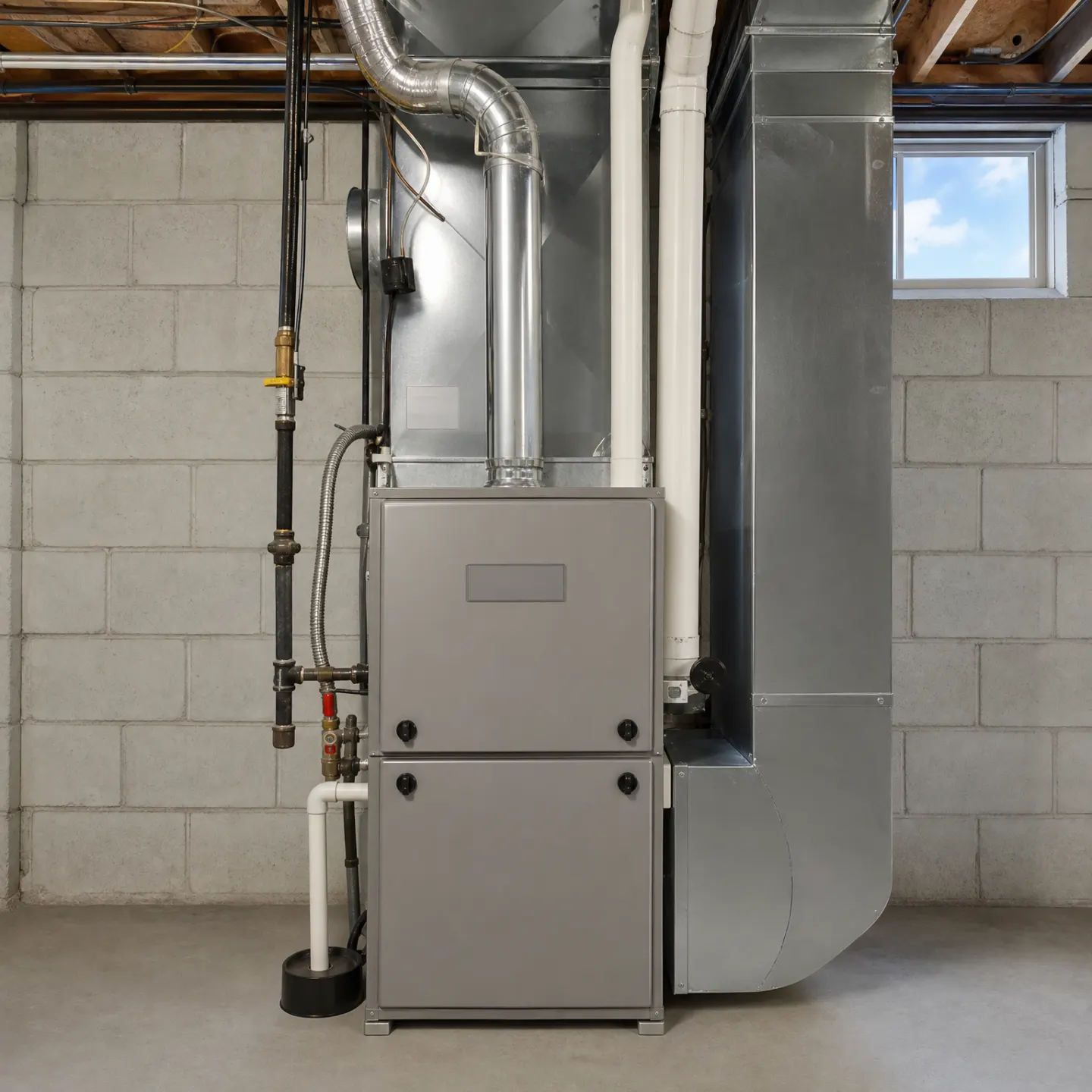
A gray high-efficiency gas furnace installed in an unfinished basement, surrounded by gas lines, a condensate drain, and sheet-metal ductwork.

What actually wears out

Most furnace failures trace back to a handful of parts. The igniter wears out from repeated heating and cooling cycles and eventually stops glowing hot enough to light the burners. The flame sensor coats with a thin layer of residue over time, and once it can't detect a flame, the control board shuts the gas off as a safety measure, even though the furnace would otherwise run fine. The inducer motor, which pulls exhaust out before the burners fire, can seize up or start drawing too much current, and the furnace won't start at all until it's replaced. Blower motor bearings wear down from years of spinning, and a failing one gets loud before it quits. Capacitors that help start the motors weaken with age and heat, and a weak one makes the blower struggle to start or run at the wrong speed. None of this happens suddenly from one bad day. It's wear that adds up every time the furnace cycles on and off, which it does many times a day across a whole season.

A cracked heat exchanger gets worse with every cycle

A small crack lets heat and exhaust gas leak into the air the blower pushes through the house. Running the furnace flexes the metal with every cycle, and that crack opens wider each time. A problem that started as a hairline split can grow into a safety hazard that shuts the whole system down for good.

A dirty flame sensor turns into a dead furnace

A sensor with a little buildup still senses enough flame to let the furnace run. Keep running it and the residue thickens until the sensor can't detect anything at all. At that point the control board cuts the gas every time, and what would have been a quick cleaning turns into a no-heat call.

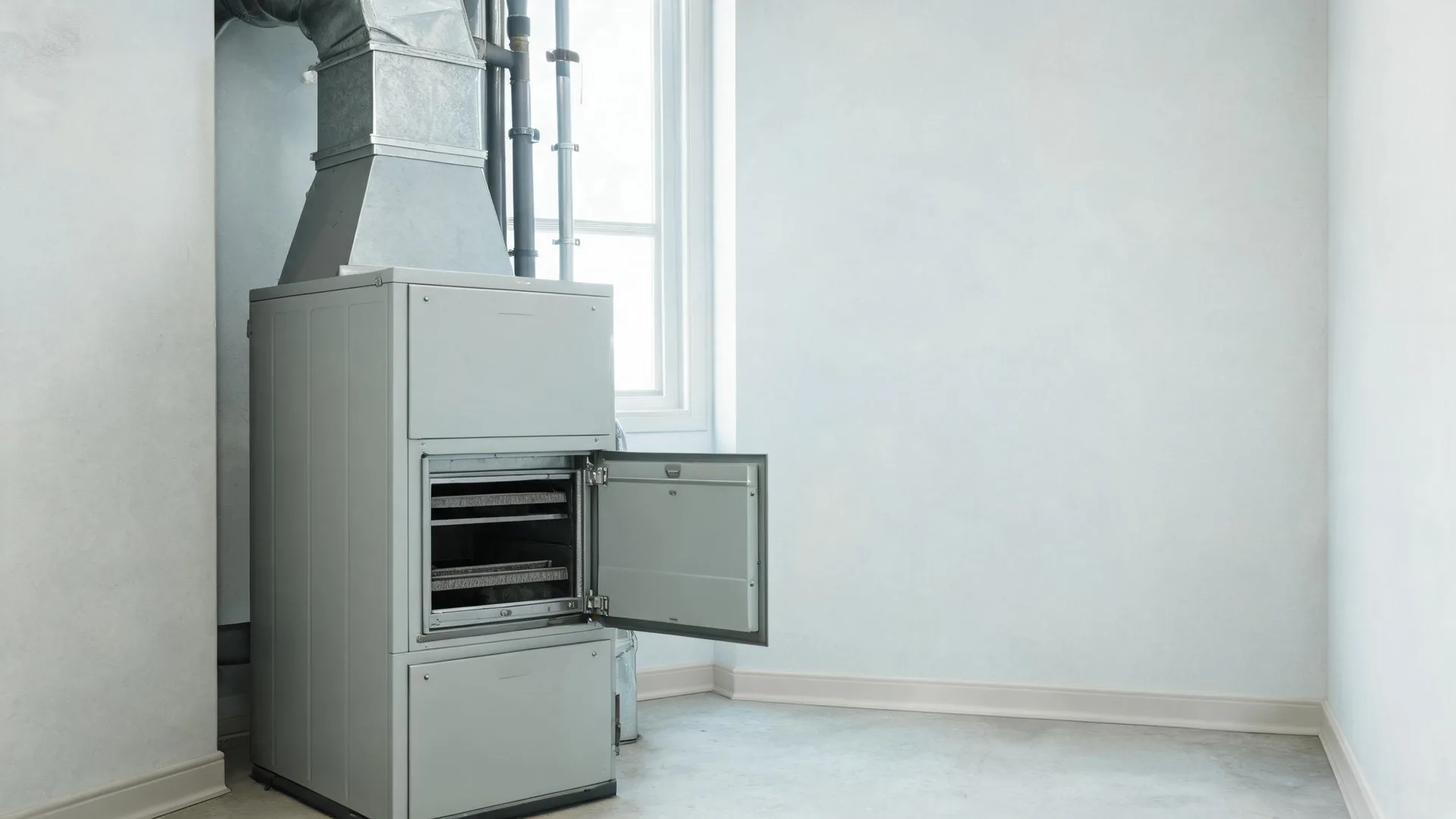
A bare concrete basement containing a gray gas furnace with metal ductwork and a vertical flue pipe, lit by a single hanging bulb.

A new furnace would cut about $150 a year off heating for a typical Westmoreland County home.

  • A new high-efficiency furnace$630 a year
  • An older furnace$780 a year

Estimates for a typical Westmoreland County home, compared with an older unit built to the previous federal minimum, from EIA household energy data, Pennsylvania fuel prices and NOAA climate normals. Your home will differ.

Repair makes sense when one part has failed and the heat exchanger is sound.

Replacement makes sense when the heat exchanger is cracked or the furnace keeps needing parts.

A repair call usually comes down to one part. A cracked heat exchanger, a failed control board, or a blower motor that's seized are different from a dirty flame sensor or a weak capacitor. The tech can tell you which kind of problem you've got once they've opened the unit up and looked. Age matters alongside that. A furnace with a lot of years on it that needs an expensive part is a different decision than a young one with the same failure, because the rest of the unit still has life in it either way. Ask what else is showing wear while they're in there, not just what broke this time. That answer tells you whether you're looking at a repair or the start of a pattern.