An unfinished basement containing a gas furnace with ductwork in the foreground and miscellaneous stored items along the far concrete wall.

Furnace Repair in Kittanning, PA

Tell us about the job

Takes about a minute. No obligation.

Step 1 of 3: Equipment

Eight months of real work

A furnace in Kittanning runs from October through May, and overnight temperatures average 21°F through December, January and February. That is a long season and a cold one, but it is the normal range these machines are built for, not something pushing yours past what it can handle.

So look for the usual cause

A furnace that is short cycling, blowing cold air, or not starting is almost always dealing with a worn igniter, a dirty flame sensor, a clogged filter, or a thermostat issue. Nothing about Armstrong County winters changes that. Finding which one it is, and fixing that part, is the job.

8 months
October through May, your furnace is on duty
21°F
the average winter night it heats against
74%
of homes here heat with gas, so most furnaces here burn gas
8 winter storms
in ten years, the nights a failure hurts most
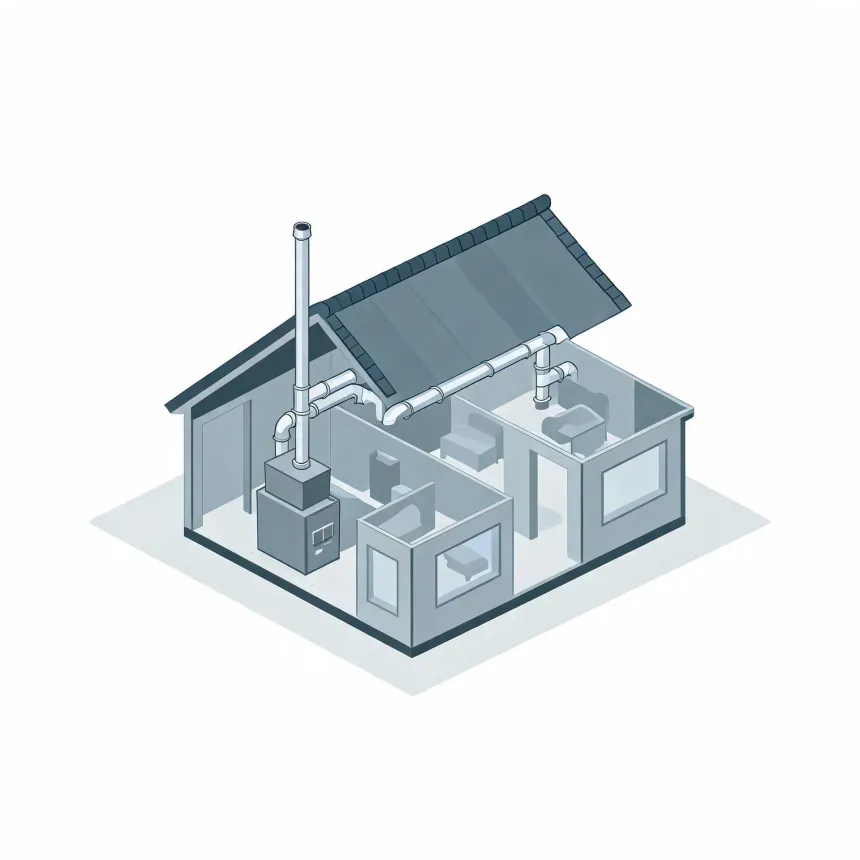
Isometric grayscale illustration of a cutaway house showing an interior furnace with a tall flue pipe and ductwork running to rooms under a partially lifted roof.
Your furnace works hardest from November through March.

NOAA nClimDiv, 1991–2020 normals

Furnaces in Kittanning sit idle all September, then start working in October.

A part that was already weak in September usually fails in October, once the furnace is running every day.

A furnace this age fails the same way here as anywhere

Heat runs October through May
Winter nights average 21°F
Climate zone 5A

Half the homes in Armstrong County were built in 1959 or earlier. If yours is one of them, the furnace itself is probably newer than the house. Furnaces get replaced over the years. Houses don't. But if yours happens to be the original or an old replacement that was never swapped out, it may be getting near the end of what it can do. A repair is an easy call on a furnace with years ahead of it. It's a harder one on a furnace that's already old. Worth asking the tech who comes out how much life is left in it before you decide.

Nothing unusual here. Get the real cause found and fixed.

Armstrong County sees its share of wind, hail and winter storms, same as a lot of places. None of it points to anything unusual going on with your furnace. The cause is likely one of the usual parts, and a tech can find it and fix it.

Find a contractor
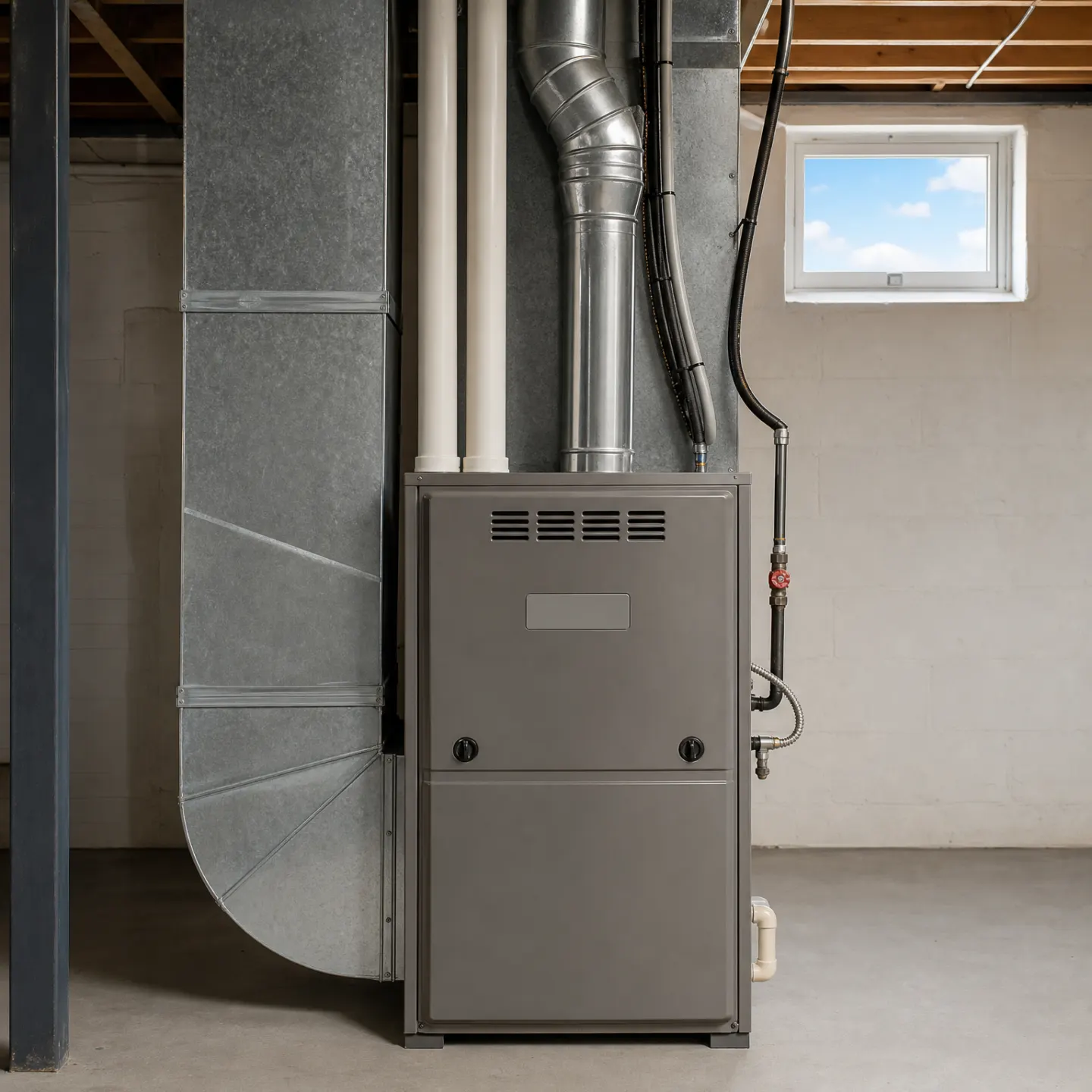
A gray residential gas furnace installed in an unfinished basement, surrounded by ductwork, a metal flue pipe, and a gas supply line.

What to check before the tech shows up

Before anyone comes out, check the simple things. Make sure the thermostat is set to heat and set a few degrees above room temperature, and check that it has power if it uses batteries. Go to the breaker panel and look for a tripped breaker, since a furnace that won't start at all is sometimes just that. Check the filter. A filter clogged with dust chokes off airflow, and some furnaces will shut themselves down rather than run with it blocked. If yours has a reset button on the body of the unit, it can be pressed once, but if it trips again after that, leave it alone rather than pushing it repeatedly. Look at the vent pipe outside where it exits the house and make sure nothing is covering or blocking it. If the furnace runs but the air feels cool, give it a few minutes before judging it, since the blower often starts before the air has fully heated. None of this fixes a cracked igniter or a failed pressure switch, but it rules out the things that aren't broken at all.

The igniter takes the most wear

Every cycle, the igniter heats up and cools down again, and that repeated swing is what eventually cracks it or burns it out. It's the part most likely to fail simply from normal use, not from anything going wrong elsewhere in the furnace.

A failed part can look like something else

A cracked igniter and a dirty flame sensor can both leave a furnace blowing cold air or shutting off early, and they're not fixed the same way. Telling them apart is the first step, and it's why the tech checks the parts in order instead of guessing at one.

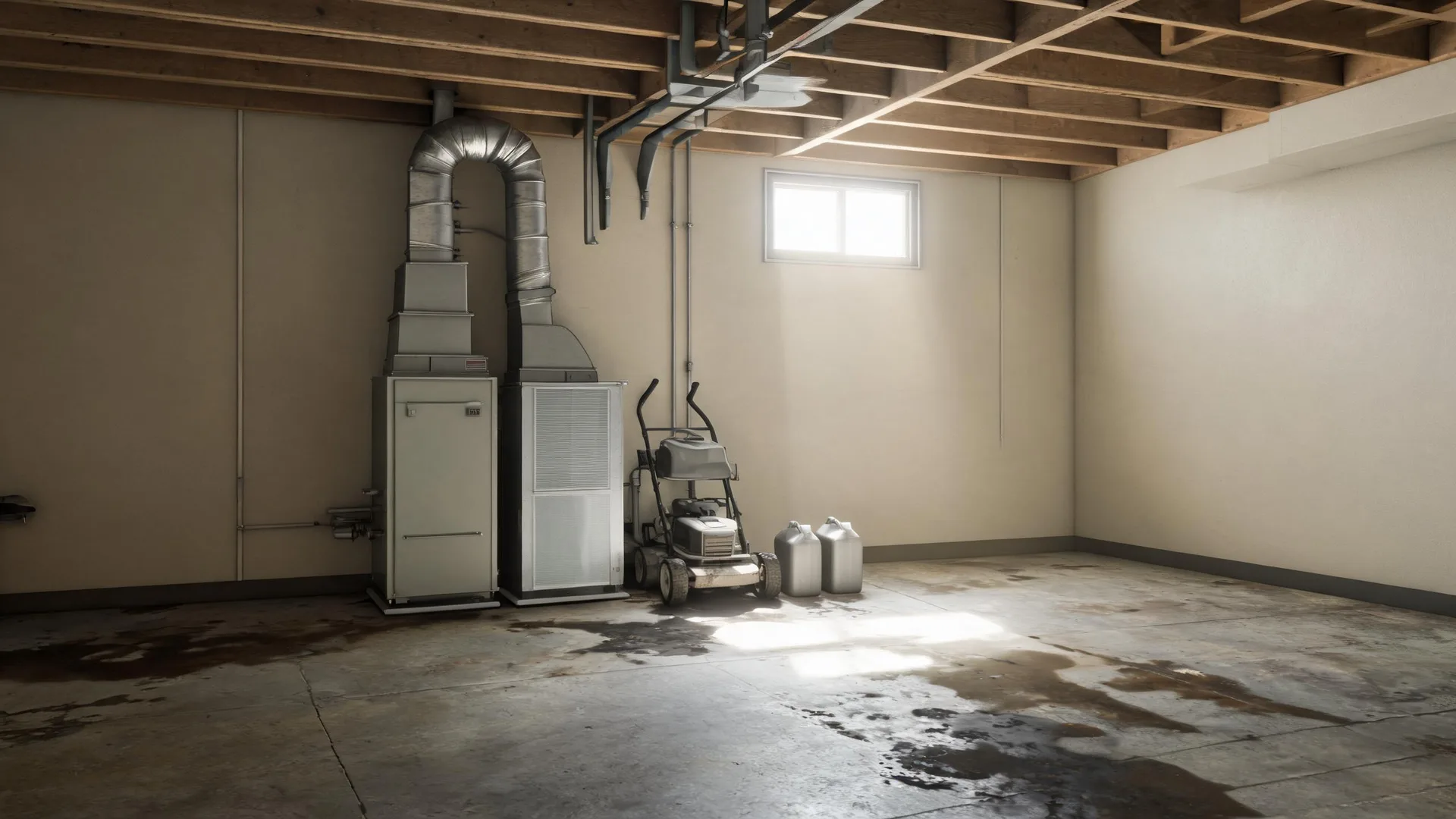
An unfinished basement interior showing a gray furnace unit beneath a bare incandescent bulb, surrounded by exposed joists, concrete walls, cardboard boxes, and utility pipes.

A new furnace would cut about $160 a year off heating for a typical Armstrong County home.

  • A new high-efficiency furnace$660 a year
  • An older furnace$820 a year

Estimates for a typical Armstrong County home, compared with an older unit built to the previous federal minimum, from EIA household energy data, Pennsylvania fuel prices and NOAA climate normals. Your home will differ.

Repair makes sense when one part has failed and the heat exchanger is sound.

Replacement makes sense when the heat exchanger is cracked or the furnace keeps needing parts.

A diagnostic visit starts with questions, not tools. The tech wants to know what the furnace was doing before it quit. Was it short cycling. Was it blowing cold air. Did it trip the breaker or make a noise it never made before. That history narrows things down before the panel even comes off. From there it is a set order, checking power and gas supply first, then the igniter, the flame sensor, the limit switch, the pressure switch, working from most likely to least. Each part gets tested, not guessed at. Once the failed part is found, the tech can say what it takes to fix it.