Most of Kittanning heats with gas
Utility gas heats 74.2% of occupied homes in Armstrong County. A gas boiler fits the fuel line most houses already have.
Takes about a minute. No obligation.
Utility gas heats 74.2% of occupied homes in Armstrong County. A gas boiler fits the fuel line most houses already have.
Swapping a gas boiler for another gas boiler uses the gas line, venting and water piping already in place. Switching fuels means adding what the house doesn't have.
Every boiler quote should name the size it's rated for and show the math behind it.
A boiler sized from square footage alone runs short on the coldest days or short-cycles on the mild ones.



Half the homes in Kittanning were built in 1959 or earlier. A boiler going into a house that old is going into whatever pipes, radiators and venting were installed for the system before it, not a blank slate. That's a reason to have the old system looked at room by room rather than sized off the square footage alone. If the house still has its original radiators or has been added onto since, the new boiler has to be matched to what's actually there now, not to what a house that age is assumed to have.
Heat here runs October through May, eight months straight. A boiler put in before October goes in on a day that works for you, with time to test it before it has to perform. Wait until the cold sets in and the job happens on whatever day the old one quits.
Find a contractor
A boiler doesn't get disassembled in place. It gets disconnected from the gas line, the vent and the water piping, then carried out as one unit. If it's too big to clear a doorway or stairwell in one piece, it gets cut down for removal, not for the install.
A cast iron boiler is heavy, and the installer hauling out the old one has to account for that weight before they ever schedule the day. Scrap haulers take the metal, and the water left in the old boiler and its piping has to be drained before anything moves.
A boiler is sized by working out how much heat a house loses on the coldest night, room by room, not by the square footage on the deed. That means adding up the walls, windows and ceilings that face outside, since a corner room loses more than one tucked in the middle of the house. Radiators and baseboard loops factor in too, because each one was built to put out a certain amount of heat, and the boiler has to match what they can deliver. Get the number too high and the boiler short-cycles, kicking on and off all day instead of running a long, steady burn. Get it too low and it runs flat out on the coldest days and still can't keep the far rooms warm. The math has a name, a Manual J load calculation, and any installer worth hiring should be able to show the work, not just hand over a number.
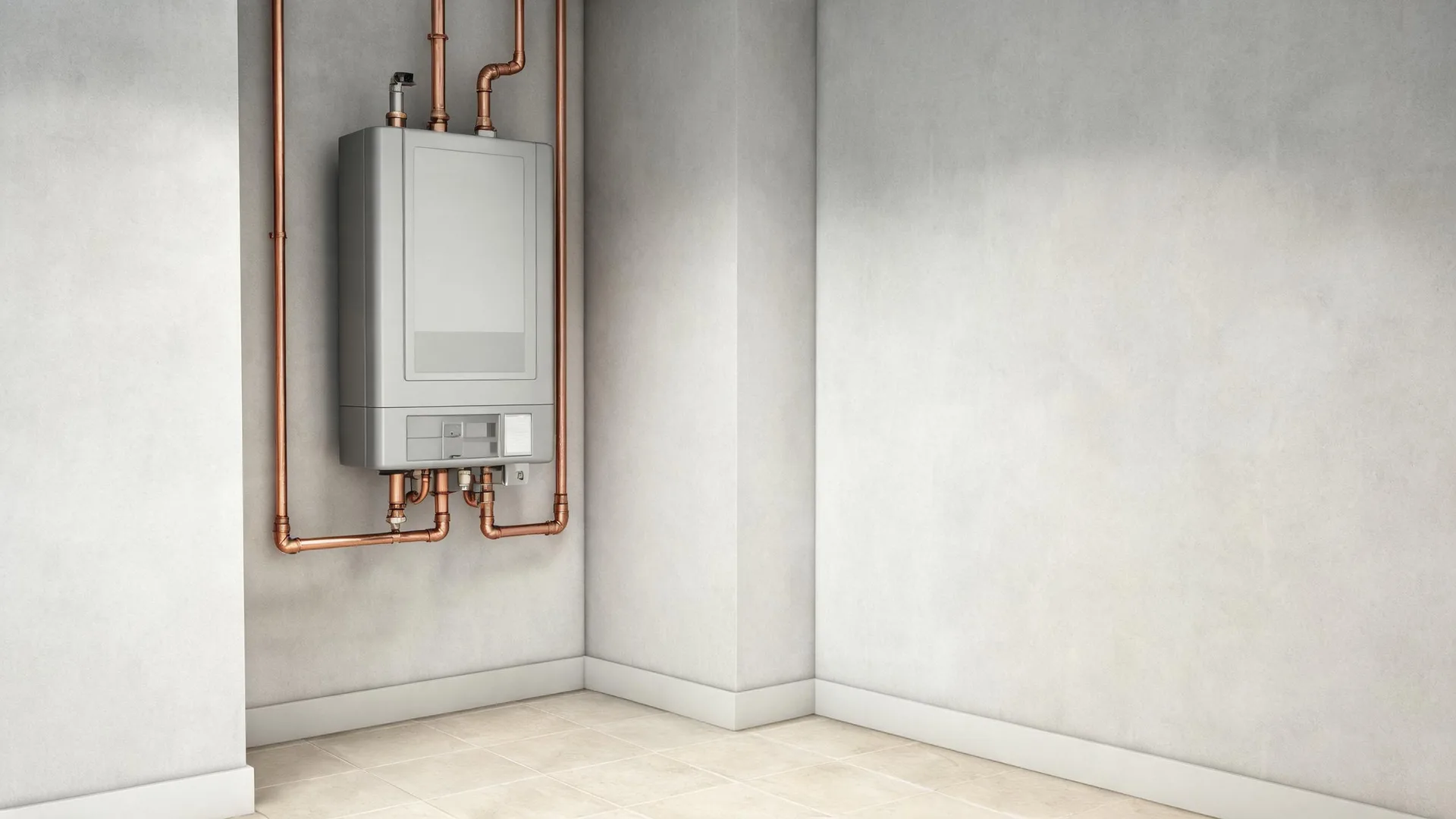
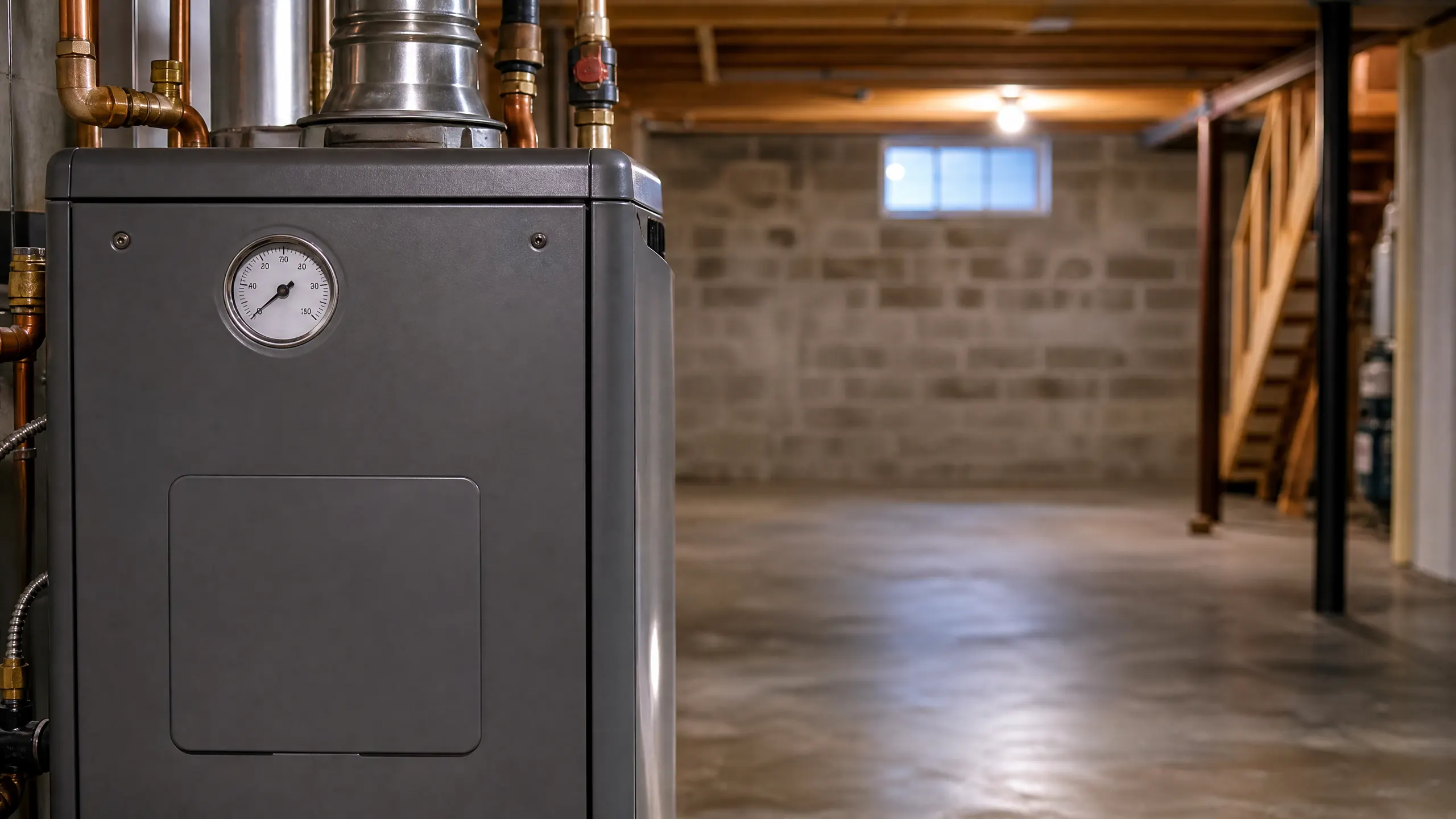
Installation day starts with the old boiler shut down and drained, then the new one gets set in place and connected to the gas line, the vent and the water piping. Every joint gets pressure tested before the system is filled, because a leak found now is a lot easier to fix than one found after the walls are closed up. Once it's filled, the installer purges the air out of the lines, since trapped air shows up later as a radiator that won't heat or a knocking sound in the pipes. The controls get set next, the aquastat and any zone valves, so the boiler fires when the house actually calls for heat rather than running long or short. Before the crew leaves, the system should run through at least one full heating cycle with someone watching the pressure gauge and checking every radiator or baseboard loop for heat. That last check is what tells you the boiler was sized and piped right, not just that it turned on.