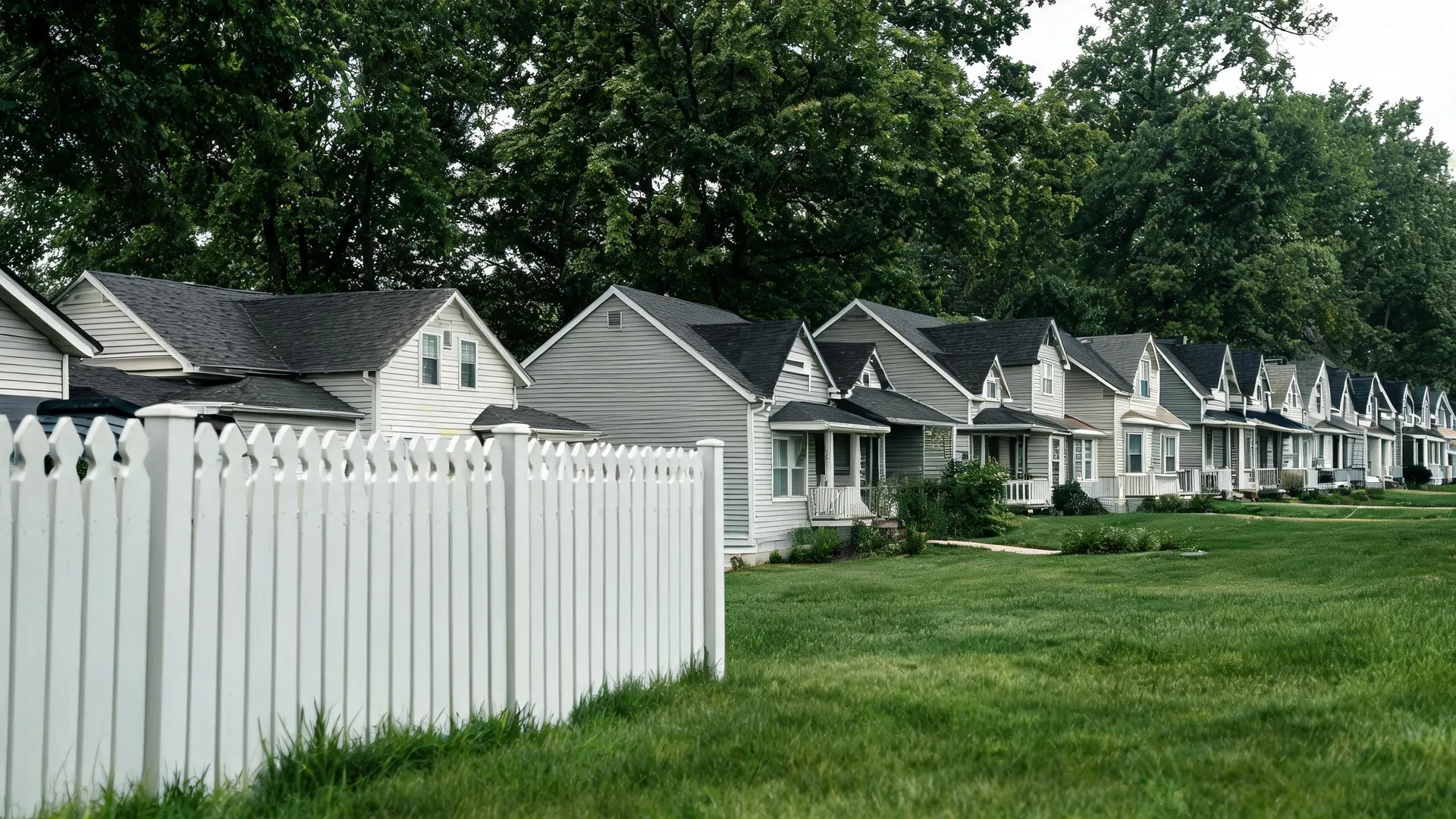
A row of similar single-story light-colored houses with gray gabled roofs behind a white picket fence and a mown lawn, with large deciduous trees behind them.

Boiler Installation in Murrysville, PA

Tell us about the job

Takes about a minute. No obligation.

Step 1 of 3: Equipment

Westmoreland County saw 546 severe weather events between 2015 and 2024. Most of that was wind, 441 events, with 59 hail events and 14 tornadoes mixed in. Add 29 winter storms with heavy snow and ice, and you've got weather that knocks out power in every season, not just one. Statewide, 15% of households went at least a day without power in 2024. A boiler needs electricity to run its igniter and circulator pump even though it burns gas, so when the power goes, most boilers stop with it.

Gas heats 65.3% of homes in Westmoreland County, more than any other fuel.

A gas boiler replacing a gas boiler means the gas line and venting are already there.

Half these homes were built before anyone thought about matching a boiler to the house

Half the homes here were built by 1964
Climate zone 5A
Heat runs October through May

Boilers here run eight months a year, October through May. That long a season is reason enough to get the new unit in before it has to work. Installing in September, the month before heat starts, means the contractor can size it, run it, and fix anything that needs fixing without you going without heat on a 23 degree night. Wait until the first cold snap and you're calling for a boiler the same week everyone else with an old one is too. Getting it done on your own schedule, not an emergency one, is the whole difference.

Plan for the outage before you plan the boiler

Ask the installer about battery backup or a transfer switch for the circulator pump and igniter before the install, not after the first outage. It's part of the same job, decided while the system is already apart.

Find a contractor

Ask what keeps it running without power

A standard boiler install wires the circulator pump and igniter straight to house current, same as before. Ask the installer what it would take to add a battery backup or a transfer switch for those two parts. That's a different question than asking about the boiler itself, and it changes what gets run and connected during the install.
Ask how it fires back up on its own

After an outage, some boilers relight and resume on their own and some need a manual reset at the control board. Ask which kind you're being quoted. If the control board needs a hand to restart it every time the power blinks, that's worth knowing before it's installed, not after.

A boiler is sized to the heat loss of the house, not to the square footage alone. The contractor works out how fast the house loses heat on the coldest day, based on the walls, the windows, the ceiling height, and how the rooms are laid out, then picks a boiler that can replace that heat at the same rate. Too big and it short cycles, kicking on and off instead of running a long steady stretch, which wears the burner and the heat exchanger faster than steady use would. Too small and it runs flat out on the coldest nights and still can't keep the far rooms warm. Radiators and baseboard loops also factor in, since a boiler feeding cast iron radiators behaves differently than one feeding baseboard, and the sizing has to account for which one it's connected to. None of this is a guess the contractor makes by eye. It's a calculation, done room by room, before the new unit is ever ordered.

Westmoreland County falls under zone 5A, a cool, humid climate where heating carries most of the load. Any gas boiler installed here has to meet the efficiency rule that comes with that: units made from January 2021 on have to turn at least 84 percent of the gas they burn into heat over the season. That rule narrows what a contractor can even offer you. It also means the boiler going into your house is already built to do more with the gas it uses than one installed a decade ago.