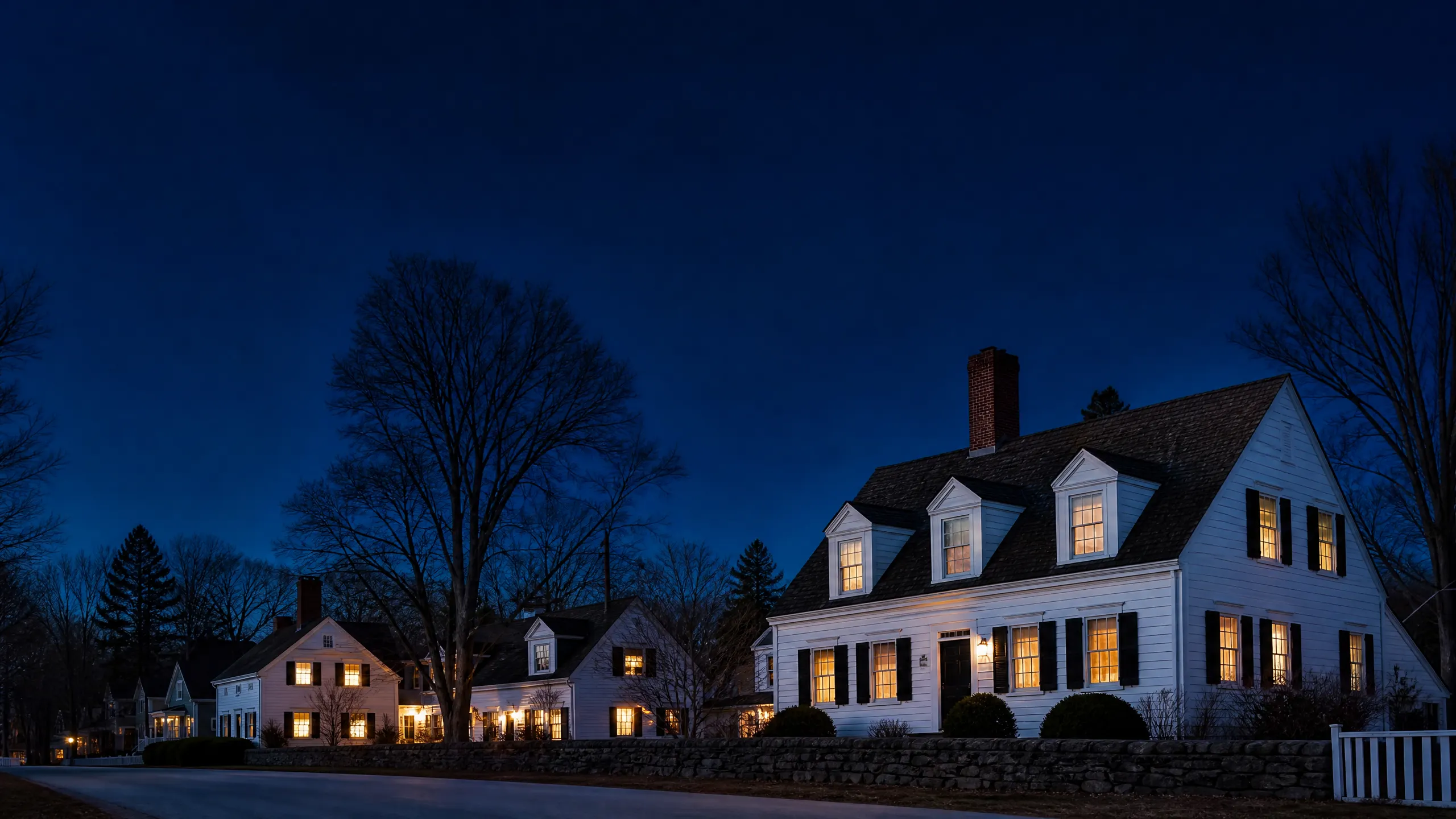
A row of illuminated white colonial houses photographed at twilight along a tree-lined road with a stone wall in the foreground.

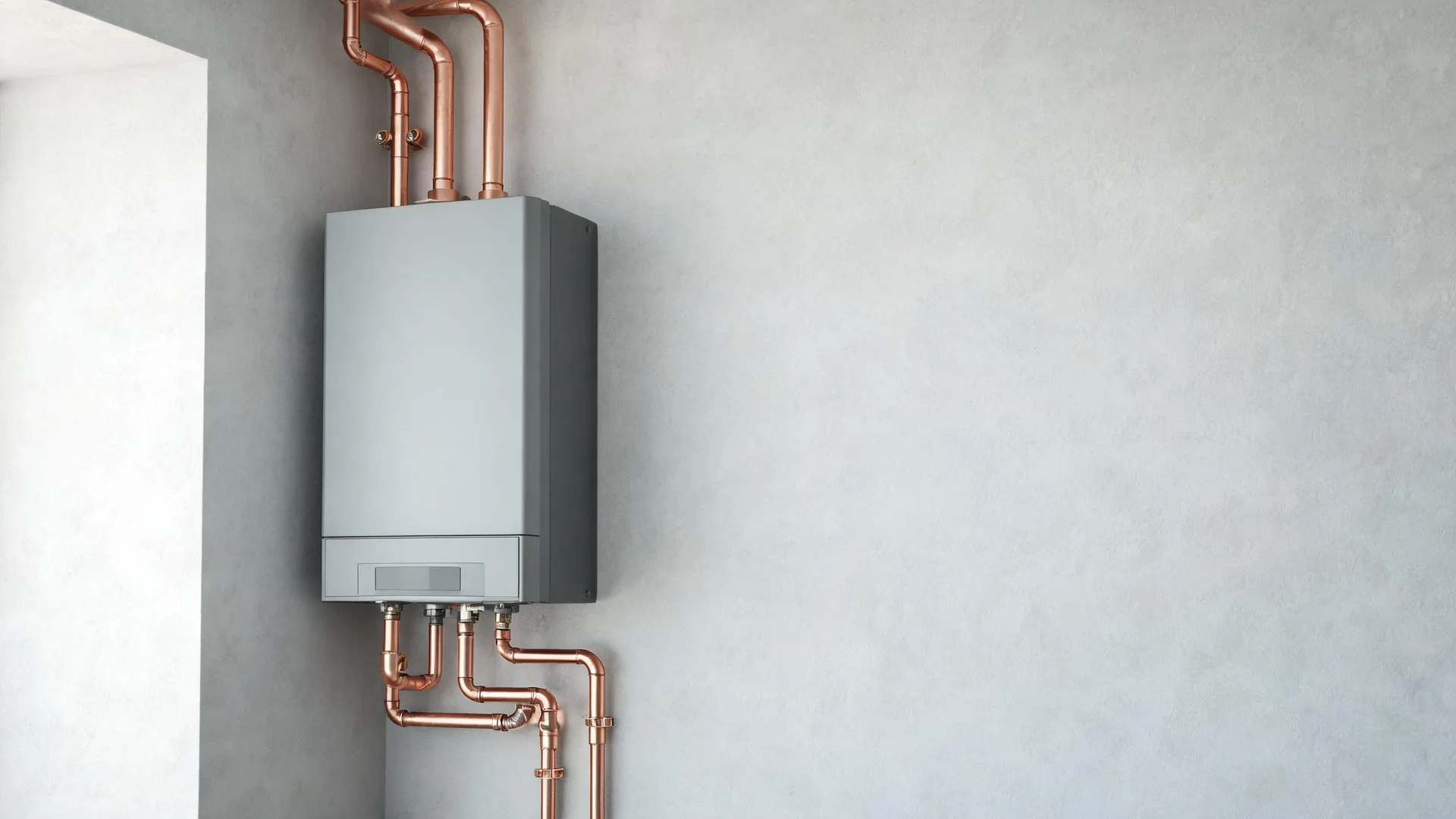
Boiler Installation in Washington, PA

Tell us about the job

Takes about a minute. No obligation.

Step 1 of 3: Equipment

Storms hit this county often

Washington County recorded 344 severe weather events between 2015 and 2024, including 263 cases of damaging wind, 59 hail events, and 12 tornadoes. Winter storms with heavy snow and ice struck 10 times in that span. Severe weather here is not a once-in-a-while thing.


Power doesn't always hold

Across Pennsylvania, 15% of households went at least a full day without power in 2024. A boiler needs electricity to run its controls and circulator even though it burns gas for heat, so an outage can leave a house without heat or hot water no matter how the boiler is fueled.

Half the homes in Washington County were built in 1966 or earlier.

A boiler going into a house that age has to match the piping and radiators already in it, not just the floor space.

Gas heats most homes here, and most boilers follow it

66.5% of homes heat with gas
Climate zone 5A
Heat runs October through May

Washington County sits in climate zone 5A, where winter heat is the main job a boiler has to do. Any gas-fired hot water boiler manufactured on or after January 15, 2021 has to turn at least 84 percent of the gas it burns into heat over the winter. That rule narrows the field before a homeowner even starts comparing brands. A federal tax credit is available for qualifying high-efficiency boilers, worth asking about when pricing out the options.

Plan the installation around the outages, not just the heat

A new boiler is a chance to decide where it sits and how it is protected before the next storm, not after. Ask what happens to heat and hot water here when the power drops, and what it would take to keep them on.

Find a contractor
A man in a dark jacket and tan pants, seen from behind, carries a canvas tool bag up concrete steps toward a blue front door of a house with light horizontal siding and a potted shrub in a blue planter.

The boiler itself is one line item

The unit price depends on output size and venting type, but that's only part of the job. Piping, the expansion tank, the circulator pumps, and the controls all add labor and material on top of the boiler. A straight swap where the new unit matches the old one in size and venting costs less than a change in fuel type or boiler category, because that can mean new venting, new gas line sizing, or electrical work to feed the controls.

Matching the system costs more than matching the room

A boiler has to be sized to the radiators or baseboard already running through the house, not just the square footage being heated. Oversizing wastes fuel and causes short cycling, which wears out the burner and controls early. Undersizing means the boiler runs constantly and still can't keep up on the coldest days. Getting that sizing right usually means a contractor doing a heat loss calculation on the house, not just measuring the old boiler and buying the same output again.

A few questions matter more than the sticker price. Ask what happens when power cuts out, since every boiler control board and circulator pump needs electricity even on a gas unit, and some setups can run on a small backup source while others can't. Ask whether the venting is natural draft or sealed combustion, because that decides what kind of pipe runs where and whether a chimney is even needed. Ask what the standby losses look like, since a boiler that keeps water hot and ready all the time burns fuel differently than one that fires only on demand. Ask how the system stages its output, because a boiler that can throttle down on a mild day wastes less fuel than one that only runs at full fire or not at all. And ask who is doing the heat loss calculation on the house, because a quote based on guesswork is not really comparable to one based on measurement.

Heat here starts in October and runs through May, eight months out of the year. That leaves a narrow stretch, basically September, to get a new boiler in before it has to work. Doing it then means the contractor can size the system, order the right parts, and test it with no one standing around in a cold house waiting on hot water. Wait until the first cold snap and the job happens on the boiler's schedule instead of yours, often with space heaters running in the meantime. The old unit may still be limping along in September, but that's the point. You want it replaced while it still works, not after it quits.