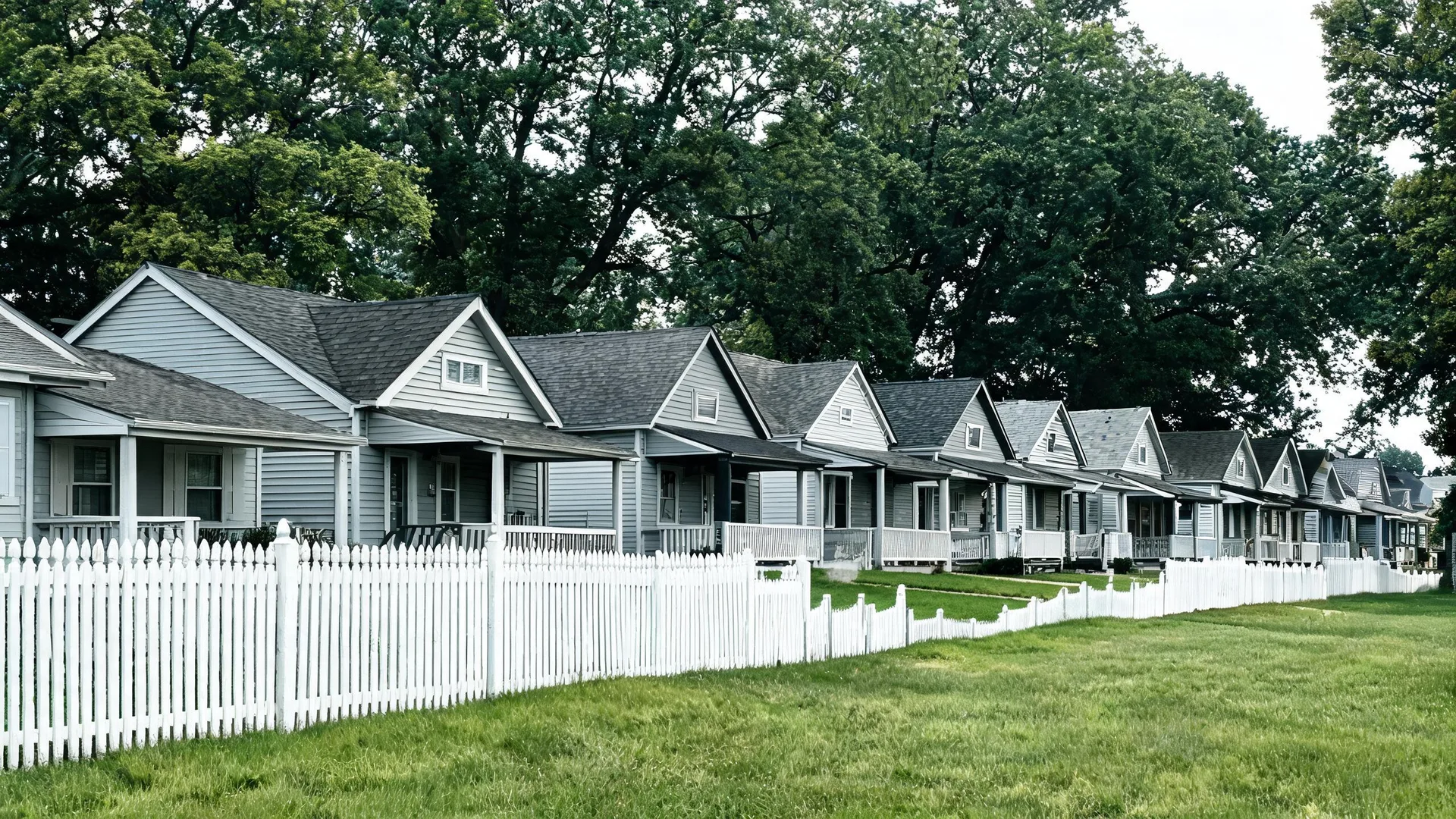





A row of similar small gray single-story houses with gabled roofs and porches behind a white picket fence, with mown grass in the foreground and large deciduous trees behind.

Boiler Installation in Economy, PA

Tell us about the job

Takes about a minute. No obligation.

Step 1 of 3: Equipment

Gas heats 70.2% of homes in Beaver County, the most of any fuel by far. Electricity is a distant second at 16.0%, with oil, kerosene and propane making up the rest. If your boiler runs on gas now, replacing it with another gas boiler is the straightforward route, since the gas line and venting are already in place. Switching to a different fuel means new lines or new venting, and that's a separate conversation with whoever installs it.

Boilers in Economy go to work in October and run through May.

Replace it in September and the new one is already broken in when the cold shows up.

A standard boiler sized right is all this climate asks for

Heat runs October through May
Winter nights average 23°F
Climate zone 5A
Built for Economy winters, nothing moreBeaver County saw 9 winter storms between 2015 and 2024. A standard boiler handles that.

Half the homes in Beaver County were built in 1957 or earlier. A boiler going into a house that age is likely replacing one that's been there a long time, on piping and radiators sized for whatever came before it. Whoever installs the new one needs to size it to that existing piping and those radiators, not just match the old boiler's rated output. Get that sizing right and a standard boiler does the job this climate asks of it.

The new boiler has to meet a 2021 efficiency standard

Any gas boiler installed in Beaver County now has to hit at least 84 percent AFUE. That standard also lines up with a federal tax credit on qualifying high-efficiency equipment. Worth asking whoever quotes the job which models clear both marks.

Find a contractor
A man in a cap, dark shirt and tan work pants, seen from behind, carries a canvas tool bag up steps toward a blue front door beside a potted shrub.

Sizing comes from a heat loss calculation, not the old boiler's rating

A contractor works out how much heat a house actually loses on the coldest days, room by room, using the walls, windows and radiators that are there. That number sets the size, not whatever the boiler being replaced happened to be rated for. The old one may have been wrong from the day it went in.
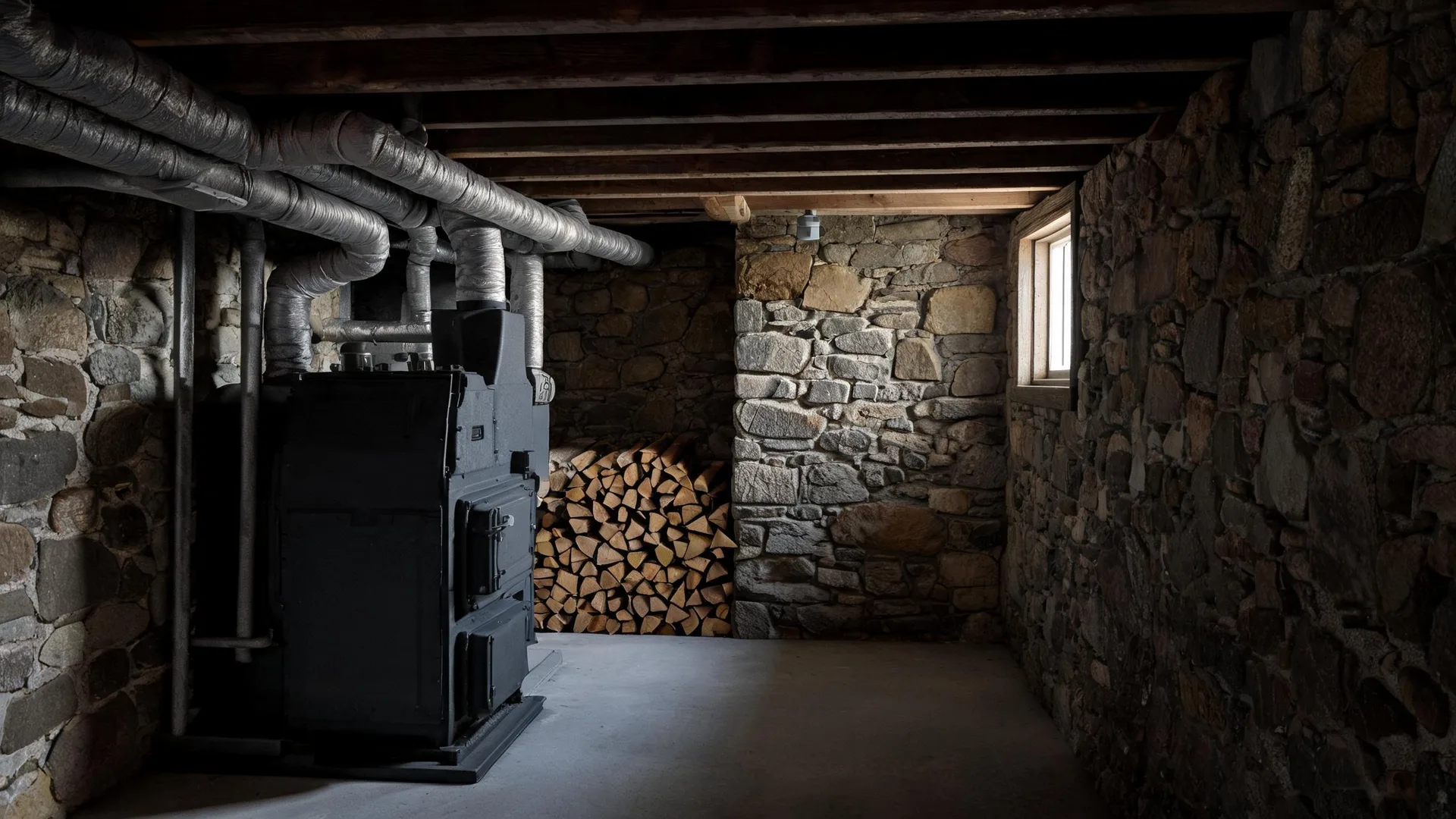
Oversized runs rough, not just undersized

A boiler that's too big satisfies the thermostat fast and shuts off, then fires again a few minutes later. That short cycling wears the burner and controls harder than a boiler that runs longer, steadier stretches. Too small just runs long on the coldest days and struggles to keep up. Too big never settles into a rhythm.

Venting is one of the bigger cost swings on a boiler job. A standard efficiency boiler vents through a metal flue into a chimney. A high efficiency condensing boiler vents through plastic pipe out a sidewall, which means new venting has to be run regardless of what the old boiler used. The piping inside the house matters too. If the system is steam, the contractor is fitting new equipment to old near-boiler piping that has to be configured a particular way for the boiler to work right, and that takes more labor than a straightforward swap on a hot water system. Where the boiler sits and how far it has to run to reach the chimney, the gas line and the existing pipes all factor in before anyone gets to the equipment itself.

Installation day starts with the old boiler coming out, and that's its own job before the new one goes in. The water gets drained, old piping gets disconnected, and if it's a steam system the near-boiler piping often gets rebuilt rather than reused. Once the new boiler is set in place, the contractor connects it to the gas line, the venting, and the existing distribution piping, then pressure tests the gas connection before anything gets fired. Electrical and controls come next, including the thermostat wiring and any safety controls like the low water cutoff. The system gets filled with water and purged of air, since trapped air in the lines causes noise and uneven heat later. Only after all of that does the contractor fire the boiler, check the flue draft, and let it run through a full cycle to see that it's heating and shutting off the way it should.