Gas is the default here
Gas heats 70.2% of the homes in Beaver County. If your old furnace ran on gas, keeping the new one on gas is usually the straightforward path, since the gas line and venting are already in place.
Takes about a minute. No obligation.
Gas heats 70.2% of the homes in Beaver County. If your old furnace ran on gas, keeping the new one on gas is usually the straightforward path, since the gas line and venting are already in place.
A gas furnace swap goes faster when the line, vent and gas meter capacity are already sized for it. If you're switching fuels instead, say so up front, since that changes what the installer needs to check before giving you a number.
NOAA nClimDiv, 1991–2020 normals
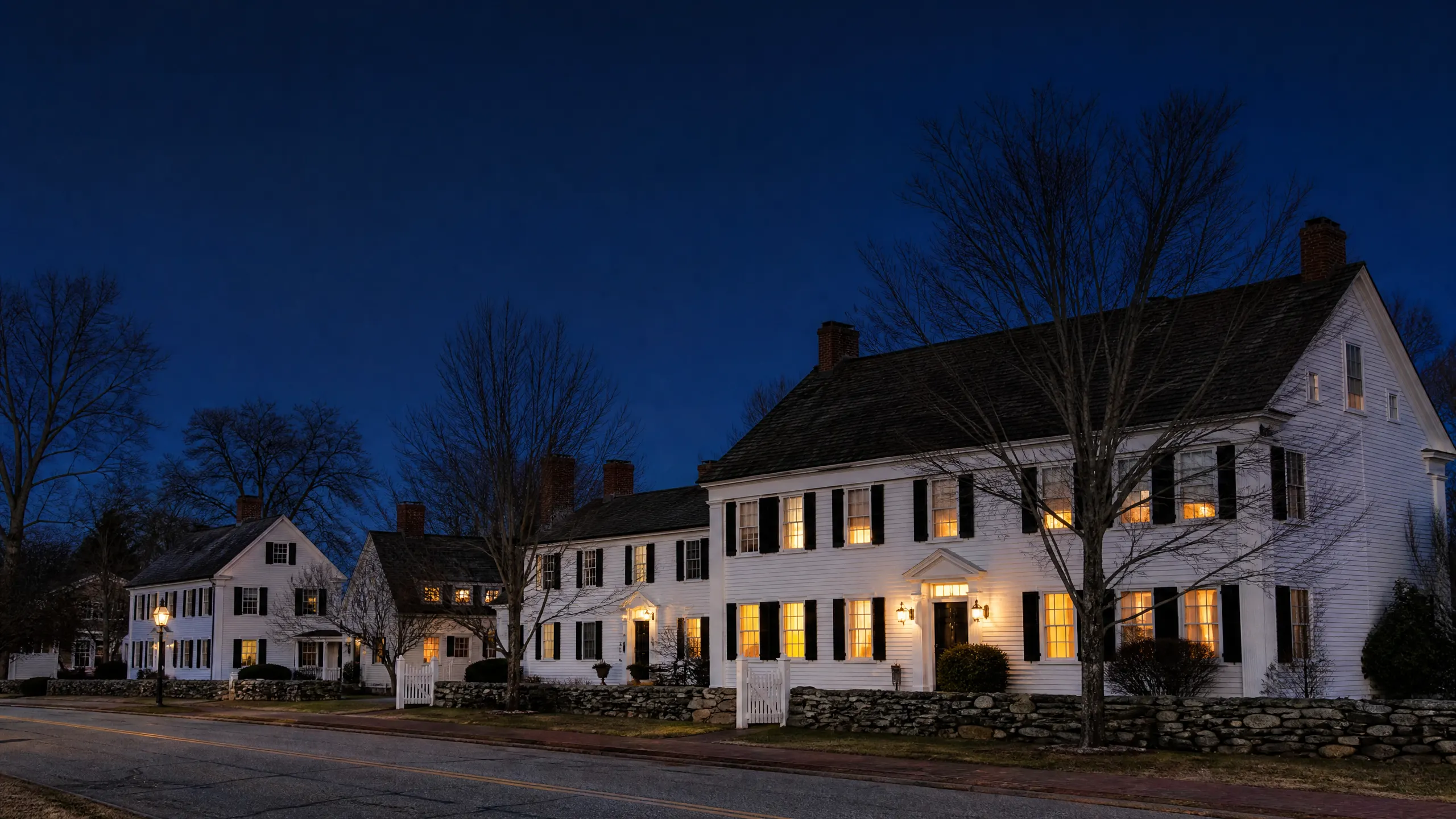
Half the homes in Beaver County went up in 1957 or earlier.
A furnace going into a house that old has to match the duct run and venting already there, not a generic spec sheet.




Natural gas ran $13.12 per million Btu in Pennsylvania in 2024. That number matters less for which furnace you buy than you'd think. A standard efficiency unit, sized right for your house, handles this fine. There's nothing about gas prices here that pushes you toward a pricier high-efficiency model or a bigger unit than the one you're replacing. Get the size right for your square footage and duct run, and the standard option does the job.
If you're replacing a system in an older house, the new one has to fit the house you have.
Find a contractor
Furnace runs October through May here. That's the bulk of the calendar, not a stretch of cold snaps. A standard furnace sized to your house handles that load fine, winter after winter. Overnight lows average 23°F across December, January and February, which is a normal demand for a furnace to meet, not a reason to size up or pay for extra efficiency. The system doesn't need to be unusual. It needs to be sized right and installed to match the house it's going into.
AFUE tells you how much of the gas you burn turns into heat in your house versus what goes out the flue. A higher number means less wasted fuel over the life of the furnace. It says nothing about how evenly your house heats or how fast a room warms up. Duct design and sizing control that, not the rating on the label.
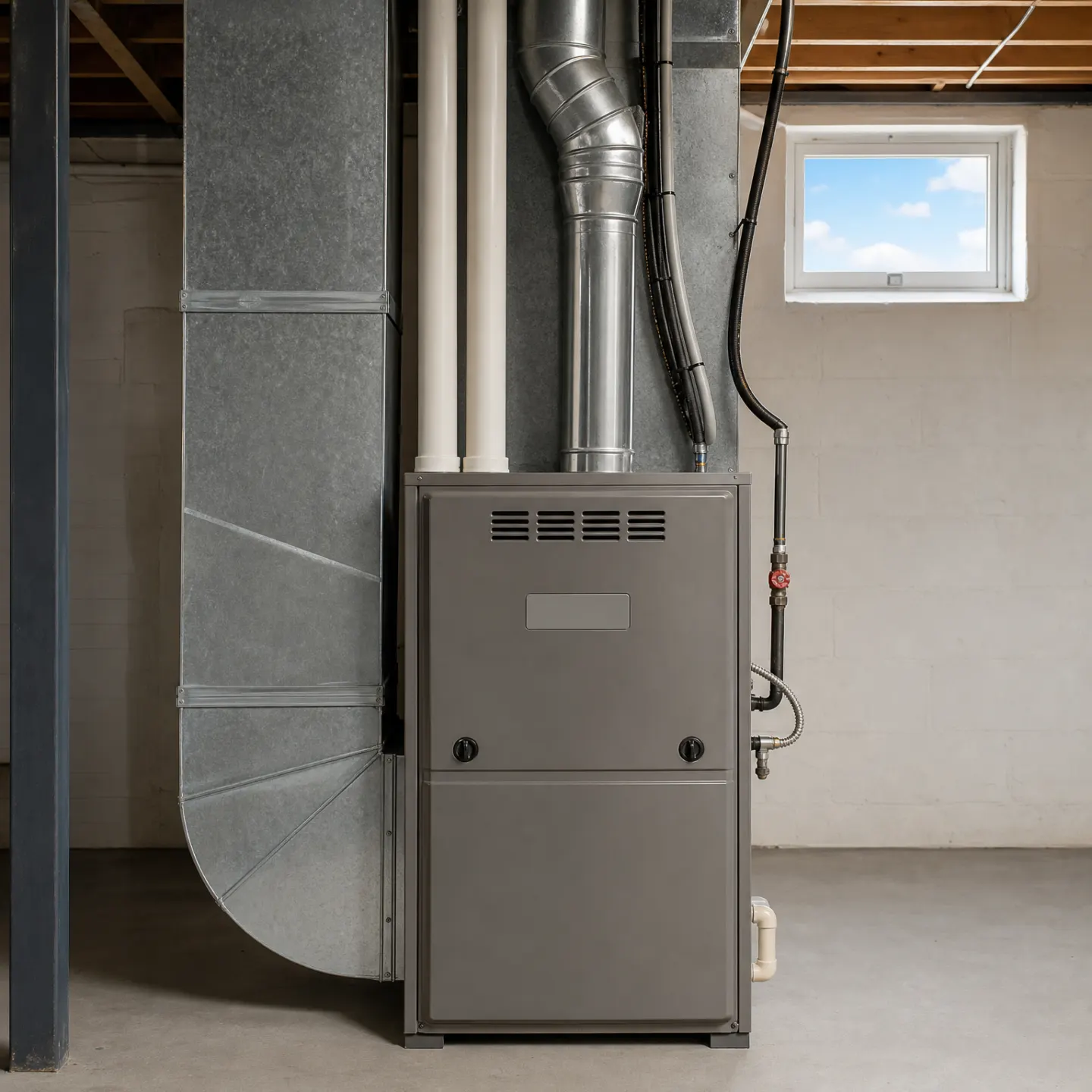
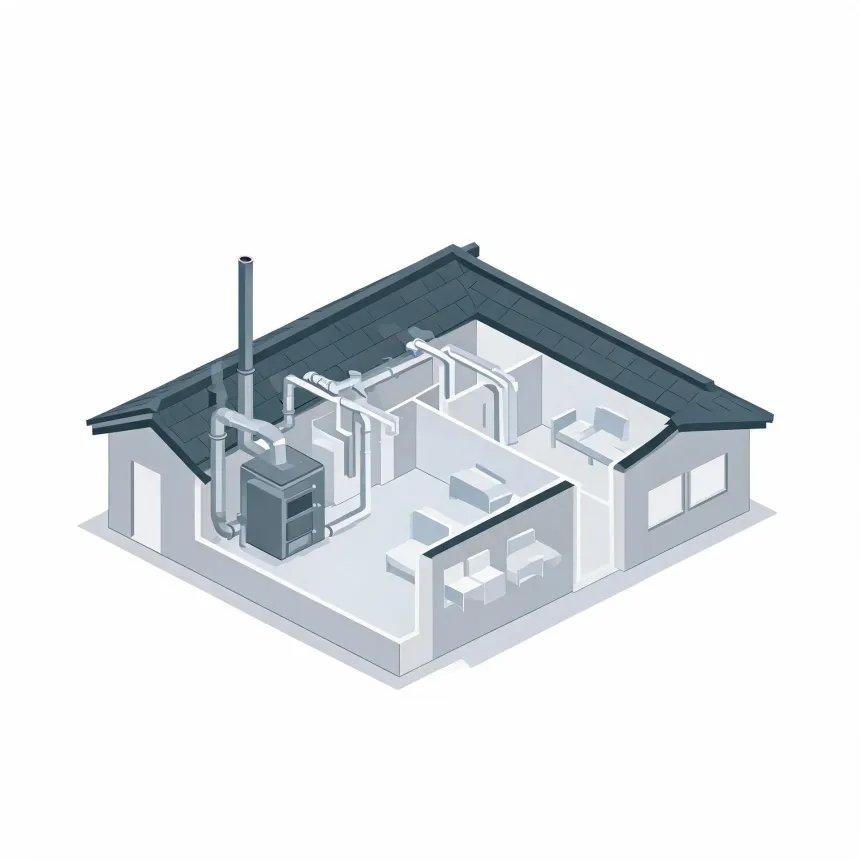
Standard efficiency furnaces vent through a metal flue because the exhaust is still hot enough to rise on its own. High efficiency models cool the exhaust enough that it has to vent through plastic pipe out a sidewall instead. That's a different installation, not just a different furnace, since the installer has to run new venting rather than reuse what's there. Ask about that before comparing quotes on price alone.
Estimates for a typical Beaver County home, from EIA household energy data, Pennsylvania fuel prices and NOAA climate normals. Your home will differ.
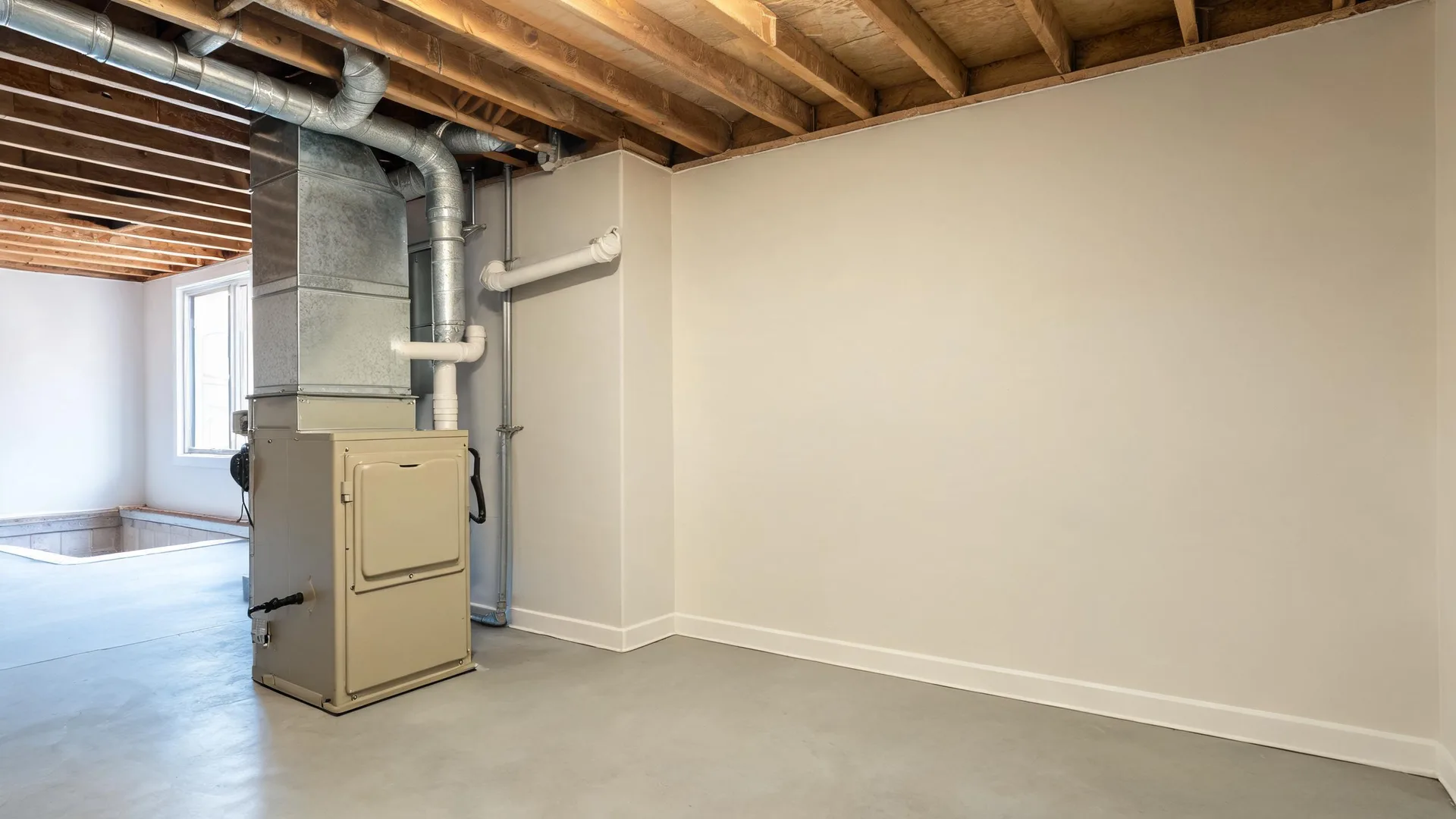
Installation day starts with the old furnace coming out. The installer disconnects the gas line, the venting and the ductwork connections, then pulls the unit before anything new goes in. Once the space is clear, they check the duct trunk and the return against the new furnace's airflow rating. A furnace moves air at a certain rate, and the ducts have to keep up without straining. The new unit gets set, leveled and connected to the gas line, the venting and the ducts. Gas pressure gets tested and the venting gets checked for proper draft before anything is sealed. Then comes startup. The igniter fires, the burners get checked for an even flame, and the system runs a full cycle while the installer checks the temperature rise against the rating on the furnace. None of that depends on which furnace you picked. It depends on doing each step in order and checking it before moving to the next.