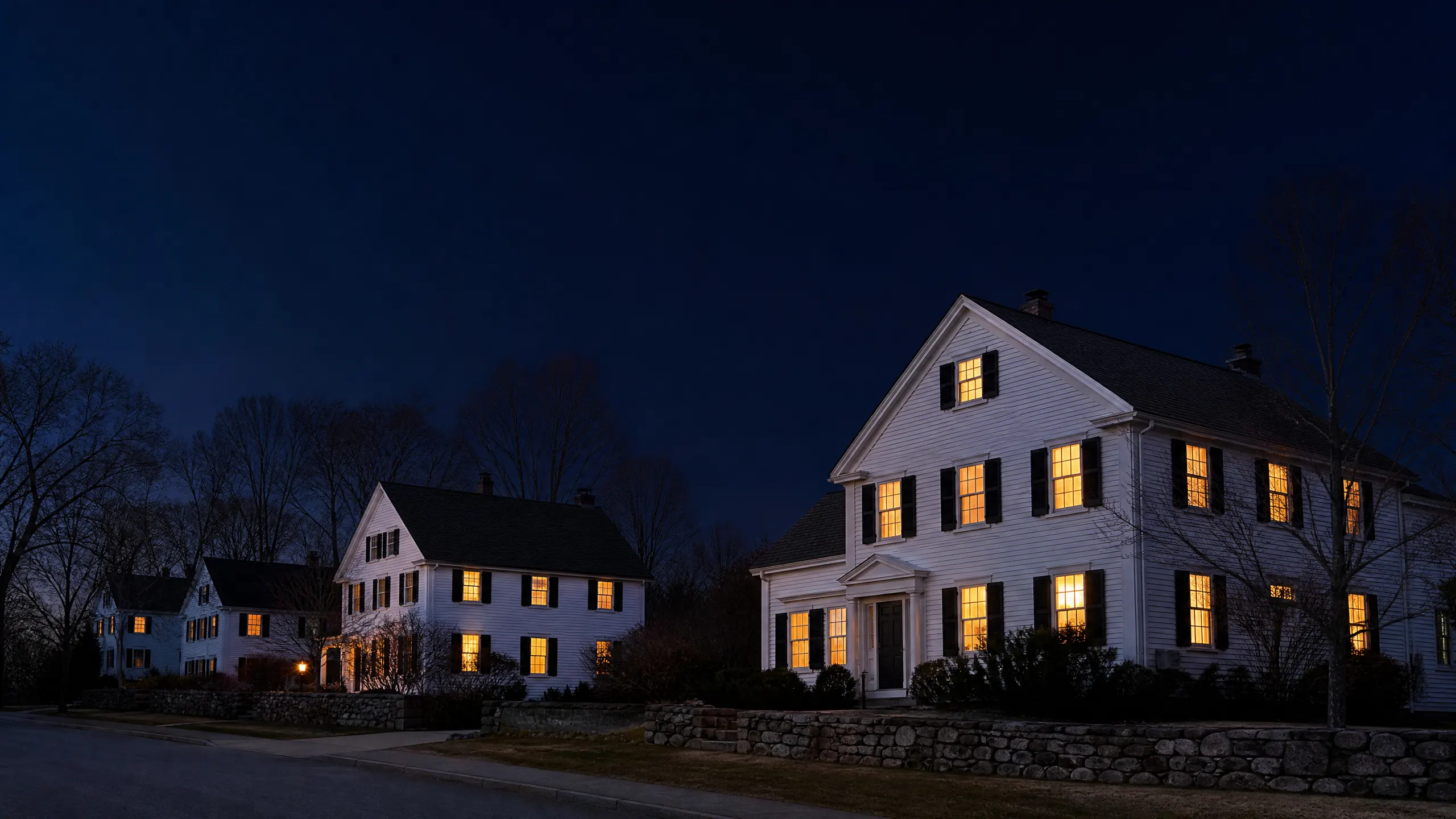


Two white multi-story colonial houses with lit windows and black shutters photographed at night, fronted by a stone wall.

Furnace Installation in New Castle, PA

Tell us about the job

Takes about a minute. No obligation.

Step 1 of 3: Equipment

Most homes in Lawrence County heat with gas, 57.2 percent of them. If your old furnace burns gas, putting in another gas furnace is usually the straightforward call, since the gas line, the venting and the gas meter sizing are already set up for it. Electric heat is next most common here at 25.2 percent, and fuel oil heats another 10.1 percent of homes. If you're on oil or electric and want to switch to gas, that's a bigger job, since it means running a new gas line and venting where none exists. Worth finding out early which camp your home is in before you start pricing anything.

8 months
October through May, your furnace is on duty
22°F
the average winter night it heats against
57%
of homes here heat with gas, so most furnaces here burn gas
80% AFUE
the federal minimum any new unit must meet
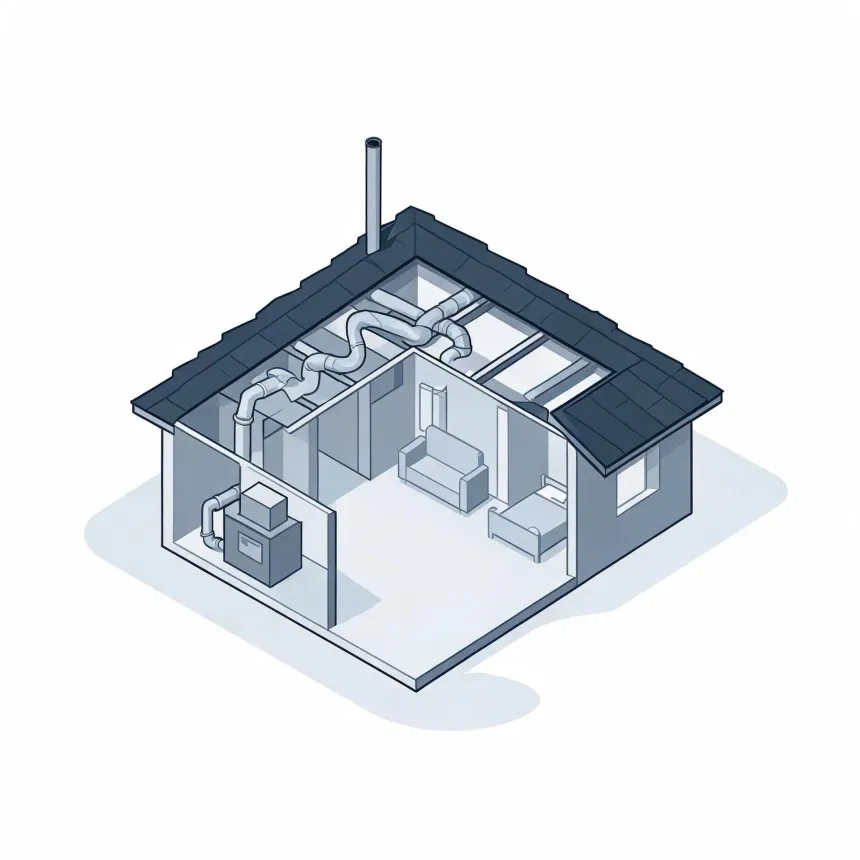
Isometric cutaway illustration of a small house showing a furnace unit connected to ductwork running through the interior and attic, with a chimney on the shingled roof and simple furniture in the rooms.
Your furnace works hardest from November through March.

NOAA nClimDiv, 1991–2020 normals

Natural gas ran $13.12 per million Btu in Pennsylvania in 2024.

A correctly sized furnace matters more here than squeezing out extra efficiency.

New Castle furnaces work eight months a year, and nights get down to 22°F

Heat runs October through May
Winter nights average 22°F
Climate zone 5A
A furnace built to run through what this county seesLawrence County saw 155 damaging wind events between 2015 and 2024.

Half the homes in Lawrence County were built in 1957 or earlier. A furnace going into one of those houses is going into a place that was never built around central heating in the first place. Ducts may have been added later, routed through closets or dropped ceilings to make it work, and that routing affects how air moves through the house no matter how good the furnace is. If your system came with the house, it's worth finding out whether the ductwork is original to the furnace or older still. The right size furnace for your house depends on what it's feeding, not just the square footage.

Get it in before October

Heat starts in October here and runs through May, eight months straight. September is the month to get a new furnace in, while you can still pick the install date instead of waiting on the first cold snap to force it.

Find a contractor
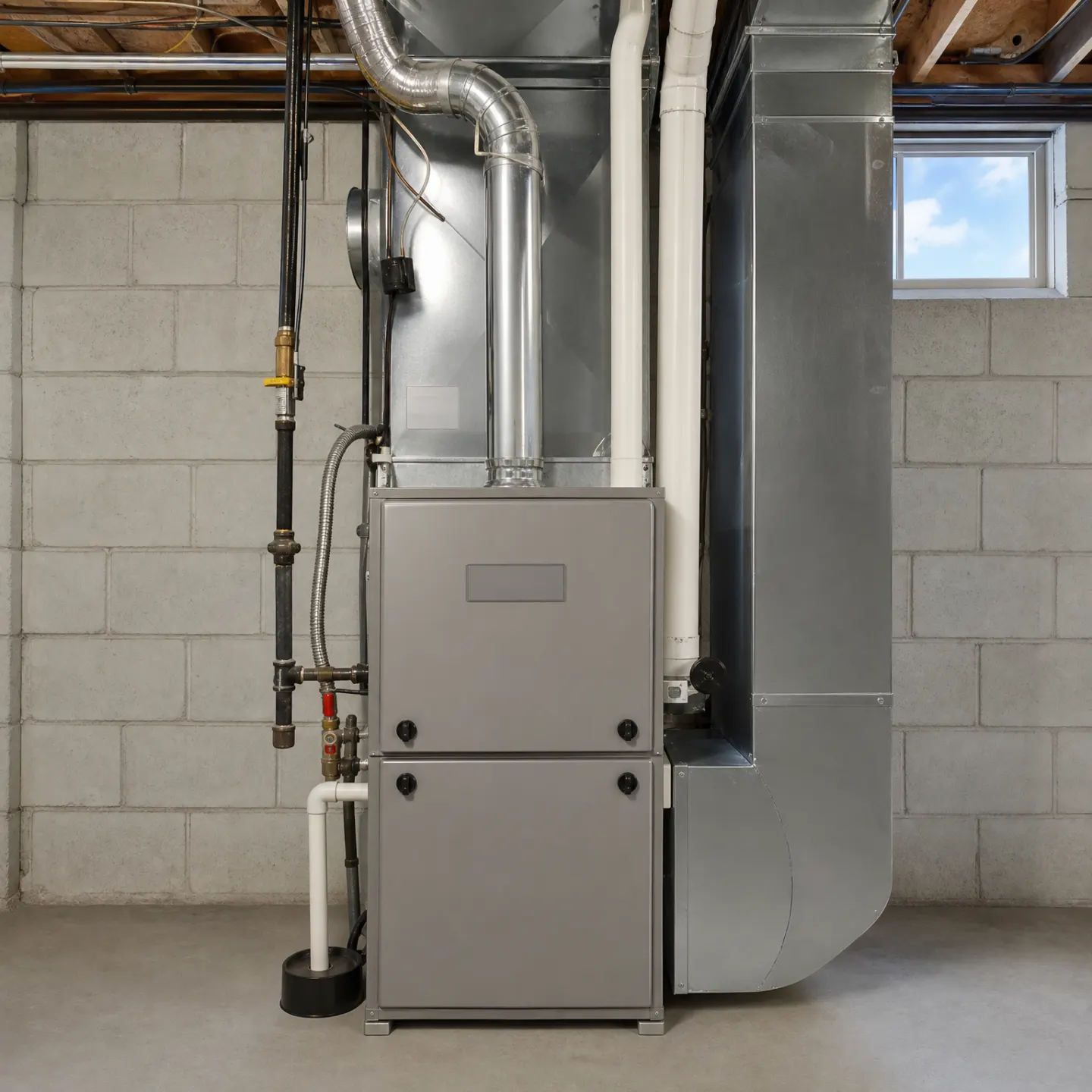
A gray high-efficiency gas furnace installed in an unfinished basement, surrounded by gas lines, a condensate drain, and sheet-metal ductwork.

Size it to the ductwork, not the square footage

A load calculation before installation catches what a square footage estimate misses. If the ductwork is original to the house, an installer sizing from scratch can check whether it can still handle a properly sized furnace, or whether some of it needs work too. Skipping that step is how a furnace ends up too big for what it's feeding, which short cycles and wears out parts faster than running steady would.

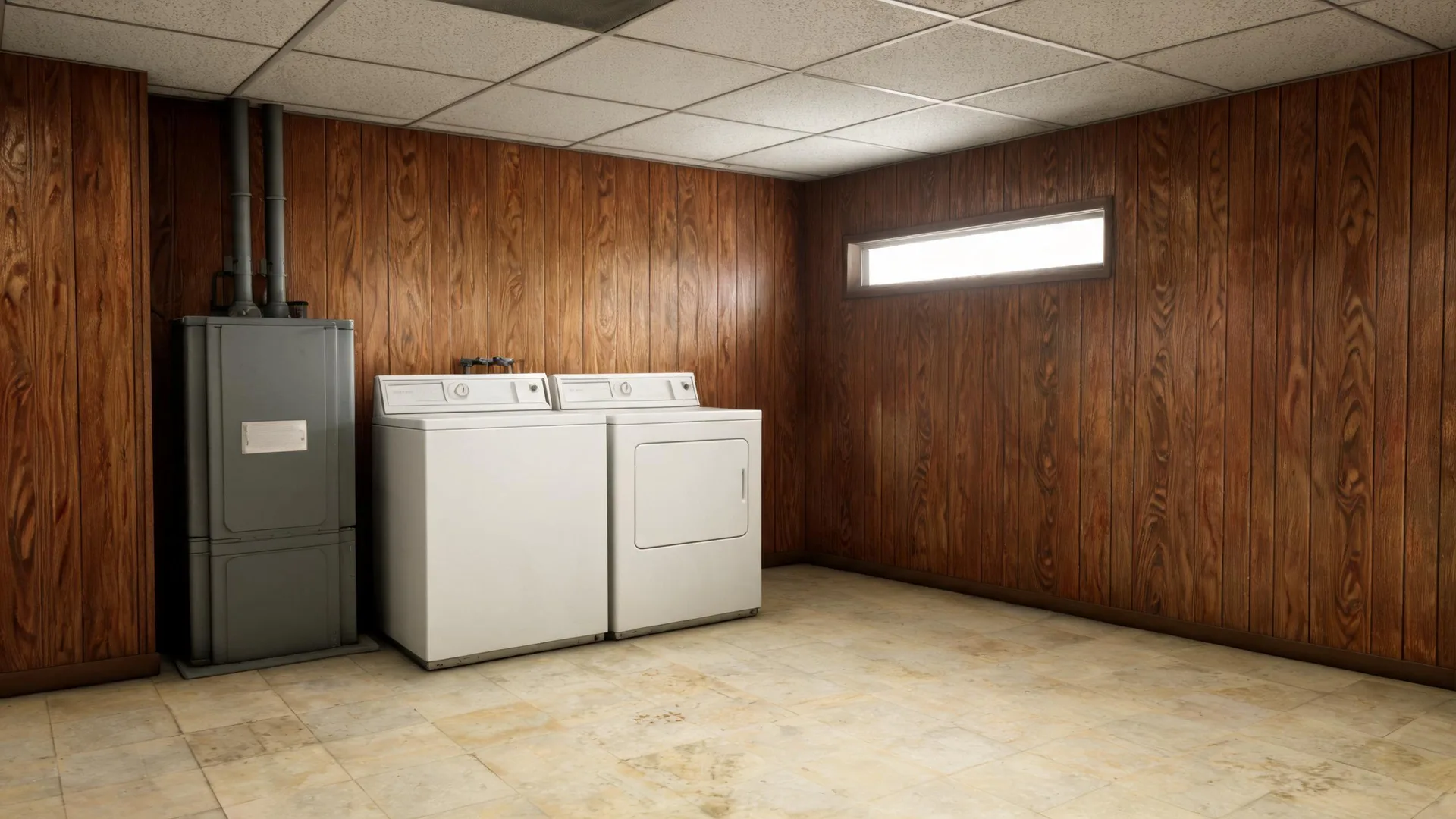
The old furnace gets disconnected and removed

An installer shuts off the gas line and power to the old furnace, disconnects the venting and ductwork connections, and hauls the unit out before the new one goes in. The gas line and vent get inspected at that point, since the new furnace will use the same connections unless something there needs work.
That teardown is when hidden problems surface

Once the old furnace is out, an installer can see the duct connections and venting that were hidden behind it for years. Cracked flex duct, a vent pipe with the wrong slope, or a gas line fitting that was never up to code shows up at this point, not before. Better to find it during the swap than after the new furnace is already running.

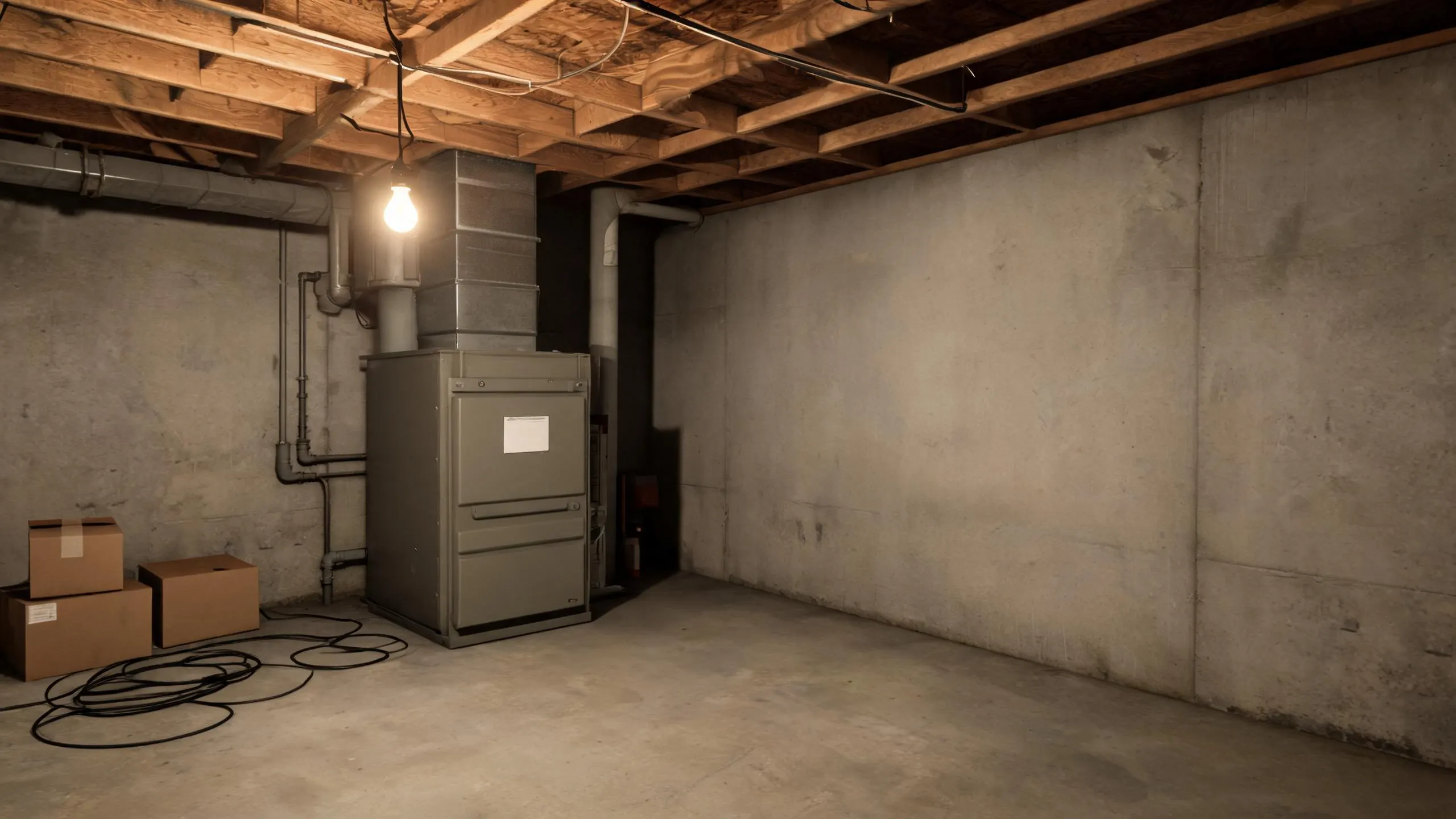
An unfinished basement containing a metal furnace with ductwork, exposed wooden joists on the ceiling, cardboard boxes, a coiled cable, and a single hanging incandescent bulb.

A high-efficiency gas furnace would save about $140 a year to run in Lawrence County compared with a gas furnace.

  • A high-efficiency gas furnace$640 a year
  • A gas furnace$780 a year

Estimates for a typical Lawrence County home, from EIA household energy data, Pennsylvania fuel prices and NOAA climate normals. Your home will differ.

Once the new furnace is set in place, the installer connects the gas line, the venting and the ductwork, then wires it to the thermostat. Gas connections get tested for leaks before anything is fired up. The venting gets checked for the right slope and clearance, since a furnace that vents wrong can push exhaust back into the house instead of outside. Then the igniter lights, the burners fire, and the blower kicks on to push air through the ducts. The installer checks the temperature rise across the furnace and watches a full heating cycle before calling it done. A furnace that lights fine can still be set up wrong if nobody watches it run.