
Boiler Repair in Pennsylvania
Homes in Pennsylvania are older than in 46 of the other 49 states.
Tell us about the job
Takes about a minute. No obligation.
- 23°Fwinter overnight low where people live
- 8 monthsof heat, October through May
- $13.12 per million Btuwhat homes paid for natural gas in 2024 (Btu means British thermal units, a measure of heat)
- 1,127winter storms from 2015 to 2024
Severe weather hits Pennsylvania hard. Power cuts here can idle a boiler.
- Northern counties need about 18% more heat than southern ones
- Winter nights average 23°F where people live
- Heat runs October through May
- 1,127 winter storms from 2015 to 2024
- Climate zones 4A and 5A across the state
- 15% of homes lost power a day or more in 2024


- Heat back in every room, not just the ones near the thermostat
- No more clanking or banging in the pipes when the boiler fires up
- A pilot or ignition system that lights every time, not just most times
- Hot water that stays hot instead of running lukewarm partway through
- A pressure reading that holds steady instead of creeping up or dropping overnight

Most boiler trouble here is not storm damage. It's a pilot light that won't hold, a circulator pump on its way out, or pressure that drifts because of a faulty relief valve. The kind of thing that shows up in any boiler, in any state, after enough years of running.
Natural gas ran $13.12 per million Btu in Pennsylvania in 2024. That's the fuel a gas boiler is burning each time it fires, so a thermostat set too high or a boiler short-cycling costs more here than the repair itself usually does. Worth fixing the boiler before the gas bill makes the case for you.
Eight months of heat, starting in October
Boilers here run October through May, about eight months straight. That's more months of heat than in most of the country. The first cold snap in October is when a weak circulator pump or a failing pilot assembly tends to give out, because that's the first time all year the boiler has to carry a full load. Getting it looked at in September, before the heat goes on, catches those problems before they do.


3 months of cooling, June through August
8 months of heat, October through May
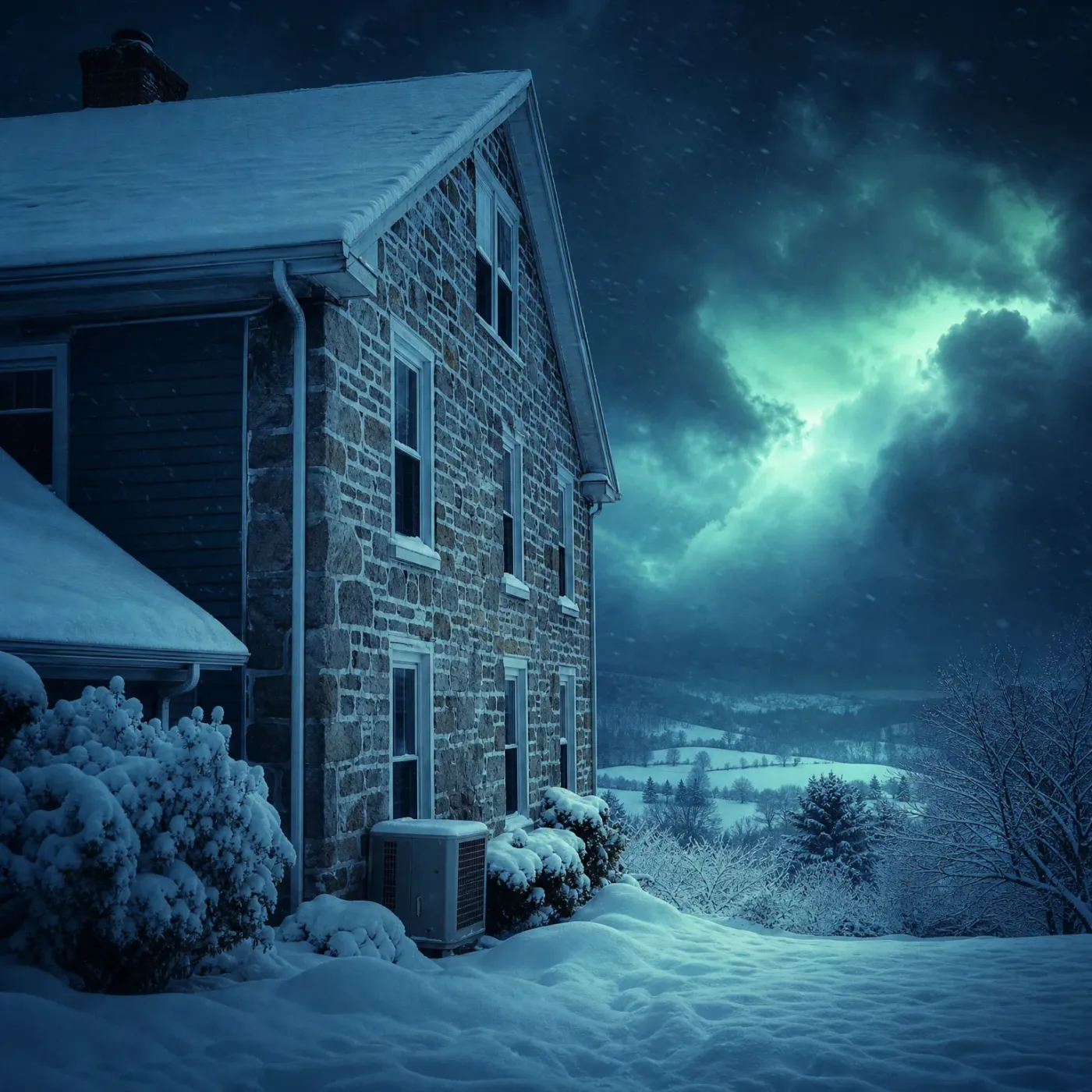
Pennsylvania sees more severe weather than most of the country, more than 40 of the other 49 states once you look at where people actually live. Damaging wind drives most of it. A boiler sits indoors, away from the wind and hail itself, but the power it runs on does not.
Winter storms, heavy snow, ice, blizzards, are what knock power out here, and that's exactly the weather a boiler needs power for. A gas boiler still needs electricity to run the circulator pump and fire the ignition. A line down in an ice storm means no heat even with gas still in the pipe.
15% of Pennsylvania households went at least a day without power in 2024. A boiler that loses power mid-cycle usually comes back on by itself once power returns. If a short outage kept tripping it on and off instead, that's worth mentioning when you call someone out for other trouble.
Lightning has caused damaging strikes across the state in recent years. A surge from a nearby hit can take out a control board the same way it takes out a furnace board, and that kind of damage doesn't always look like more than a boiler that won't light.
Allegheny County has the heaviest storm record in the state. If you're there and a boiler problem started right after a storm came through, say so when you describe what's going on.
What does a boiler in Pennsylvania face?
How cold do winter nights get?
23°Faverage overnight low where people live
North Dakota4°F
Hawaii65°F
How many months does the heat run?
8 monthsof heating a year
Hawaii0 months
Alaska12 months
What does natural gas cost?
$13.12per million Btu, what homes paid in 2024
Montana$7.77
Hawaii$53.25
How often do storms hit?
303severe weather events per county from 2015 to 2024
Alaska5
Wyoming1,057
How many homes lost power for a day or more?
15%of homes in 2024
Arizona7%
Maine54%
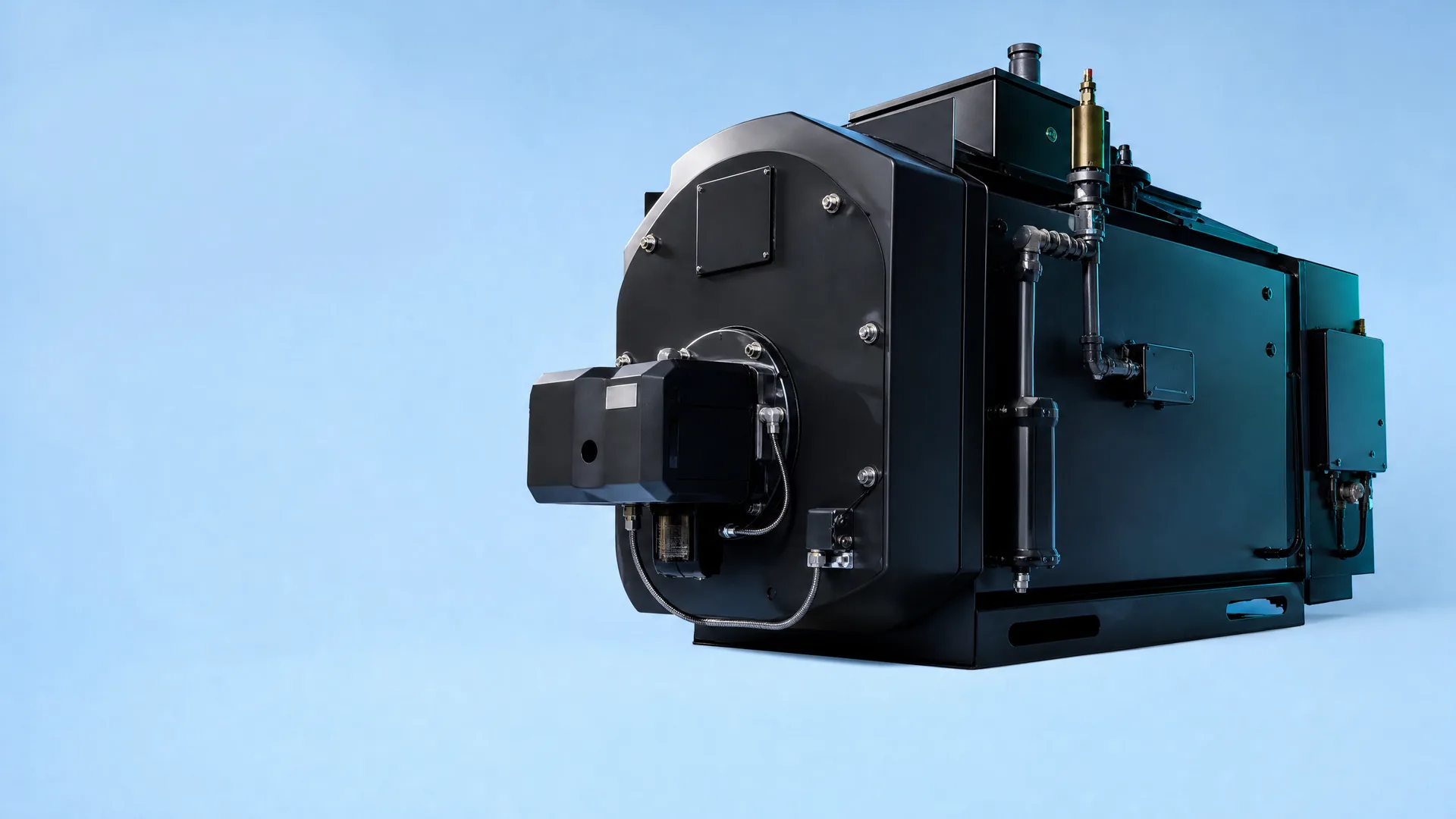
Why boiler trouble shows up right when the heat kicks on
October is when this shows up. The boiler has sat on light duty for weeks, cycling on for cool mornings, and then the first real cold snap asks it to run flat out for hours at a stretch. That's when a circulator pump that was already wearing down stops moving water through the loop, or a pilot assembly that was lighting on the third try stops lighting at all. The boiler itself hasn't changed. The load on it has.
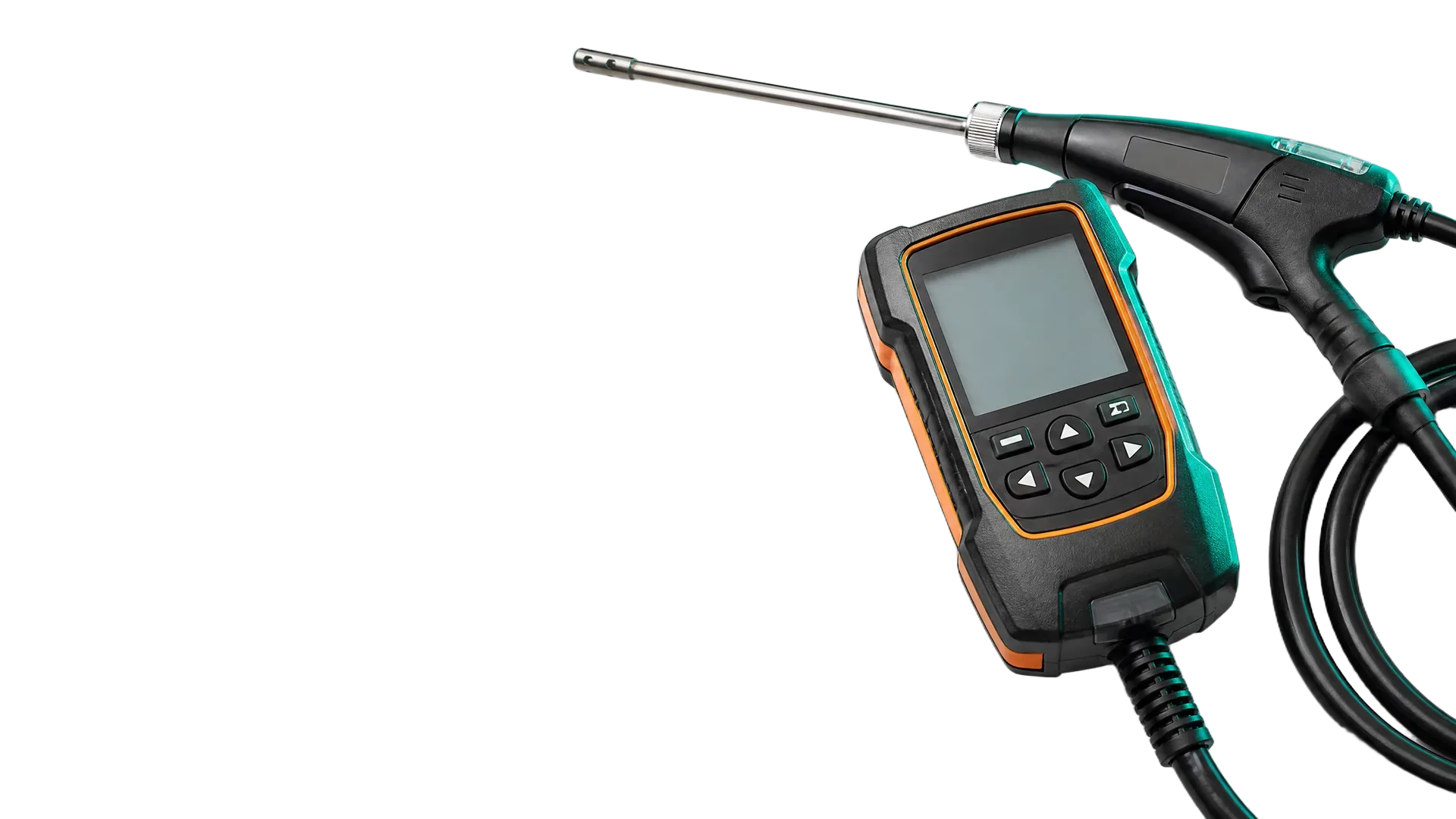
Repair or replace, how to tell
A boiler is one of the few heating systems worth repairing even when the repair isn't cheap. The cast iron or steel heat exchanger at the center of it is built to outlast almost everything bolted to it. Most failures are the parts bolted to it, not the exchanger itself. A circulator pump, a zone valve, an ignition control, a pressure relief valve. Those get swapped out on their own without touching the boiler. A cracked heat exchanger is the one failure that usually ends the conversation. It means the boiler is leaking water into the combustion chamber or can't hold pressure, and nobody patches that. Short of that, age by itself isn't a reason to replace one. A boiler that still holds pressure, lights reliably, and heats evenly is doing its job regardless of how old it is. What matters more is the pattern. One part failing and getting fixed is just wear. The same problem coming back after a repair, or a second unrelated part going soon after, usually means the boiler is running out of parts worth saving.
An older house usually means an older boiler
Half the homes in Pennsylvania were built in 1965 or earlier. That puts this state among the oldest housing stock in the country. An older boiler setup often means the cast iron sections are still doing their job, since that part rarely wears out on its own. But the pump, the valves, and the controls around it have had decades to wear down or get patched by whoever owned the place before you. If the boiler came with the house, ask whoever you call how much life is left in it before paying for a repair that only buys a year or two.
A boiler acting up after a storm or outage here is worth sorting out now, before the next cold snap.
Tell us about the job
Takes about a minute. No obligation.
Fill out the form and a licensed contractor who works on boilers nearby will follow up.