




Two white colonial houses with lit windows and black shutters photographed at dusk along a tree-lined residential street.

Boiler Repair in Reading, PA

Tell us about the job

Takes about a minute. No obligation.

Step 1 of 3: Equipment

Berks County recorded 567 severe weather events between 2015 and 2024. Damaging wind caused 478 of them, hail another 58, and six tornadoes touched down in that same span. A boiler sits indoors, away from wind and hail, but the electric and gas lines feeding it don't get that shelter. Winter storms hit the county 20 times over those years, and a boiler that loses power or gas stops making heat right when a storm knocks it out. Statewide, 15% of households went at least a full day without power in 2024. A boiler that was already struggling before an outage is a lot less likely to come back on cleanly once the power does.

A boiler that won't restart after a power cut often had a problem before the power ever went out.

Check the pressure gauge and the pilot or ignition before you call, so the tech knows what they're walking into.

Half the boilers here are older than the house

Half the homes here were built by 1969
Climate zone 4A
Heat runs October through May
Built for an eight-month heating seasonHeat starts in October here, and whatever's weak in your boiler now will show up fast once it does.

Half the houses in Berks County were built in 1969 or earlier. If yours is one of them, the boiler in it has already been replaced at least once, maybe twice, and whatever is running now still has an age of its own that the house won't tell you. An older boiler calls for a different question than a newer one. Instead of asking what's wrong, ask what it would take to keep this one going versus starting over with a new unit. A tech can tell you how many years of use are likely left once they've seen the burner and the heat exchanger up close. Get that answer before you put real money into a repair.

If your boiler's been through a storm, get it checked before winter asks more of it

A boiler that's sat through wind, hail or a knocked-out power line doesn't always show it right away. If yours has been through any of that this year, worth having it looked at now, before the next cold stretch asks more of it.

Find a contractor

What a failing boiler sounds and looks like

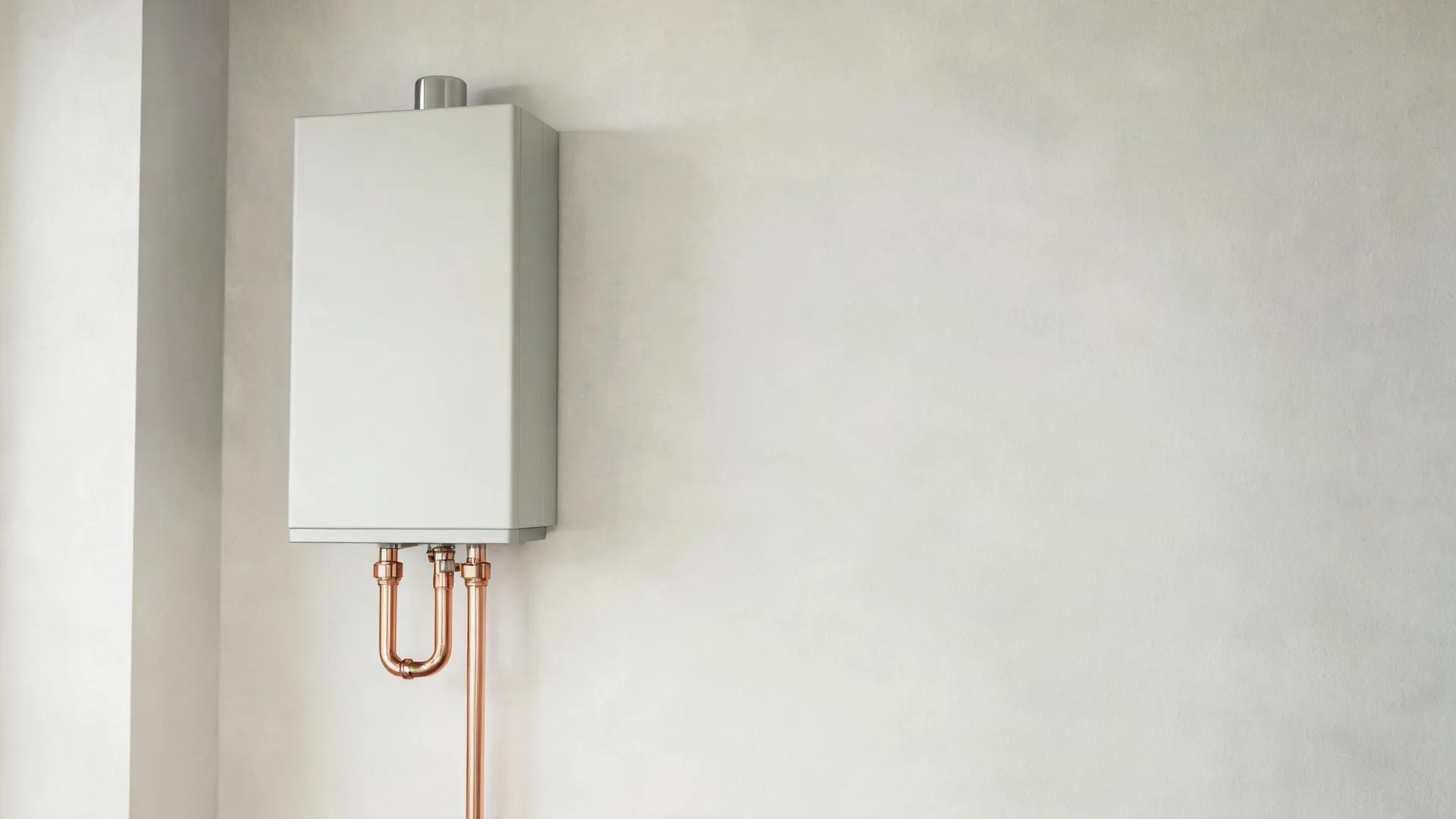
A boiler that's struggling makes noise it didn't used to make. Banging or kettling from the heat exchanger usually means scale or sediment built up inside it. A low hum or a burner that won't light on the first try points to the ignition system or a dirty burner. Water pooling at the base often traces back to a failed seal or a crack in the heat exchanger itself, and that's not something to wait on. Rooms that used to heat evenly but now run cold in spots can mean trapped air in the lines or a circulator pump that's wearing out.
What's worth a repair call and what isn't

A pilot that won't stay lit, a pressure gauge reading low, or a thermostat that isn't getting the boiler to respond are all things a tech can usually fix in one visit. A cracked heat exchanger is different. Once that part goes, the cost and effort of replacing it rarely makes sense next to putting that money toward a new unit. If the boiler is short-cycling, turning on and off before a room ever warms up, get it looked at soon. That pattern wears on the parts around it and tends to get worse, not better, on its own.

Most boiler failures start small and get ignored until the thing won't fire at all. Mineral scale is a big one. It builds up inside the heat exchanger over years, especially where water sits and minerals drop out, and once it's thick enough the boiler has to work harder to move heat into the water. That's what causes the banging and kettling. A failed circulator pump is another common one. It's got a motor and a bearing, and either can wear out from just running year after year, which leaves you with a boiler that heats the water fine but can't push it through the house. Ignition parts fail too. The pilot assembly, the igniter, the flame sensor, any of them can go bad on their own and stop the burner from lighting even though everything else is sound. Corrosion inside the heat exchanger is the one that matters most, because once it cracks, the exchanger can't be patched. That's usually what decides whether a boiler gets repaired or replaced.

A diagnostic call starts with the tech asking what you've noticed, since banging, cold rooms, or a pilot that won't stay lit all point somewhere different. From there they'll check the pressure gauge and look for any sign of leaking at the seals and fittings. Next comes the burner and ignition system, watching whether it lights clean and stays lit, because a sound flame tells you the gas and electrical sides are working together. They'll also check the circulator pump, since a pump that's lost its hum or runs hot is often behind rooms that stay cold even while the boiler itself seems fine. If there's been banging or kettling, expect them to inspect the heat exchanger directly for scale buildup or any sign of cracking, because that single part decides more than anything else whether the fix is simple or whether the conversation turns to replacement. A good diagnostic visit ends with the tech telling you plainly what they found and what it means, not just a list of parts they looked at.