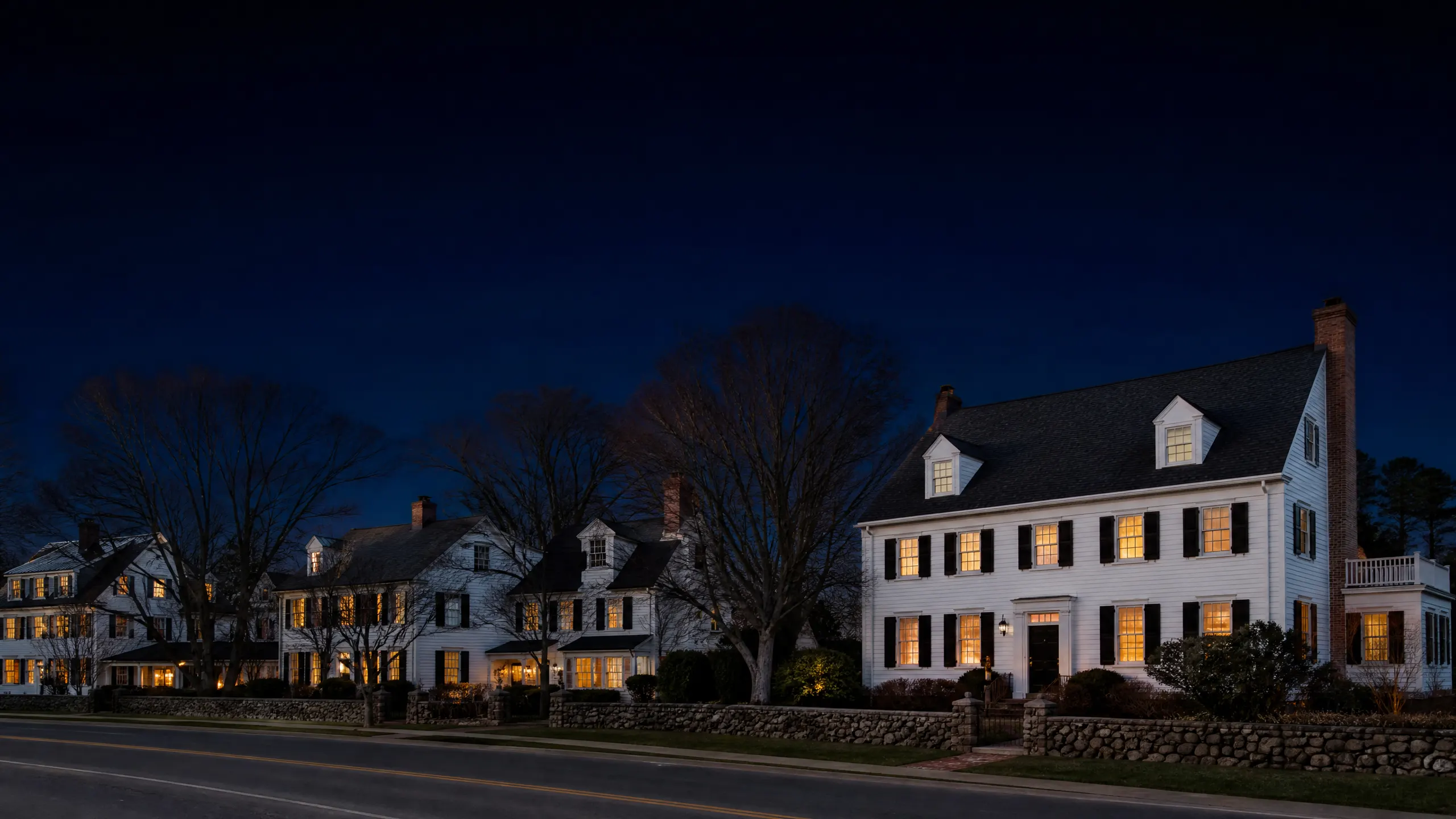



A row of illuminated white colonial houses along a road photographed at dusk.

Furnace Installation in Reading, PA

Tell us about the job

Takes about a minute. No obligation.

Step 1 of 3: Equipment

Berks County logged 567 severe weather events between 2015 and 2024. Most of that was wind, 478 events, with 58 hail events and 20 winter storms mixed in. Six tornadoes touched down in that span too. That's not rare weather here, it's the normal run of things. A furnace installed in this county should be able to take a direct hit from a power blip and come back on its own. Statewide, 15% of households went at least a full day without power in 2024, and a furnace that won't restart cleanly after that leaves a house cold until someone resets it by hand.

8 months
October through May, your furnace is on duty
23°F
the average winter night it heats against
80% AFUE
the federal minimum any new unit must meet
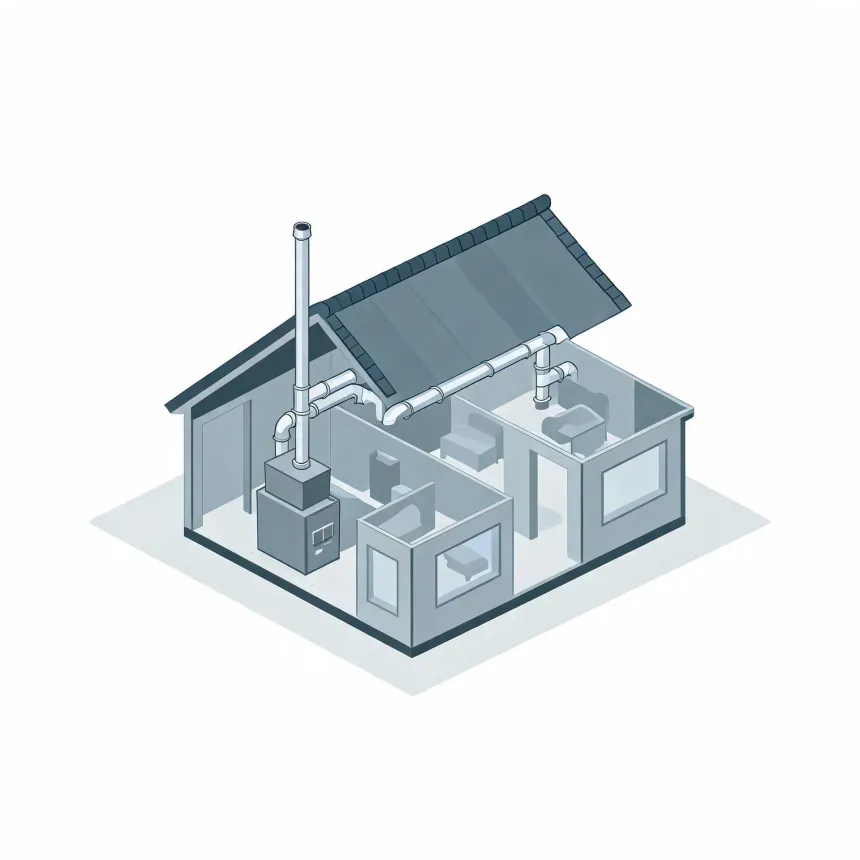
Isometric grayscale illustration of a cutaway house showing an interior furnace with a tall flue pipe and ductwork running to rooms under a partially lifted roof.
Your furnace works hardest from November through March.

NOAA nClimDiv, 1991–2020 normals

Furnaces in Berks County run from October through May.

Get the new furnace in during September and it's broken in before the first cold night, not during it.

Half these houses were built before furnaces came with blowers

Half the homes here were built by 1969
Heat runs October through May
Winter nights average 23°F

Gas heats more homes in Berks County than anything else, 42.3 percent of them. Electricity and fuel oil each run about 22.9 percent, and a small slice runs on bottled or tank gas. If your old furnace burned gas, the line is already there, sized for the job and run to the right spot in the house. Swapping in a new gas furnace means using that line rather than opening up the walls for new wiring or a new fuel tank. That keeps the installation simpler and the house isn't waiting on anything new to be brought in before the work can start.

Make sure the new furnace can take an outage and restart on its own

Ask whoever installs the furnace to confirm it restarts on its own once power comes back, with no reset switch to hunt for in the dark. Worth asking too about surge protection for the control board, since that board is what a wind-driven outage puts at risk.

Find a contractor
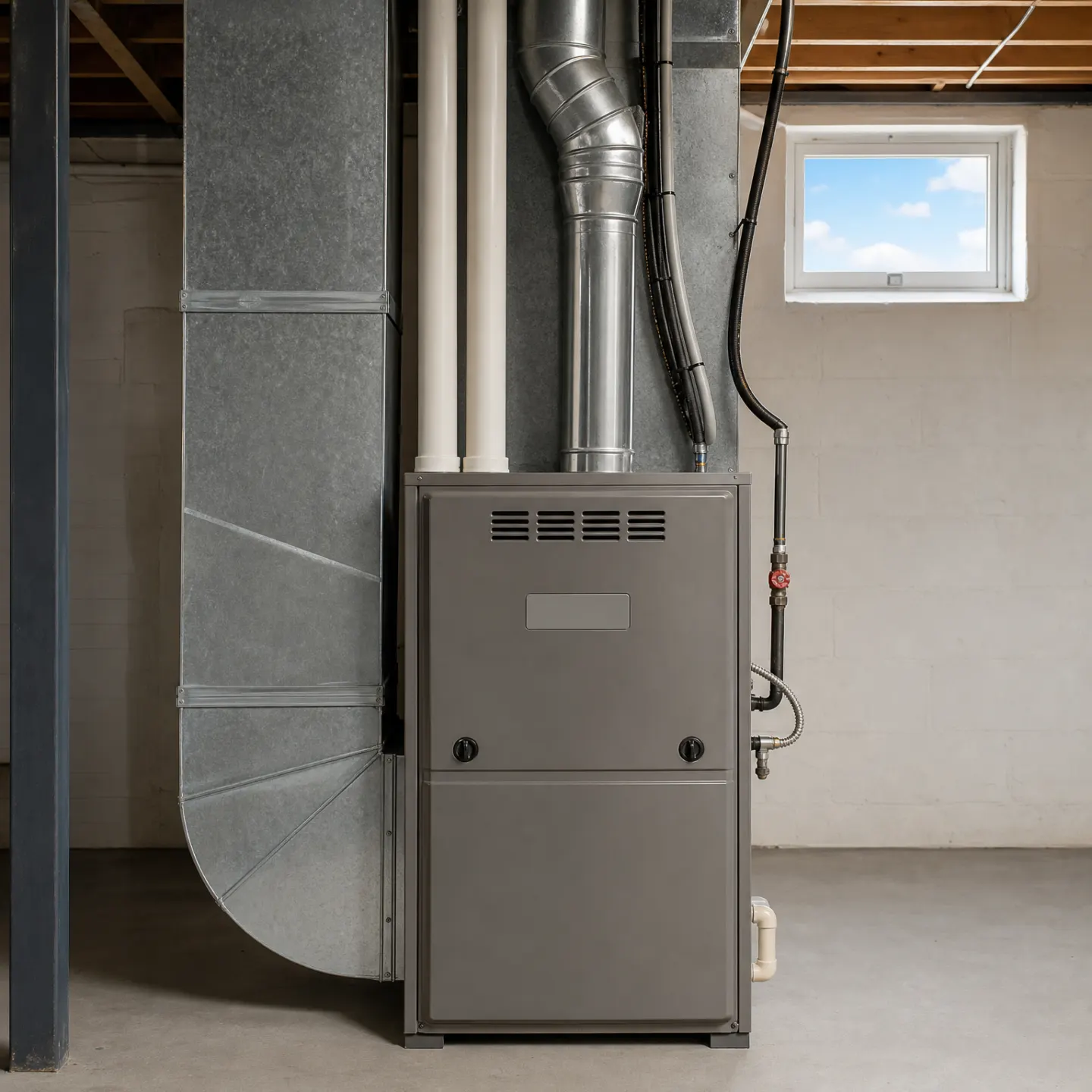
A gray residential gas furnace installed in an unfinished basement, surrounded by ductwork, a metal flue pipe, and a gas supply line.

What Changes the Scope of the Job

What a furnace costs to put in comes down to what the job actually involves, not just the unit itself. A straight swap, same fuel, same spot, same size, is the simplest version of this job. The moment any of that changes, the job grows. A bigger house or a layout the old furnace was struggling to heat might call for a different size furnace than what's coming out, and that means a load calculation rather than just matching the old number. Venting matters too. A high-efficiency furnace vents through PVC pipe out a sidewall, not up a chimney, so if the old furnace vented through masonry, that's new venting to run. The ductwork gets inspected as part of the job, and if it's undersized or leaking at the joints, sealing or modifying it is its own line of work separate from the furnace itself. The thermostat, the electrical hookup, the condensate drain for a high-efficiency model, each is a small piece, but they add up differently on every job. Two houses with the same furnace going in can still end up with different work orders, because the furnace is only part of what gets installed.

The AFUE number is about fuel, not comfort

The efficiency rating on a furnace's label tells you how much of the fuel it burns actually turns into heat for the house, versus what goes out the vent. A higher rated furnace pulls more heat out of the same flame. It doesn't tell you how fast the house warms up or how evenly, and it isn't a measure of the furnace's output. A smaller furnace with a high rating can still be the wrong size for a given house.
The rating assumes correct sizing and setup

That efficiency number is measured under set conditions, with the furnace sized right for the space and the ductwork moving the air it needs. Put a high efficiency furnace on ducts that are too small or too leaky, and it won't deliver the gains the label promises. The rating describes what the furnace can do, not what it will do once it's hooked into a particular house.

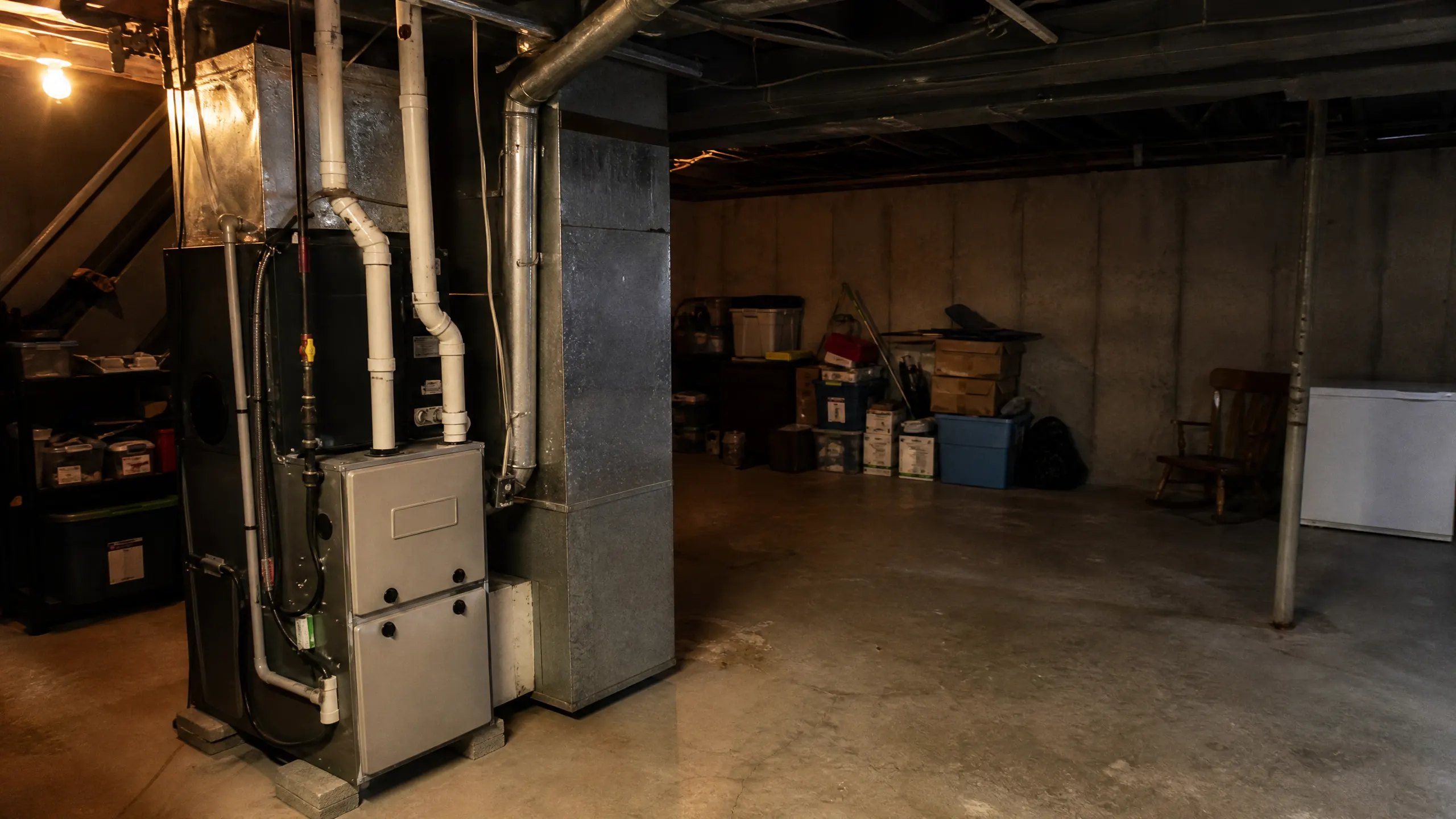
An unfinished basement containing a gas furnace with ductwork in the foreground and miscellaneous stored items along the far concrete wall.

A high-efficiency gas furnace would save about $130 a year to run in Berks County compared with a gas furnace.

  • A high-efficiency gas furnace$590 a year
  • A gas furnace$720 a year

Estimates for a typical Berks County home, from EIA household energy data, Pennsylvania fuel prices and NOAA climate normals. Your home will differ.

Installation day starts with the old furnace coming out, and that alone can take a while if it's wedged into a closet or crawlspace it was never meant to leave easily. Once it's out, the tech checks the flue or vent pipe, the gas line, and the electrical connection before anything new goes in, since the new furnace has to match up with all three. Setting the new unit means leveling it, connecting the ductwork boot, running the vent pipe, and wiring it to the thermostat and the power supply. A high-efficiency furnace also needs a condensate line run to a drain, since it produces water that an older furnace never did. After everything's connected, the tech fires it up, checks the flame, and measures the temperature rise through the furnace to confirm it's burning and heating the way it should. The last step is a check for gas leaks and a look at the exhaust to make sure it's venting clean before anyone calls the job done.