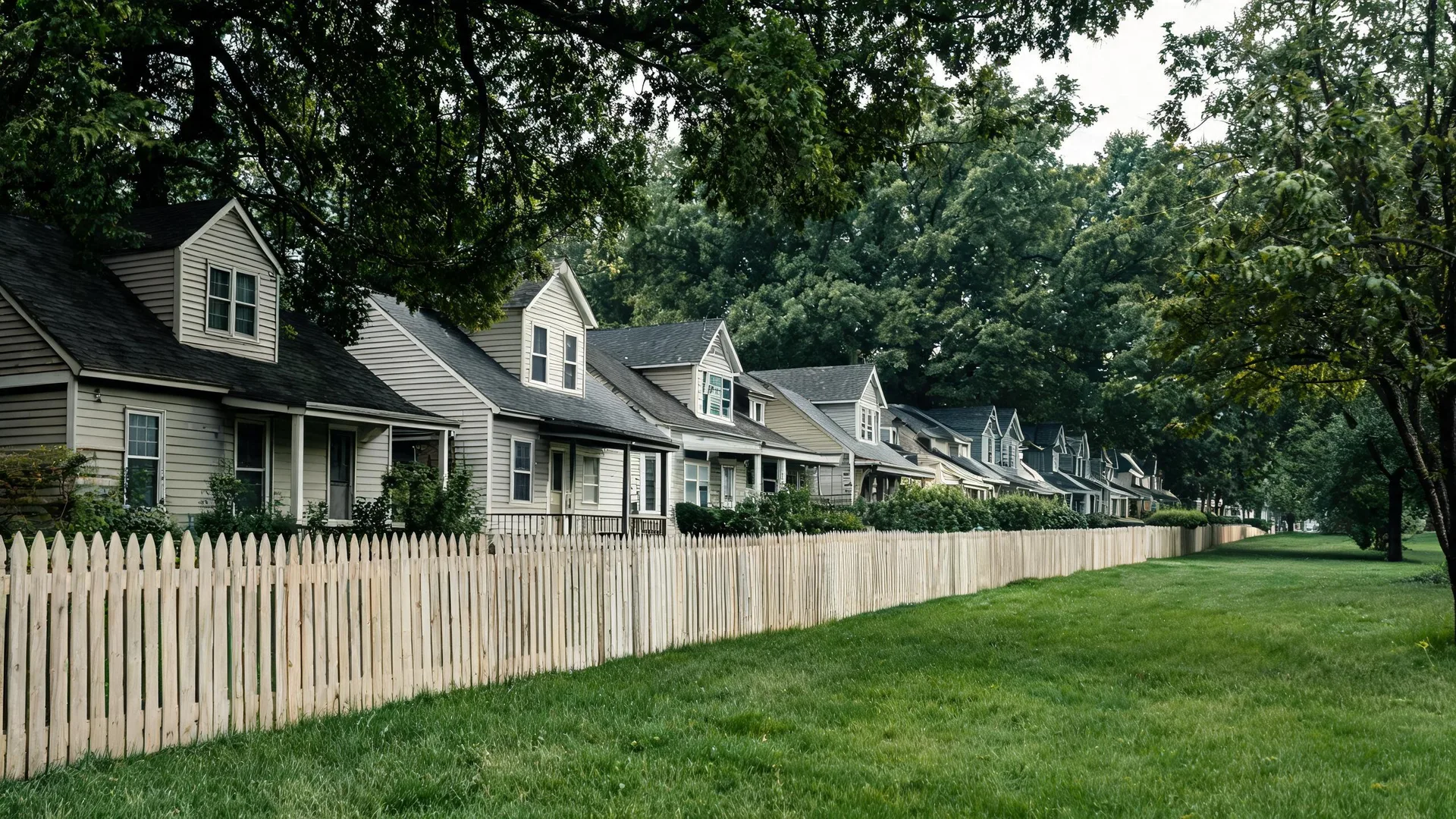



A row of similar small gabled houses with light siding behind a long wooden picket fence, with mown grass in the foreground and leafy trees above.

Mini Split Installation in Reading, PA

Tell us about the job

Takes about a minute. No obligation.

Step 1 of 3: Equipment

Berks County saw 567 severe weather events between 2015 and 2024. Most of that was wind, 478 events, with 58 hail events and 20 winter storms mixed in. A mini split's outdoor unit sits outside through all of it, taking wind-blown debris and hail on the housing and coil fins. Six tornadoes touched down in the county in that same stretch, which tells you the wind here isn't always the ordinary kind. Statewide, 15% of households lost power for a full day or more in 2024, and a mini split needs electricity to run no matter how it's fueled. Where the outdoor unit goes and how exposed it is matters as much as the install itself.

8 months
October through May, your system heats
3 months
June through August, it cools
23°F
the average winter night it heats against
83°F
the average summer afternoon it cools against
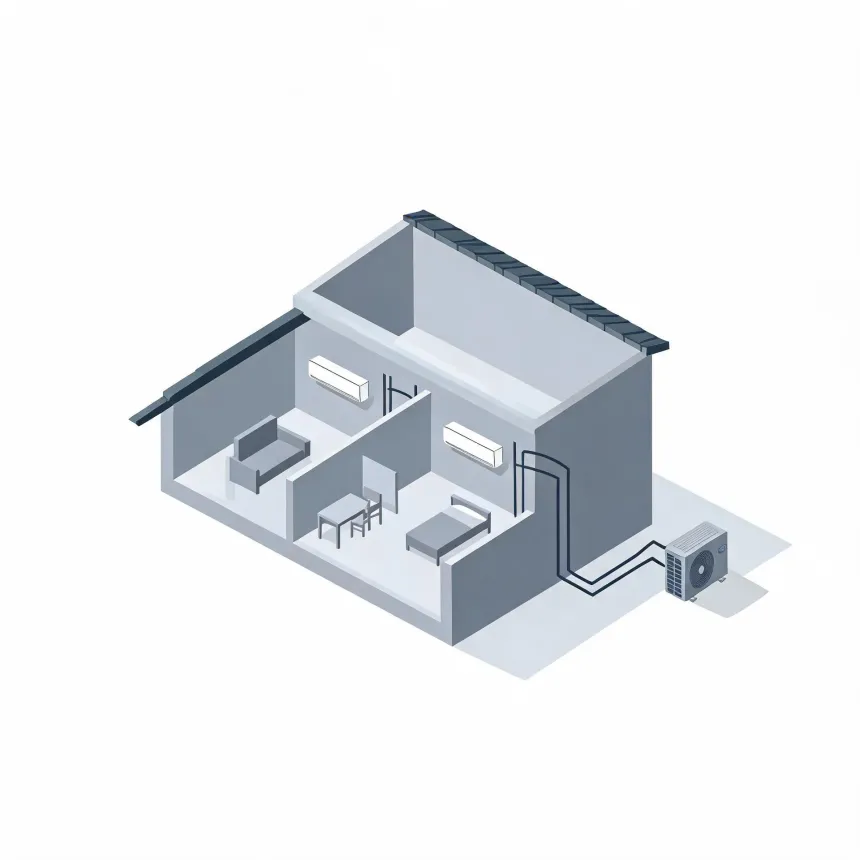
Isometric cutaway illustration of a gray house showing two wall-mounted indoor air conditioning units in separate rooms with furniture, connected by line sets to an outdoor condenser unit on a pad outside.
Your system heats October through May and cools June through August.

NOAA nClimDiv, 1991–2020 normals

Half the homes in Berks County were built in 1969 or earlier.

An install in a house that old has to work with the walls, wiring, and layout already there, not the other way around.

Get it installed by May, so it's running when June gets here

Cooling runs June through August
Summer afternoons average 83°F
478 damaging wind events from 2015 to 2024

Gas heats more homes in Berks County than anything else, 42.3% by the county count, with electric heat and oil close behind. A mini split doesn't compete with that gas furnace. It runs alongside it, handling cooling in summer and taking some of the load off the furnace in the shoulder months. That's why most installs here add a mini split rather than replace the whole system. If your home already has ductwork and a furnace, the mini split goes in as its own line, with its own outdoor unit and its own wiring, not tied into what's already running the house.

Pick the outdoor unit's spot with storms and outages in mind

Get the outdoor unit placed somewhere it isn't catching wind-blown debris head on, and talk through backup power for the indoor head before the install, not after a line of storms comes through. Both are decisions made at install time, not fixes added later.

Find a contractor
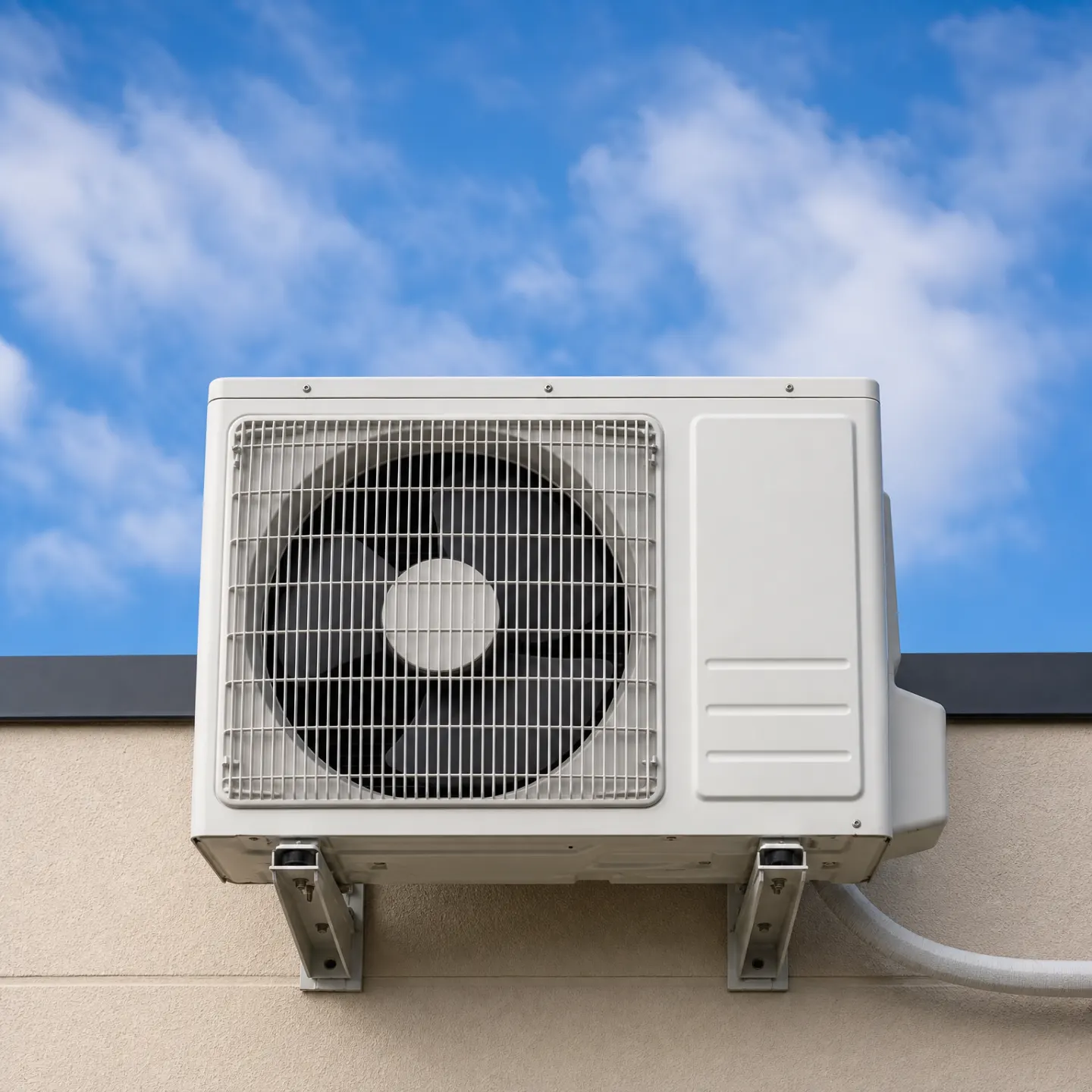
A white mini-split air conditioner outdoor condenser unit mounted on metal brackets against a beige stucco exterior wall, with a blue sky and scattered clouds in the background.

An older home changes where things go, not whether they can

Half the homes in Berks County were built in 1969 or earlier. A house that old wasn't wired with a mini split in mind, so the installer has to work out where the line set runs, where the disconnect box goes, and whether the panel has room for a new circuit. None of that shows up until someone looks at the actual walls and the actual panel. Ask the installer to walk through it before anything gets mounted on the wall.

The old system doesn't have to come out

If a furnace or an existing ducted system is staying in place, there's nothing to remove. The mini split installer disconnects nothing on the old equipment. Both systems run on their own, side by side, and the old one keeps doing what it's always done.
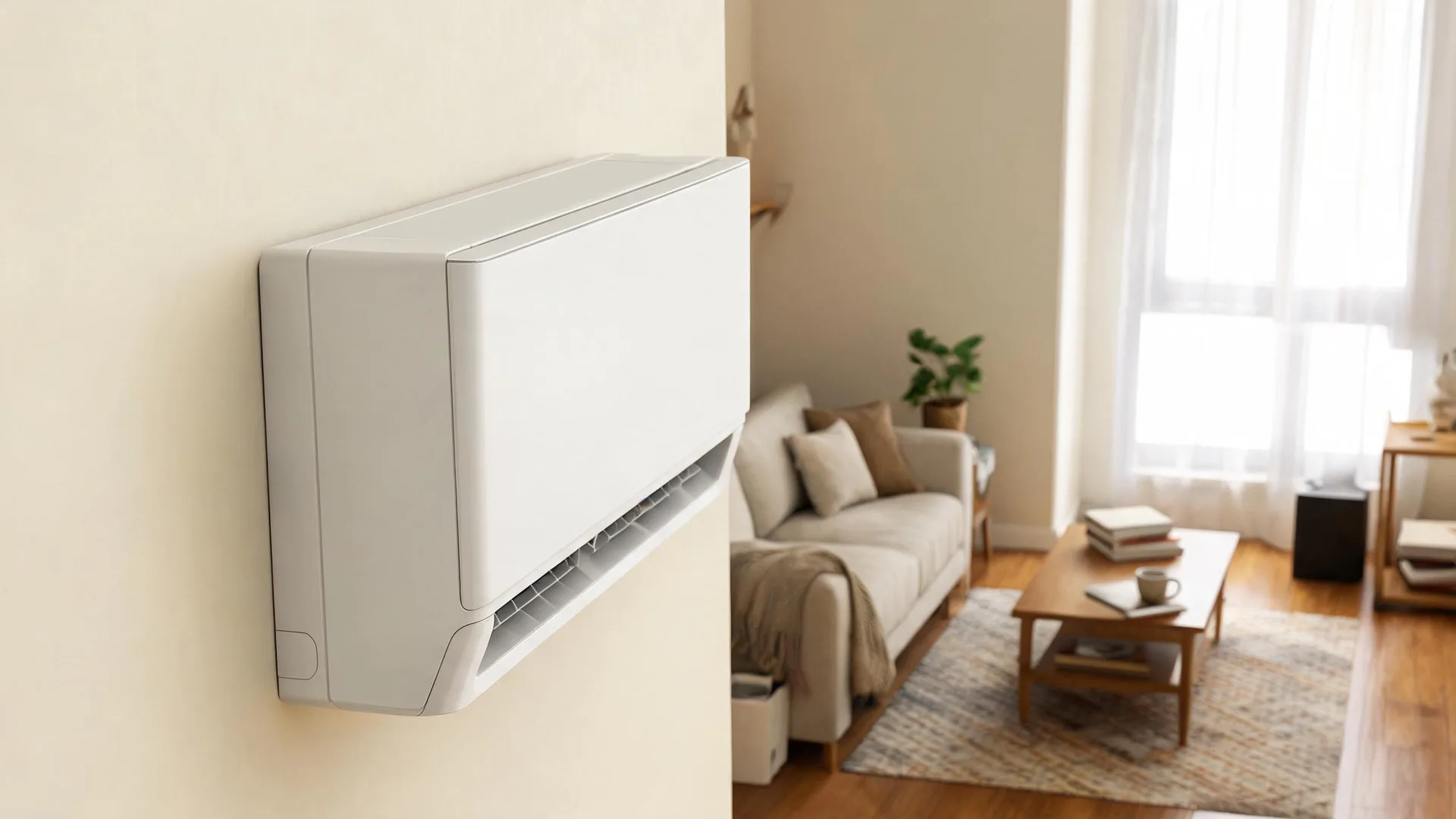
A full replacement gets taken apart and hauled off

When a mini split is replacing an old ducted system or a window unit setup, the installer disconnects the refrigerant lines, recovers the refrigerant from the old unit, and removes the indoor and outdoor equipment. Any abandoned wiring or line set gets capped or pulled out, not left behind in the walls.

The label on a mini split shows a SEER2 number for cooling and an HSPF2 number for heating. Both are efficiency ratings, not a measure of how much heat or cold the unit can put out. A higher number means the unit uses less electricity to deliver the same comfort, same as a car's fuel economy rating tells you about mileage, not horsepower. Two units can carry different SEER2 numbers and still heat or cool the same size room just fine. What the rating actually changes is the electric bill the unit runs up over the months it's working, not whether it keeps up on the hottest or coldest day. Sizing the unit to the room is a separate question from picking the efficiency rating, and a good installer works out both.

Berks County falls in climate zone 4A, which the energy code treats as mixed: real heat to deal with in summer, real cold in winter, with humidity on top of both. A mini split sold here still has to clear the federal minimum for a split-system heat pump. For any unit built from January 1, 2023 on, that means at least 14.3 Btu of cooling for every watt-hour it draws over the summer, and at least 7.5 Btu of heating for every watt-hour over the winter. The standard doesn't carve out a separate rule for ductless systems, so a mini split is held to the same line as any other split-system heat pump. That limits what an installer can legally put on your wall, whatever the price tag on the unit.