Oil heats most homes here
Fuel oil or kerosene heats 46.7% of occupied homes in Schuylkill County, more than any other fuel. Electricity comes next at 26.2%, with gas well behind that.

Takes about a minute. No obligation.
Fuel oil or kerosene heats 46.7% of occupied homes in Schuylkill County, more than any other fuel. Electricity comes next at 26.2%, with gas well behind that.
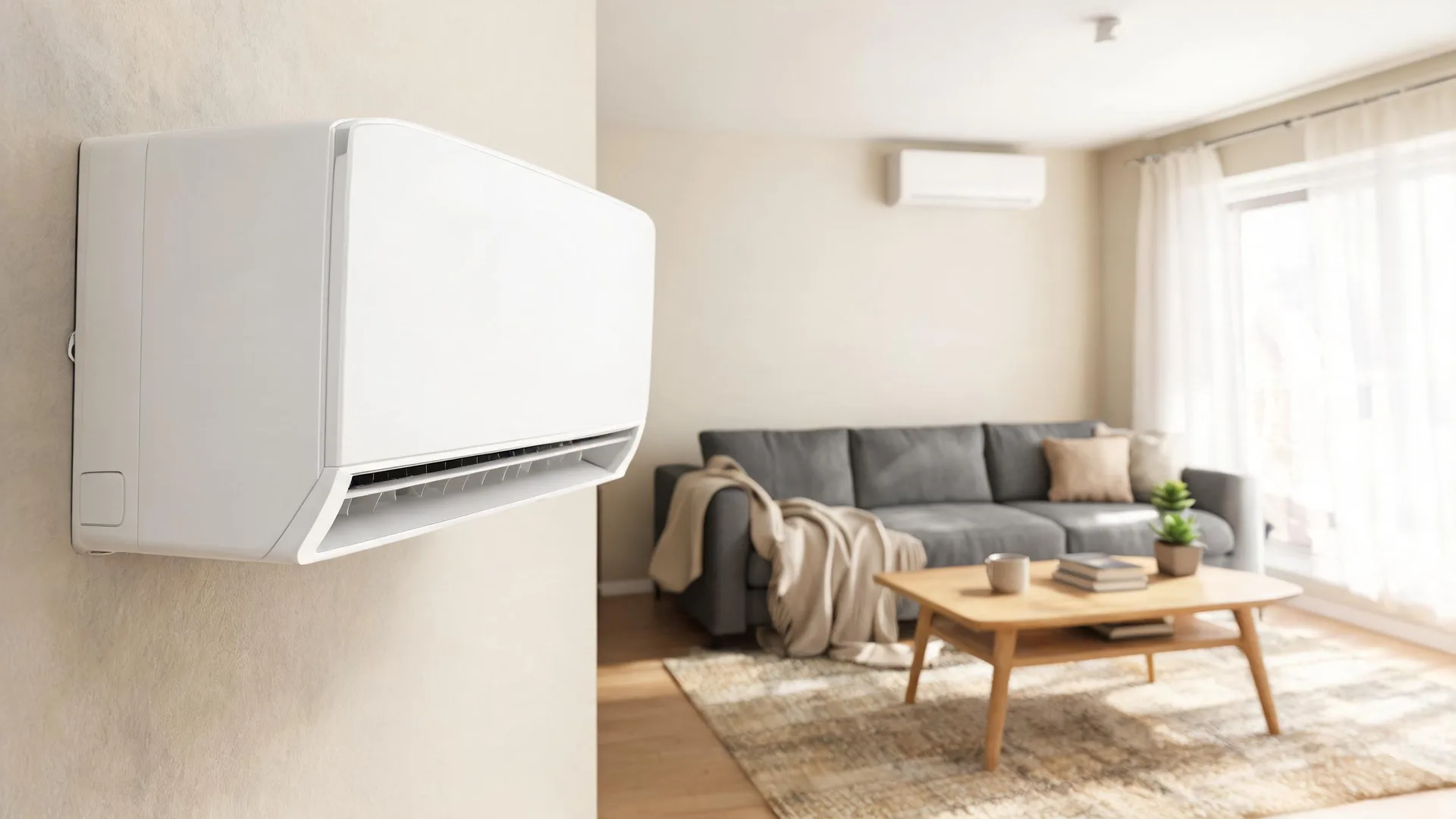
A mini split does not replace the oil furnace or boiler. It covers the rooms you run it in, so the oil system can stay as backup or for the rest of the house.
NOAA nClimDiv, 1991–2020 normals
Homes here run cooling in July and August.
June is the month to get a mini split installed, before the first hot stretch hits.




Half the homes in Schuylkill County were built in 1946 or earlier. That matters for a mini split because the install has to work with what the house already has, not what a newer build would have. Plaster walls and old masonry take a line set differently than drywall does, and the installer will pick the path and the wall penetration based on what's actually there. Window and door placement in a house this age also shapes where a head unit can go and still heat or cool the room evenly. None of that rules out a mini split. It just means the plan gets drawn around your house, not a generic one.
Schuylkill County falls under zone 5A, a cool, humid climate where heating carries the bigger load. A mini split installed here has to meet the federal minimum for split-system heat pumps, 14.3 SEER2 for cooling and 7.5 HSPF2 for heating, since the standard treats ductless the same as any other split system. That sets the floor for what can legally go in your house.
Find a contractor
Comparing mini splits means comparing the outdoor condenser, the indoor head, and the warranty that follows the install, not just the efficiency tier on the box. Ask whether the compressor is variable-speed or single-stage. A variable-speed compressor ramps up and down to match the room instead of cycling fully on and off, which holds a steadier temperature and puts less wear on the system over time. Ask what the sound rating is at the distance it will actually sit from a window, since some condensers run noticeably quieter than others at the same capacity. On the indoor head, ask about the airflow pattern. Some heads throw air in a wide fan, others in a narrower band, and that decides whether the unit reaches every corner of the room or just the wall it is mounted on. Ask what the warranty covers on the compressor specifically, since that is the expensive part to replace if it fails, and ask who handles that repair if it comes up, the manufacturer or the installer.
SEER2 is the cooling rating. HSPF2 is the heating rating. A mini split carries both because the compressor is doing different work depending on which mode it's in. Looking at only the cooling number tells you nothing about how the unit performs when it's running heat, and a system that heats as much as it cools needs both numbers checked.
The efficiency figure on the label comes from a fixed test, run the same way for every unit no matter what room it ends up in. What you actually get out of it depends on sizing and install. A correctly sized unit with a well-run line set can outperform its rating. An oversized unit, or a head placed where it can't move air through the room, will fall short of that number regardless of what's printed on the label.
Several things push the price of a mini split job, and sizing is the first one. A contractor has to work out the heat gain and heat loss for the room before picking equipment, and that takes a load calculation, not a guess based on square footage. The number of indoor heads matters too. A single-zone system with one head costs less to install than a multi-zone system running several heads off one outdoor unit, since each extra head means another line set, another mounting job, another spot where the wall gets opened up. How far the head sits from the outdoor unit changes things as well. A longer line set means more refrigerant line, more wall penetration, and sometimes a condensate pump if gravity alone won't drain it. Electrical work can add to it too, if the outdoor unit needs a new circuit or the panel doesn't have room for one. None of this is optional work tacked on. It's what makes the system actually heat and cool the room it's installed in.
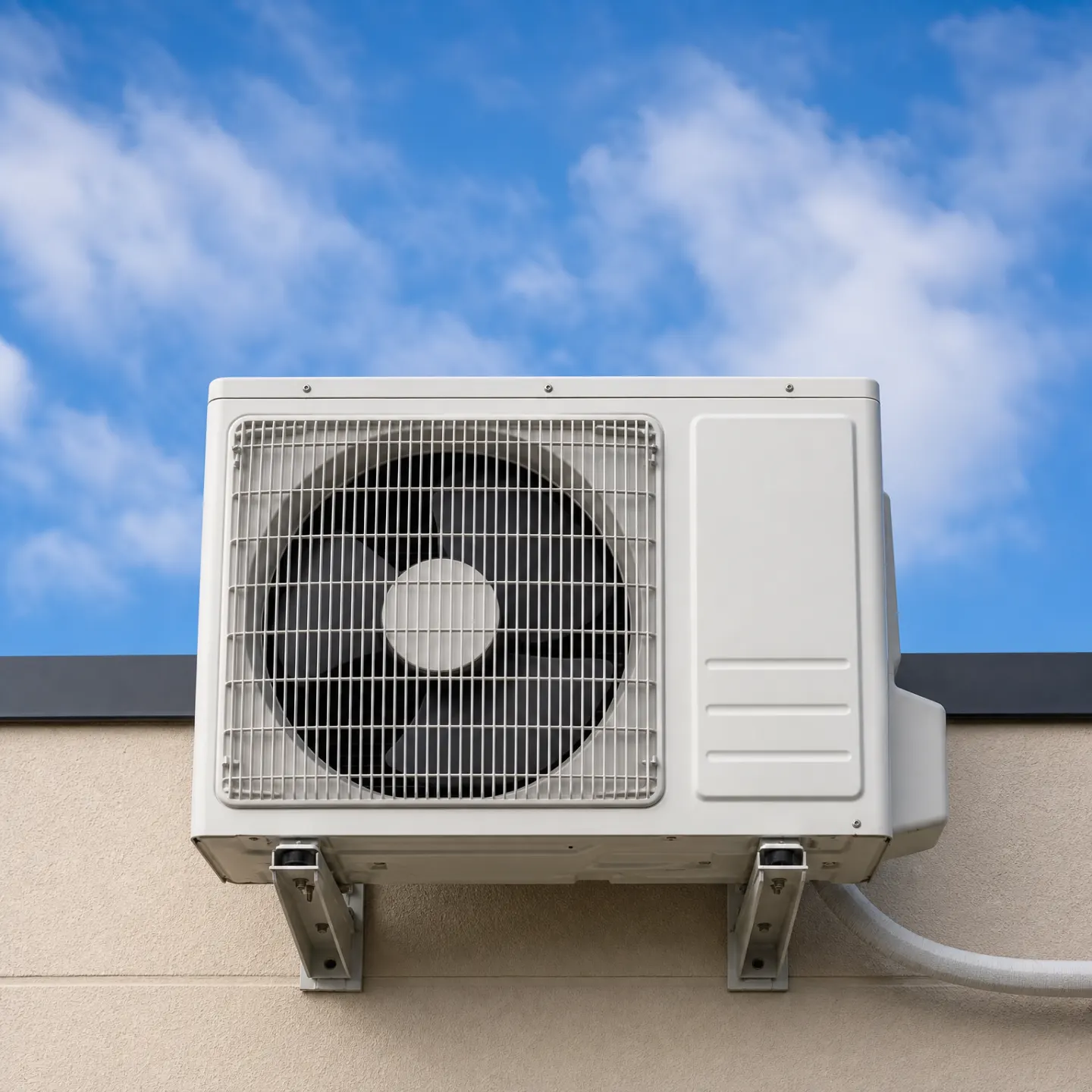
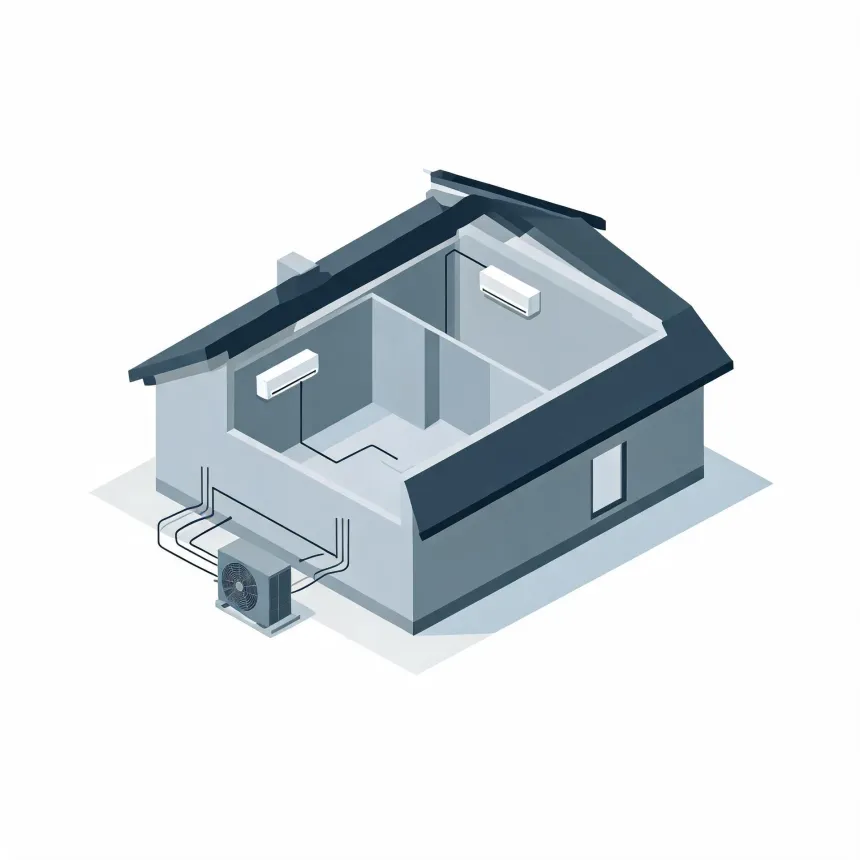
Installation starts outside, not in. The crew picks a spot for the outdoor condenser with clearance on all sides, since it needs air moving through it to work, and a spot that keeps the line set run to the indoor head short and direct. Mounting comes next, a bracket on the exterior wall or a pad on the ground, leveled so the compressor doesn't run unbalanced once it's working. Indoors, the head goes up on a plate on the wall, and the installer drills through for the line set, the refrigerant lines, the condensate drain and the power wire bundled together and run through a single wall penetration. Once the lines are run, the system gets evacuated with a vacuum pump to pull out moisture and air before any refrigerant moves, since either one left in the lines will cause problems down the road. Refrigerant gets charged to spec, the outdoor and indoor units get tested together, and the crew checks that the condensate actually drains where it's supposed to before they call it done.