Oil heats most homes here
Fuel oil or kerosene heats 40.5% of occupied homes in Carbon County, more than any other fuel. Electricity comes in second at 31.6%, with utility gas and propane well behind that.
Takes about a minute. No obligation.
Fuel oil or kerosene heats 40.5% of occupied homes in Carbon County, more than any other fuel. Electricity comes in second at 31.6%, with utility gas and propane well behind that.
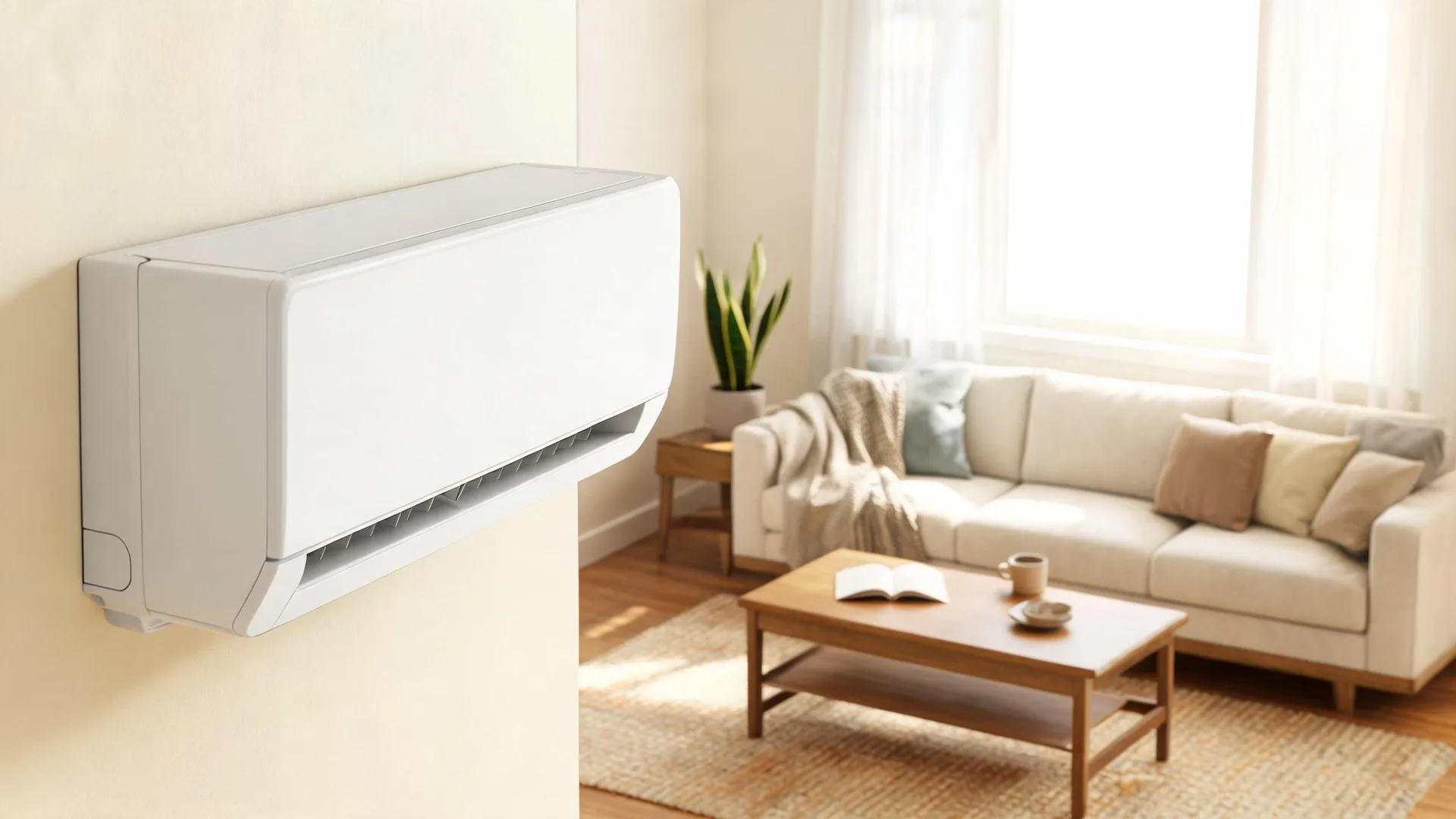
If your home runs on oil heat, a mini split gives you a separate way to cool and to heat the rooms you use most. You keep the oil furnace for the coldest months and let the mini split carry the load the rest of the year.
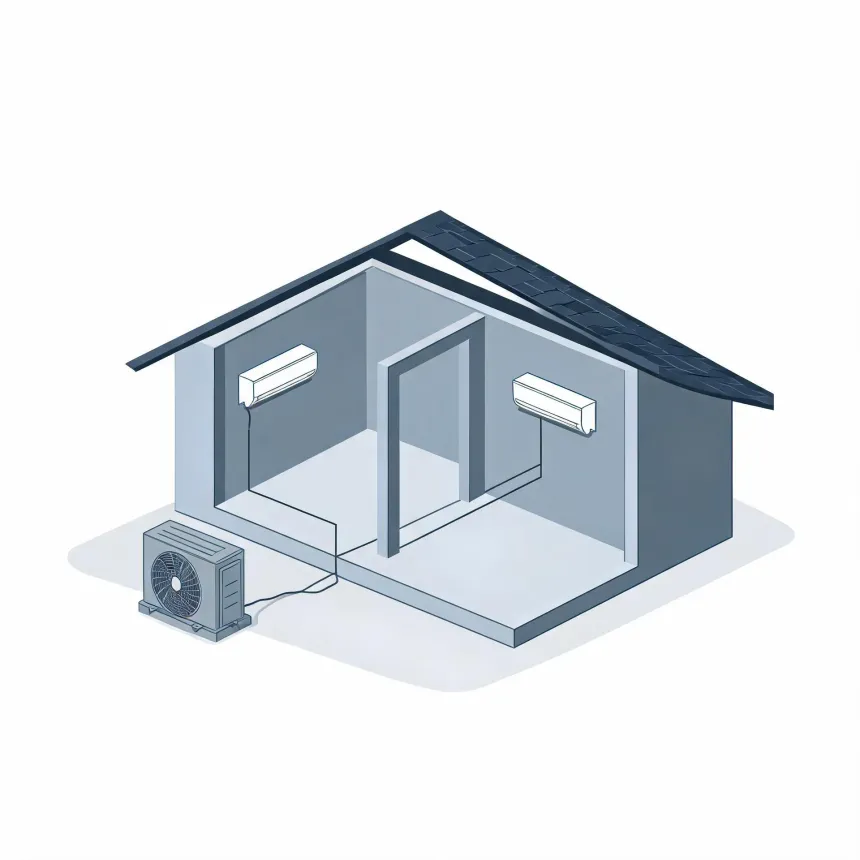
NOAA nClimDiv, 1991–2020 normals
Cooling only runs about two months here, July and August, with afternoon highs averaging 79°F.
A mini split in Palmerton spends most of its life on standby, so a dependable unit matters more than a top efficiency rating.




June is a good month to get a mini split installed here. Cooling doesn't start until July, so the work happens while there's no rush and nothing riding on it. Wait until the first hot week and you're calling around while your house is already warm, taking whatever install date you can get. Carbon County only asks a cooling system to work for about two months, July and August, so there's no reason to push this into summer if you don't have to.
Carbon County falls in climate zone 5A, and any mini split installed here has to meet 14.3 SEER2 for cooling and 7.5 HSPF2 for heating, the same federal minimum that applies to every split-system heat pump. That floor is already built into the unit a contractor would quote you. A federal tax credit is available on top of that for qualifying heat pump installations, worth checking into before you sign anything.
Find a contractor
Whatever is heating and cooling the house now doesn't get hauled off the day the mini split goes in. If it's a furnace or boiler, that system usually stays right where it is, doing what it's always done, while the mini split takes over the rooms it serves. An old window unit or a failing central system is a different story. Once the new equipment is in and running, there's no reason to keep a broken air conditioner around, and a contractor can haul it away as part of the job. If you're pulling out an old central system, ask what happens to the line set and the outdoor pad. Sometimes they get reused, sometimes they don't, and it's worth knowing which before the crew shows up.
One outdoor unit can run one indoor head or several, but each one it runs splits the total capacity between them. A contractor sizing the system needs to know every room you want conditioned before quoting equipment, not after. If a room gets added to the plan late, it may call for a different outdoor unit entirely.
A mini split needs the indoor filters cleaned and the outdoor coil kept clear of leaves and debris to keep running the way it did on day one. Find out whether the installing contractor does that service work later, or whether you will need to find someone else for it. The manufacturer's warranty on parts is only as good as having someone around to do the labor.
Sizing a mini split comes down to matching the outdoor unit's output to the heat gain and heat loss of the specific rooms it serves, not the square footage alone. A contractor works this out room by room, factoring in window area, insulation, ceiling height and how many walls face outside. Too big and the unit short cycles, cooling the room fast then shutting off before it pulls the moisture out of the air, which leaves the space feeling clammy even at the right temperature. Too small and it runs constantly on the hottest days without ever catching up. Neither mistake shows up on the spec sheet. It shows up in how the room actually feels, which is why the load calculation matters more than the number printed on the unit.
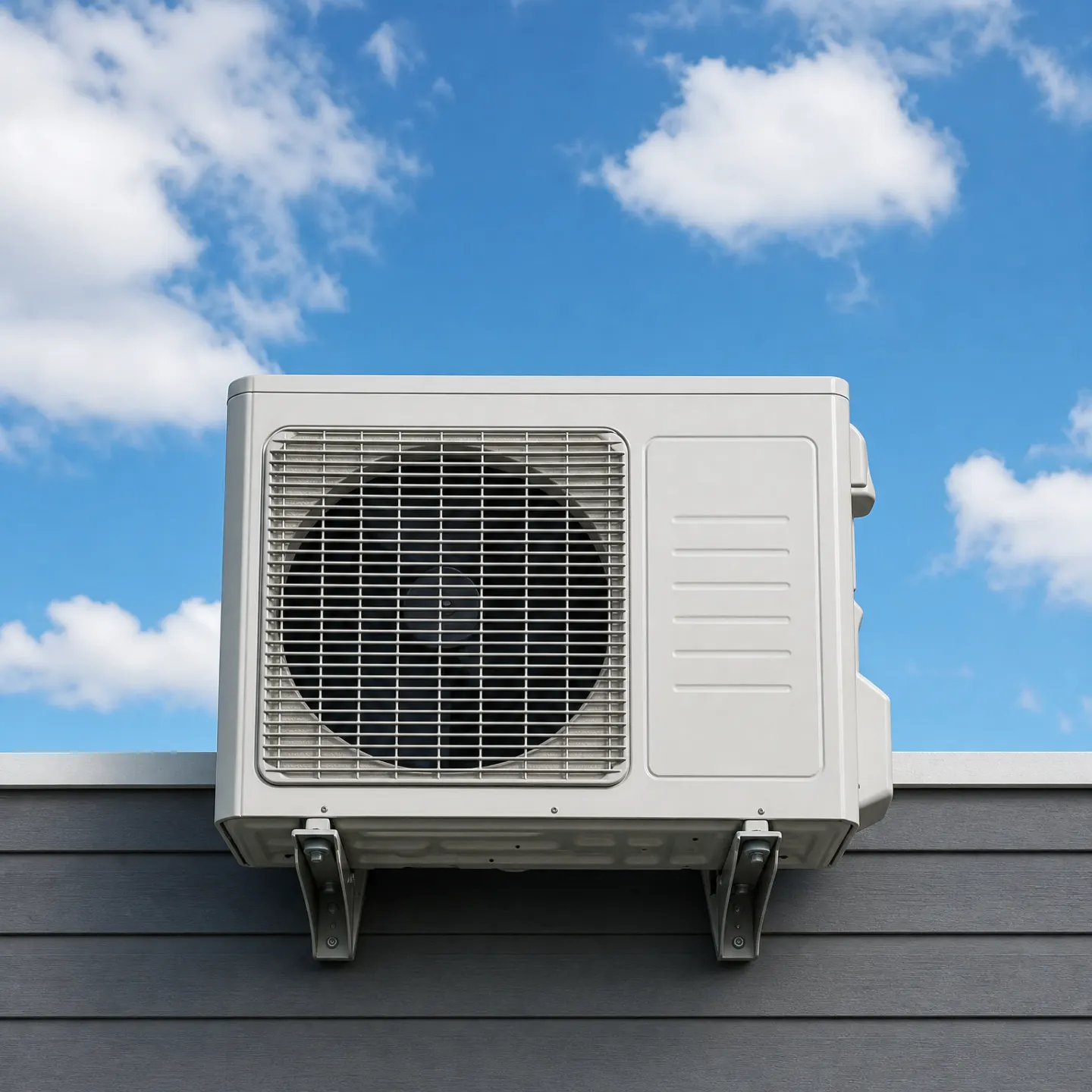
Installation day starts with the outdoor unit and works inward. The crew sets the outdoor unit on its pad or bracket first, then runs the line set through a small hole drilled in the wall to the indoor head. That line set carries refrigerant, so once it's connected the lines get checked for leaks and then pulled down to a vacuum before any refrigerant moves through them. Skipping that step leaves moisture and air trapped in the lines, which causes problems well after the crew is gone. The indoor head mounts high on the wall, level, with enough clearance to pull the filters later. Once everything is connected, the system gets powered up and run through both cooling and heating so the contractor can check the temperature split at the vent and confirm it's holding steady before calling the job done.