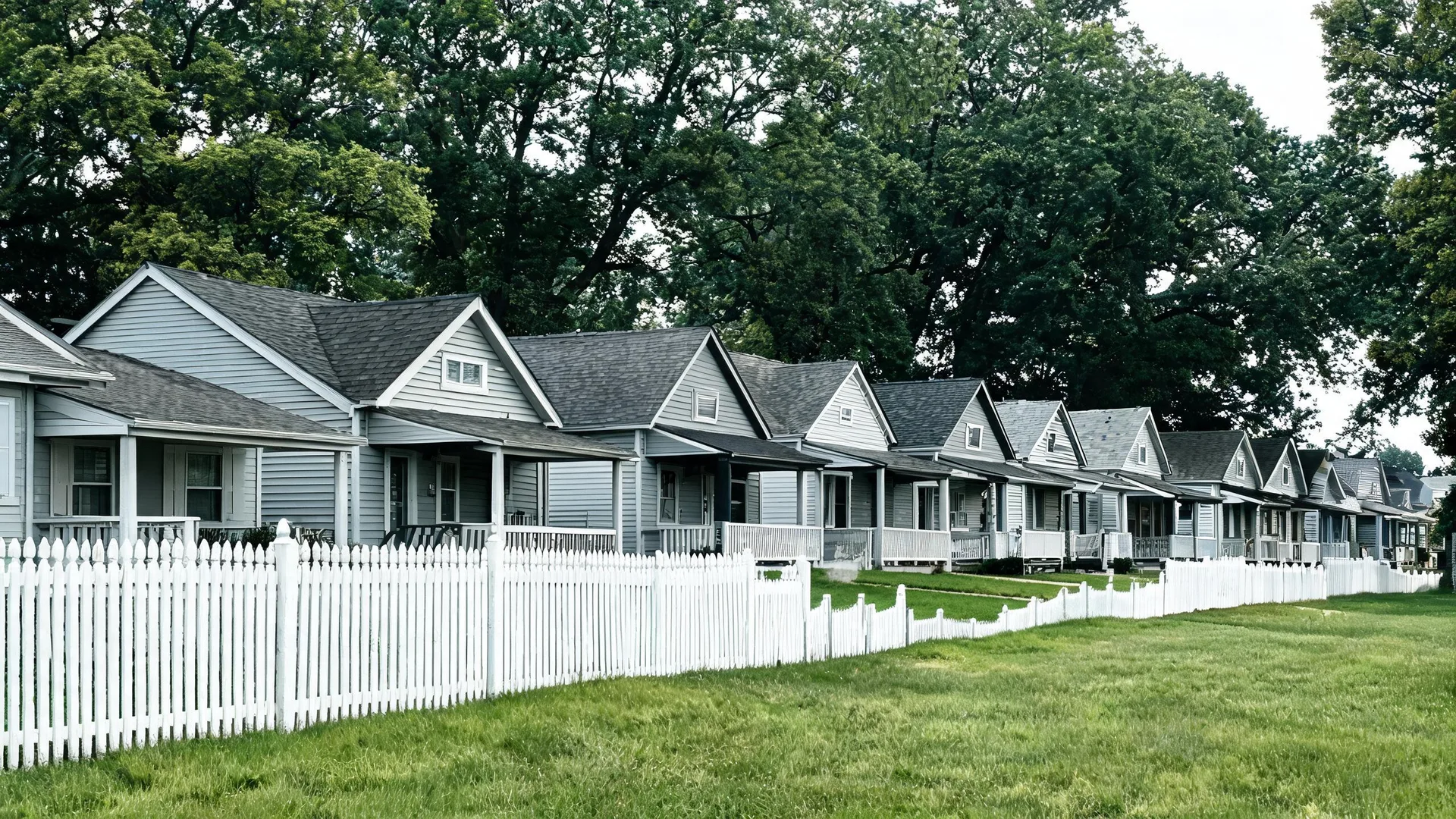
Half the homes here were built in 1972 or earlier
Carbon County's housing stock is old. Half the homes standing today went up in 1972 or earlier, so a furnace in one of these houses is rarely the original.
Takes about a minute. No obligation.
Carbon County's housing stock is old. Half the homes standing today went up in 1972 or earlier, so a furnace in one of these houses is rarely the original.
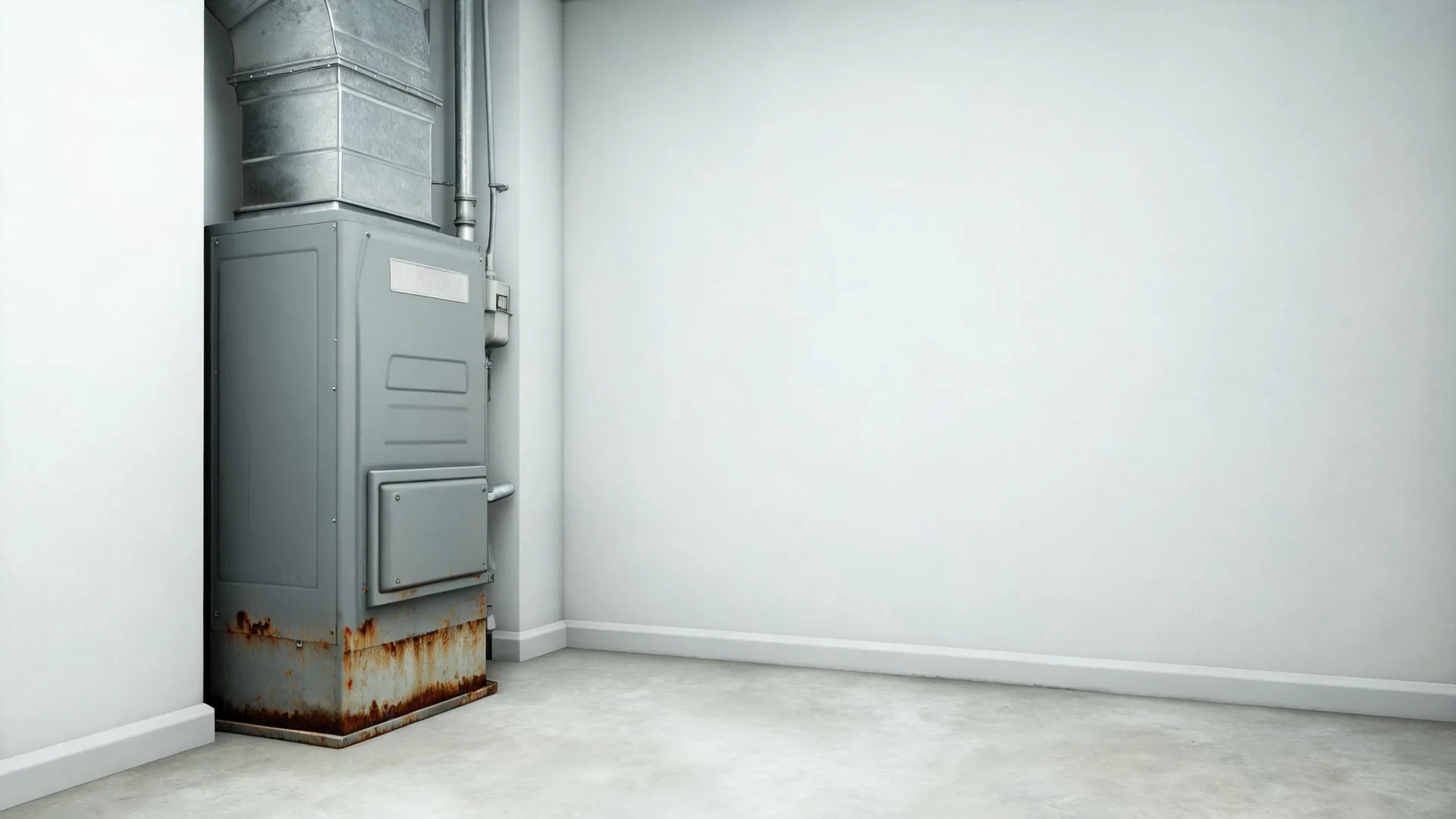
If your furnace is old enough to have come with the house, a repair is worth weighing against how much the unit has left. Ask the technician for an honest read on its remaining years before you commit to a major part.
NOAA nClimDiv, 1991–2020 normals
Furnaces in Carbon County run from October through May, with overnight lows averaging 19°F in the dead of winter.
Eight months of work a year wears parts down faster, so the same problem can turn up sooner than you'd expect.


If your furnace is burning oil, every hour it runs inefficiently is an hour billed at Pennsylvania's going rate, $25.15 per million Btu as of last year. A unit that's short cycling, losing heat up a cracked exchanger, or struggling to hit temperature pulls more fuel to do the same job. That cost shows up on the next bill whether or not you've called anyone yet. Waiting until spring doesn't pause it. Get a technician out to find what's driving the inefficiency, and ask them straight whether it's worth fixing or close to the point of replacing.
If your furnace is old enough to have come with the house, get an honest number on its remaining years before committing to a big part. That answer should decide whether this is a repair call or the start of a replacement conversation.
Find a contractor
A furnace that's struggling usually tells you before it quits outright. A burner that kicks on and off every few minutes instead of running a full cycle is short cycling, and it often means a dirty flame sensor or a heat exchanger making the unit think it's done before it is. Rooms that won't hit the temperature on the thermostat no matter how long the furnace runs point to airflow trouble or a failing blower motor, not a bad thermostat. A furnace that bangs or rattles on startup is probably building up gas before ignition catches, which points to a dirty burner or a worn igniter. If the air from the vents feels lukewarm instead of hot, the heat exchanger could be cracked, and that one doesn't wait for a convenient time. Running all winter instead of just a few cold snaps puts every one of these parts through more cycles, so wear that might take years to show up somewhere milder can show up much sooner.
A dirty flame sensor, a cracked heat exchanger, a failed igniter, a worn blower motor. Furnaces rarely fail all at once. One part goes bad, the furnace compensates or shuts itself down to protect the rest, and what looks like the whole system quitting is usually a single failed part causing it.
A clogged filter forces the blower to work harder and can run the heat exchanger hotter than it should. A dirty burner builds soot that fouls the flame sensor. Left alone, wear in one part spreads to the part next to it, which is why regular filter changes and a yearly cleaning catch problems while they're still small.
A furnace that's struggling and left running doesn't stay a one-part problem for long. Short cycling puts extra wear on the ignition system every time it fires back up, so a dirty flame sensor that could've been cleaned in minutes turns into a failed sensor or igniter. A blower working harder to push air through a dirty filter runs hotter than it should, and that heat has nowhere to go but through the heat exchanger, which is exactly the part you don't want stressed. A small crack in that exchanger doesn't heal on its own. It spreads a little more with every cycle, and once it's bad enough, it's a safety problem instead of a repair. None of this fixes itself by waiting out the cold. The part doing the struggling is the part that fails first, and it takes the parts around it down with it.
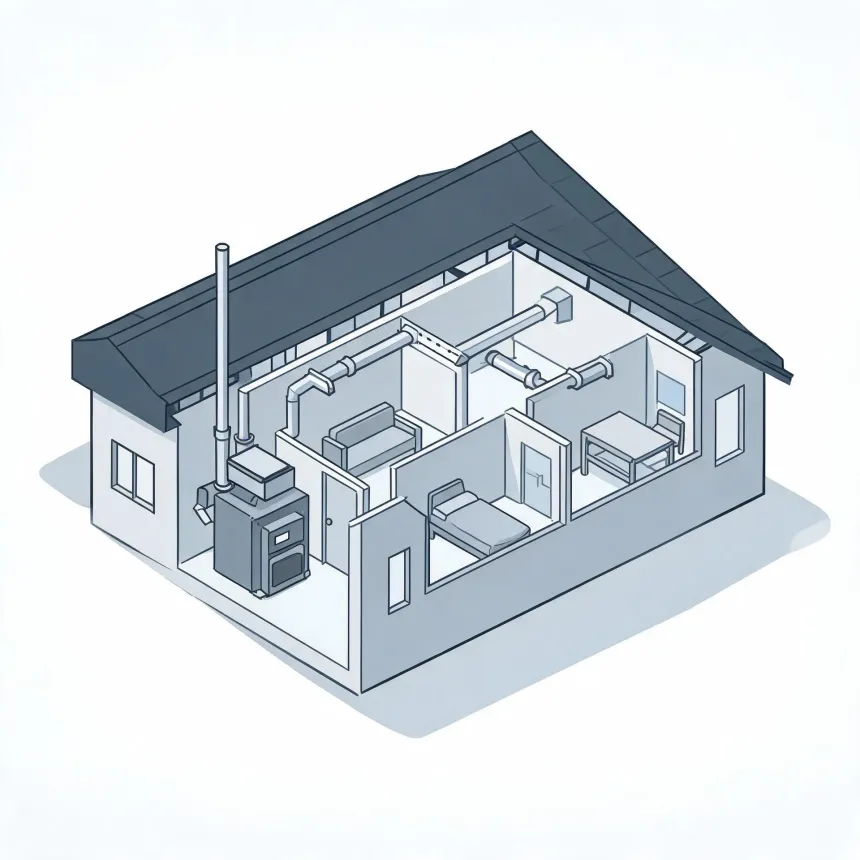
A diagnostic visit starts with the thermostat and the vents, not the burner. A technician checks what the furnace is actually doing. Is it firing at all, is it short cycling, is the air coming out warm or barely there. From there it's a process of elimination. They'll pull the panel and look at the flame sensor and igniter first, since those cause more no-heat calls than anything else. If the burner looks clean and ignition is solid, they move to airflow instead, checking the filter, the blower, the ductwork. A combustion analyzer can check the heat exchanger for cracks that aren't visible by eye. That part matters because it's not one anyone should guess about. By the end you should have a straight answer on which part failed and why, not just that something did.