


A long white picket fence runs beside a mown grass strip in front of a row of gray gabled houses, with large leafy tree branches overhead.

Furnace Repair in Bethlehem, PA

Tell us about the job

Takes about a minute. No obligation.

Step 1 of 3: Equipment

Your furnace in Bethlehem runs about eight months a year, October through May. Overnight lows average 22°F through December, January and February. That's a long season, but it's not an extreme one. Nothing about the cold here asks more of a furnace than the cold anywhere else in this part of Pennsylvania. So when a furnace acts up, it's almost always one of the same handful of things. A failed igniter. A dirty flame sensor. A clogged filter choking airflow. A blower motor on its way out. Winter storms have come through 18 times in the past decade, so a furnace giving out mid-February shouldn't surprise anyone. It just means it's time to find the actual cause and fix that part.

8 months
October through May, your furnace is on duty
22°F
the average winter night it heats against
18 winter storms
in ten years, the nights a failure hurts most
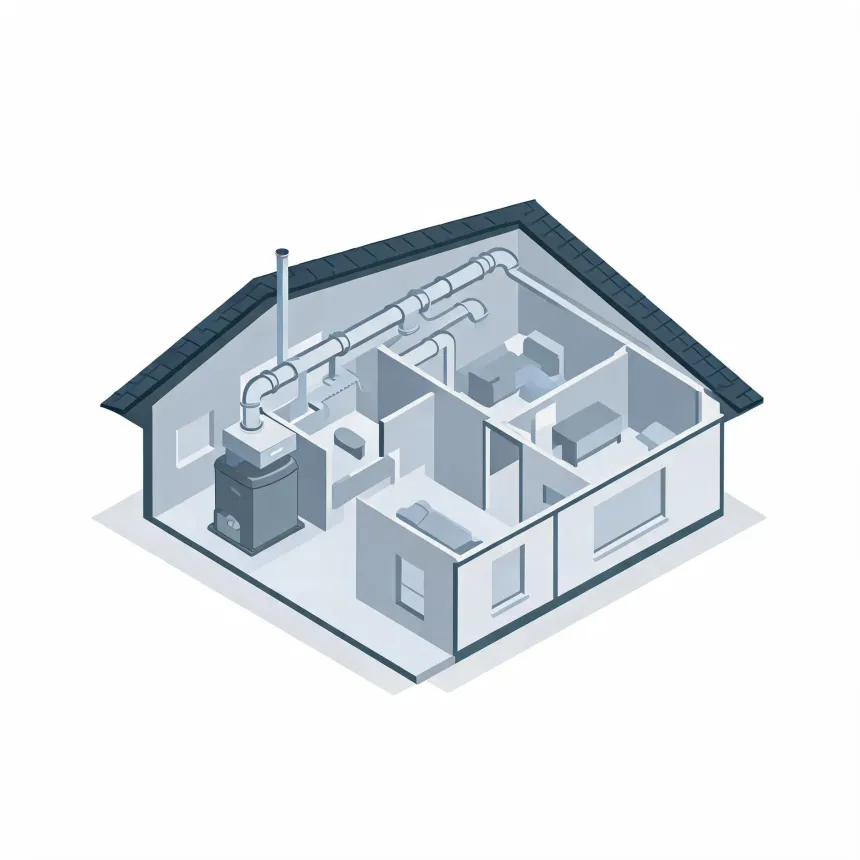
Isometric cutaway illustration of a single-story house showing interior rooms, ductwork running along the ceiling, a flue pipe through the roof, and a dark furnace unit in one corner.
Your furnace works hardest from November through March.

NOAA nClimDiv, 1991–2020 normals

September is the last quiet month before furnaces in Bethlehem switch on for October.

A furnace that sat off since spring shows its weak parts in the first cold weeks of the season.

A long season, not a harsh one, is what wears a furnace down here

Heat runs October through May
Winter nights average 22°F
18 winter storms from 2015 to 2024

Half the homes in Northampton County were built in 1971 or earlier. If your furnace is the same age as the house, it's had a long run already, and furnaces don't run forever. A repair now might be a small, sound fix on a unit that still has good years left. But if it's old and already seen a few repairs, it's worth asking a contractor how much life is actually left in it.

Get the usual fix

Nothing about this area is especially hard on it. It's most likely the usual problem with the usual fix.

Find a contractor
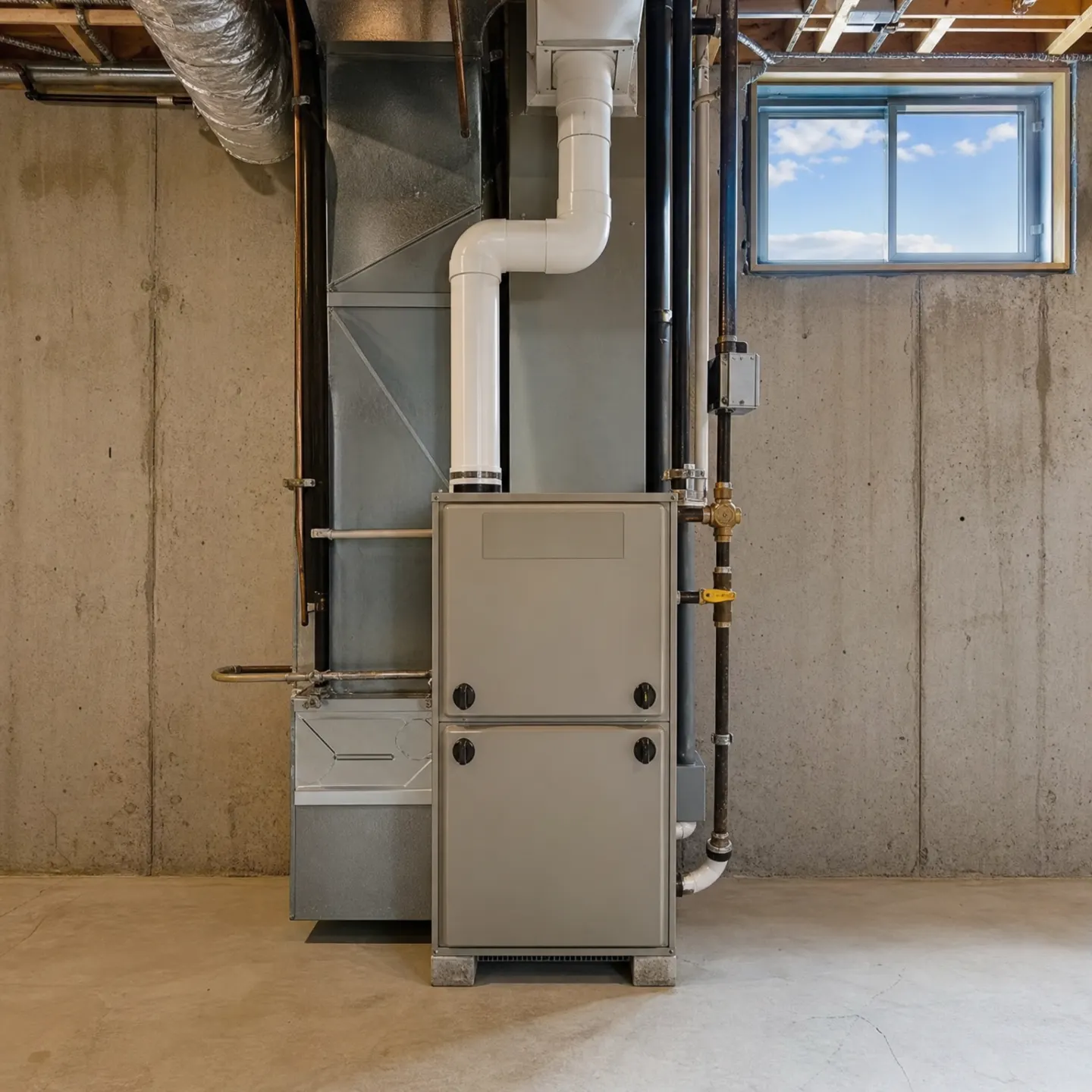
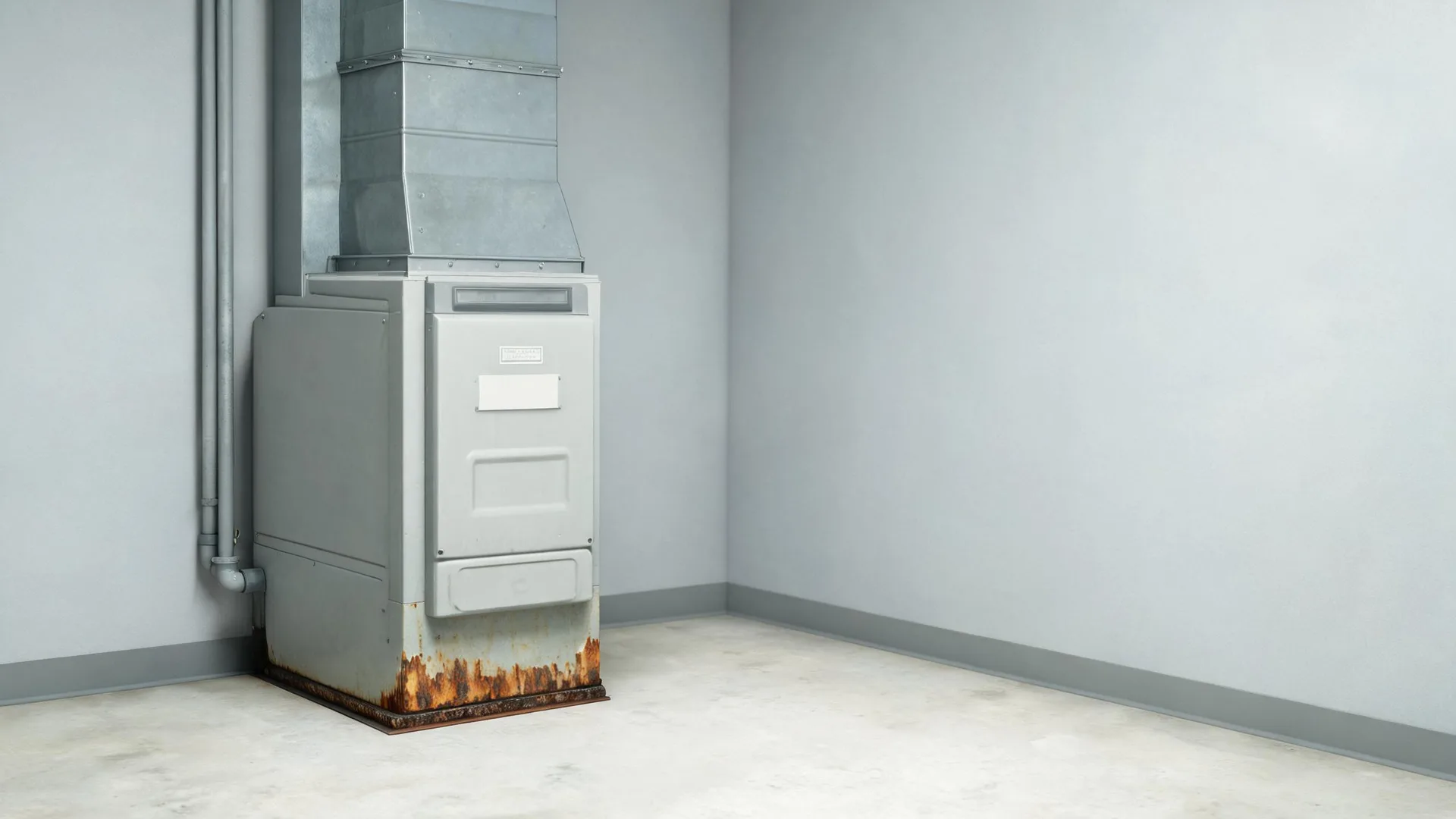
A gray gas furnace with attached ductwork and piping installed in an unfinished concrete basement.

Ask what the repair is actually buying you

Ask before paying for the repair, not after. A contractor can look at the furnace and tell you whether the age matches the wear, and whether this fix is worth doing on its own or only as part of a bigger decision. That's a five-minute question to ask while they're already there.

Check the filter first

A filter clogged with dust blocks airflow and can make the furnace shut itself off before it finishes a cycle. Pull it out and hold it up to a light. If you can't see light through it, it needs changing. This alone fixes a lot of no-heat calls.
Check the thermostat and the switch

Make sure the thermostat is set to heat and the temperature is actually above room temperature. Then find the furnace's power switch, it looks like a regular light switch, mounted on or near the unit, and confirm it's on. Both get bumped off by accident more than people expect.

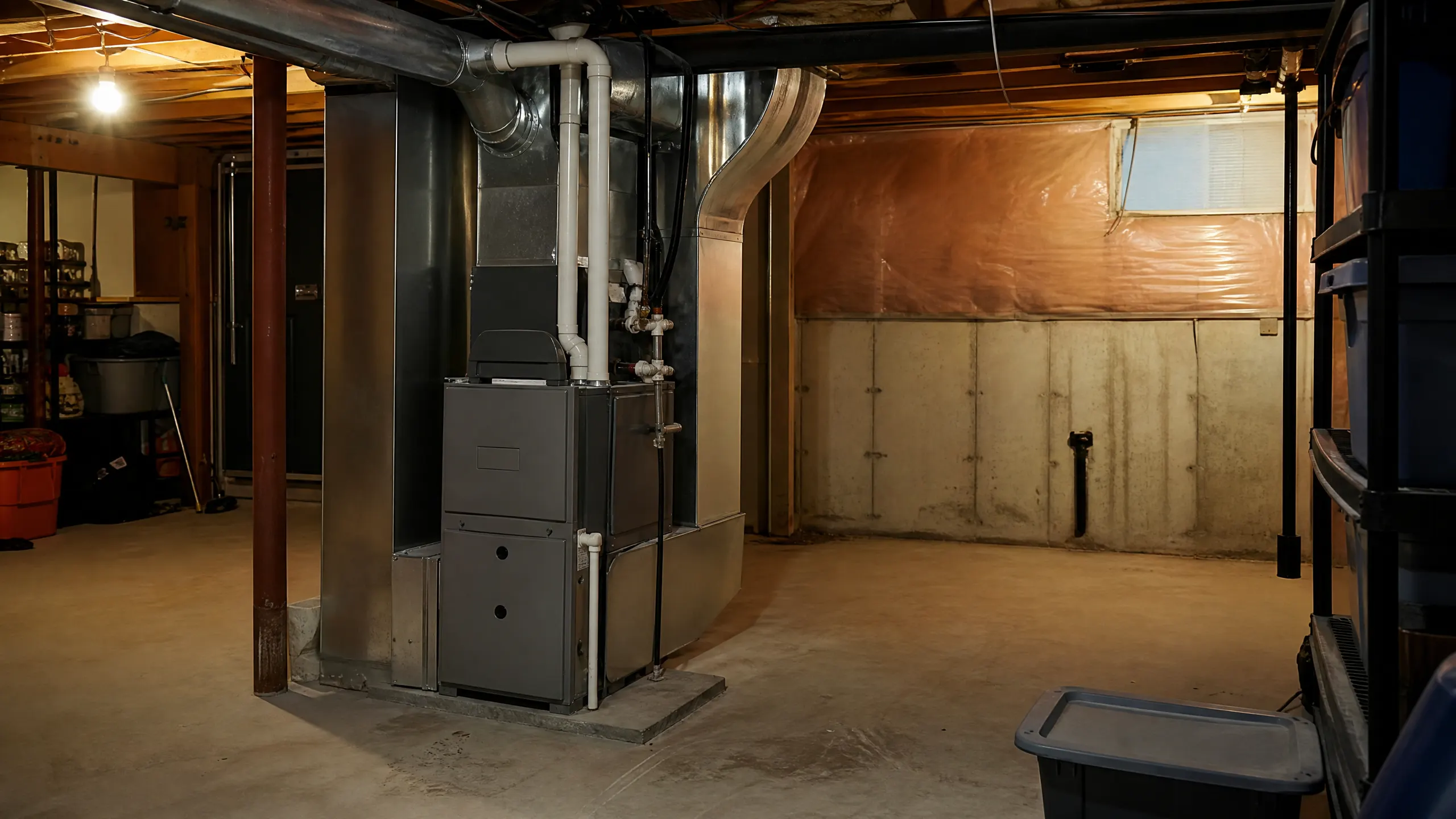
A gas furnace with sheet-metal ductwork and PVC pipes installed in an unfinished basement.

A new furnace would cut about $150 a year off heating for a typical Northampton County home.

  • A new high-efficiency furnace$620 a year
  • An older furnace$770 a year

Estimates for a typical Northampton County home, compared with an older unit built to the previous federal minimum, from EIA household energy data, Pennsylvania fuel prices and NOAA climate normals. Your home will differ.

Repair makes sense when one part has failed and the heat exchanger is sound.

Replacement makes sense when the heat exchanger is cracked or the furnace keeps needing parts.

A repair makes sense when the problem is a single worn part in a furnace that's otherwise sound. An igniter, a flame sensor, a capacitor, these fail on their own schedule and swapping one doesn't say anything bad about the rest of the unit. What changes the math is a heat exchanger crack or a control board failure, because those sit at the center of how the furnace runs and cost enough to fix that they force the bigger question anyway. The other thing worth weighing is pattern. One repair in several years is just a part wearing out. A furnace that's needed a repair every winter for the past few years is telling you it's done being reliable, even if each fix on its own looks small and reasonable.