




A row of illuminated white colonial houses along a road photographed at dusk.

Furnace Repair in Allentown, PA

Tell us about the job

Takes about a minute. No obligation.

Step 1 of 3: Equipment

Furnaces in Allentown run from October through May, close to eight months of the year. Overnight lows average 22°F in the coldest stretch of winter, so the furnace is working hardest right when you need it most. That's a normal load for this machine, not an unusual strain. The problems that turn up here are the same ones that turn up anywhere a furnace runs this much. A failing igniter, a dirty flame sensor, a clogged filter choking airflow. The area has seen its share of winter storms too, and a furnace that's already struggling can pick the worst week to quit. Finding the actual cause and fixing that part is what gets the heat back on, not guessing at it.

8 months
October through May, your furnace is on duty
22°F
the average winter night it heats against
22 winter storms
in ten years, the nights a failure hurts most
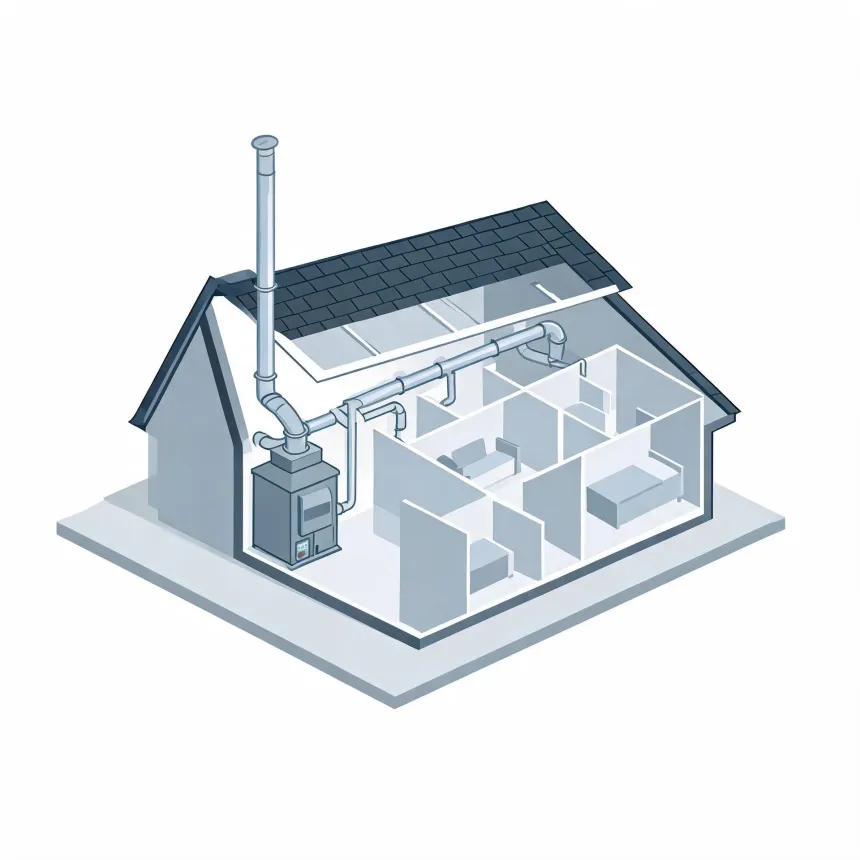
Isometric cutaway illustration of a house showing interior rooms with furniture, a furnace unit with a tall flue pipe outside, and ductwork running through the attic.
Your furnace works hardest from November through March.

NOAA nClimDiv, 1991–2020 normals

A cracked heat exchanger gets worse every hour the furnace keeps firing.

Shutting it down when something smells or sounds wrong is what keeps a repair from turning into a replacement.

Electricity here runs $52.07 per million Btu, and a furnace off from October to May never catches a break to cost you less

Heat runs October through May
Winter nights average 22°F
22 winter storms from 2015 to 2024
October is when a weak furnace shows itHeat runs here from October through May, and the first cold snap is what finds the part that was already failing.

Half the homes in Lehigh County were built in 1968 or earlier. If your furnace came with a house that age, it's worth asking how old the unit itself is, since one installed decades ago is closer to the end of its working life than the middle. That changes what a repair call is really about. A part replaced on a newer furnace is just a part replaced. The same part on an old furnace might be the first of several, and it's fair to ask the technician how much life is likely left before committing to the repair.

A furnace that's not running right costs more every month it goes unfixed

Electricity here runs $52.07 per million Btu, and a furnace that's not firing right burns more of it to put out the same heat. Getting the actual part fixed is what stops that, not waiting out the season.

Find a contractor
A man in a dark shirt and tan pants carries a canvas tool bag as he walks up concrete steps toward a blue front door on a porch with a potted shrub.
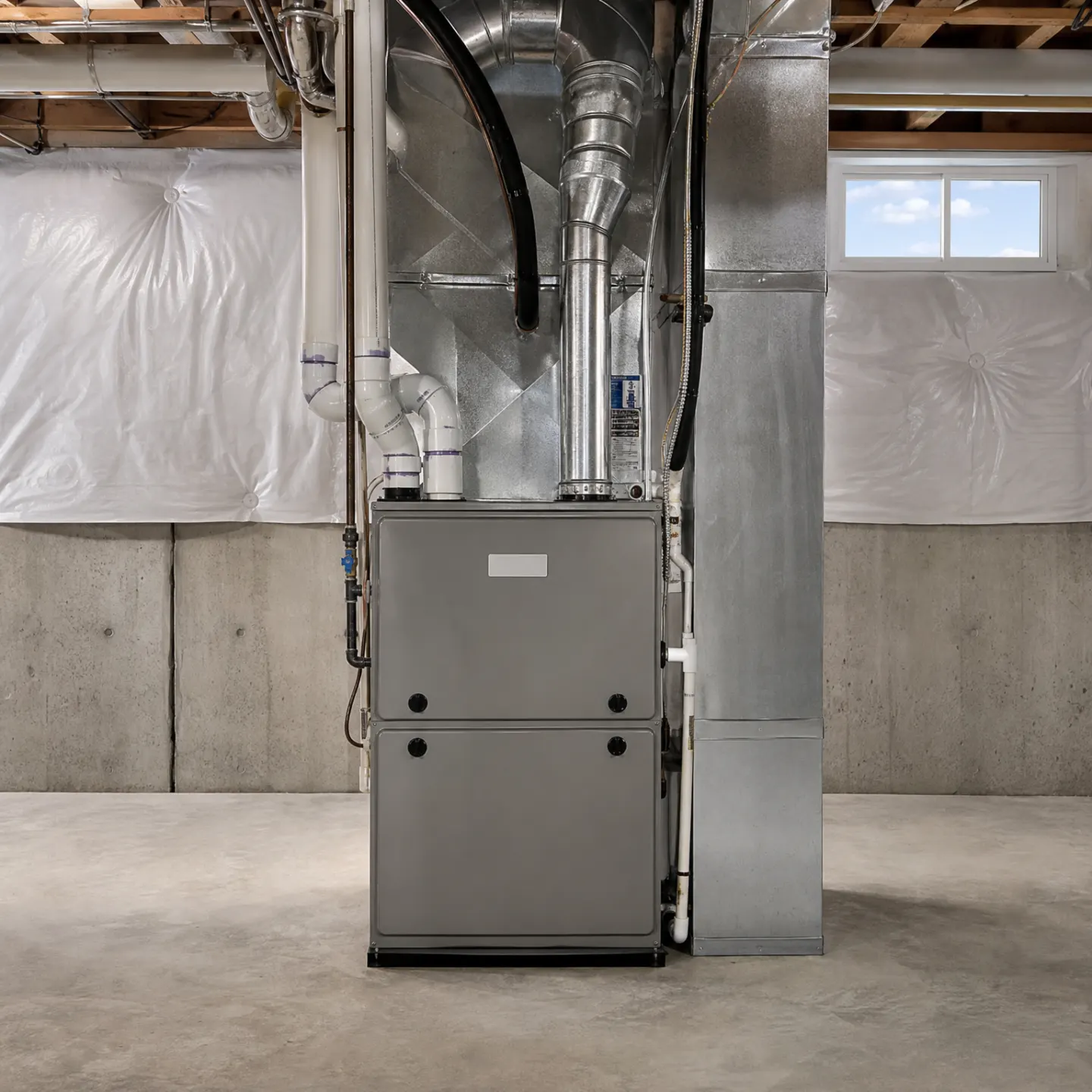
A gray residential gas furnace installed in an unfinished basement, connected to sheet-metal ductwork and PVC pipes.

What actually happens when the panel comes off

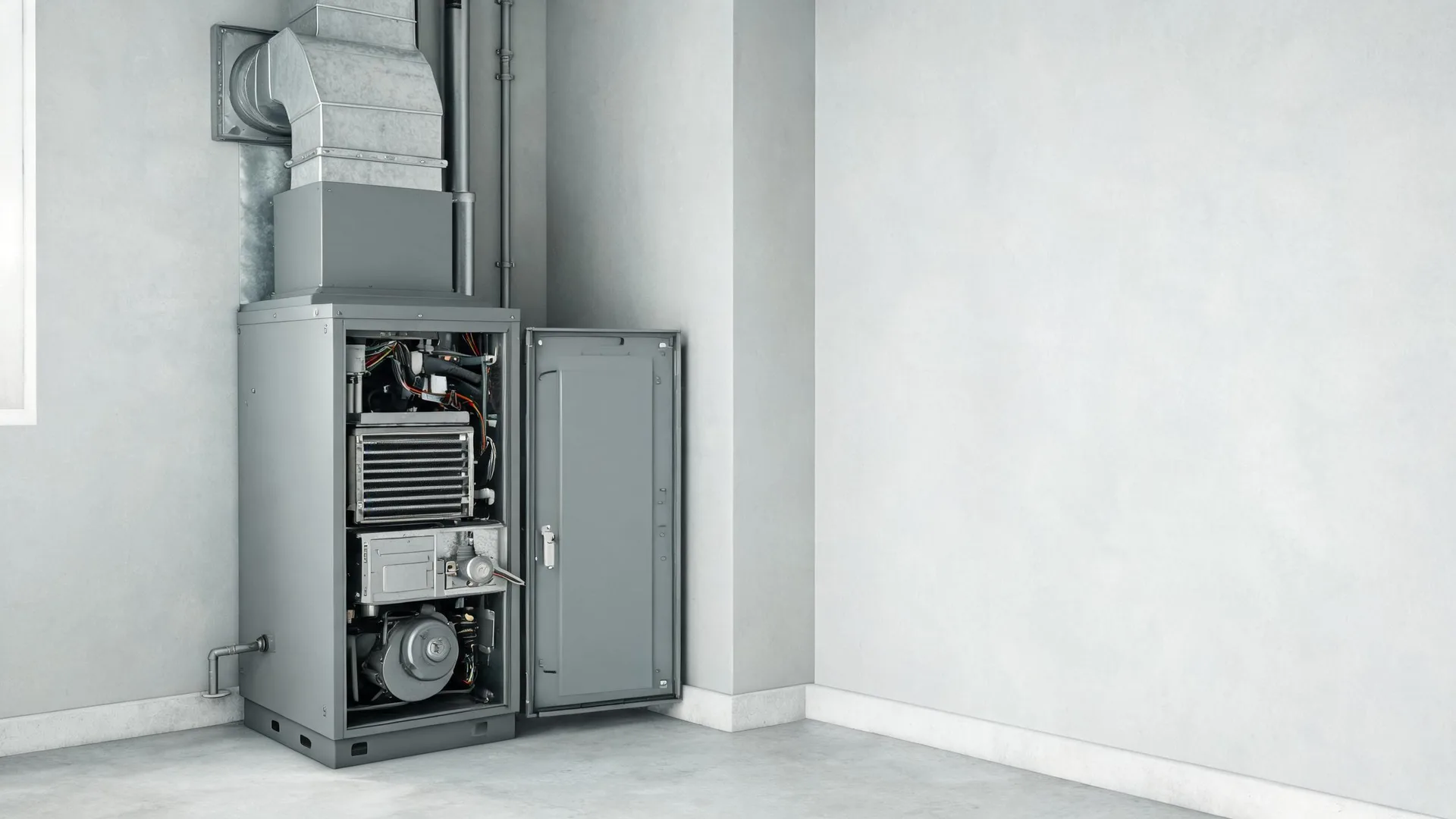
A technician starts by asking what the furnace was doing before it quit. What it sounded like. Whether the air coming out was cold or not moving at all. Then the panel comes off and the blinking light gets read first, since that code narrows down where to look. After that it's a process of checking things in order. Power to the control board. The igniter, glowing or not. The flame sensor's signal. The pressure switch. The limit switch. Each check rules something in or out. A multimeter reads voltage at the parts that run on electricity. A manometer reads gas pressure where that's the question. None of it is guesswork. It's how a tech narrows a furnace that won't start down to the one part that's actually stopping it, so the repair fixes that part and nothing else gets touched that didn't need it.

Wear takes out the small parts first

The igniter cracks or weakens from being heated and cooled every cycle, all season. The flame sensor coats over with a thin layer that builds up until it can't sense the flame anymore. Neither part fails from one bad night. They wear down from ordinary use until the one cycle they can't get through anymore.
Airflow problems cause the rest

A clogged filter chokes the air moving across the heat exchanger, and the furnace overheats trying to push through it. That trips a limit switch meant to shut things down before real damage happens. The fix might look like a dead furnace, but it can be the furnace protecting itself exactly the way it's supposed to.

Before you call, check the filter. Pull it out and hold it up to a light. If you can't see through it, swap it, and if the furnace kicks back on, that was the whole problem. Next, check the thermostat is set to heat and the temperature is actually set above room temperature, not just displaying it. Look at the furnace itself for a blinking light near the access panel. That light flashes a code, and the number of blinks usually points to what's wrong, so write it down before you reset anything. Check that the switch on or near the furnace, the one that looks like a light switch, hasn't been bumped off. If the furnace runs but no warm air comes out of the vents, that's a different problem than a furnace that won't start at all, and worth telling the technician exactly which one you've got.

Age by itself doesn't settle whether to fix or replace. What settles it is what's actually failing and how often it's starting to fail. A furnace that's needed one part in several years is still a sound furnace. One that's had a string of different parts give out over a couple seasons is telling you something else, that the whole unit is wearing out at once and the next failure is already waiting behind this one. The heat exchanger matters most here. It's not a part a furnace gets replaced piece by piece, so a crack in it is usually the real end of the furnace's life, not just another repair. Ask whether what failed this time is a wear part on its own, or a sign the furnace is breaking down more broadly. That answer tells you more than the furnace's age does.