Electricity here runs $52.07 per million Btu
Pennsylvania's electricity cost homes $52.07 per million Btu in 2024, state data shows. A boiler that wastes heat burns through that rate every time it fires.
Takes about a minute. No obligation.
Pennsylvania's electricity cost homes $52.07 per million Btu in 2024, state data shows. A boiler that wastes heat burns through that rate every time it fires.
Two boilers can heat the same house and leave very different bills behind. At this price per Btu, the difference between a well-matched system and an oversized or inefficient one shows up every month it runs.
Half the homes in Lehigh County were built in 1968 or earlier.
A boiler going into a house that old has to be sized to that house, not to a standard floor plan.




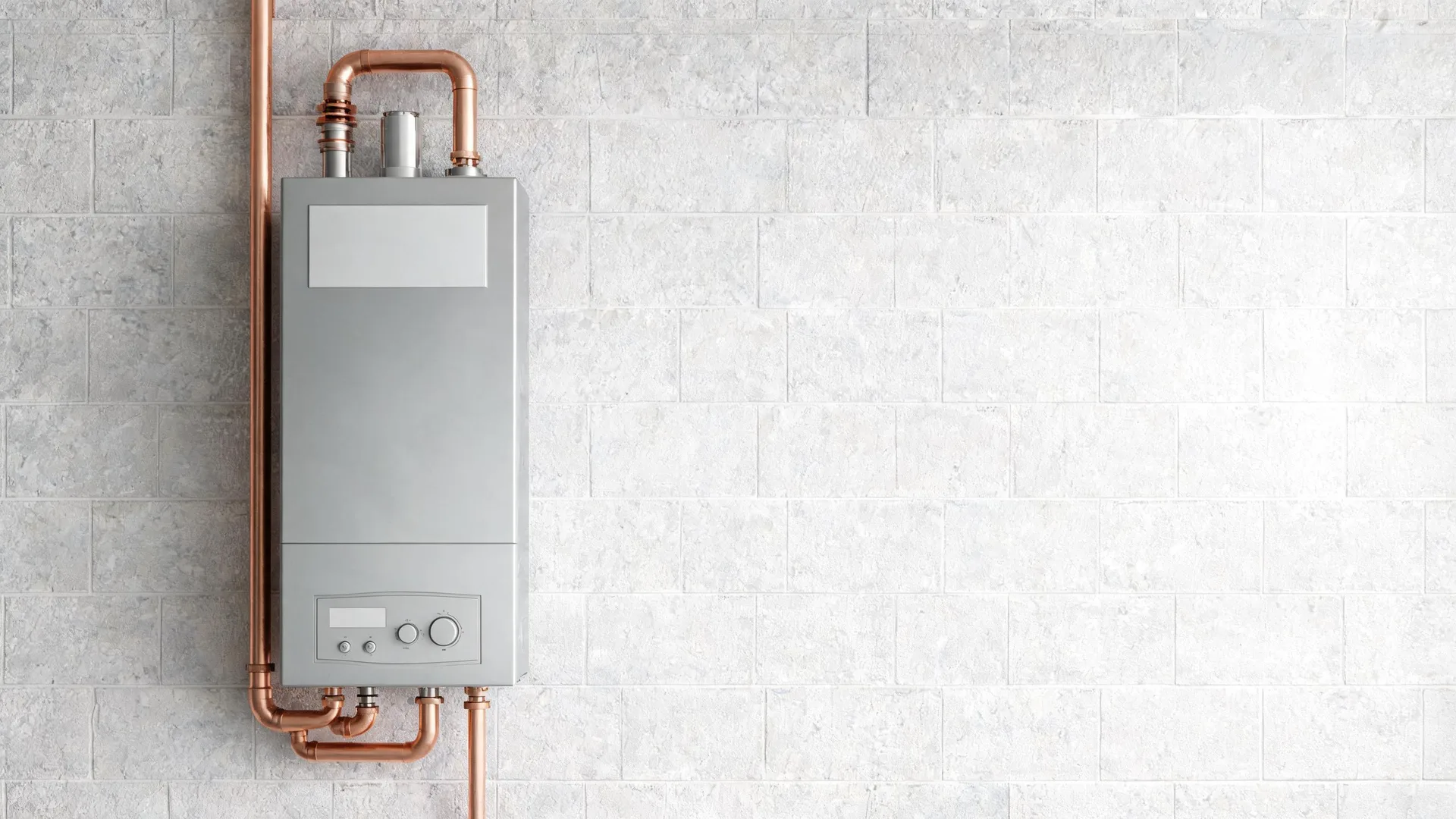
Electricity heats more homes in Lehigh County than any other fuel, at 40.7%. Utility gas comes next at 34.7%, and fuel oil runs well behind both at 18.4%. A boiler needs a fuel source to fire it, and most boilers run on gas or oil rather than electricity, so the fuel already serving this house usually decides what kind of boiler goes in. If a gas line already reaches the house, a gas-fired boiler is the straightforward swap. If the house runs on oil, replacing the boiler with another oil-fired unit avoids the cost of bringing in a new fuel line. Matching what the house already has is almost always simpler than switching fuels during an install.
At $52.07 per million Btu, a boiler sized and installed right earns that back every month it runs. The install is the one chance to get that match right before the bills start.
Find a contractorA contractor measures the house room by room to find how much heat it actually loses on the coldest days, then sizes the boiler to match. Swapping in a boiler the same size as the one coming out skips that step, and it carries over whatever sizing mistake the last install made.
A boiler needs venting rated for its fuel type, and the pipes carrying heat through the house need to match what the new unit pushes out. If the old venting or piping does not meet what the new boiler calls for, replacing it adds to the job before the boiler itself ever fires.
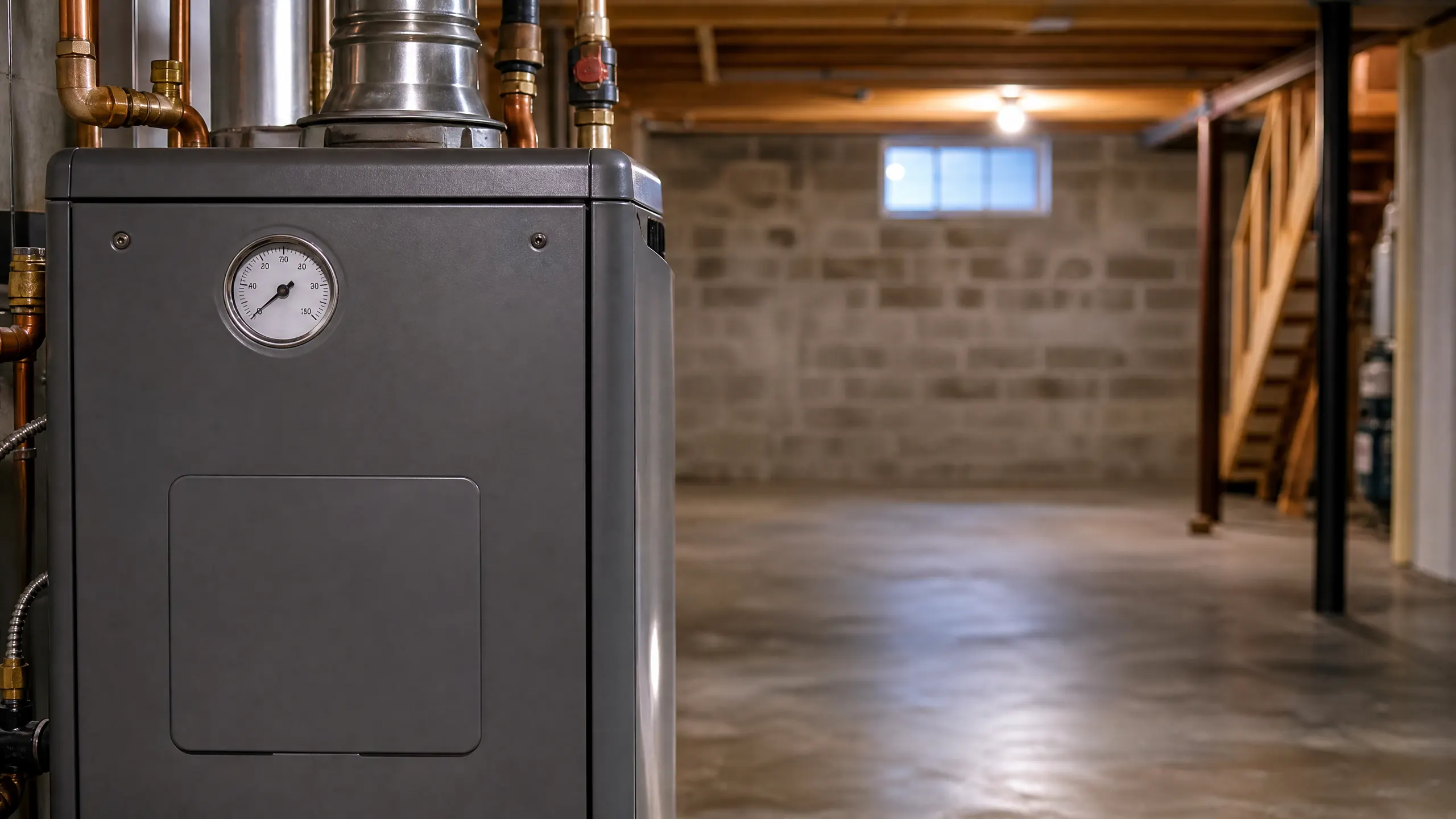
The old boiler does not just get hauled away. A tech has to disconnect it from the gas or oil line, the water piping, and the vent connector before it can come out, and each of those has to be closed off or capped safely. Draining the system comes first, since a boiler and its piping hold water under pressure. If the unit is old enough to have an oil tank feeding it, that tank may need to be drained and removed too, which is its own job separate from the boiler swap. Once the old unit is out, the contractor checks what it leaves behind: the venting, the gas or oil line, the electrical connection. Some of that gets reused if it still meets code for the new boiler. Some of it gets replaced because the new unit calls for something the old one didn't.
Lehigh County falls under zone 5A, a cool, humid climate where heating carries most of the load across the year. Any gas-fired hot water boiler installed here now has to turn at least 84 percent of the gas it burns into heat over a heating season, if it was built on or after January 15, 2021. That floor is already built into what's on the market, so it shapes which boilers a contractor can offer rather than something to negotiate at the install. A federal tax credit is available for qualifying high-efficiency boilers, worth looking into before the purchase is final. Meeting the minimum is the starting point here, not the finish line, since every point of efficiency above it is a point this house doesn't pay for on the next bill.