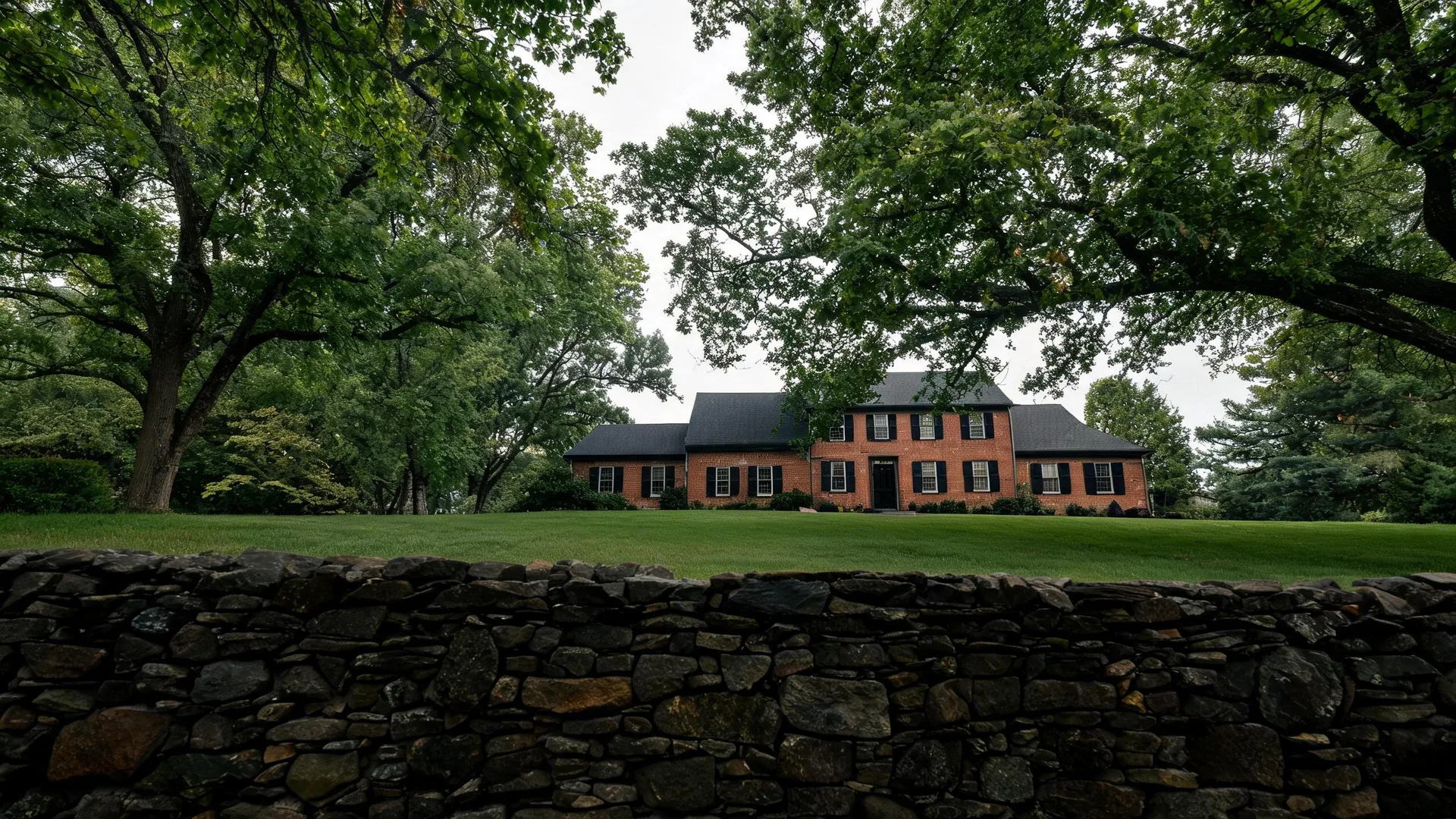




A two-story brick house with black shutters and a dark roof stands behind a mown lawn, framed by large leafy trees, with a dry-stacked stone wall across the foreground.

Boiler Installation in Palmerton, PA

Tell us about the job

Takes about a minute. No obligation.

Step 1 of 3: Equipment

If your boiler runs on fuel oil, the cost per gallon adds up fast here. Pennsylvania homes paid $25.15 per million Btu for fuel oil in 2024, and that cost doesn't change based on how old or worn your boiler is. An inefficient boiler burns more oil to put out the same heat, so the gap between a tired unit and a new one shows up on every delivery. When you're comparing installation options, ask what fuel each one uses and how it's rated. That number matters more here than in places where oil costs less to begin with.

Half the homes in Carbon County went up in 1972 or earlier.

A boiler going into a house that old has to match the pipes and radiators already there, not a standard layout.

Eight months of heat, nights near 19, and winter storms nearly every year

Heat runs October through May
Winter nights average 19°F
22 winter storms from 2015 to 2024
Fuel oil still heats most of Carbon County40.5% of homes here run on fuel oil or kerosene, more than any other fuel.

Carbon County falls in zone 5A, a cool climate where heating does most of the work a boiler has to do. Any gas-fired hot water boiler built on or after January 15, 2021 has to reach 84 percent AFUE to be installed here. That's a floor set by the energy code, not a feature some models have and others skip. It rules out the older, less efficient designs that used to be on the table. Ask what AFUE rating a boiler carries before you settle on one, since in a heating-dominated zone that number keeps showing up on every bill.

Put the new boiler in before October, not after

Heat runs here from October through May. A boiler installed in September goes in on your timeline, with time to size it right for your pipes and radiators and test it before the cold sets in. Wait until the heat is already needed and the job gets done in a hurry instead.

Find a contractor
A man in a cap, long-sleeved shirt and work pants carries a canvas tool bag up porch steps toward a dark blue front door, beside a blue ceramic planter.

AFUE is a measure of waste, not output

The rating tells you how much of the fuel actually becomes heat in your house versus what goes out the flue. A boiler rated higher wastes less fuel doing the same job. It says nothing about how big a space it can heat, so a high rating on an undersized boiler still leaves rooms cold.
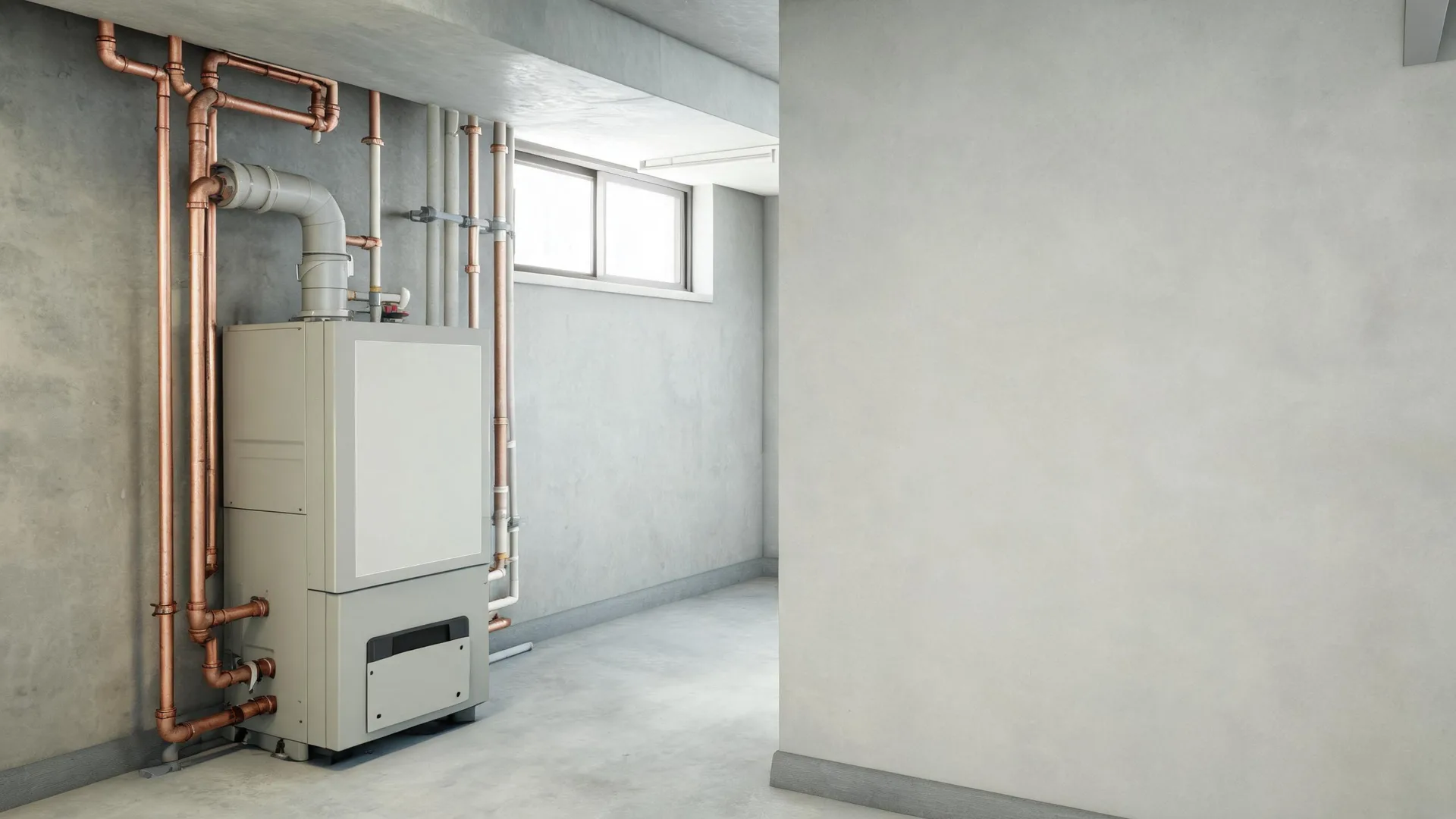
The rating on the label holds up only if the install is right

A boiler reaches its rated efficiency when it's sized to the home and piped the way the manufacturer specifies. Oversize it, shortchange the venting, or skip the commissioning checks, and it burns more fuel than the label promises. The number is a ceiling, not a guarantee, and the installer's work decides how close you get to it.

The boiler itself is only part of what you're paying for. Sizing takes real work. A contractor has to calculate the heat loss for each room against the radiators or baseboards already in place, not just swap in whatever matches the old unit's output. Venting is another piece. A high-efficiency boiler vents differently than a standing pilot model, and running new venting or a condensate line costs more than reusing what's there. Piping matters too, especially if the new boiler sits in a different spot than the old one or needs a buffer tank to work with the existing zones. Controls and zone valves add more if the system is being split into separate areas instead of heating the house as one loop. None of this shows up on the sticker price of the boiler, but all of it decides what the install actually costs.

Installation day starts before the crew even carries the new boiler in, with the old one drained and disconnected and the area cleared so there's room to work. Expect the old unit to come out first, along with any piping or venting that isn't being reused. Setting the new boiler in place and running gas, water and venting lines takes most of the day on its own, especially if the flue pipe has to change size or route. Once it's connected, the system gets filled and purged of air, then fired up and checked at low and high settings to see that it responds the way it should. Controls get set, zone valves get tested, and the installer should walk the system through a full cycle before calling the job done. A boiler that's never been fired and tested under real conditions is still an unknown, no matter how well it was sized on paper.