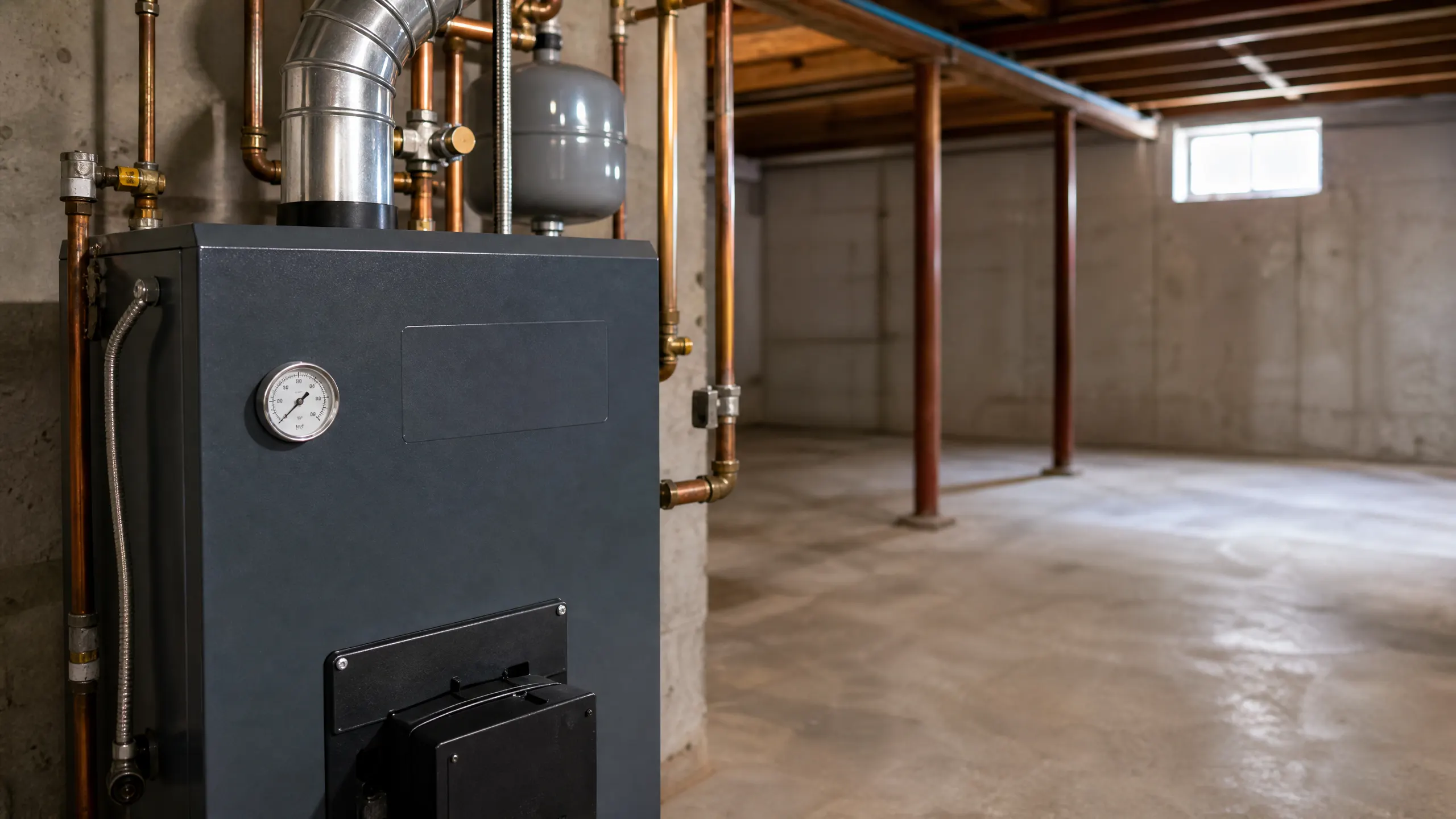


A hydronic boiler with copper pipes, an expansion tank, and a pressure gauge mounted in an unfinished concrete basement.

Boiler Installation in Wilkes-Barre, PA

Tell us about the job

Takes about a minute. No obligation.

Step 1 of 3: Equipment

Half the homes in Luzerne County were built in 1960 or earlier. A boiler going into a house that age is going into piping and radiators that have been there a long time, sized for whatever was running the heat back then. A new boiler has to match what's already in the walls and floors, not just the square footage. Get the sizing wrong and the whole system runs worse, no matter how good the boiler itself is. That's a different job than installing one in a house built last year, and it's worth knowing which one you're actually getting a quote for.

Boilers here run from October through May.

A new system needs to hold up for eight months of work every year, so sizing it right matters more than saving a few dollars on the unit.

Gas heats half the homes in Luzerne County, and most boilers here are built to match it

50.3% of homes heat with gas
Heat runs October through May
Winter nights average 19°F

Luzerne County sits in climate zone 5A, a cool zone where the heating load is what matters most. Any gas boiler manufactured on or after January 15, 2021 has to turn at least 84 percent of the gas it burns into heat over the winter. That standard applies no matter who installs it or which brand you choose. A federal tax credit is available for qualifying systems, and it's worth asking about when you're pricing one out.

Size it to the house, not just the square footage

A quote should start with what's already in the house, the piping and radiators a boiler this size has to tie into. Ask whoever gives you a number how they're sizing it, not just what unit they're selling.

Find a contractor

Ask how they size it, not what they sell

A contractor should do a heat loss calculation on the actual house before naming a unit, checking room sizes, window area and insulation against the radiators or baseboards already there. If someone quotes a boiler off square footage alone, or just matches the size of the one coming out, that's a guess dressed up as a number. Oversizing wastes fuel through short cycling. Undersizing leaves rooms cold on the hardest days.
Ask what happens to the near-boiler piping

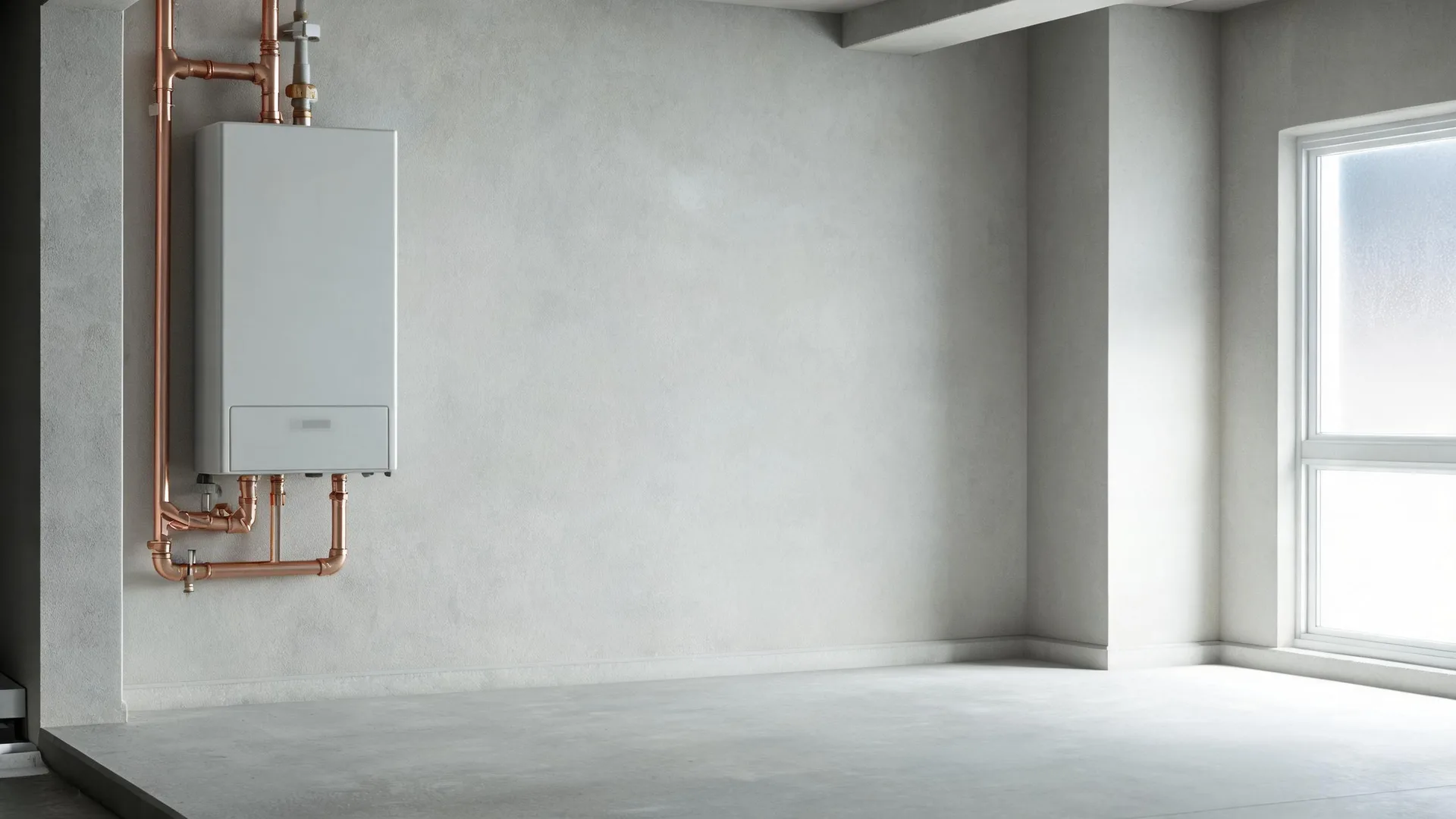
The boiler itself is only part of the job. Near-boiler piping, the expansion tank, the circulator pump and the venting all have to match the new unit, not just the old one. A contractor reusing old piping without checking it against the new boiler's specs can leave you with air trapped in the system or a circulator fighting the wrong head pressure. Ask what parts of the old setup are staying and why.

A heat loss calculation looks at the whole house, not just one number. It weighs window area against wall insulation, ceiling height against how many outside walls a room has, because heat leaves a house through all of those at once. The radiators or baseboards already in place have their own output, and the new boiler has to produce enough hot water to drive them without falling short on the coldest morning of the year. Too small and the boiler runs constantly trying to catch up, never quite getting the far rooms warm. Too large and it heats the house in short bursts, shutting off before it settles into a steady burn, which wears on the heat exchanger over time. The right size sits between those two, matched to the radiation already doing the work, not to the boiler being replaced.

Heat here starts in October and runs through May, eight months of the year. A boiler replacement is a bigger job than a furnace swap, with piping and radiators to tie in, and that takes longer to schedule and longer to do right. Start that process in September and a contractor has time to do the heat loss calculation properly, order the right size unit, and plan the piping work without rushing. Wait until the first cold snap and you're choosing between a hurried install or a few days without heat while parts get sourced. Getting it done before October means it's running on a normal schedule when the temperature drops, not limping through an emergency call.