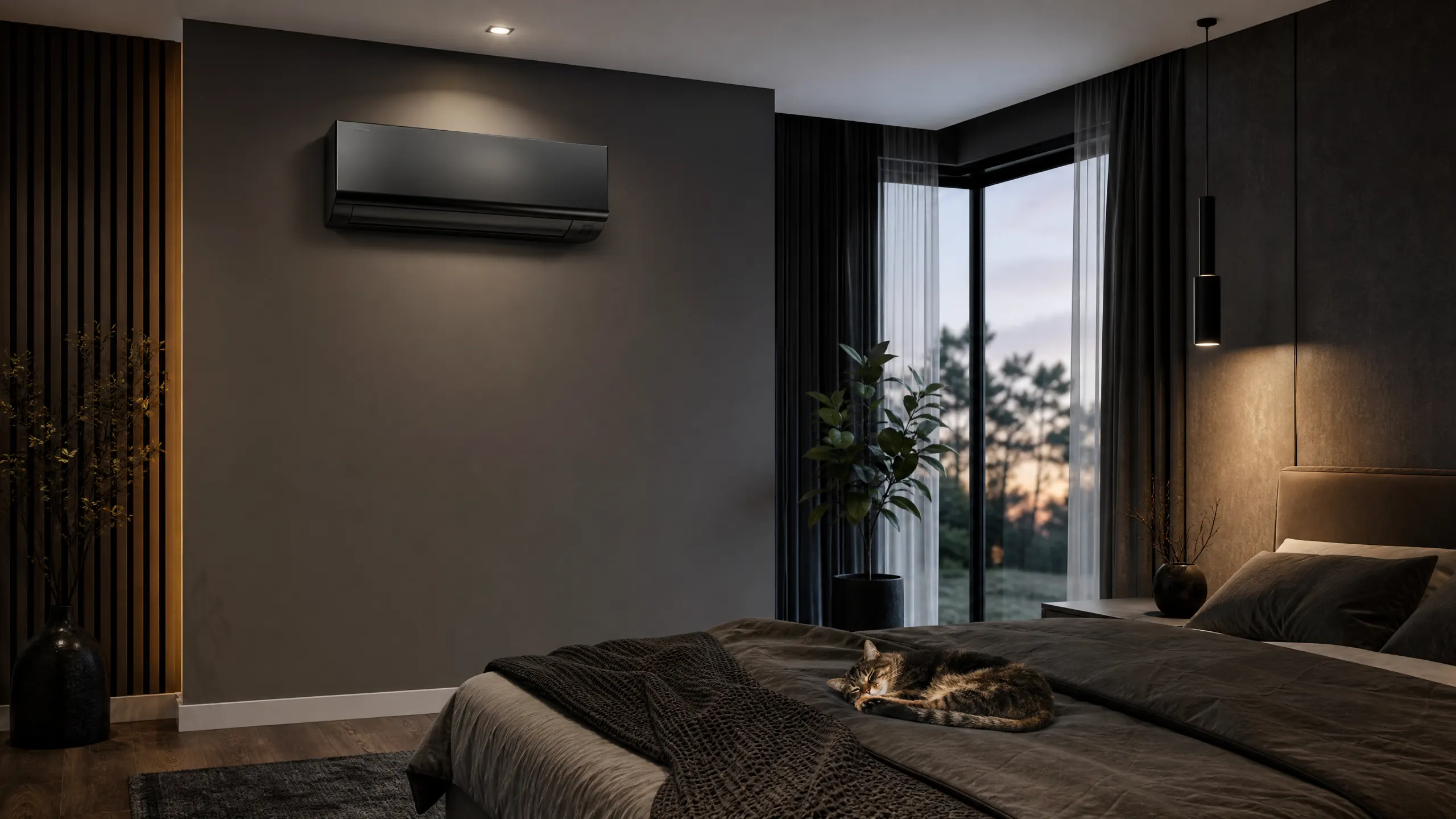




A tabby cat rests on a made bed in a dark modern bedroom equipped with a wall-mounted split air conditioner.

Mini Split Installation in Allentown, PA

Tell us about the job

Takes about a minute. No obligation.

Step 1 of 3: Equipment

Lehigh County saw 283 severe weather events between 2015 and 2024. Most of that was wind, 211 events, with 41 hail events and 22 winter storms mixed in. A mini split's outdoor unit sits outside through all of it, so where it gets mounted and what's around it matters more here than in a calmer county. Power is part of the same picture. In 2024, 15% of Pennsylvania households lost power for 24 hours or more. A mini split needs electricity to run, same as the furnace most homes here rely on, so an outage means no heat and no cooling until the power comes back.

8 months
October through May, your system heats
3 months
June through August, it cools
22°F
the average winter night it heats against
83°F
the average summer afternoon it cools against
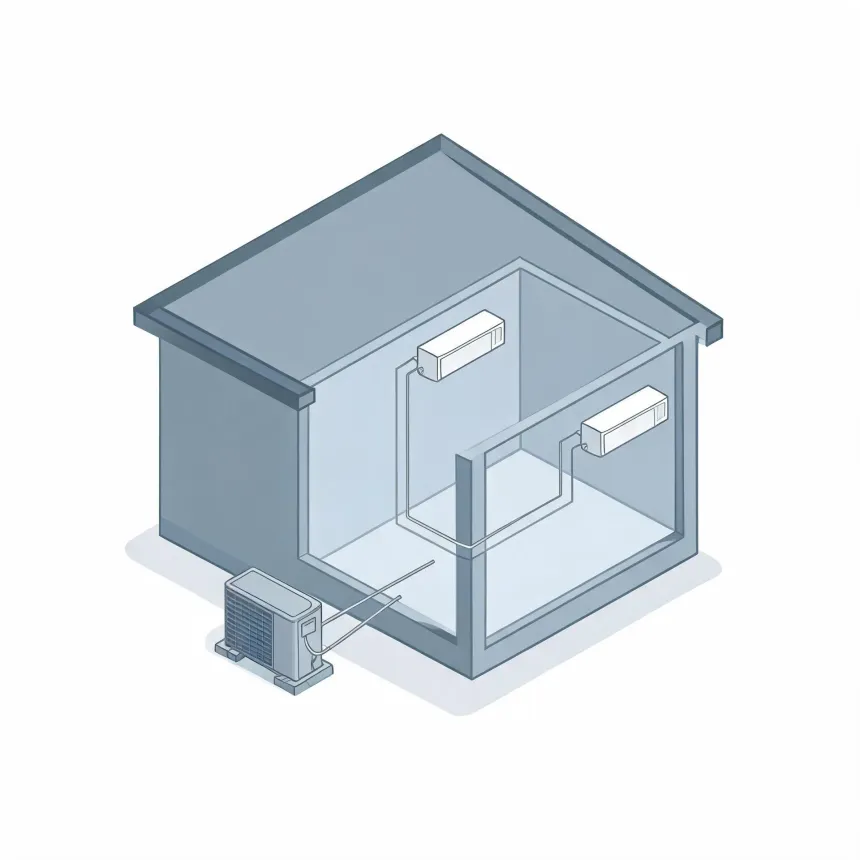
Isometric line illustration of a cutaway building interior with two wall-mounted indoor air conditioning units connected by piping to an outdoor condenser unit on the ground outside.
Your system heats October through May and cools June through August.

NOAA nClimDiv, 1991–2020 normals

Electricity heats more homes in Lehigh County than gas, oil, or propane combined.

A mini split fits into that pattern instead of fighting it.

May gets it running before the heat does

Cooling runs June through August
Summer afternoons average 83°F
211 damaging wind events from 2015 to 2024
Built for the house you already haveHalf the homes in Lehigh County went up in 1968 or earlier.

Lehigh County falls under zone 5A in the energy code, a cool, humid zone where heating counts for more than cooling over the year. Any mini-split sold here has to clear a federal floor to match that: at least 14.3 Btu of cooling for every watt-hour it draws, and at least 7.5 Btu of heating for every watt-hour on the heating side, if it was built from 2023 on. That's not a ductless-only rule. It's the same minimum any split-system heat pump has to meet, mini-split or not. A unit that clears the floor is built to handle a zone 5A winter, not just take the edge off a mild one.

Decide now where the unit sits and what happens when the power doesn't

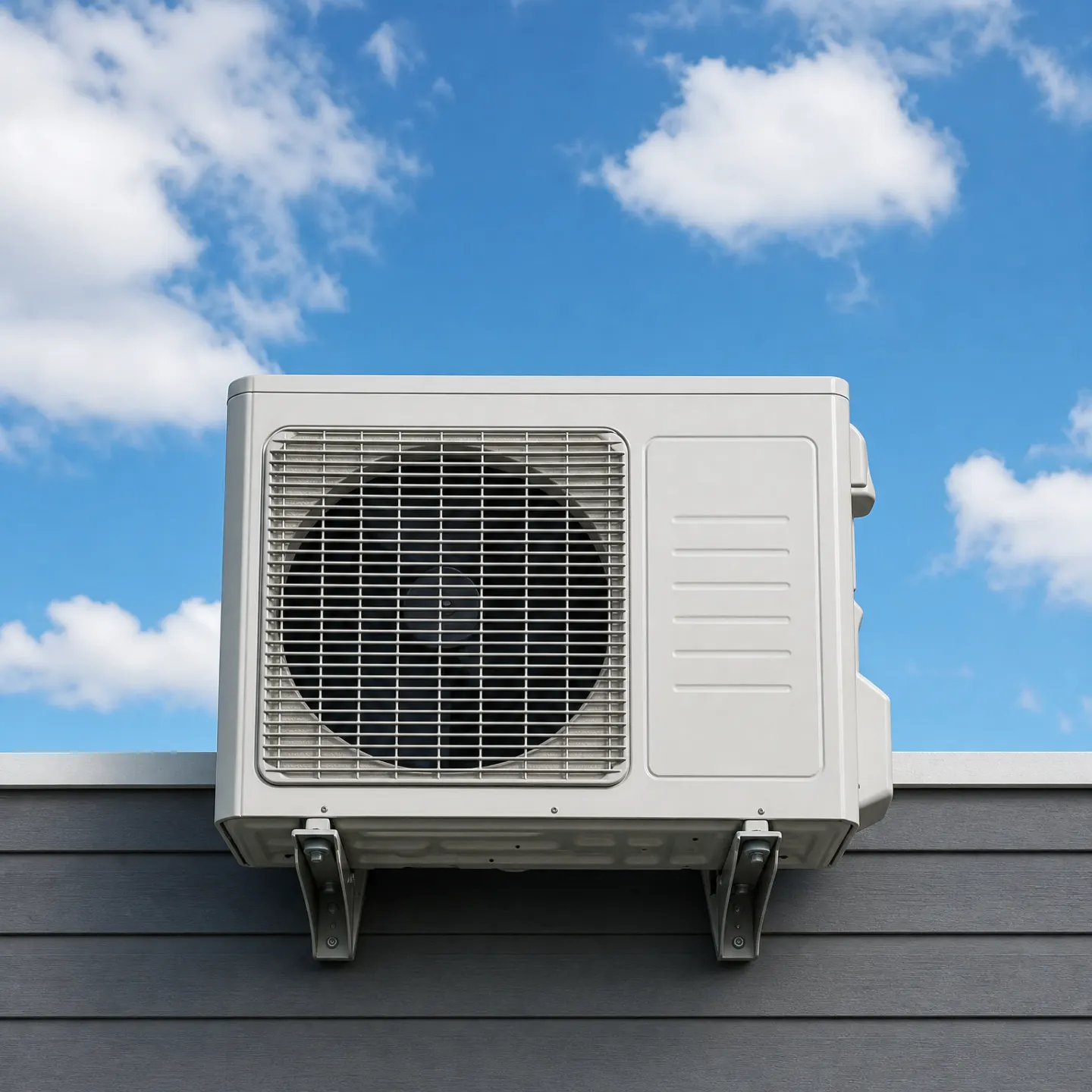
Mount location matters here. Ask the installer to walk you through where the outdoor unit will sit and what will shield it from wind-blown debris and hail. Ask what happens to your heat and your hot water if the power goes out, and for how long you can expect to be without either. Settling those two things before installation is easier than working around them after.

Find a contractor
A white outdoor air conditioner condenser unit mounted on metal wall brackets against gray horizontal siding, with a blue sky and white clouds behind it.

Sized for this house, not a newer one

A mini split installed now should match sizing and placement to the house that's actually here, not a newer one. Half the homes in Lehigh County went up in 1968 or earlier, and an installer sizing the system needs to see the walls, the windows, and the room layout as they are, not guess from the age on the deed. The time-lapse above shows one unit running day into night, season after season. Over years of that kind of run time, a system sized to the wrong house works harder than it should, and that shows up in the power bill long before it shows up as a breakdown.

The old equipment doesn't just get unplugged

A furnace or a central air system has to come apart before it comes out. The refrigerant in a central AC gets recovered, not vented, because releasing it is against the law. A furnace has a gas line and a flue to disconnect, and that has to be sealed off correctly so nothing leaks once the unit is gone. None of that is a quick pull.

The install works around what's already there

Ductwork that fed a furnace doesn't disappear when a mini split goes in. It either gets capped off or left alone if part of the house still uses it. Electrical panels sometimes need a new circuit for the new system, which is its own piece of work separate from hauling the old equipment out.

Comparing systems means comparing more than price. Ask what each outdoor unit is rated down to, because heat pumps lose capacity as the temperature drops, and the spec sheet will show a rating at a cold outdoor temperature, not just at mild conditions. Ask whether the system is single-zone or multi-zone, since a multi-zone setup runs several indoor heads off one outdoor unit and that changes how it performs if one room calls for heat while another calls for cooling. Ask who sizes the system and how, because sizing by square footage alone ignores window placement, ceiling height, and how the room is actually used. Ask what the warranty covers on the compressor versus the labor, since those are often two different clocks running on two different lengths. And ask how the line set gets run between the indoor and outdoor units, because a long or poorly insulated line set costs efficiency no matter how good the equipment is.

Installation starts with the outdoor unit placement and the line set path, because everything else follows from those two decisions. The crew runs refrigerant lines and a drain line through a small hole in the wall, connecting the outdoor compressor to one or more indoor heads. That hole gets sealed properly so nothing wicks moisture into the wall over time. Each indoor head mounts high on a wall or set into a ceiling, level and clear of obstructions, because airflow across the coil is how it heats and cools. The electrical work usually means a dedicated circuit run to the outdoor unit, sized for that equipment and nothing else sharing the load. Once the lines are connected, the system gets pressure tested and evacuated before any refrigerant moves, because trapped air or moisture in the lines will wreck performance and shorten the compressor's life.