




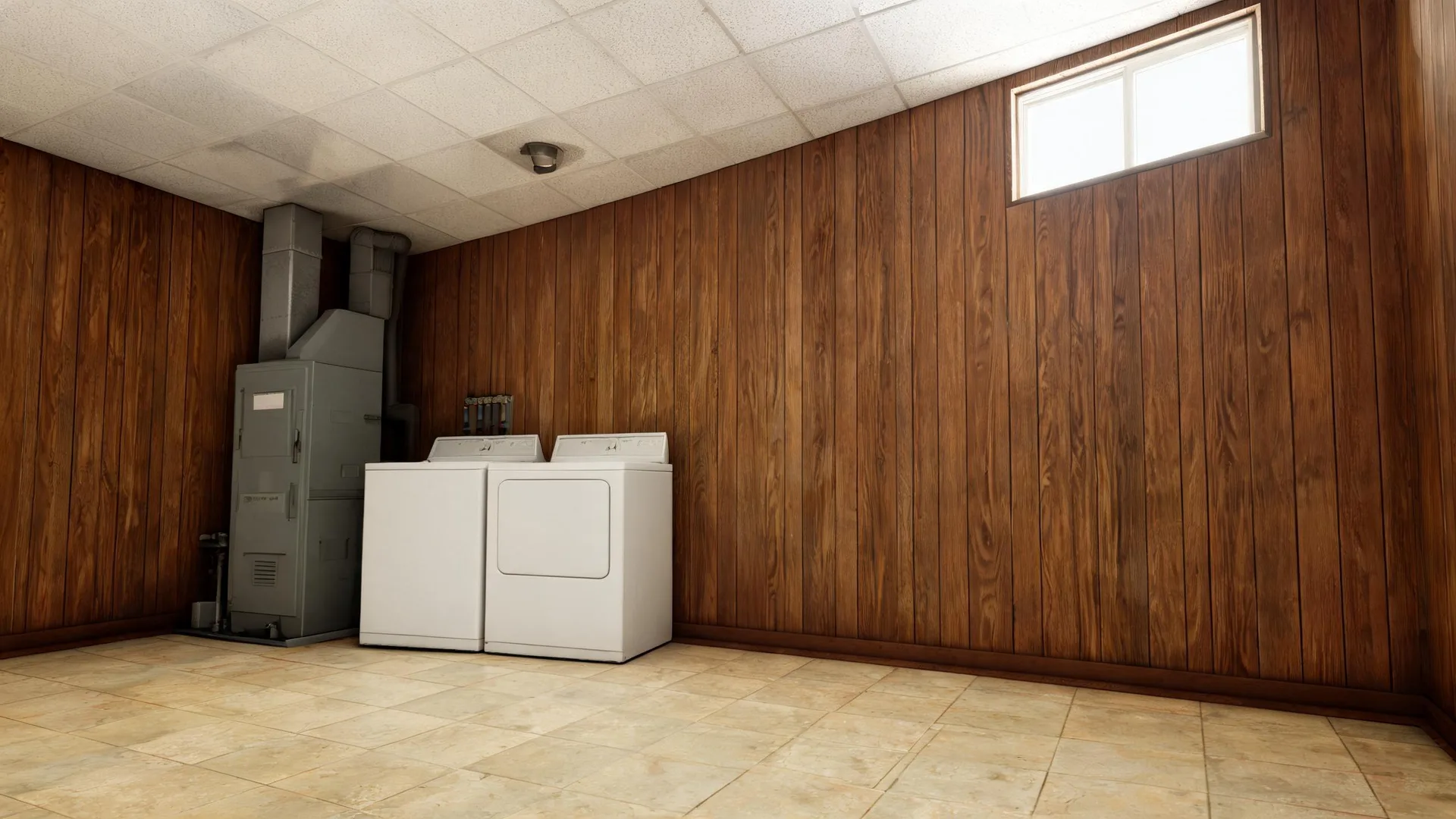
An unfinished basement interior showing a gray furnace unit beneath a bare incandescent bulb, surrounded by exposed joists, concrete walls, cardboard boxes, and utility pipes.

Furnace Installation in Allentown, PA

Tell us about the job

Takes about a minute. No obligation.

Step 1 of 3: Equipment

Electricity ran $52.07 per million Btu across Pennsylvania in 2024, and most homes here heat with it. That number is what your furnace is working against every time it cycles on. A unit that converts more of that electricity into actual heat, rather than losing it along the way, costs less to run over a winter. The difference doesn't show up in the purchase. It shows up every month after, on the bill.

8 months
October through May, your furnace is on duty
22°F
the average winter night it heats against
80% AFUE
the federal minimum any new unit must meet
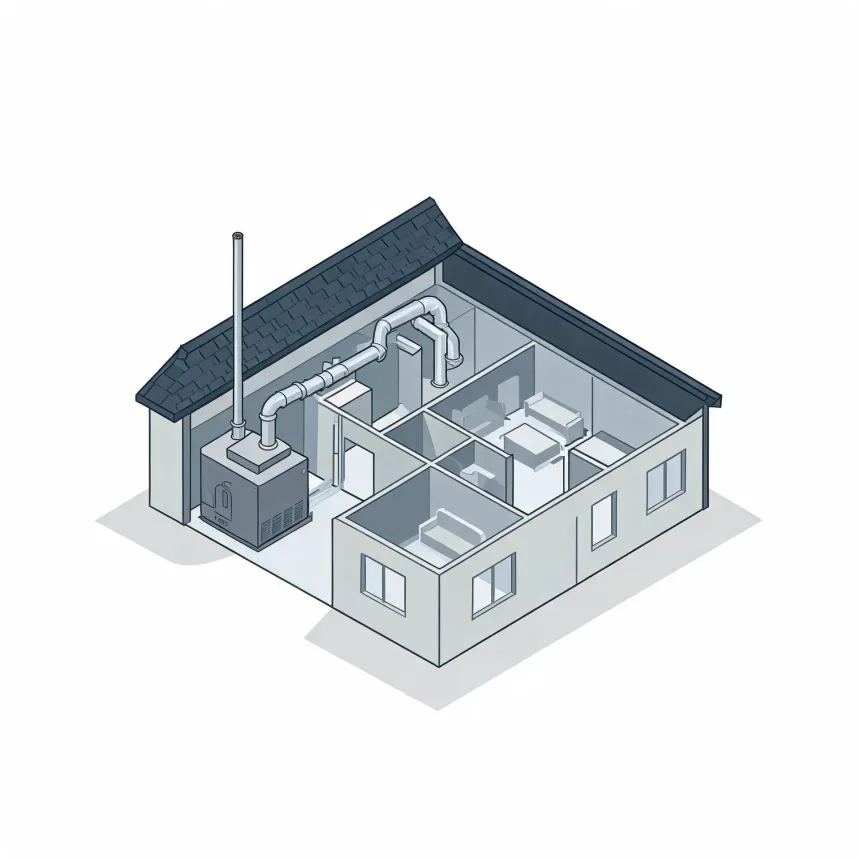
Isometric grayscale illustration of a cutaway single-story house showing interior rooms with furniture, plus an exterior furnace unit with a tall flue pipe and ducting running into the attic space.
Your furnace works hardest from November through March.

NOAA nClimDiv, 1991–2020 normals

Lehigh County logged 283 severe weather events between 2015 and 2024, including 211 with damaging wind.

A new furnace needs a spot and a plan that hold up when the power goes out, not just when the weather's calm.

40.7% of homes here heat with electricity, and that's what most furnace replacements match

40.7% of homes heat with electricity
Climate zone 5A
Heat runs October through May
Get it in before OctoberHeat runs eight months here, October through May. The slow season to install is the month before, not the month of.

Lehigh County falls in climate zone 5A, a cool zone where the energy code counts heating as the bigger job for a furnace, not cooling. That rating is why the minimum efficiency here isn't negotiable. Any gas furnace built from November 19, 2015 on has to turn at least 80 percent of the gas it burns into heat over the winter. That floor rises to 95 percent for units manufactured from December 18, 2028 forward, so what counts as compliant is about to change. A furnace going in today still only has to clear 80, but it sets what you're running for years past that date.

The furnace you pick decides what every winter costs after this one

Electricity here runs $52.07 per million Btu, and that cost doesn't change based on which furnace you install. What changes is how much of it you need to buy. Ask about the efficiency rating before you decide, not after.

Find a contractor
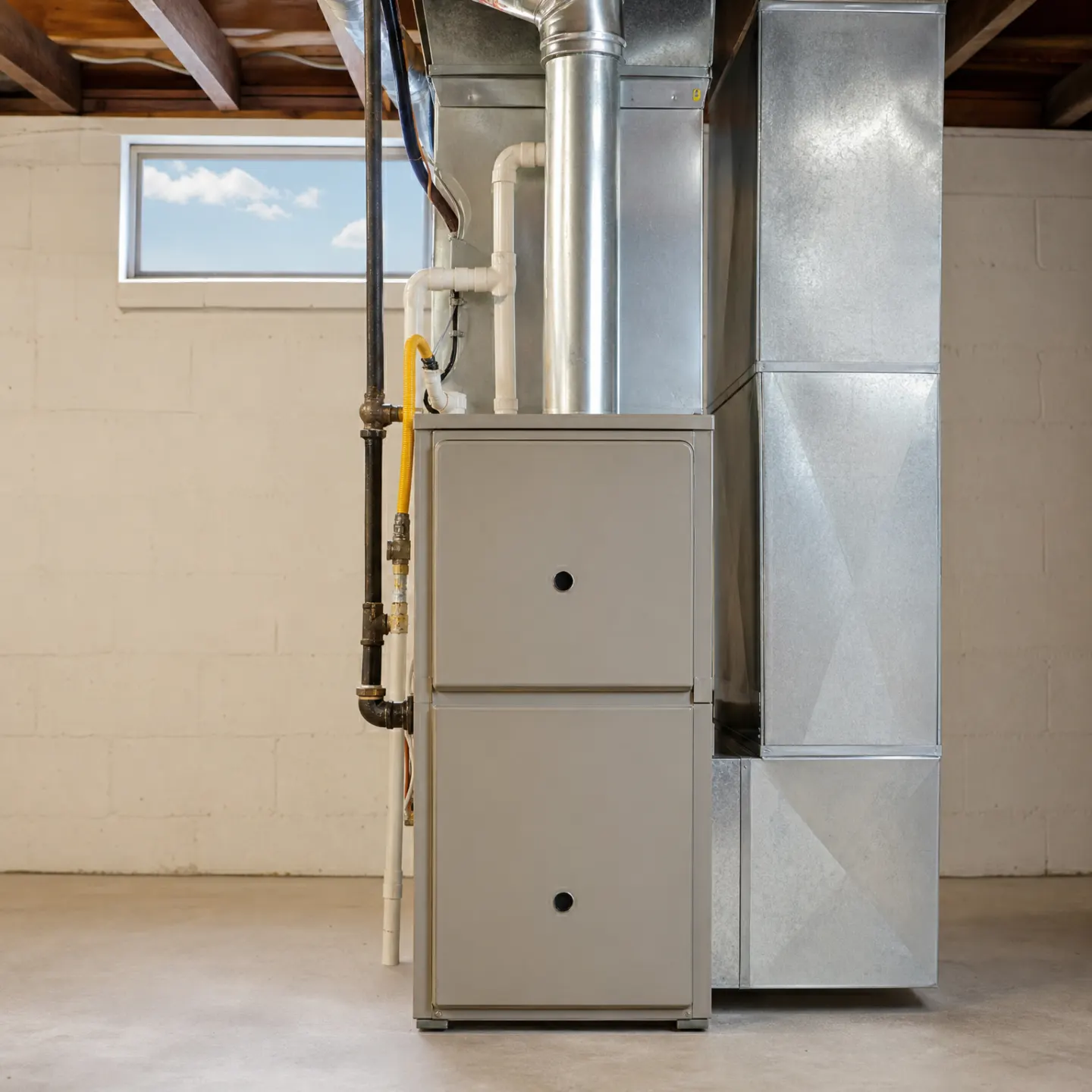
A gas furnace with attached ductwork, gas piping, and condensate lines installed in a concrete-block basement.

This Machine Has to Fit the House, Not the Other Way Around

Half the homes in Lehigh County were built in 1968 or earlier. A furnace going into a house that old has to work with the ductwork and venting already there, not with a blank slate. That's part of sizing the new unit correctly: a furnace that's too big or too small for the house it's feeding runs worse and costs more than one matched to it. The install has to account for the house you actually have, not just the model on the showroom floor.

Ask what size the system is rated for, not just the model name

A furnace's rating tells you how much heat it can put out, and that number has to match the house, the ductwork, and the other equipment running alongside it. A unit sized by guesswork, or just swapped in to match the old one, can end up too big or too small for what's actually there. A contractor who sizes it properly will do a heat load calculation for the house, not just quote a replacement.
Ask what happens to the old ductwork and venting

A new furnace has to move air through the ducts and exhaust through the venting already in the house. If those were sized for a different unit, they may not match what the new one needs. Ask whether the installer is checking the duct sizing and the vent pipe, not just setting the new furnace where the old one sat.

The efficiency rating on a furnace is the AFUE number, and it tells you what share of the gas burned actually turns into heat in the house. The rest goes out the vent unburned or unused. That share doesn't change over time by itself. It's set by the heat exchanger inside the unit, and a furnace built to pull more heat out of its own exhaust before venting it will carry a higher rating than one that doesn't. That's also why high-efficiency furnaces vent through plastic pipe instead of a metal flue, the exhaust is cooler by the time it leaves. The rating on the sticker isn't a one-time spec. It describes how that furnace performs every time it fires, for as long as it runs.

Half the homes in Lehigh County were built in 1968 or earlier, and that affects more than sizing. An older furnace in a house that age may be the second or third one the ductwork has ever seen, not the first. Ask the contractor what the duct layout was designed for originally, not just what's tied into it now. If the house still has its original gas line or vent chase, the new furnace has to run through them as they are, not as the spec sheet assumes. None of that shows up on the showroom floor. It shows up during the walkthrough, before anything gets installed.