


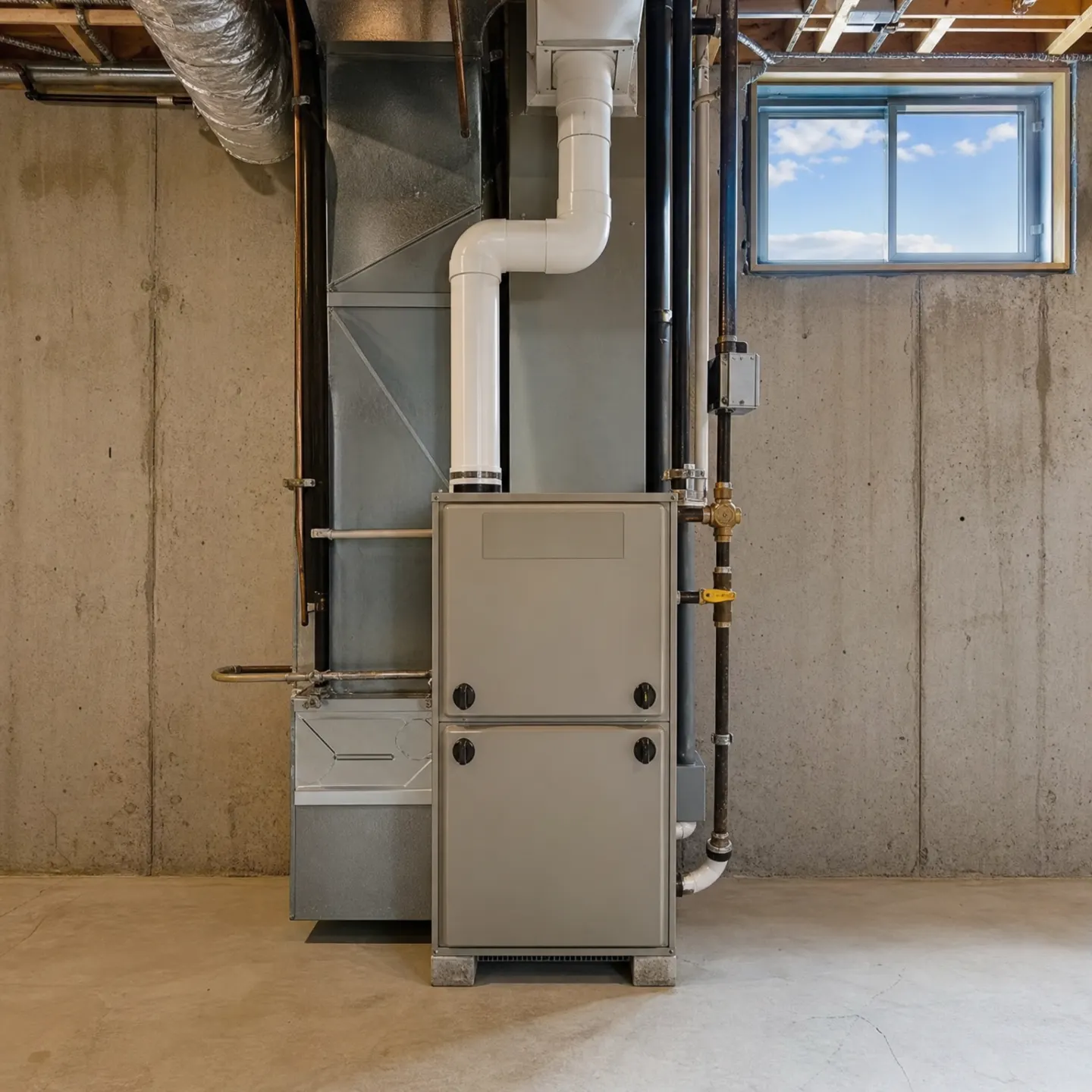
An unfinished basement containing a gas furnace with ductwork in the foreground and miscellaneous stored items along the far concrete wall.

Furnace Installation in Pottsville, PA

Tell us about the job

Takes about a minute. No obligation.

Step 1 of 3: Equipment

If a furnace in Pottsville runs on fuel oil, the fuel itself is part of the cost picture. Oil ran $25.15 per million Btu in Pennsylvania in 2024, and that price moves with the oil market more than natural gas or electricity do. A furnace that wastes less of that fuel as heat going up the flue costs less to run every winter it's in the house. Efficiency ratings matter more here than in a place where energy is cheap, because the gap between a low-efficiency and high-efficiency furnace shows up on every delivery. Worth asking what fuel the new furnace will run on and how its efficiency rating compares to what's being replaced.

8 months
October through May, your furnace is on duty
21°F
the average winter night it heats against
80% AFUE
the federal minimum any new unit must meet
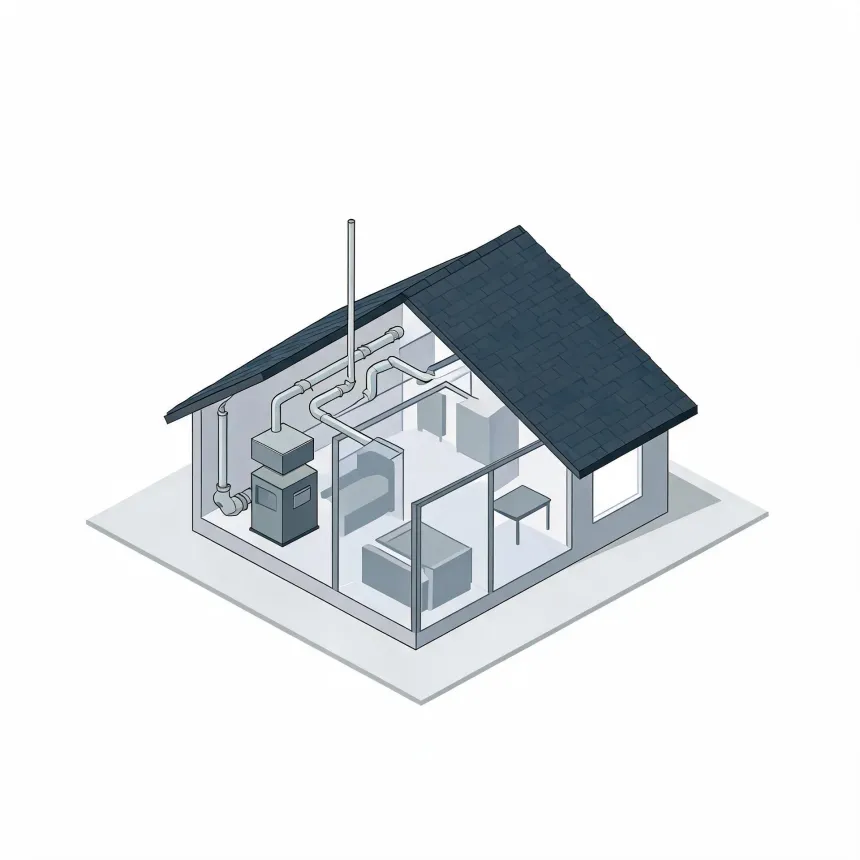
Isometric cutaway illustration of a small house with a dark shingled roof, showing an interior furnace unit, ductwork, and a flue pipe extending through the roof.
Your furnace works hardest from November through March.

NOAA nClimDiv, 1991–2020 normals

Furnaces in Schuylkill County run from October through May, eight months of the year.

A furnace sized wrong here doesn't get a mild stretch to hide it.

Eight months of heat start in October. Get it done in September.

Heat runs October through May
Winter nights average 21°F
20 winter storms from 2015 to 2024
Pottsville homes weren't built for a one-size furnaceHalf the homes in Schuylkill County were built in 1946 or earlier.

Fuel oil heats 46.7% of homes in Schuylkill County, more than any other fuel. Electricity is next at 26.2%, with gas well behind. If the home being replaced already runs on oil, staying with oil usually means the existing tank, lines and venting can carry over. Switching fuels at installation means new fuel lines or venting, and that changes what the job involves. Worth asking the contractor what the house is already set up for before deciding to change fuels.

Zone 5A sets the minimum. The credit rewards going above it.

Schuylkill County sits in climate zone 5A, where heating carries the bigger load. Any gas furnace installed here has to hit at least 80.0 percent AFUE, and that minimum is set to climb to 95.0 percent for furnaces built a few years out. A federal tax credit is available on qualifying high-efficiency equipment installed now, while the lower standard still allows more choice in what goes in.

Find a contractor
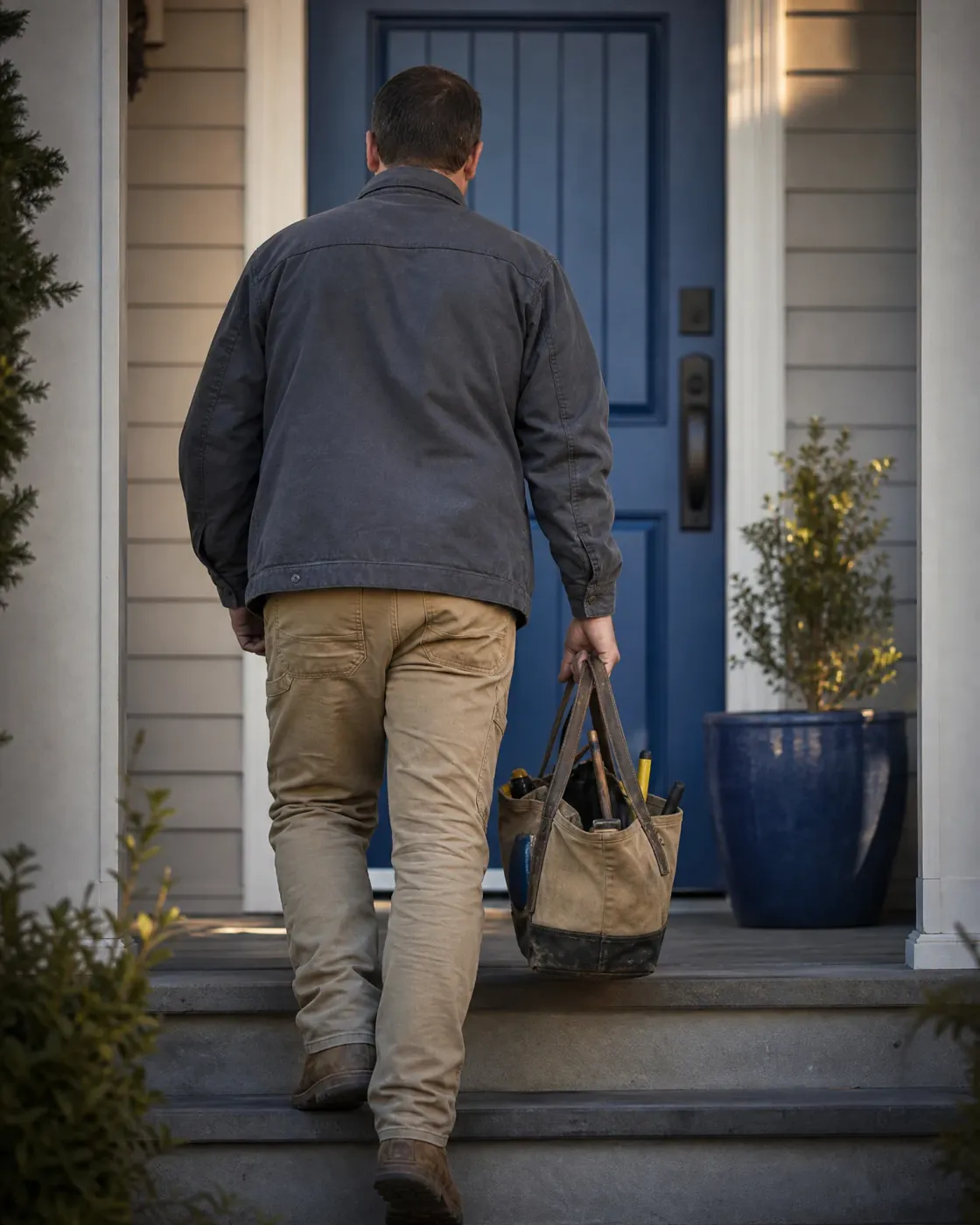
A man in a dark jacket and tan pants, seen from behind, carries a canvas tool bag up concrete steps toward a blue front door of a house with light horizontal siding and a potted shrub in a blue planter.
A gray gas furnace with attached ductwork and piping installed in an unfinished concrete basement.

This furnace doesn't get an easy year

Overnight lows average 21°F through December, January and February, and the furnace has to keep up for eight months straight. There's no stretch of easy weather for an oversized or undersized unit to coast through. Winter storms have hit this county often enough that losing power or heat for a stretch isn't rare here. A load calculation for the house, not a guess based on square footage, is what gets the size right before any of that happens. Ask the contractor for the numbers behind the size they're recommending, not just the model they want to sell.

The furnace is one part of the job

Running new fuel lines, resizing ductwork, adding venting or upgrading the electrical connection all add work beyond setting the unit in place. A straight swap where the old equipment matches the new in fuel type and output is a simpler job than one that changes any of that.
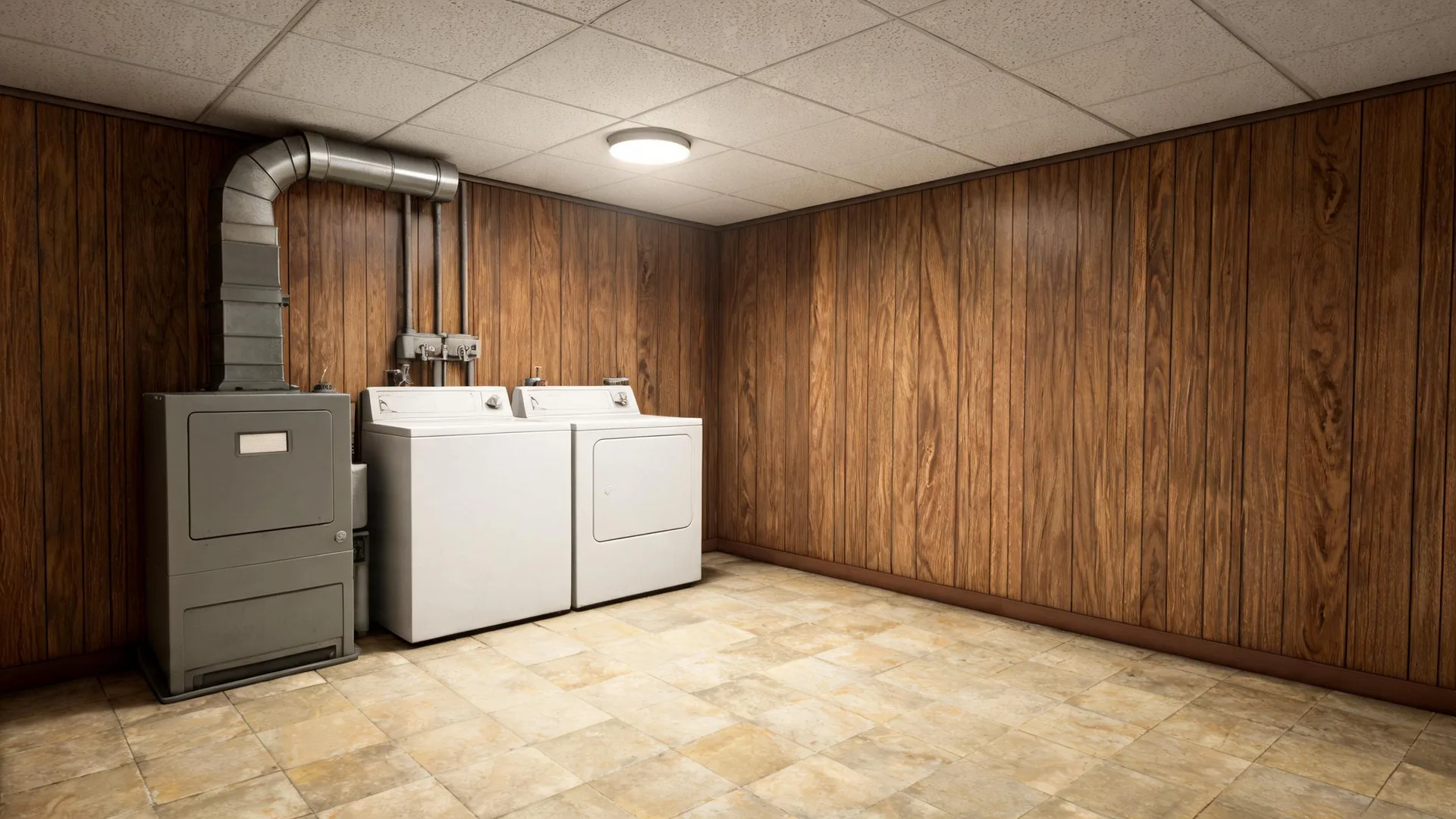
Ductwork decides more than people expect

A furnace moves air through the ducts already in the house. If those ducts are undersized, leaky, or routed for a different output than the new furnace produces, they need work before the furnace can heat the house evenly. That inspection happens before installation, not after.

The old furnace doesn't just get unbolted and hauled off. A tech disconnects the fuel line or gas line first, then the venting, then the ductwork collar and any electrical connections feeding the blower and controls. If it's an oil furnace, whatever is left in the lines gets drained or capped off safely. Hauling it out is usually the easy part. The harder question is what used to connect to it. Old ductwork, an old flue liner, an old fuel line, whatever carries over to the new furnace needs to actually fit what's going in, not just sit there because it used to work. A contractor worth hiring checks that before the new unit ever comes off the truck.

Once the old furnace is out, the new one gets set on its pad or stand and leveled before anything connects to it. A furnace that sits unlevel can throw off how the burner fires or how condensate drains, so this isn't skipped. From there the tech connects the fuel or gas line, ties into the venting, and attaches the ductwork collar, checking each joint and connection as it's made rather than all at once at the end. The electrical hookup for the blower and controls comes next, then the thermostat wiring gets tested. Before anyone calls it finished, the furnace runs through at least one full heating cycle while the tech checks the flame, the airflow at the vents, and the flue draft. Gas lines get checked for leaks, oil lines for proper flow, before the job is signed off.