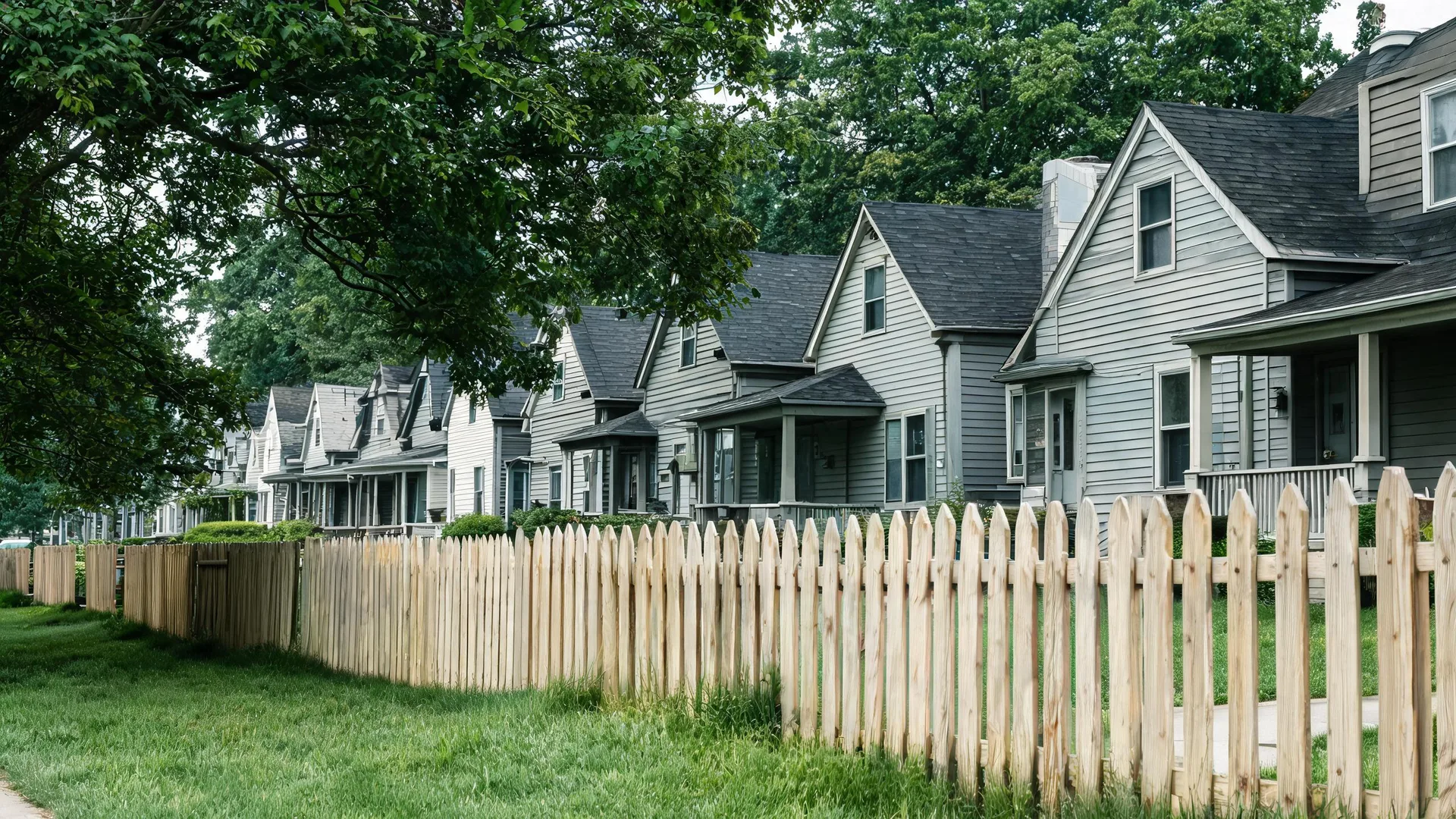



A row of similar gray-sided houses with gabled roofs and front porches behind a new wooden picket fence, with grass and mature trees along the street.

Furnace Installation in Bloomsburg, PA

Tell us about the job

Takes about a minute. No obligation.

Step 1 of 3: Equipment

Electricity in Pennsylvania ran $52.07 per million Btu in 2024. That number matters if you're weighing a gas furnace against an electric one, and it matters just as much for the blower motor running inside a gas furnace all winter. A furnace with a variable-speed blower draws less power to move the same air than an older single-speed one. Over a winter of steady runtime, that difference shows up on the bill. When you're comparing models, ask what the blower motor is rated to draw, not just what the furnace is rated to put out.

8 months
October through May, your furnace is on duty
20°F
the average winter night it heats against
80% AFUE
the federal minimum any new unit must meet
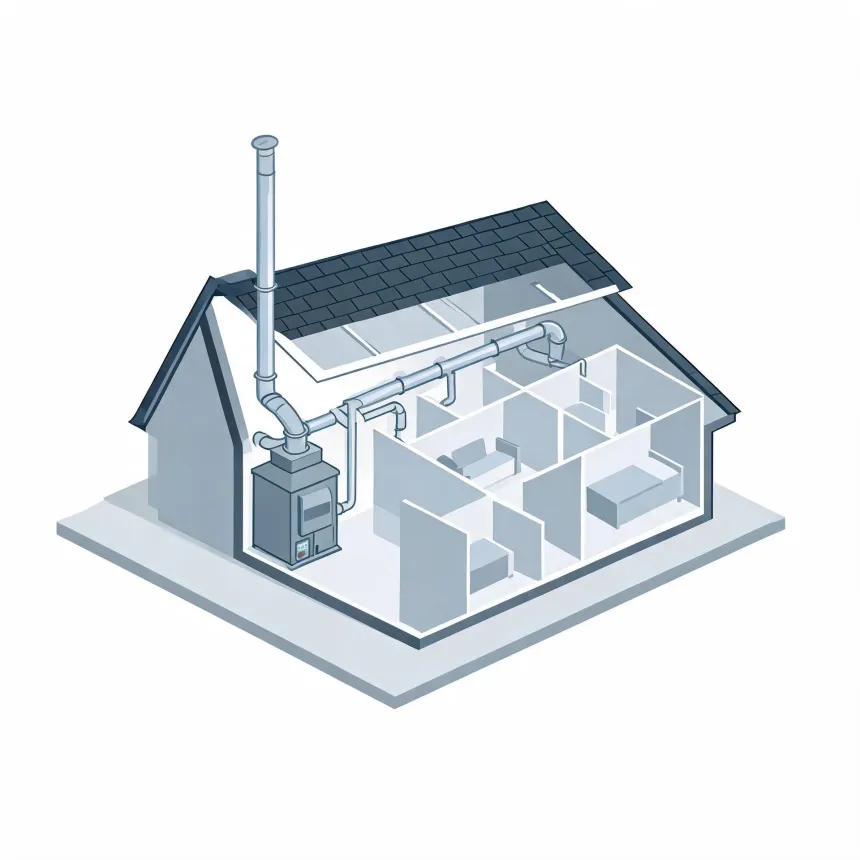
Isometric cutaway illustration of a house showing interior rooms with furniture, a furnace unit with a tall flue pipe outside, and ductwork running through the attic.
Your furnace works hardest from November through March.

NOAA nClimDiv, 1991–2020 normals

Furnaces in Bloomsburg start running in October.

Get a new one in by September and it's running on day one, not during the first cold snap.

Ask for the blower's draw when you compare quotes

Heat runs October through May
Winter nights average 20°F
Climate zone 5A

Furnace installation in Bloomsburg means sizing for eight months of heat, October through May. Overnight lows average 20°F through December, January and February, and the furnace has to recover from that every single night. A unit sized wrong feels it fast here. Too small and it runs constantly trying to catch up, never quite getting there. Too large and it short cycles, kicking on and off instead of running a steady stretch, which wears the igniter and the blower motor sooner than it should. Get the size right for this place and the furnace settles into a rhythm instead of fighting the cold all winter.

Efficiency pays here

Power costs more here, so an efficient system pays you back on every bill.

Find a contractor
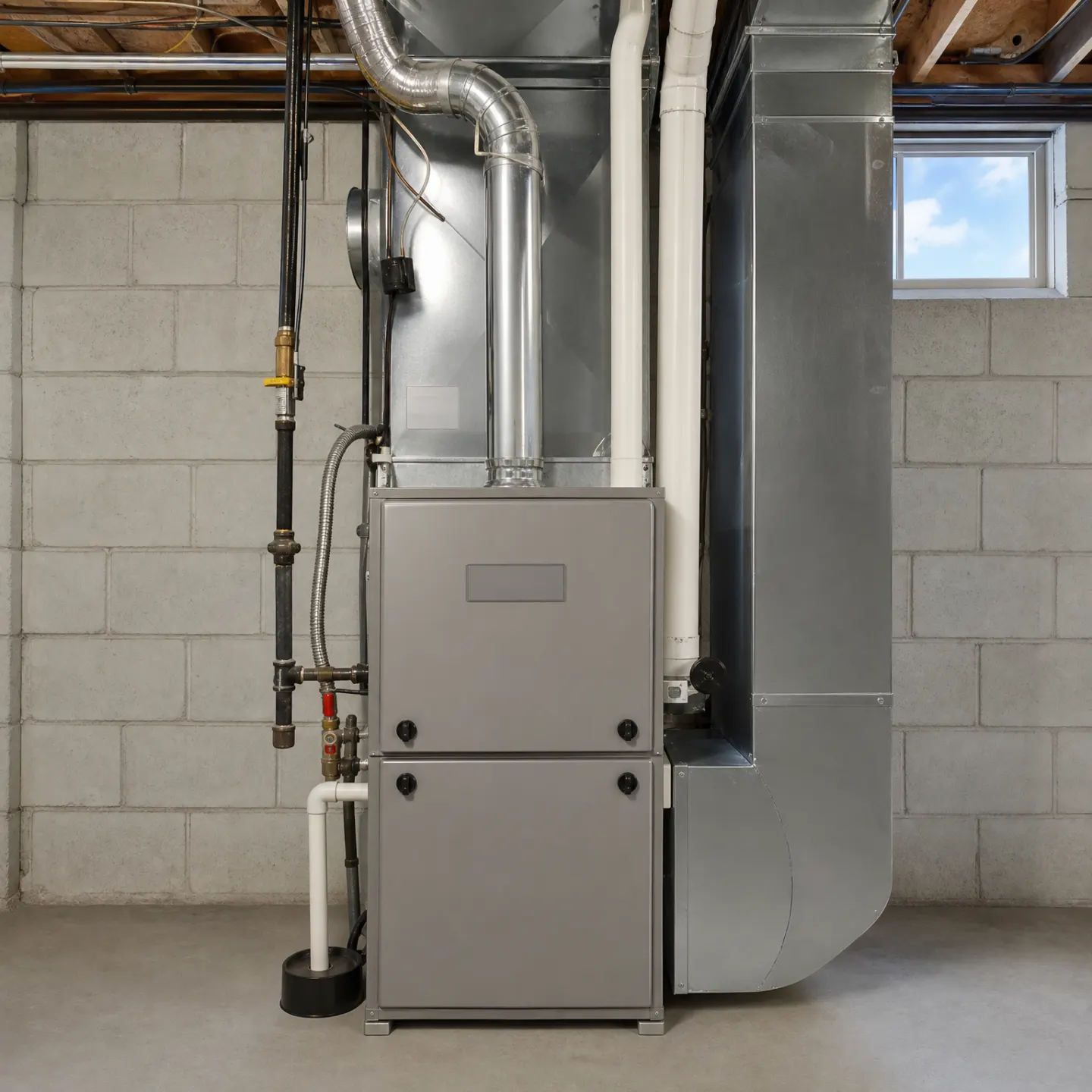
A gray high-efficiency gas furnace installed in an unfinished basement, surrounded by gas lines, a condensate drain, and sheet-metal ductwork.

Half these homes were built in 1970 or earlier

Half the homes in Columbia County were built in 1970 or earlier. A furnace going into a house that old is going into ductwork and venting sized for whatever heated the place before, not necessarily for the new unit. A straight swap assumes that old setup still fits. Whoever does the install should walk through the ducts and venting with you before anything gets pulled out, not after.

The rating measures fuel, not comfort

The efficiency number on a furnace label tells you how much of the fuel it burns turns into heat inside the house versus how much goes out the flue. It says nothing about how evenly that heat spreads through the rooms or how quiet the furnace runs. Furnaces with the same rating can still feel different depending on the blower, the ductwork and how the whole system was sized for the house.
A higher rating changes the installation, not just the bill

A high-efficiency furnace cools the exhaust enough that it can't vent up a standard chimney. It needs its own venting, run through a wall or up through the roof with pipe rated for the condensation that forms. That changes where the furnace can sit and what the install involves. Whoever quotes the job should be pricing that venting along with the furnace itself, not treating it as an afterthought.

What drives the cost of a furnace install is mostly what has to change around the furnace, not the furnace itself. Swapping a unit into the same spot, with the same venting and the same ductwork, is the simplest version of the job. Everything beyond that adds work. If the new furnace is a different size than the old one, the supply and return ducts may need to be modified to move the right amount of air. If it's a higher efficiency model, it needs its own venting, run with pipe rated for condensation, instead of tying into an existing chimney. Moving the furnace to a new location means running new gas line, new ductwork, new venting, sometimes new electrical for the blower and controls. Labor and materials for that work are usually a bigger part of the price than the unit on the sticker.

Install day starts with the old furnace coming out, not the new one going in. The tech shuts off gas and power, disconnects the ductwork and venting, and hauls the old unit out before anything new gets set. Once the space is clear, they check the flue or set new venting, set the furnace, and connect the gas line, ductwork, and electrical one at a time. Each connection gets tested as it's made, not all at once at the end. After everything is hooked up, the furnace runs through a full cycle while the tech checks gas pressure, airflow, and the temperature rise across the heat exchanger. A combustion analyzer checks that it's burning clean before anyone calls the job done.