



A gray forced-air furnace with ductwork stands in an unfinished concrete basement surrounded by storage items and clutter.

Furnace Repair in Bloomsburg, PA

Tell us about the job

Takes about a minute. No obligation.

Step 1 of 3: Equipment

A furnace in Bloomsburg runs from October through May, about eight months of the year. That's most of the year spent heating a house through nights that average 20°F in December, January and February. Parts that are only rated for occasional use get asked to run almost constantly, month after month. That kind of workload is usually what's behind a furnace acting up here, not bad luck. A noise or a short cycle you notice now is worth having looked at properly, so whatever gets fixed actually holds.

8 months
October through May, your furnace is on duty
20°F
the average winter night it heats against
12 winter storms
in ten years, the nights a failure hurts most
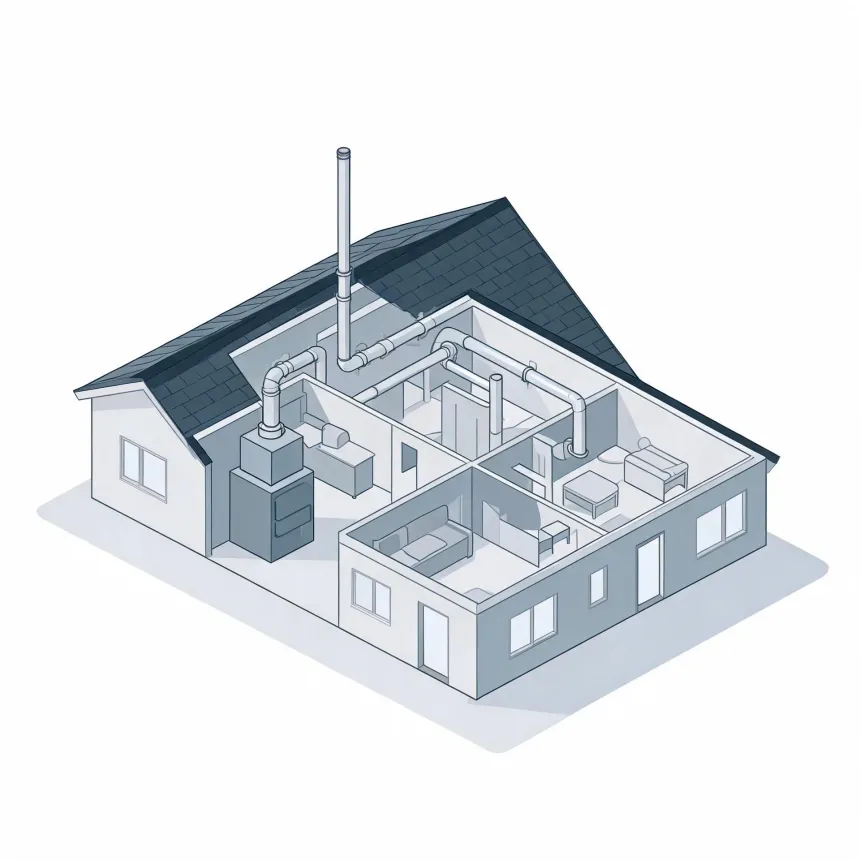
Isometric cutaway illustration of a single-story house showing interior rooms with furniture, a furnace unit connected to ductwork and a tall flue pipe extending through the roof.
Your furnace works hardest from November through March.

NOAA nClimDiv, 1991–2020 normals

Furnaces in Columbia County start their season in October.

A furnace that sat idle since May is the one most likely to show its weak spot in the first cold weeks.

Half the homes here were built by 1970, old enough to be on a furnace that isn't the original

Half the homes here were built by 1970
Heat runs October through May
Winter nights average 20°F

Electricity in Pennsylvania ran $52.07 per million Btu in 2024, among the higher rates around. A furnace that's not running right doesn't know that. One that short cycles or runs long to hold a temperature is pulling power the whole time it does that, every month the house needs heat. A furnace running correctly heats the house and shuts off. One with a dirty flame sensor or a clogged filter keeps working at the job and you pay for that extra draw on every bill until it's fixed.

Get the real cause found before another cold month goes by

A furnace that's already worn from eight months of heating a year won't fix itself over the next one. Have the diagnosis done properly now, so whatever's repaired holds through the rest of the season.

Find a contractor
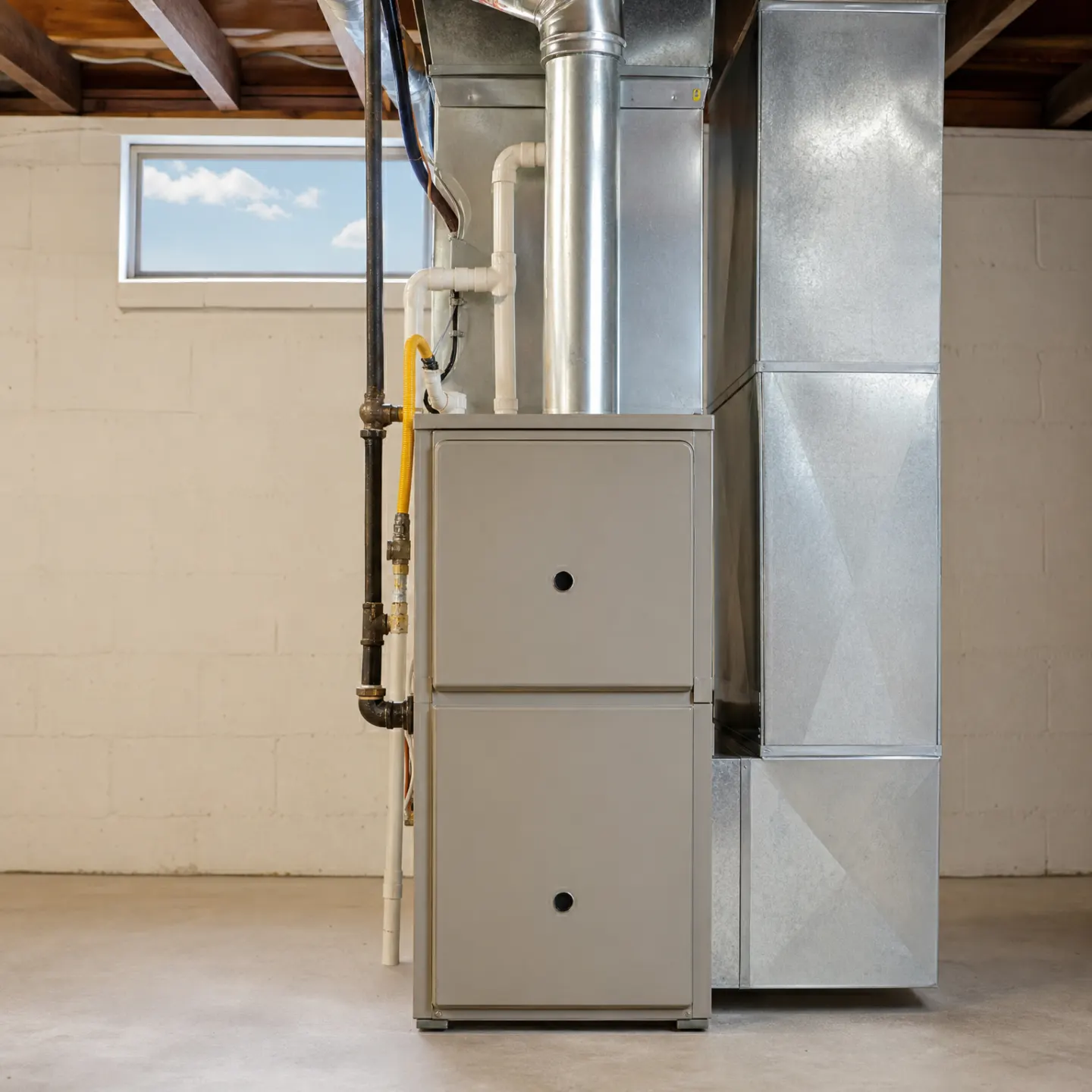
A gas furnace with attached ductwork, gas piping, and condensate lines installed in a concrete-block basement.

Before you pay for the repair, ask what it's buying

A furnace with some years on it is worth a straight question before any part gets replaced. How much life does it actually have left. A repair that makes sense on a five-year-old furnace can be money better put toward a new one on a much older one. Ask whoever comes out to give you both sides of that, not just the fix sitting in front of them.

The noise usually comes before the breakdown

A furnace that bangs on startup is probably firing late, with gas building up before it lights. One that squeals is likely telling you about a motor bearing. Grinding or rattling means something's loose or wearing against something else. None of these fix themselves, and a furnace that's merely annoying this week is often the one that quits outright next week.
Short cycling wears out the parts that start it

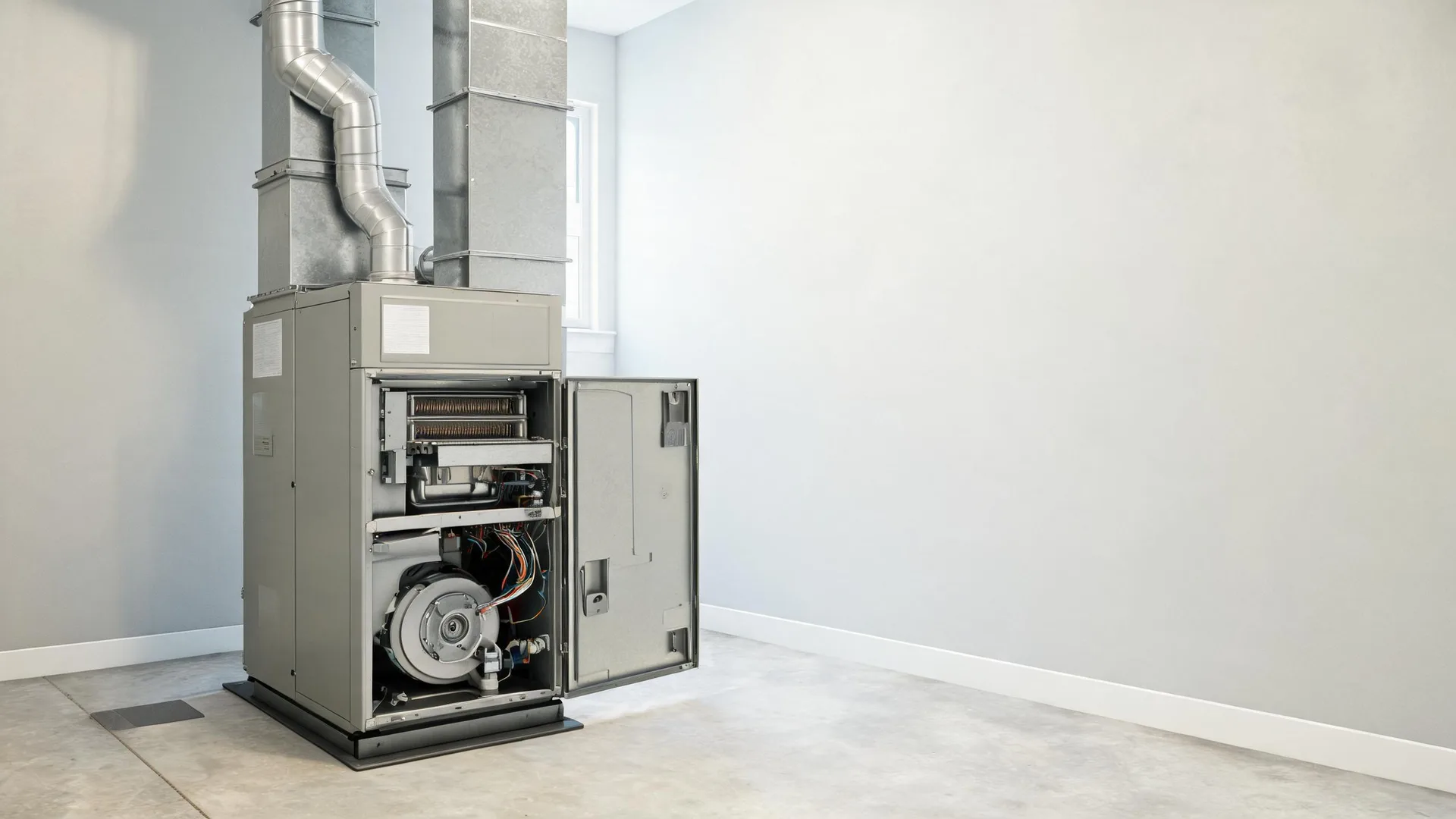
A furnace that kicks on, runs a short while, then shuts off before the house is warm is short cycling. Every start puts a load on the igniter and the blower motor, so a furnace doing this all day is aging those parts faster than one that runs a normal cycle and rests. It's also usually a sign something else is already wrong, a clogged filter or a failing flame sensor telling the system to shut down early.

Most furnace failures trace back to a handful of parts. The igniter draws current every time the furnace starts and it weakens with each cycle until it cracks or stops glowing hot enough to light the gas. The flame sensor sits in the burner flame and tells the control board the furnace is actually lit. A film of oxidation builds up on it over time, and once it can't sense the flame the board shuts the furnace down as a safety measure even though nothing else is wrong. The blower motor wears at the bearings from running hour after hour, and a motor working harder than it should will run hotter and fail sooner. Behind the scenes, a clogged filter or blocked vent starves the system of airflow, and that strain is what pushes the other parts to fail early. Most of what sends a furnace into repair isn't one part giving out on its own. It's airflow that was never right, wearing everything else down faster than it should.

A diagnostic visit starts before any panel comes off. A tech wants to know what the furnace was doing when it acted up, whether it was short cycling, not lighting, blowing cold, or tripping off on its own, because that narrows things fast. Then the cover comes off and the burner, igniter and flame sensor get a look, since those tell most of the story on a gas furnace. The flame sensor often gets pulled and cleaned on the spot to rule out oxidation before anything gets replaced. Static pressure and airflow get checked too, because a part that looks fine can still be failing from being starved of air. The goal is to find which part is actually causing the symptom, not just the first thing that looks worn.