Half the homes here were built in 1946 or earlier
Schuylkill County's housing stock skews old. A furnace in one of these older homes is often not the original. It may already be on its second or third unit.
Takes about a minute. No obligation.
Schuylkill County's housing stock skews old. A furnace in one of these older homes is often not the original. It may already be on its second or third unit.
If your furnace came with an older house, ask how many years it likely has left. A repair on a unit near the end of its life is a different decision than one on one just a few years in.
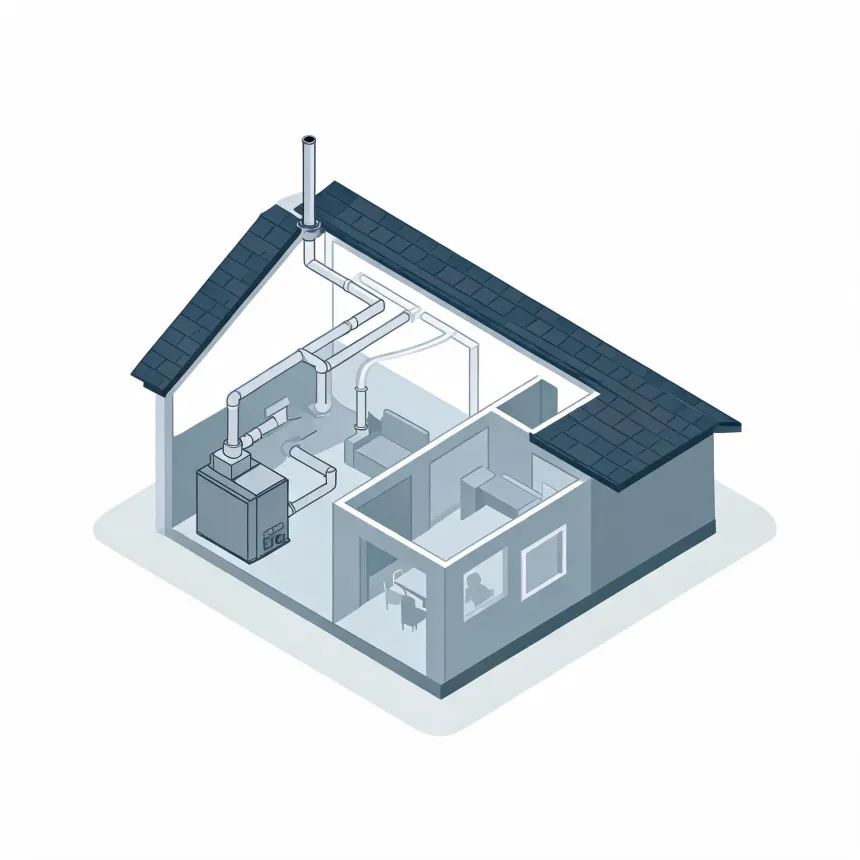
NOAA nClimDiv, 1991–2020 normals
Furnaces in Schuylkill County run from October through May, eight months of the year.
A furnace working eight months a year wears faster, and that's often why it's struggling now.



If your furnace runs on fuel oil, you're paying $25.15 per million Btu burned in Pennsylvania. That's the state average for 2024, and it's not cheap. A furnace that's short-cycling, or running longer than it should to hit the same temperature, burns through more oil to do the same job. The fix might be a clogged nozzle or a bad igniter, something small. But small problems in a furnace that's working this many months a year don't stay cheap if you leave them.
If your system came with an older house, it may be near the end of its life. Ask how much life it has left before paying for a big repair.
Find a contractorFurnaces don't fail all at once. Most of the time something small goes first, a flame sensor losing its coating, an igniter starting to crack, a blower motor bearing drying out. Each repair looks small on its own. What matters is whether it's the first thing to go wrong or the third one this year. A furnace that's needed a handful of separate repairs across a couple of winters is telling you something different than one that's never been touched. Age plays into it too, but not the way people think. It's not that an old furnace is doomed. It's that the parts failing on an old furnace are often original parts, worn down together, and once one goes the next is usually close behind. A heat exchanger is the one that changes the math completely. Everything else on a furnace can be swapped out. A cracked heat exchanger means the whole unit gets replaced, because that's the part that shouldn't be patched. If a tech finds one, the repair conversation is already over.
If the burners stay on long after the house is warm, the thermostat may be fine and the problem may be a limit switch or a blower that can't move enough air. Either way the furnace is working harder than it should to reach the same temperature.
A furnace that fires, shuts off fast, then fires again isn't satisfying the thermostat before it quits. That pattern points to a flame sensor losing its signal or a furnace sized wrong for the ducts it's pushing air through.
Before anyone comes out, there are a few things worth checking yourself. Look at the thermostat first. Make sure it's set to heat, not just fan, and that the setting is actually above room temperature. Check the air filter next. A filter clogged with dust chokes off airflow and can cause the furnace to overheat and shut itself down before it finishes a cycle. Go to the furnace itself and see if the switch on or near it, the one that looks like a light switch, is in the on position. That switch gets bumped or shut off more than people expect. If the furnace runs on gas, check whether the gas valve is open and whether other gas appliances in the house are working. Last, check the breaker. A furnace that won't start at all sometimes just lost power. None of this fixes a cracked heat exchanger or a failing igniter, but it rules out the simple stuff before anyone pays a visit.
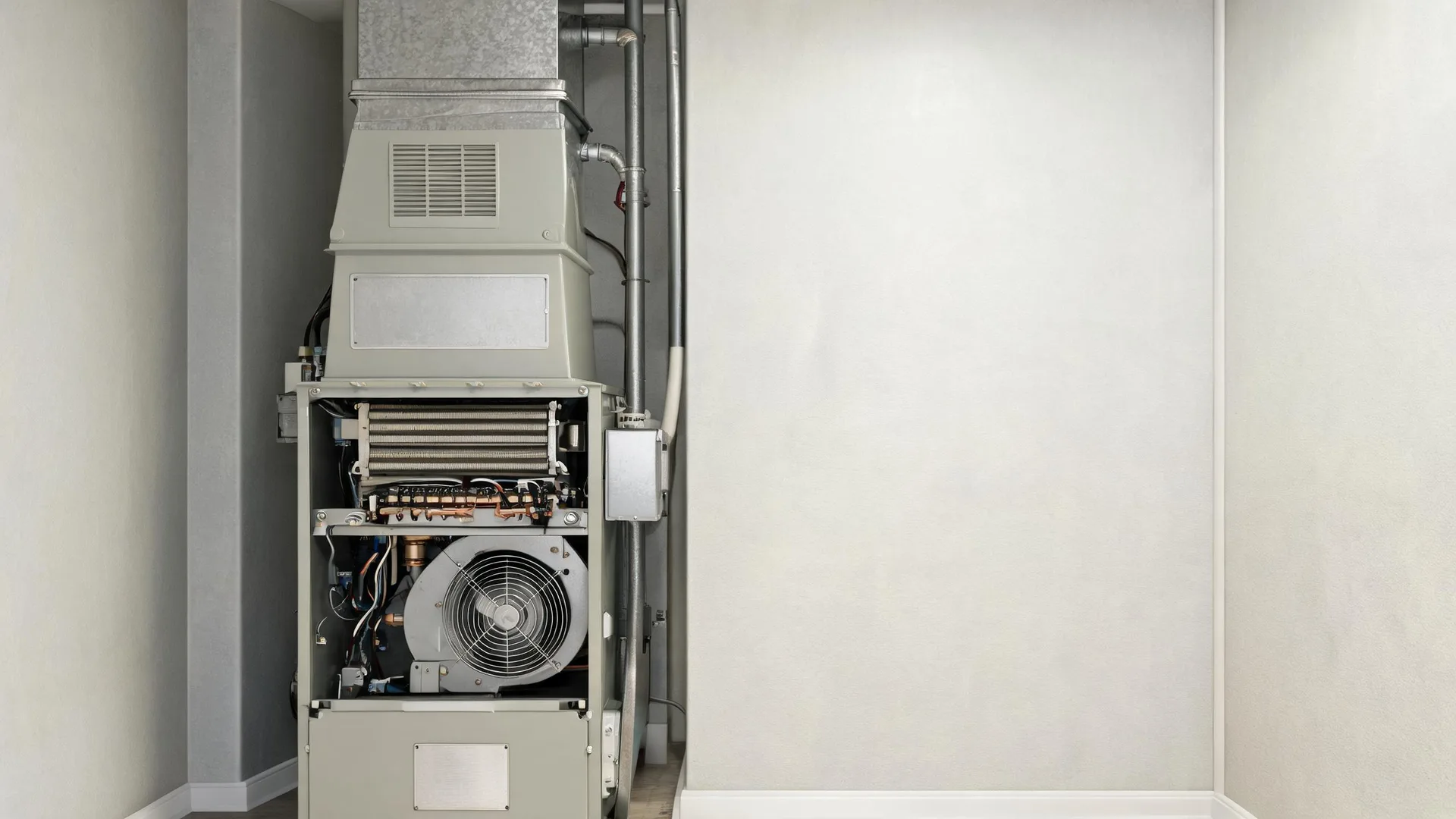
A tech starts by asking what the furnace is doing and when it started. That alone rules out a few things before any panel comes off. Then the panels come off and the tech watches it run through a full cycle, from ignition to the blower kicking on to shutdown. A lot shows up just in how it lights. A flame that rolls away from the burner or an igniter that glows unevenly both point somewhere specific. From there it's meters and testers. The flame sensor gets checked for a clean signal, the limit switch and pressure switch get tested, the blower motor gets checked for the right amp draw. Each test rules something out until one cause is left standing. A good diagnosis ends with a part named and a reason, not a guess.