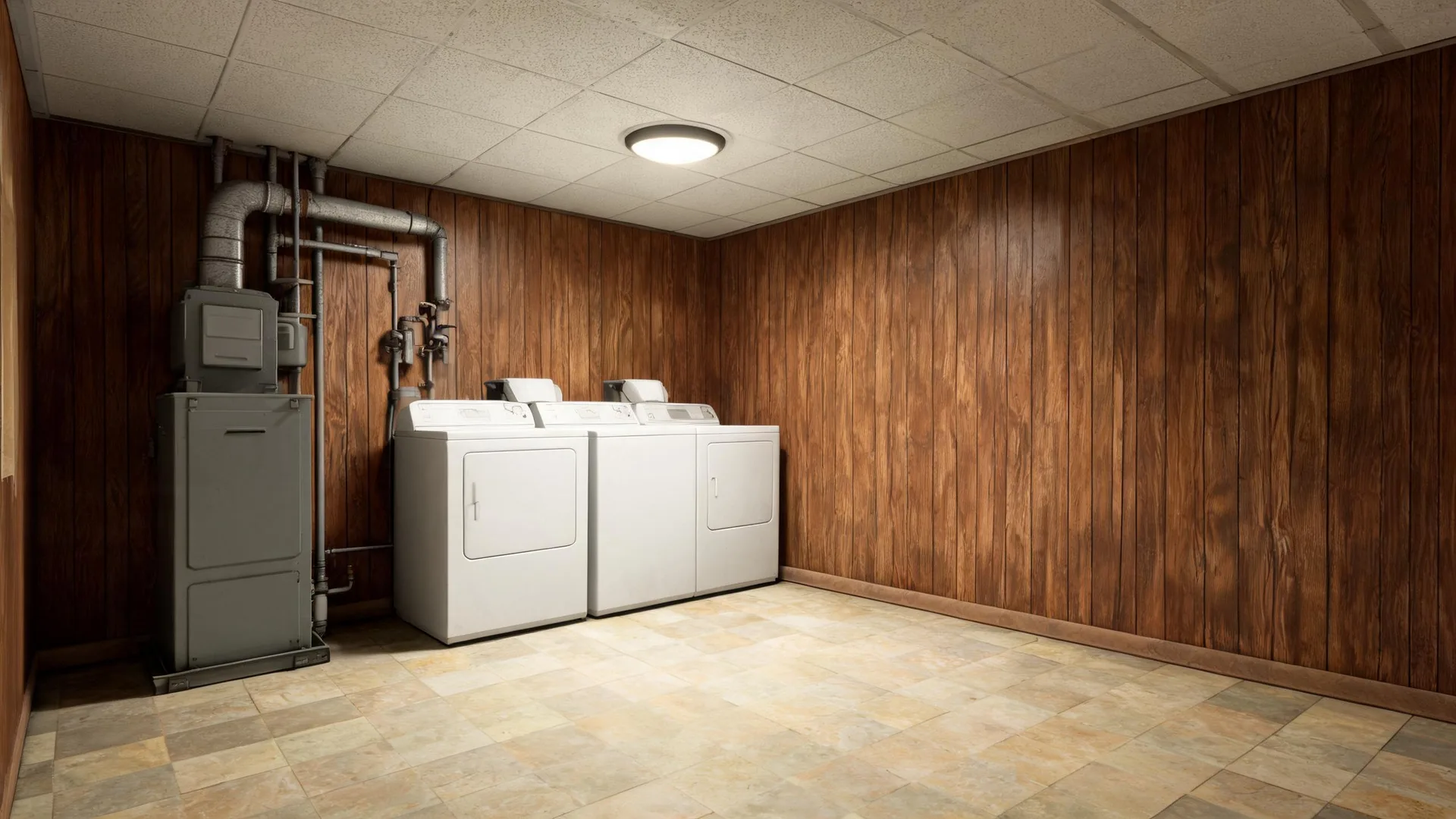
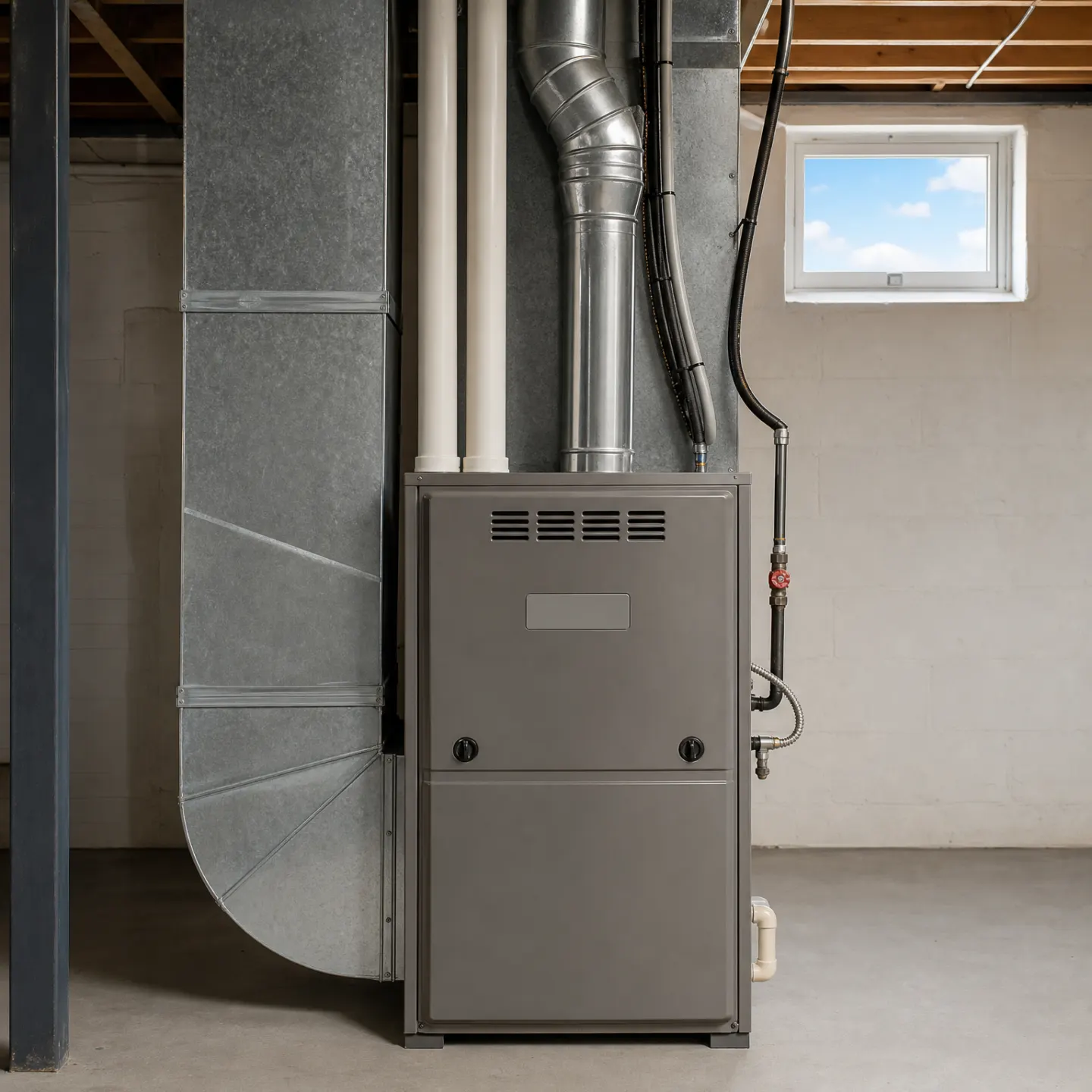
Half these homes were built in 1963 or earlier
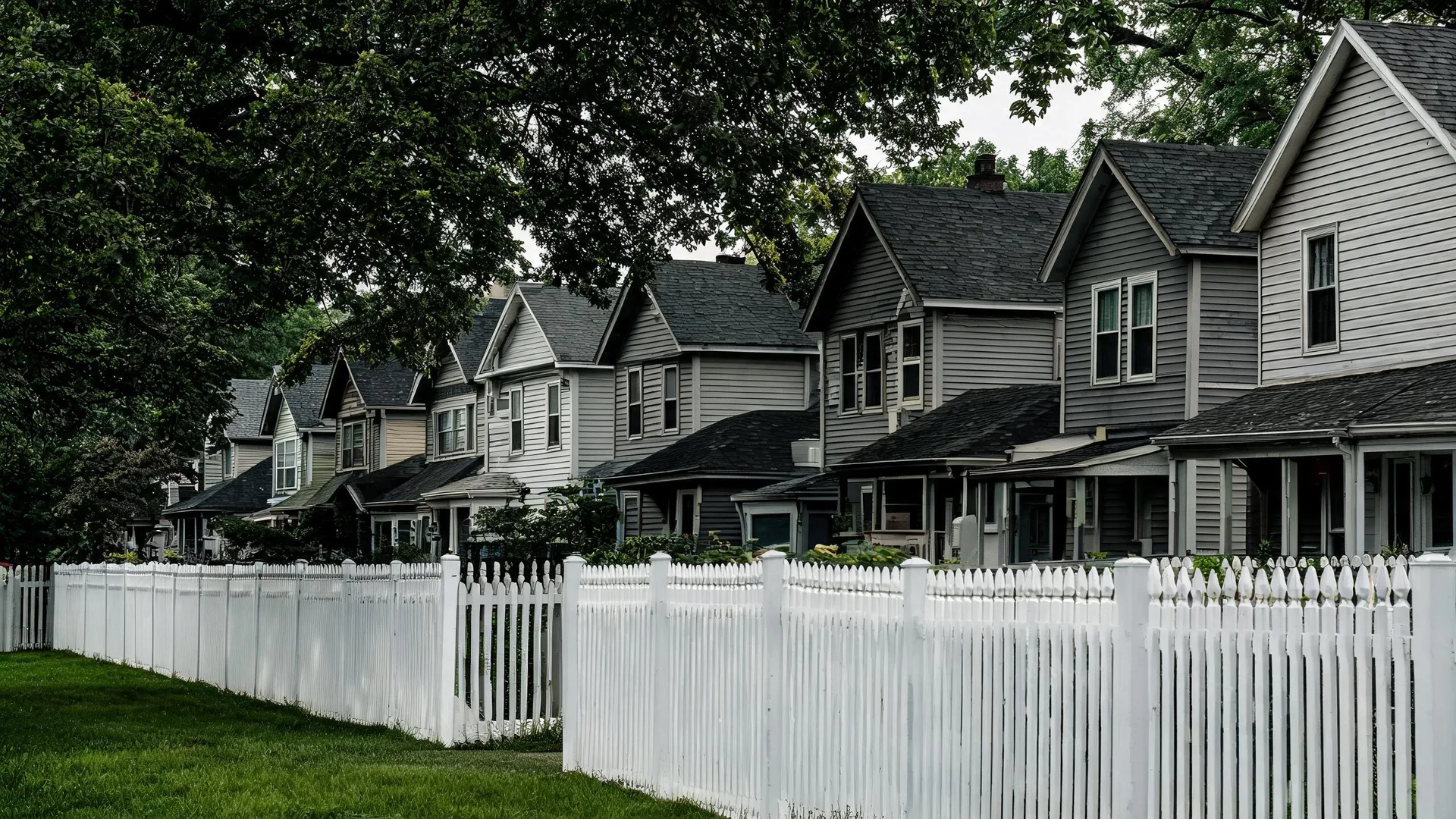
That's how old half the housing stock in Lycoming County is. A furnace going into a house like that is working with whatever ductwork and venting came before it, not a blank slate.
Takes about a minute. No obligation.
That's how old half the housing stock in Lycoming County is. A furnace going into a house like that is working with whatever ductwork and venting came before it, not a blank slate.
A straight swap assumes the last install got sized right for this house. Matching the furnace to the house itself, the ducts it feeds and the venting it needs, is what the job actually calls for.
NOAA nClimDiv, 1991–2020 normals
Furnaces in Lycoming County run eight months of the year, October through May.
A new furnace here puts in more hours than most furnaces ever will, so sizing it right matters more, not less.



Heat starts in October here. That gives you September to get a new furnace in without racing the first cold night. A failed furnace in January means taking whatever install date and whatever equipment is available that week. Doing it in September means you pick the unit that fits your house and get it put in on a normal schedule. With eight months of runtime ahead of it every year, this isn't a job worth rushing into.
October through May, the new furnace runs. That's eight months of cycling on and off, more than most furnaces anywhere see. Getting the size and the installer right matters more here than in places where the equipment gets an easy season. This is the one to get done properly.
Find a contractor
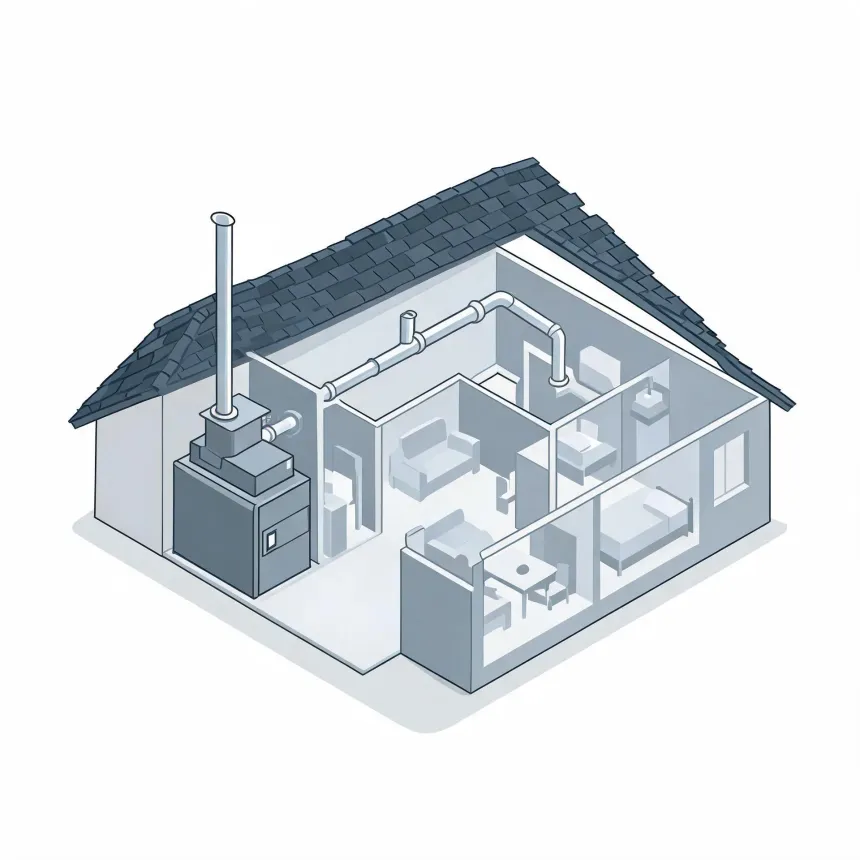
A house built in 1963 or earlier has had a furnace in it longer than it's had this one. Ductwork gets patched, rooms get finished, additions go up, and venting gets rerouted around whatever was already there. None of that shows up on a spec sheet for the new unit. The contractor sizing this job needs to see the house as it stands now, not the footprint it started with. That's a visit, not a guess over the phone.
An oversized furnace heats the house fast, shuts off, then starts again soon after because the air never had time to carry that heat through the rooms. All that starting and stopping wears the igniter and the blower motor harder than steady runtime would. The rooms farthest from the furnace can stay cold even with a bigger unit, because the problem was never the size of the flame.
A contractor works out the right size by looking at the walls, the windows, the insulation, and how the rooms are laid out, room by room. The number on the furnace being replaced only tells you what someone decided years ago, not what this house actually needs. Two houses the same size can call for different furnaces once the windows and insulation are different.
Estimates for a typical Lycoming County home, from EIA household energy data, Pennsylvania fuel prices and NOAA climate normals. Your home will differ.
Installation day starts before anyone touches the old furnace. The contractor shuts off gas and power, then disconnects the ductwork and venting from the unit being replaced. Pulling the old furnace out usually takes less time than setting the new one, especially if it has to come through a tight basement stairway or a crawlspace opening. Once the new unit is in place, the work is mostly connections: gas line, venting, ductwork, and the electrical that runs the blower and controls. After that comes testing, checking the flame, the airflow at the registers, and the venting to make sure exhaust is actually leaving the house. A furnace isn't left running until all of that checks out.