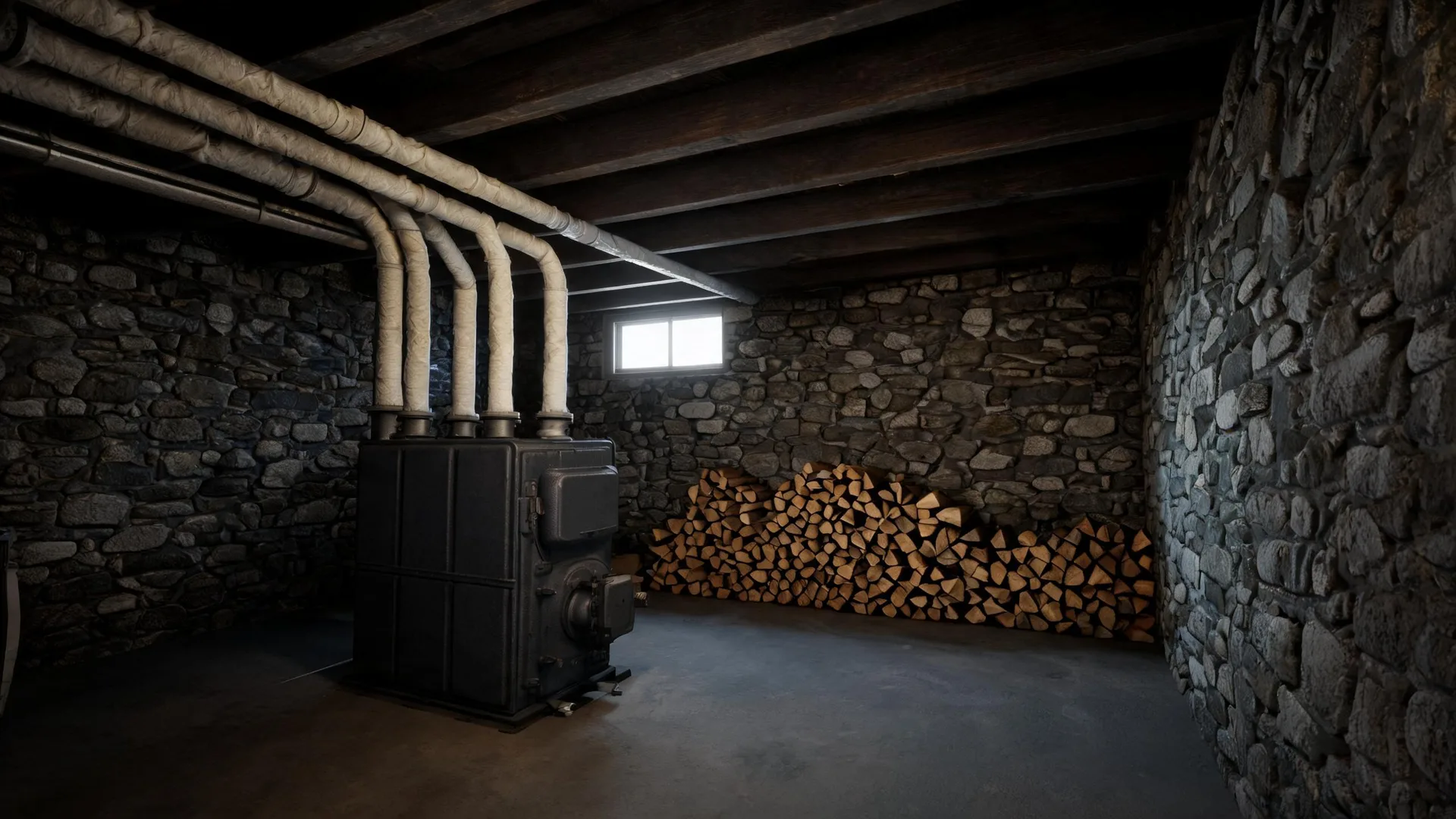
Nine months of heat a year
A furnace in Bradford County runs from September through May. That's most of the year asking the burner and blower to work, not a short stretch of cold snaps.
Takes about a minute. No obligation.
A furnace in Bradford County runs from September through May. That's most of the year asking the burner and blower to work, not a short stretch of cold snaps.
A furnace that runs this many months needs to be sized for this place, not picked off a shelf. The wrong size wears out faster here than it would somewhere with a short, mild winter.
NOAA nClimDiv, 1991–2020 normals
Half the homes in Bradford County were built in 1969 or earlier.
A furnace going into a house that old has to be sized for that house, not for whatever was in it before.



Heat starts in September here, so August is the month to have a new furnace in. Wait until the first cold morning and you're choosing from whatever unit is available, installed fast, with no time to size it right for your house. A furnace going in ahead of the season gets picked properly and run once before it has to carry a nine-month winter. December and January nights here average 19 degrees, and that's what a rushed install has to answer for on its first week on the job.
A furnace sized for your house has to go in based on your house, not guessed at from a truck. That means someone looking at the place before the old unit comes out, not after.
Find a contractor
Nine months of run time a year means the furnace that goes in now is doing real work most weeks it's installed. Get the size wrong and that furnace is either short cycling or struggling the whole winter, and nine months is a long time to run on either mistake. This is where picking the cheapest unit on the lot costs more than it looks like up front. Put the money into getting the size right instead, since that's the part that decides how the next several winters go.
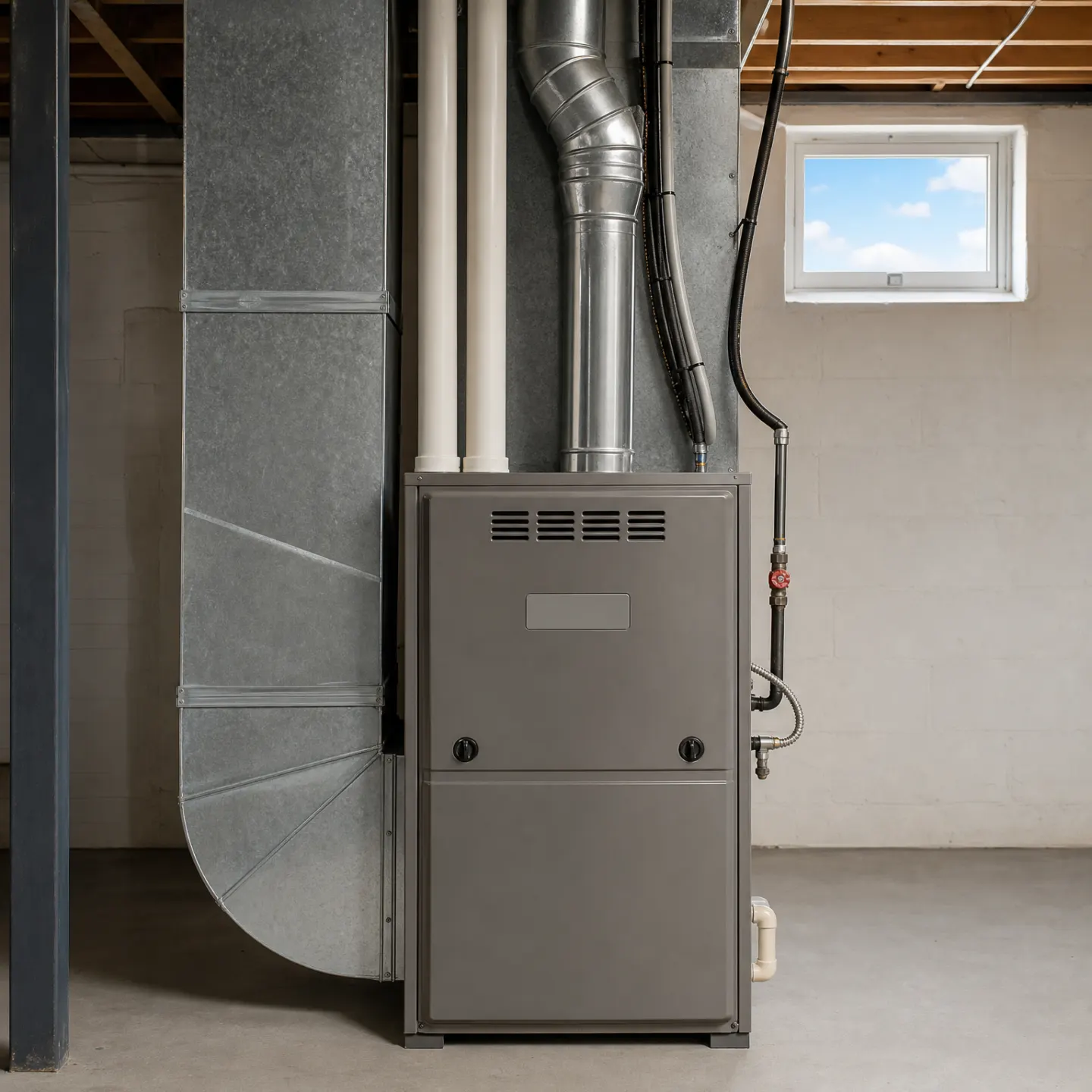
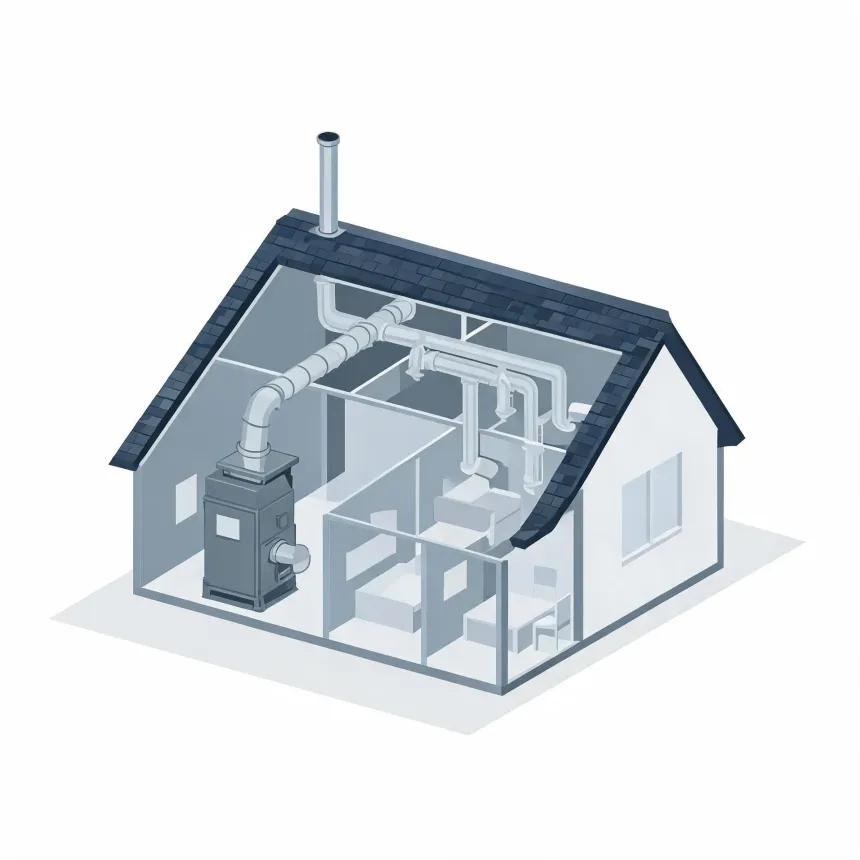
A furnace doesn't get stripped down in place. The cabinet, the heat exchanger, the burner assembly, the blower, all of it comes out as one job before the new unit goes in. If it runs on gas, that line gets capped off or reconnected to the new furnace, and the vent connector or flue gets checked too, since a new furnace often vents differently than the one it's replacing.
A furnace is mostly metal, and scrap haulers take it for that. The heat exchanger and cabinet get recycled rather than landfilled. If the old unit still has a working thermostat or any usable ductwork fittings, those sometimes get reused, but the furnace itself is done once it's pulled.
Estimates for a typical Bradford County home, from EIA household energy data, Pennsylvania fuel prices and NOAA climate normals. Your home will differ.
Installation day starts with the old furnace coming out, then the ductwork gets checked before anything new goes in. The supply and return connections get inspected for the new unit's size, since a bigger or smaller cabinet doesn't always line up with what's there. The gas line gets connected and pressure tested before the burner ever fires. Venting gets run or checked next, because a new furnace often needs different pipe or a different route to the outside than the old one used. Once it's wired to the thermostat, the technician runs it through a full heating cycle, checking the flame, the temperature rise, and the airflow at the vents. A furnace isn't signed off until it's run start to finish and holds steady.