Gas heats more homes here than anything else
Utility gas heats 35.1% of occupied homes in Lycoming County, more than electricity, oil or propane. Electricity is second at 27.1%, and fuel oil or kerosene still heats 21.5% of homes here.

Takes about a minute. No obligation.
Utility gas heats 35.1% of occupied homes in Lycoming County, more than electricity, oil or propane. Electricity is second at 27.1%, and fuel oil or kerosene still heats 21.5% of homes here.
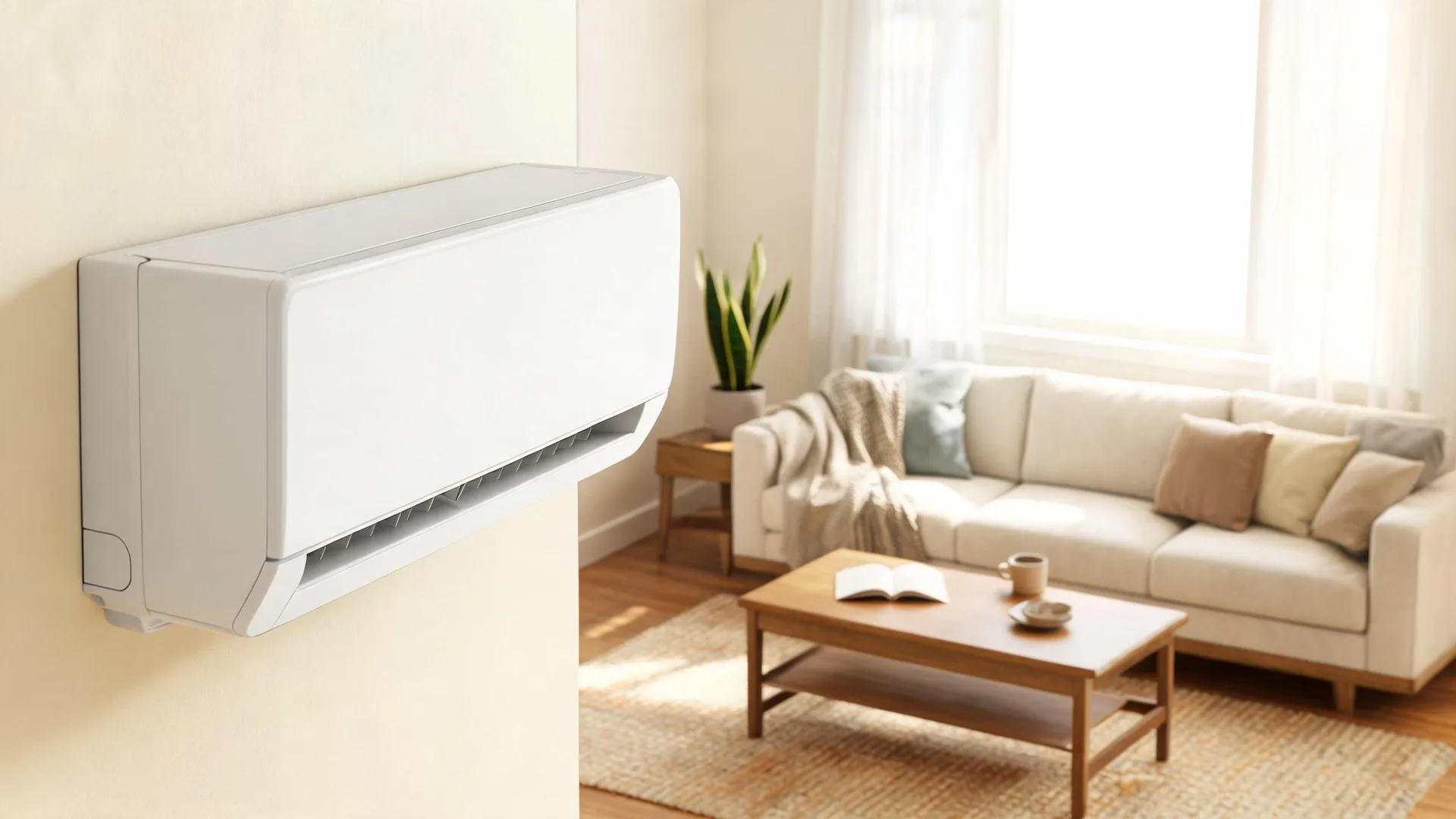
Most homes here were set up to heat with a furnace or boiler, not a heat pump. A mini split installed now usually works alongside whatever is already heating the house, covering a room or zone rather than taking over the whole job.
NOAA nClimDiv, 1991–2020 normals
A mini split's efficiency rating doesn't depend on where it's installed.
A standard size and efficiency level will do the job in Williamsport without paying more for a bigger unit.




Cooling in Williamsport runs July through August. June is the month before that starts, and it is the better time to put in a mini split. The unit goes in while the old system, if there is one, still has the house covered. Once it is running, it can be checked and adjusted before a hot day actually asks anything of it. Wait until July and the install happens on whatever day a contractor can get to it, not a day you picked.
Lycoming County sits in climate zone 5A. Under the federal standard, any split-system heat pump made from 2023 on has to meet 14.3 SEER2 for cooling and 7.5 HSPF2 for heating. A mini split falls under that same rule. There's no separate, lower bar for ductless. A federal tax credit is also available toward the cost of a qualifying system.
Find a contractor
Sizing a mini split is not about matching square footage to a number on a brochure. A unit that is too big cools the air fast and shuts off before it pulls the moisture out, so the room feels cold and still damp. It also cycles on and off more than it should, and that start-stop wears on the compressor faster than a long steady run would. A unit that is too small just runs and runs and never quite gets the room where you want it. Working out the right size means looking at window area and which way they face, how the room is insulated, the ceiling height, how many walls face outside, and what else in the room gives off heat. A contractor doing this right walks through that room by room instead of guessing off one number. Get it right and the system settles into long, steady runs, which is where it lasts longest.
A single indoor head covers one room or an open area well. Reaching separate rooms means separate heads, or a multi-zone unit with a branch for each one. Each added zone means another line set run, another spot to mount a head, and another connection back to the outdoor unit, so the work adds up faster than the room count alone suggests.
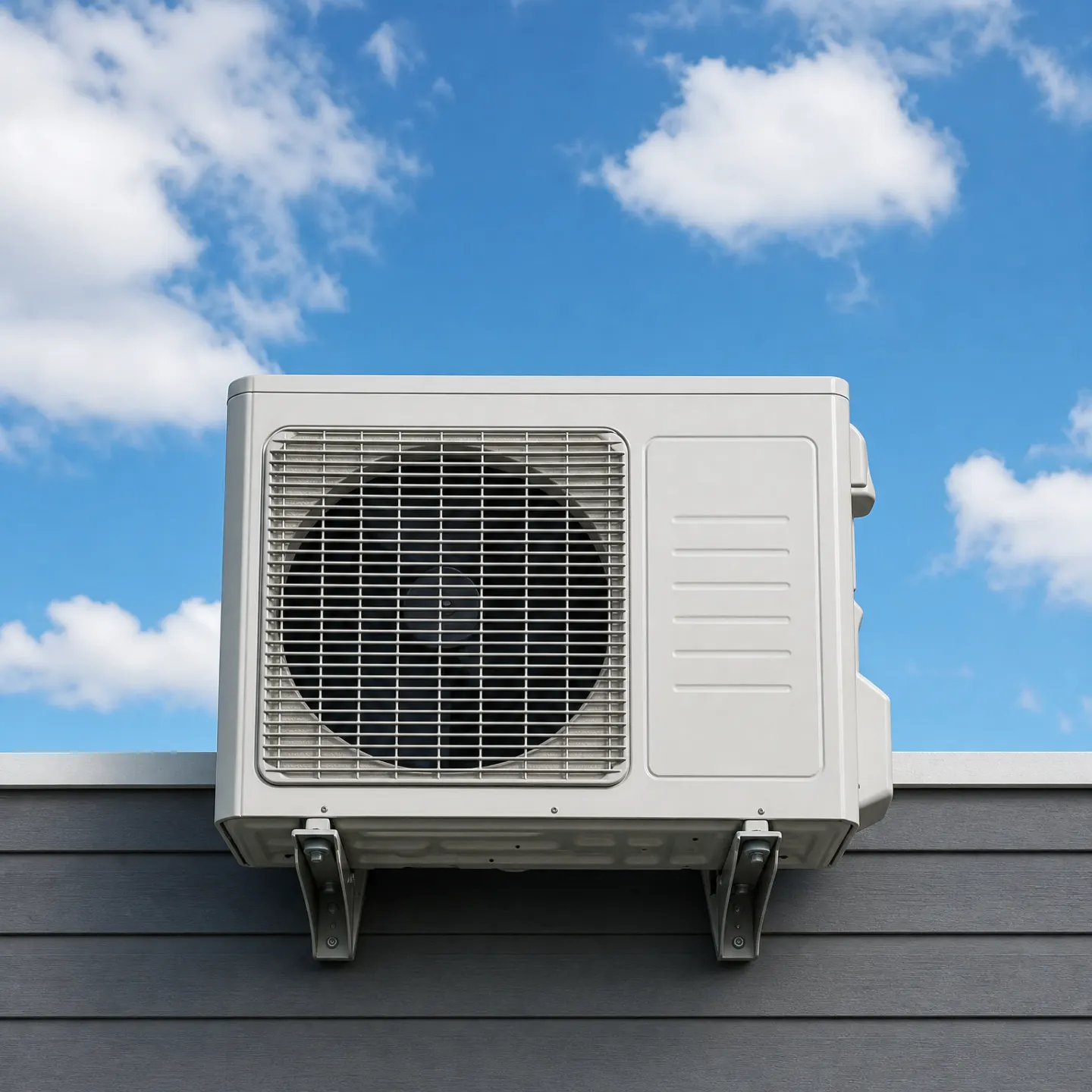
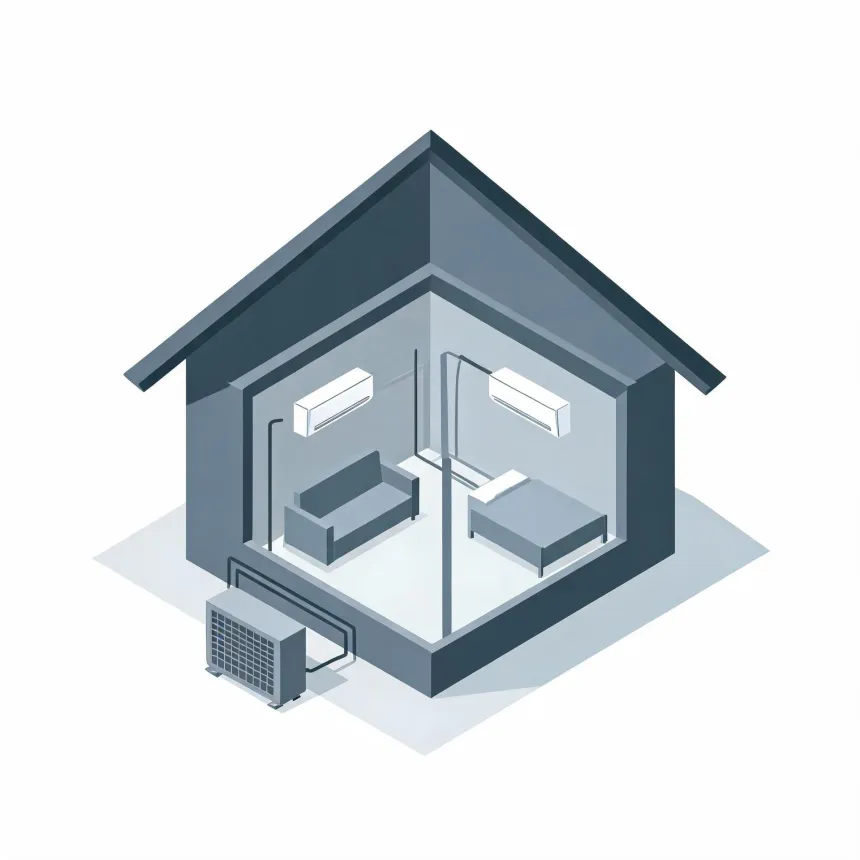
The indoor and outdoor units connect through a line set that has to get from one to the other, usually through an exterior wall. How far apart they sit, and whether that run passes through siding, brick, or framing, decides how much work the installer has to do before either unit goes up. A short, direct run goes faster than one that has to route around the house.
SEER2 and HSPF2 tell you the efficiency, not what the unit is like to live with. Ask what sound rating the indoor head carries, because that number tells you whether it fades into the room or hums while you're trying to sleep. Ask what the system does in defrost mode, since every heat pump pauses heating now and then to clear frost off the outdoor coil, and a better-designed system shortens that pause instead of blowing cold air into the room while it works. Ask whether the compressor runs at a fixed speed or adjusts output to match the room, because a unit that can slow down holds a steadier temperature than one that just switches on and off. Ask what the warranty covers, parts or labor or both, and whether it stays valid only if a certain contractor installs it. None of that shows up on a brochure, but it's what tells you how the thing behaves once it's running in the house every day.
Installation day starts outside, with the outdoor unit. It sits on a pad or wall bracket, away from the dryer vent and clear of anything that blocks airflow around it. Inside, the head goes up on the wall first, mounted to a plate that has to sit level or the drain line won't pitch right. Then comes the hole through the wall for the line set, the refrigerant lines, power cable and drain line bundled together and run from indoor unit to outdoor unit. Once everything is connected, the lines get pulled down to a vacuum before any refrigerant moves, which clears out moisture and air that would otherwise damage the compressor. Only after that does the system get charged, powered up, and run through its paces, checking that the head actually cools and heats and that the drain line clears condensation the way it should.