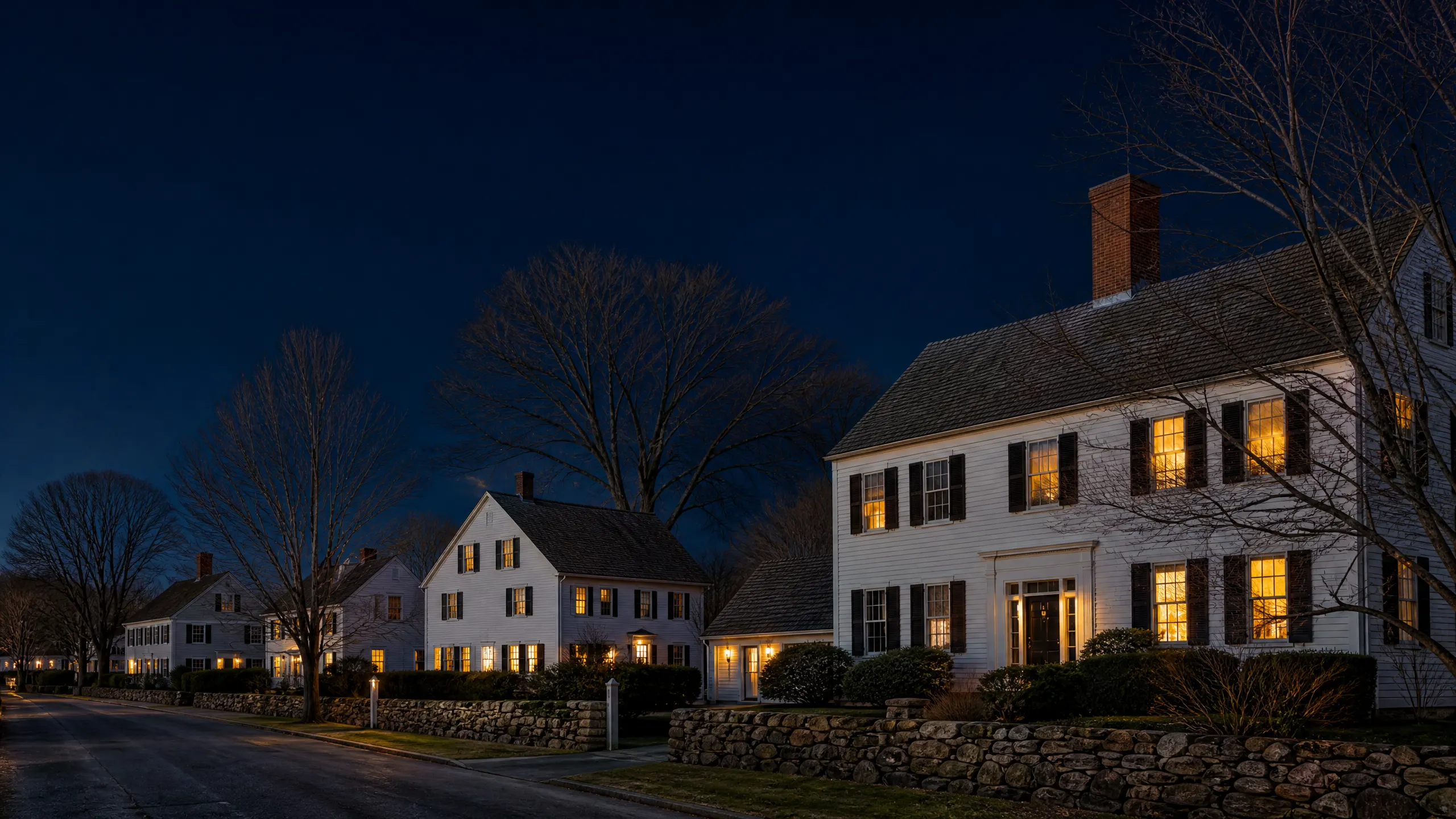
Half these homes were built in 1963 or earlier
That's the midpoint for Lycoming County. A boiler going into a house that old is often not the first one the house has had, and the radiators and piping were likely sized for whatever came before it.
Takes about a minute. No obligation.
That's the midpoint for Lycoming County. A boiler going into a house that old is often not the first one the house has had, and the radiators and piping were likely sized for whatever came before it.
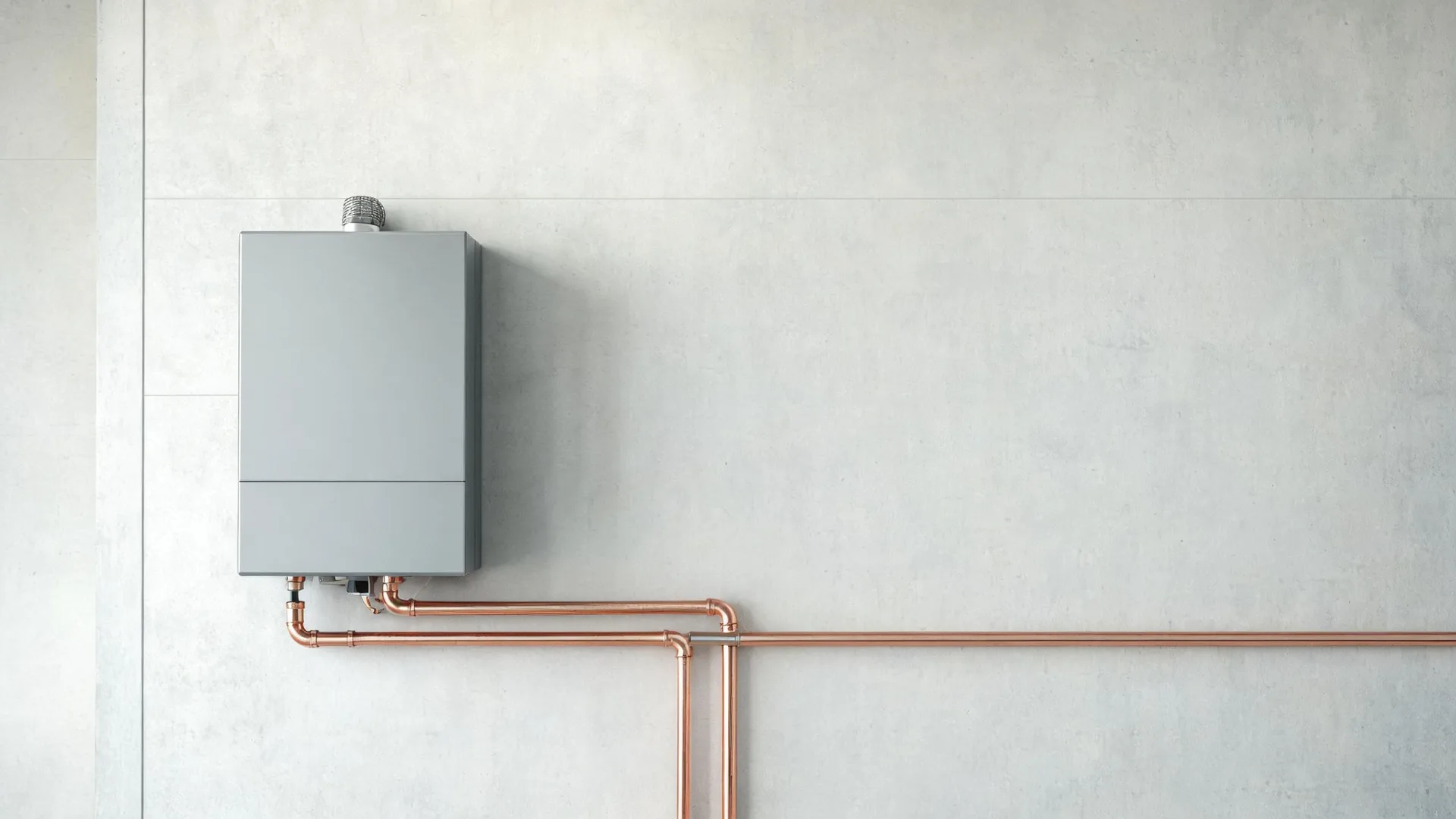
Swapping in a new boiler sized to match the old one only works if the old one was sized right to begin with. In an older home, a contractor needs to check the radiators and piping before installing, not just copy the number off the unit coming out.
A boiler in Lycoming County runs about eight months out of the year, October through May.
A new install here needs to be sized for that load, not picked off a price sheet.



Gas heats more homes here than anything else, 35.1%, with electricity next at 27.1% and fuel oil still in the mix at 21.5%. That's why gas boilers are the system most installers around Williamsport know best, down to the parts they keep on the truck. A new gas boiler going into a house that already has gas is usually a straightforward swap: same fuel line, same venting approach, no new utility work to argue about. If your house runs on fuel oil or LP, that's worth a separate conversation, because switching fuels changes the installation, not just the unit. For most homes here, matching what's already run to the house is the simpler and steadier path.
A new system here will work harder than most, every year. Size it right and don't buy on price alone.
Find a contractor
An oversized boiler heats the house quickly, shuts off, then starts again a short while later. Each start draws more wear than the running does. The heat exchanger cycles hot and cold more often than it should, and that's where cracks start. A boiler sized right runs longer, steadier stretches and takes fewer of those starts over its life.
A contractor works out the load room by room, from the radiators or baseboard already in the house, the piping that feeds them, and how much heat the place actually loses. That's a heat loss calculation, and it has nothing to do with what size unit is already sitting in the basement. Copying the old number forward just repeats whatever mistake, or guess, was made last time.
When you're comparing systems, ask what each one is actually rated to do, not just what fuel it burns. Look at the AFUE rating first, since that tells you how much of the fuel burned turns into heat for the house versus what goes out the flue. Ask whether the boiler is a standard efficiency unit with a draft hood or a condensing unit that pulls more heat out of the exhaust before venting it. Condensing boilers need a drain for the condensate and usually vent through PVC pipe instead of a metal flue, so ask how that changes the install, not just the equipment cost. Ask what the warranty covers on the heat exchanger specifically, since that's the part that's expensive to replace and the one most likely to fail from the wrong water chemistry or short cycling. Ask too whether the quote includes new controls or reuses the old aquastat and zone valves, because pairing a new boiler with worn-out controls is a common way installs underperform from day one.
Lycoming County falls under zone 5A in the 2021 energy code, a cool, fairly humid zone where heating is the bigger job for any system installed here. That classification is also why the minimum efficiency is set where it is. Any gas-fired hot water boiler built on or after January 15, 2021 has to turn at least 84 percent of the gas it burns into heat over the winter. That's not a target a contractor aims for, it's the floor every new unit sold has to clear. It narrows what can legally go into your basement, which makes the efficiency conversation shorter than it used to be. The real choice left is whether to meet that number or build in more room above it.