An unfinished basement featuring a forced-air furnace, exposed wooden ceiling joists, bare concrete walls, and miscellaneous items including cardboard boxes and coiled cables on the floor.

Furnace Installation in Norristown, PA

Tell us about the job

Takes about a minute. No obligation.

Step 1 of 3: Equipment

Montgomery County sees its share of storms

Montgomery County logged 458 severe weather events between 2015 and 2024. Damaging wind caused 351 of them, and the county saw 59 hail events, 35 winter storms, 4 tornadoes, and 2 tropical storms in that stretch.
Power doesn't always hold through it

15% of Pennsylvania households went at least a full day without power in 2024. A furnace with no backup plan for that is a furnace that leaves you without heat right when a storm's already made things hard.

7 months
October through April, your furnace is on duty
25°F
the average winter night it heats against
52%
of homes here heat with gas, so most furnaces here burn gas
80% AFUE
the federal minimum any new unit must meet
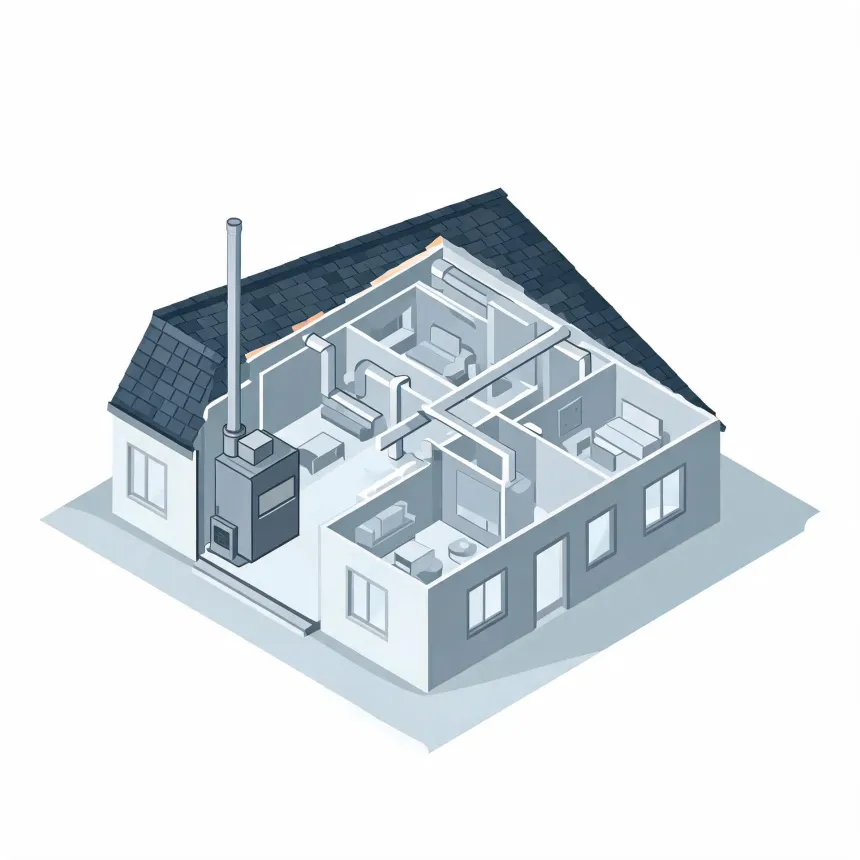
Isometric cutaway illustration of a single-story house showing interior rooms, ductwork, and a dark furnace unit with a tall flue pipe rising past the shingled roof.
Your furnace works hardest from November through March.

NOAA nClimDiv, 1991–2020 normals

Furnaces here go in before October, when heat season starts.

Wait until overnight lows hit 25°F and you're installing in a hurry instead of on your schedule.

Half the homes here were built in 1971 or earlier, and the furnace has to work with the house it's going into

Half the homes here were built by 1971
Climate zone 4A
Heat runs October through April

Gas heats a little more than half the homes in Montgomery County, 51.8%. Electricity comes next at 27.4%, then fuel oil or kerosene, then bottled or LP gas. If your house is one of the gas majority, replacing a gas furnace with another gas furnace is the straightforward path. The gas line, the venting, the layout the last one used are already there, built for the job. A switch to electric heat means new wiring and a different kind of installation, not just a different box in the same spot. None of that rules out a change. It just means staying on the fuel you already have is usually the simpler install.

Plan the install around the outages, not just the cold

When the power goes with a new furnace already in, the install should have accounted for it. Ask what the system needs to restart on its own once power comes back, and where the outdoor equipment sits if wind or hail is part of the forecast. That's a conversation to have before the furnace goes in, not after a storm knocks the power out.

Find a contractor
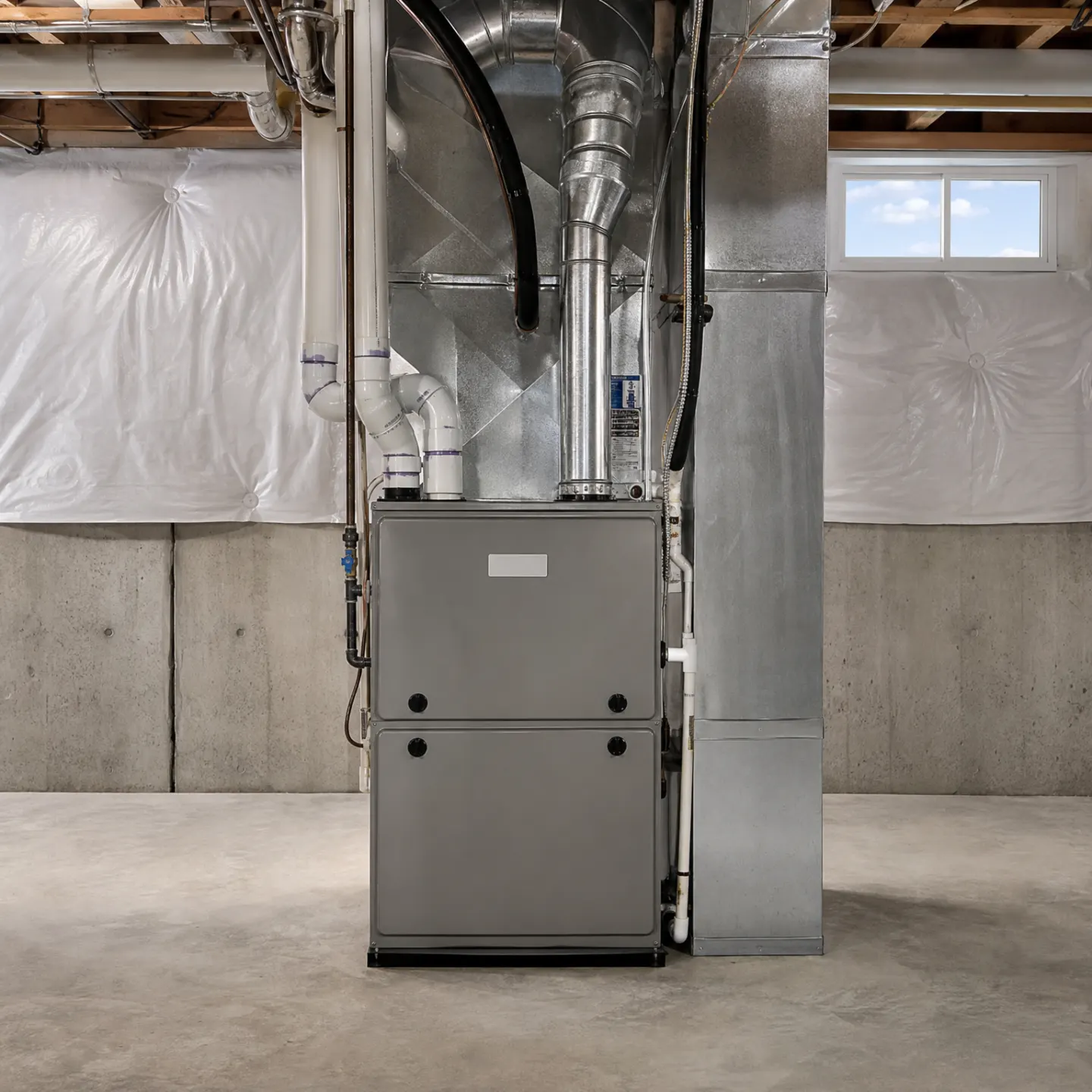
A gray residential gas furnace installed in an unfinished basement, connected to sheet-metal ductwork and PVC pipes.

This furnace runs in a house built decades ago

An older furnace was sized and placed for the house as it was when it went in. Yours may have had rooms added, insulation changed, or windows replaced since 1971, and a new furnace should match the house as it stands now, not the one from the listing sheet. That means a load calculation, not just swapping in whatever size is already sitting there. The ducts matter too. Older homes often kept the same duct layout through more than one furnace replacement, and it's worth having someone check that the new unit and the existing ducts are actually a good match before install day.

Ask what happens when the gas valve calls for heat

A furnace lights through a sequence: the inducer motor starts, a pressure switch confirms it's running, the igniter heats up or sparks, then the gas valve opens. If any step fails, the furnace shuts itself down rather than run unsafe. Ask what stage of that sequence fails most often on the model you're looking at, and how loud the inducer motor runs. You'll be listening to it for the next couple decades.

Ask how the new furnace is staged to the house

A single-stage furnace runs at full fire every time it kicks on, then shuts off once the thermostat is satisfied. A two-stage or modulating furnace can run at a lower flame most of the time and save full output for the coldest stretches, which means steadier temperatures and less cycling on and off. Whether that's worth it depends on the ductwork moving the air, so ask the installer whether the ducts were sized for the stage of furnace going in, not just the furnace itself.

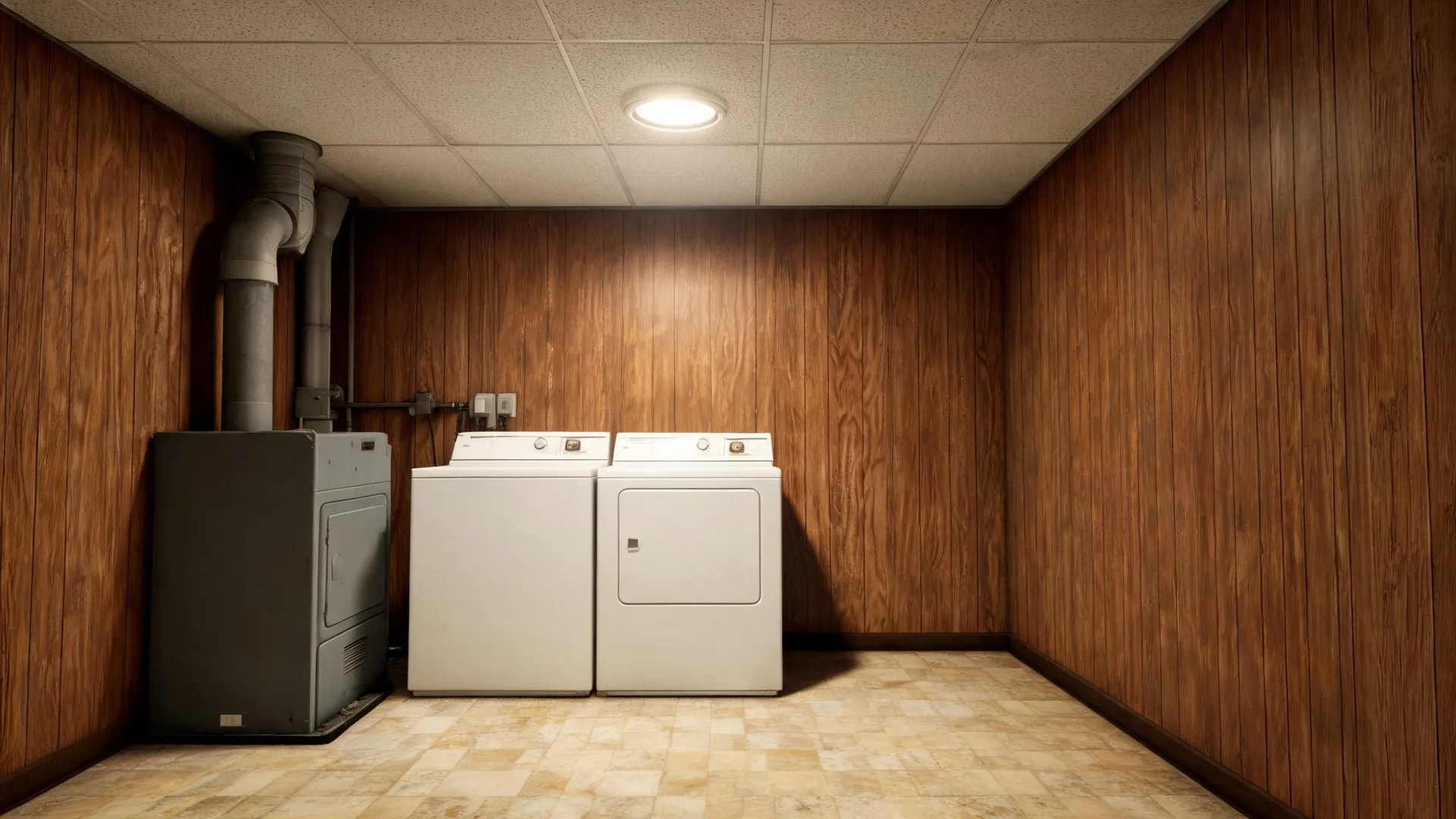
An unfinished basement containing a gray HVAC furnace with ductwork, exposed wooden joists, a concrete floor, and miscellaneous clutter in one corner.

A high-efficiency gas furnace would save about $120 a year to run in Montgomery County compared with a gas furnace.

  • A high-efficiency gas furnace$550 a year
  • A gas furnace$670 a year

Estimates for a typical Montgomery County home, from EIA household energy data, Pennsylvania fuel prices and NOAA climate normals. Your home will differ.

Install day starts with the old furnace coming out, along with anything about the setup that doesn't carry over to the new one. The installer runs a combustion air check, confirms the vent pipe is sized right for the new unit, and verifies the gas line pressure before anything gets fired up. A new furnace often needs different venting than the one it replaces, especially if it's a higher efficiency unit, since those vent through PVC pipe instead of a metal flue. That can mean new pipe run to the outside wall, not just a swap at the furnace itself. Once it's set and connected, the installer fires it up and checks the temperature rise across the heat exchanger, confirms the blower speed matches the ductwork, and tests the safety switches before calling it done. None of that work should be rushed to fit a schedule. A furnace put in wrong on a fast timeline causes problems that show up months later, after the install crew is gone.