



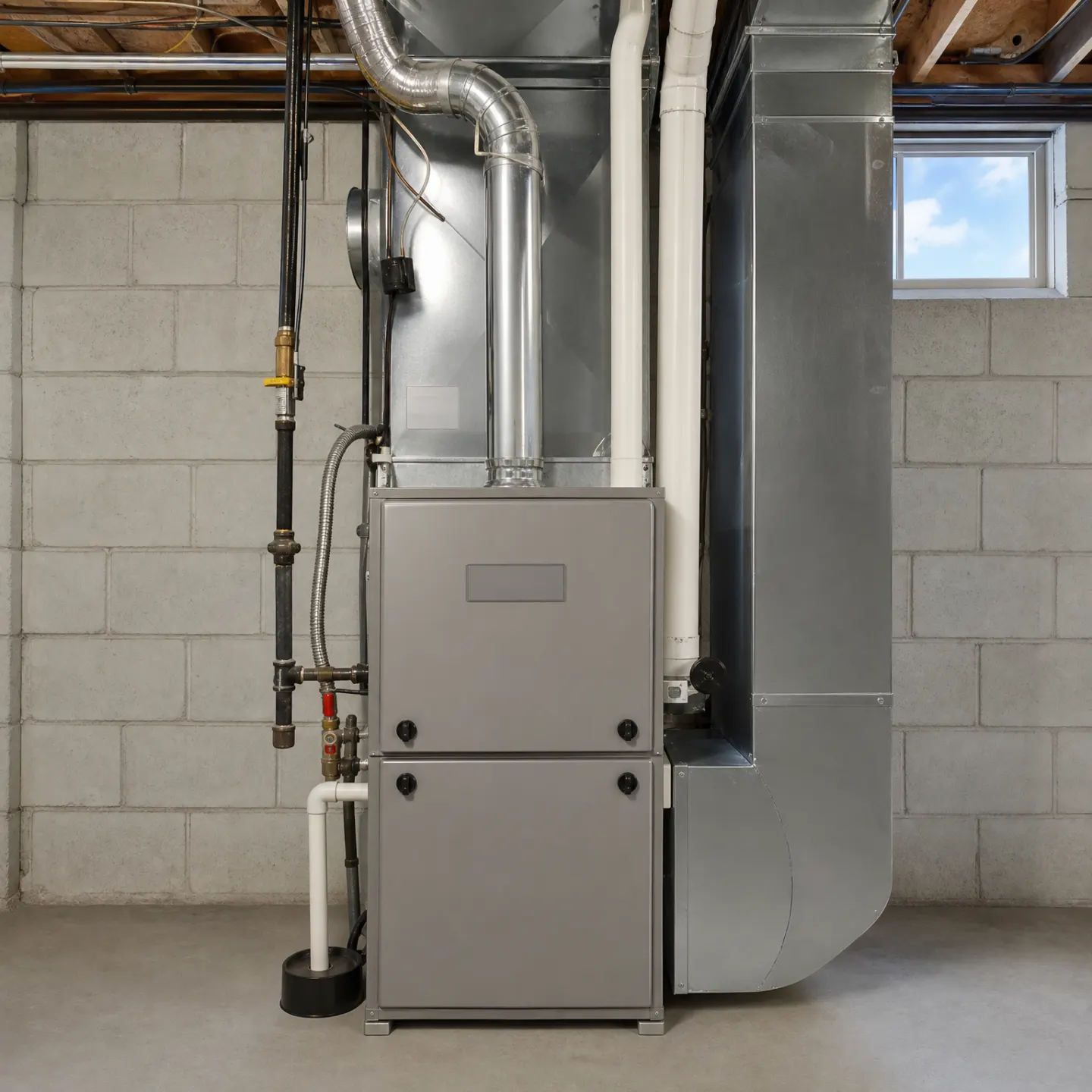
A gas furnace with sheet-metal ductwork and PVC pipes installed in an unfinished basement.

Furnace Installation in Chester, PA

Tell us about the job

Takes about a minute. No obligation.

Step 1 of 3: Equipment

Gas heats 60.1% of occupied homes in Delaware County, and most furnace installations here are gas furnaces for that reason. If a gas line already runs to your house, keeping the new furnace on gas is usually the straightforward path. Oil and electric furnaces still turn up, but a contractor working in Chester sees gas far more than either one. The fuel your current furnace uses is the first thing worth checking before you compare quotes.

7 months
October through April, your furnace is on duty
27°F
the average winter night it heats against
60%
of homes here heat with gas, so most furnaces here burn gas
80% AFUE
the federal minimum any new unit must meet
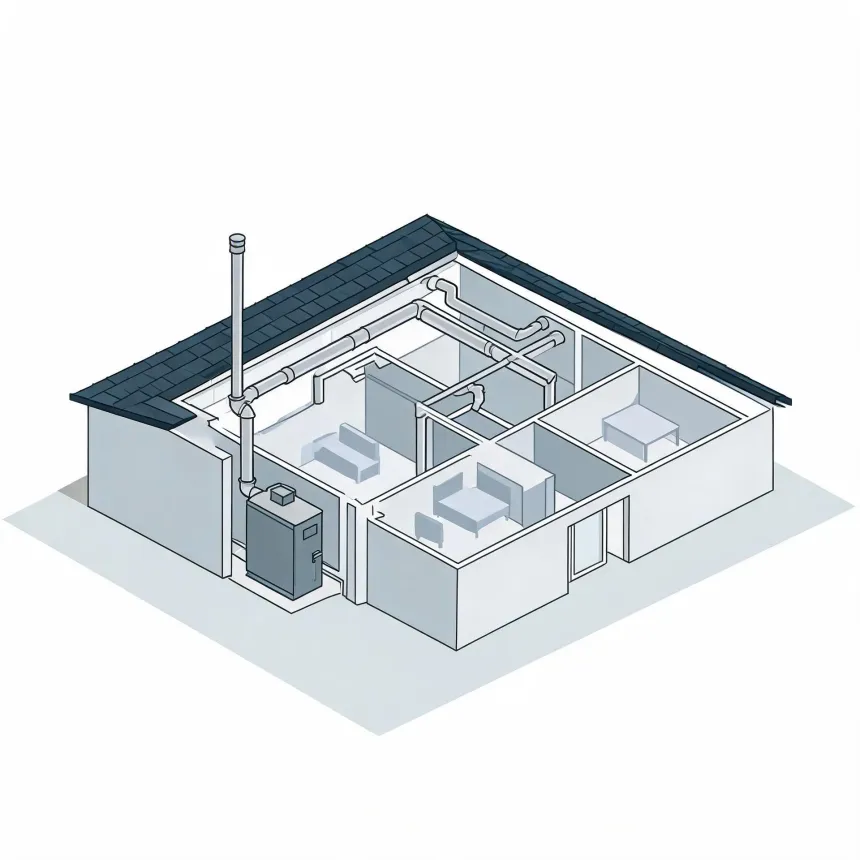
Isometric line illustration of a cutaway single-story house showing interior rooms with furniture, ceiling ductwork, and an exterior furnace unit with a tall flue pipe.
Your furnace works hardest from November through March.

NOAA nClimDiv, 1991–2020 normals

Chester furnaces run from October through April, with overnight lows averaging 27°F in January.

A correctly sized standard furnace handles that without needing extra capacity or a higher efficiency tier.

September is when a Chester furnace gets replaced before it has to work

Heat runs October through April
Winter nights average 27°F
18 winter storms from 2015 to 2024
Gas here runs cheap, so Chester furnaces earn their keep on reliability, not paybackPennsylvania gas cost $13.12 per million Btu in 2024, which is why fit matters more than chasing efficiency

Chester sits in climate zone 4A, which asks real work of both your furnace and your AC over the year. Any furnace installed here has to clear 80.0 percent AFUE, the federal minimum for non-weatherized gas furnaces. That floor holds until December 2028, when new units have to hit 95.0 percent instead. Buying before then still means choosing something above 80.0 percent if you want it, just not a requirement. A furnace bought now runs at whichever efficiency you pick, for as long as it lasts in your house.

Go with the standard fit

A standard size and efficiency fit fine here. There's no local reason to go bigger or pricier.

Find a contractor
A gray high-efficiency gas furnace installed in an unfinished basement, surrounded by gas lines, a condensate drain, and sheet-metal ductwork.

Install for the house you have

A furnace installed now has to match the ductwork and gas line already in your house, not whatever came standard when the house was built. Before you size anything, a contractor needs to see what's actually there.

The old furnace gets disconnected and hauled off

A contractor shuts off the gas line and the power to the furnace, disconnects the venting and ductwork, and removes the unit from the house. The gas line and duct connections stay in place to link up with the new furnace. Most contractors include haul-away of the old unit as part of the installation, but it's worth confirming so you're not left finding a way to get rid of a heavy steel cabinet on your own.

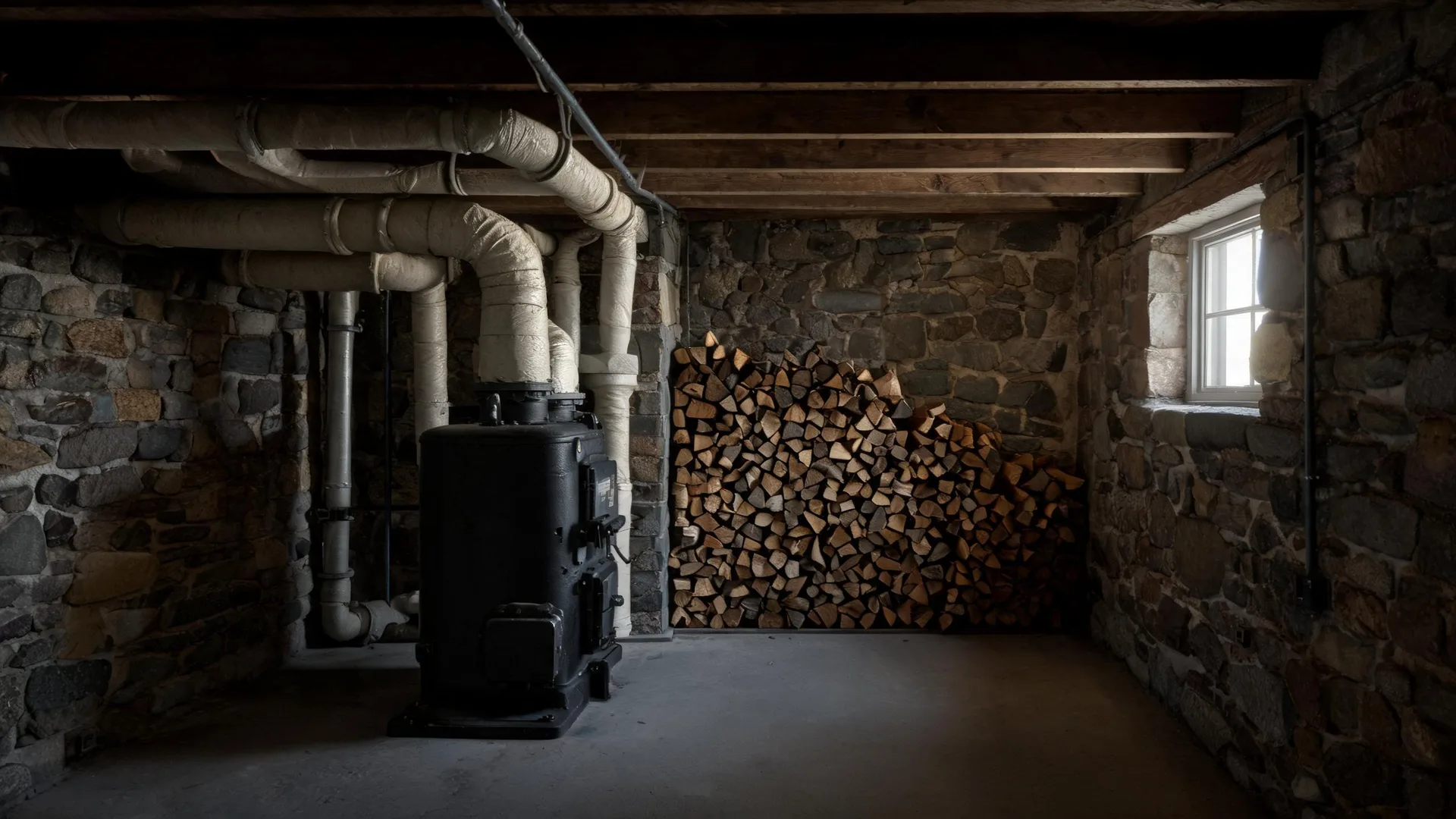
What happens to it after that isn't your concern

A furnace cabinet is mostly steel, and steel gets recycled rather than landfilled in most cases. The heat exchanger, blower motor and any copper or aluminum parts inside also have scrap value, which is part of why haul-away is usually built into the job rather than billed separately. None of that affects how the new furnace gets installed. It just means the old one stops being something you have to think about once it's disconnected.

An unfinished basement featuring a forced-air furnace, exposed wooden ceiling joists, bare concrete walls, and miscellaneous items including cardboard boxes and coiled cables on the floor.

A high-efficiency gas furnace would save about $110 a year to run in Delaware County compared with a gas furnace.

  • A high-efficiency gas furnace$510 a year
  • A gas furnace$620 a year

Estimates for a typical Delaware County home, from EIA household energy data, Pennsylvania fuel prices and NOAA climate normals. Your home will differ.

Installation itself runs a set sequence once the old furnace is out. The new cabinet gets set and leveled, then connected to the existing ductwork through a supply plenum and return trunk. The gas line hooks into the furnace's gas valve, and a technician checks that connection for leaks before anything gets fired up. Venting comes next, run to match whatever the furnace needs, and that step looks different depending on whether the furnace is standard efficiency or high efficiency. Electrical and thermostat wiring get connected last. Once everything is tied in, the furnace gets fired up, run through its cycles, and checked for correct airflow and temperature rise before the job is called done.