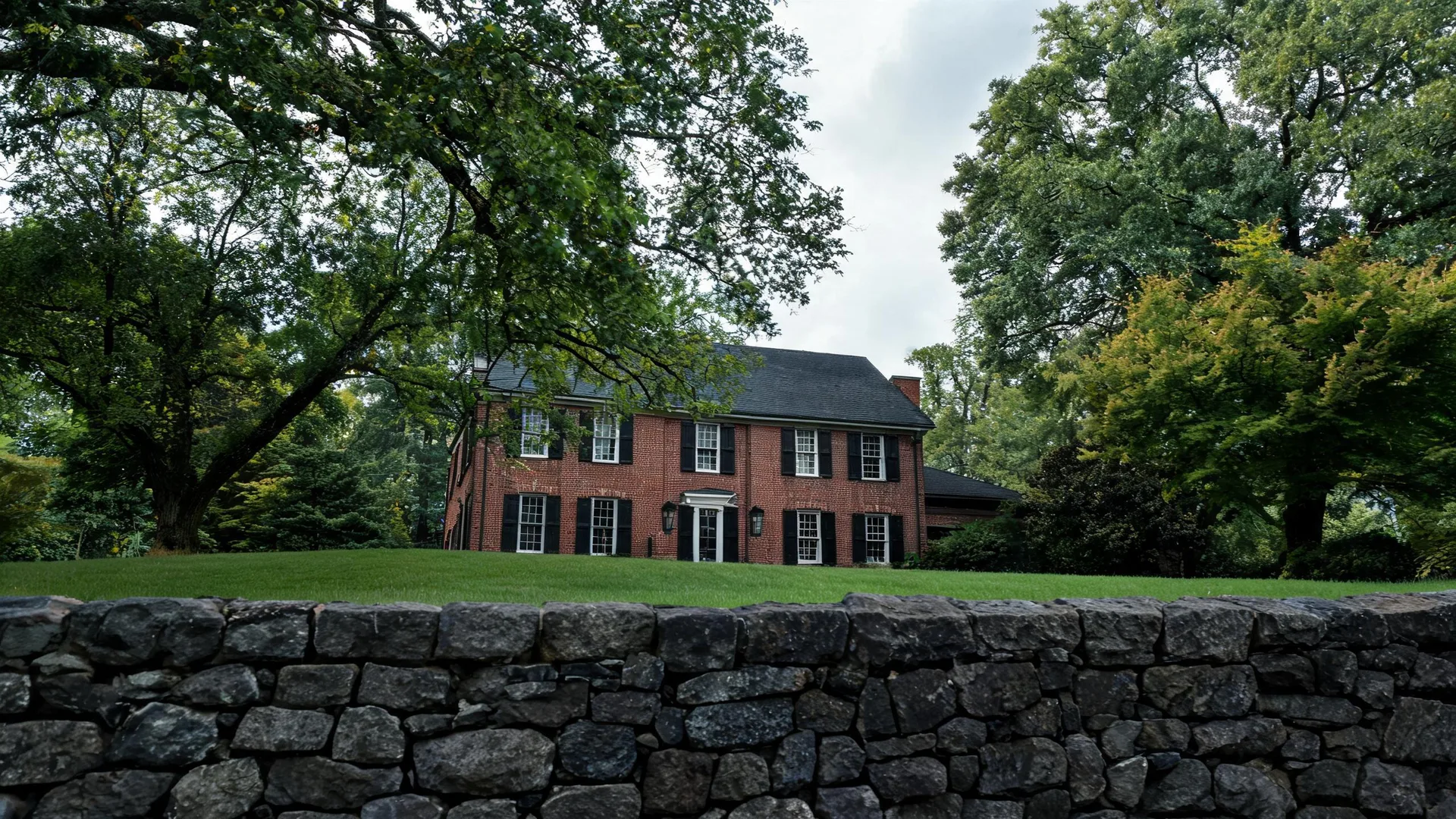
A two-story red brick house with black shutters and a dark roof sits behind a mown lawn, large deciduous trees, and a dry-stacked stone wall in the foreground.

Furnace Installation in Phoenixville, PA

Tell us about the job

Takes about a minute. No obligation.

Step 1 of 3: Equipment

Weather here does damage

Chester County logged 543 severe weather events between 2015 and 2024, 478 of them damaging wind and 32 winter storms with heavy snow and ice. Three tornadoes touched down in that same stretch. A new furnace and the equipment tied to it have to sit through that.

The power doesn't always hold

15% of Pennsylvania households went at least a full day without power in 2024. A gas furnace still needs electricity to run the blower and controls, so an outage shuts it down along with everything else until power comes back.

7 months
October through April, your furnace is on duty
25°F
the average winter night it heats against
80% AFUE
the federal minimum any new unit must meet
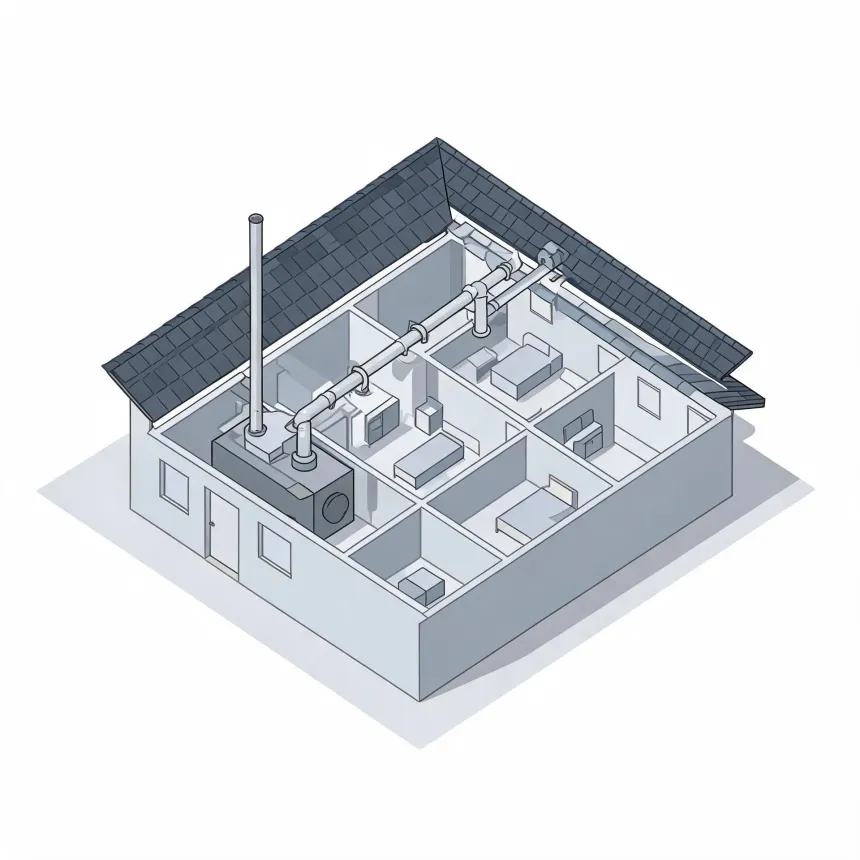
Isometric cutaway illustration of a single-story house showing interior rooms, furniture, a dark furnace unit with a tall vertical flue pipe, and ductwork running under the pitched shingle roof.
Your furnace works hardest from November through March.

NOAA nClimDiv, 1991–2020 normals

Gas heats more homes in Chester County than anything else, at 35.9 percent.

A gas furnace is the system contractors here know best, from the gas line to the venting.

Gas here is cheap, so the payback is in reliability, not the bill

Heat runs October through April
Winter nights average 25°F
32 winter storms from 2015 to 2024
Get it done before OctoberFurnaces in Chester County start running in October, so September is the month to have the new one in.

Chester County falls under zone 4A in the 2021 energy code, a mixed climate that works both the furnace and the AC hard. Any furnace going into a home here has to meet that standard. For a furnace manufactured now, the rule is simple: at least 80 percent of the gas it burns has to become heat over the season. That minimum steps up to 95 percent for units manufactured on or after December 18, 2028. A furnace installed today still falls under the 80 percent rule, and it will keep running under that standard for as long as it lasts in the house.

Plan the install around the outages, not just the cold

A furnace needs power to run no matter how it's fueled, so where the new unit sits and what backs it up matter as much as the furnace itself. Ask about a surge protector for the control board, and where the outdoor equipment will sit so wind and hail don't reach it. If a generator or battery backup is part of the plan, this install is the time to wire it in.

Find a contractor
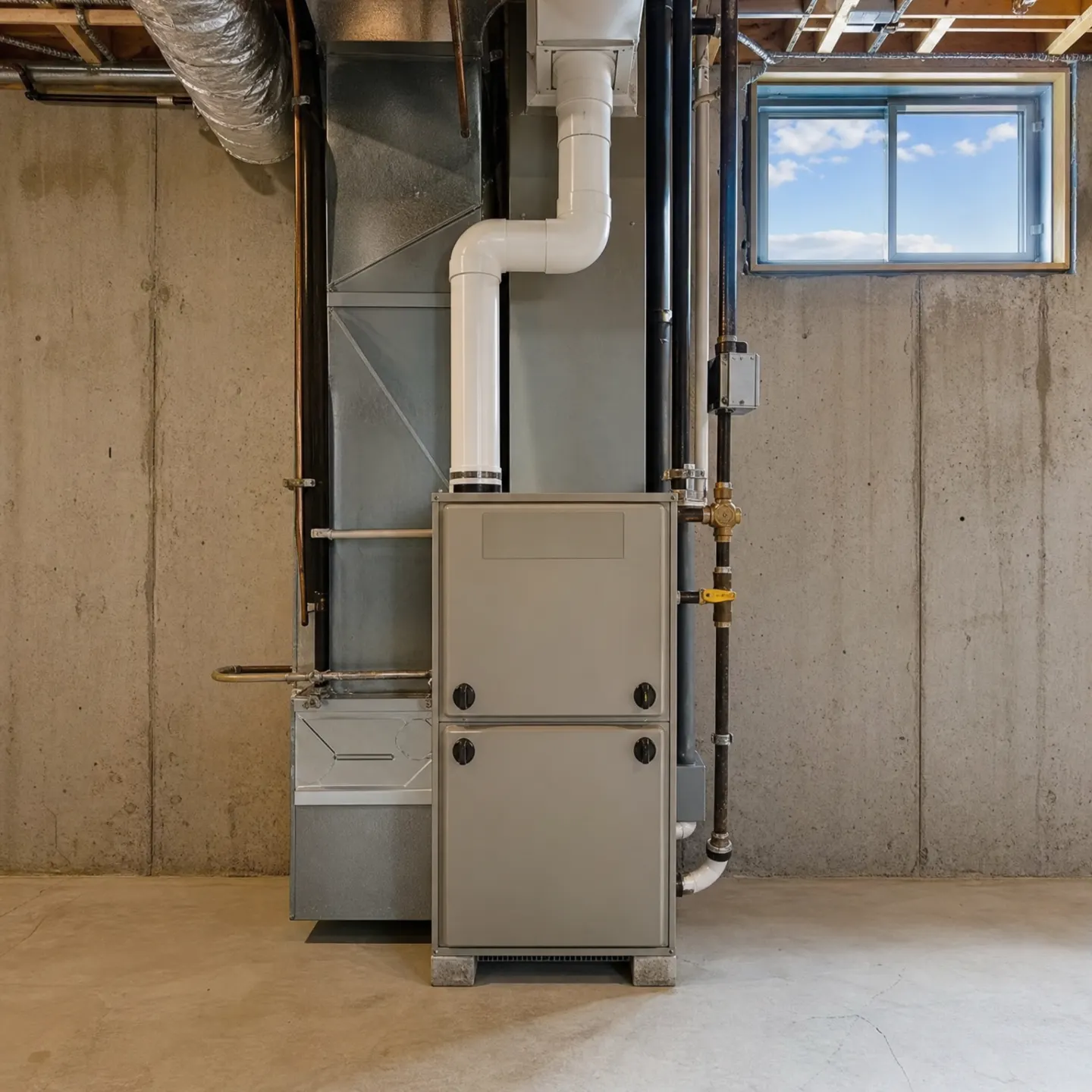
A gray gas furnace with attached ductwork and piping installed in an unfinished concrete basement.

Sized for the house, not the old unit

A furnace that's too big for the space it heats will short cycle. It fires up, blasts the room to temperature in a few minutes, and shuts off before it's pulled moisture out of the air or warmed the walls and furniture. Then the room cools fast and it fires up again. All that starting and stopping wears on the ignition system and the blower motor faster than steady running ever would. Too small, and it runs nearly nonstop on the coldest days, struggling to keep up and still leaving cold rooms far from the unit. The right size comes from a load calculation, not the size of the furnace already in the house or a quick guess based on square footage. A contractor works through the house room by room, accounting for window area, insulation, ceiling height, and how the rooms are laid out, to figure out how much heat the space actually loses on a cold day. That number drives everything else: duct sizing, blower speed, and which furnace model actually fits the job.

The old furnace comes out whole

A contractor disconnects the gas line, the venting, the ductwork and the electrical, then carries the furnace out in one piece or cut down for the doorway. The heat exchanger and burners stay shut down and sealed off from the gas line the moment the new unit is being set, so there's no window where both are live at once.

The venting and gas line get checked, not just swapped

A new furnace often moves air differently than the one it replaces, so the flue has to be checked for the right size and slope before it's reused. The gas line gets checked for the correct pressure to the new unit. Reusing a vent or line that doesn't match the new furnace is how carbon monoxide problems start.

A gray forced-air furnace with sheet-metal ductwork stands in an unfinished basement with exposed wooden joists, concrete walls, and a hanging incandescent bulb.

A high-efficiency gas furnace would save about $110 a year to run in Chester County compared with a gas furnace.

  • A high-efficiency gas furnace$560 a year
  • A gas furnace$670 a year

Estimates for a typical Chester County home, from EIA household energy data, Pennsylvania fuel prices and NOAA climate normals. Your home will differ.

Gas is already the cheap fuel here, at $13.12 per million Btu for Pennsylvania homes in 2024. That changes what's worth paying extra for. A high-efficiency furnace still burns less gas than a standard one, but with gas this cheap, the extra cost of the top-tier model takes a lot longer to earn back. Put that money into what actually protects you here instead. A surge protector for the control board, a technician who checks the vent and gas line properly, a furnace sized right for the house. Those pay off in a furnace that keeps running through what this county throws at it, which matters more than shaving a few dollars off the gas bill.