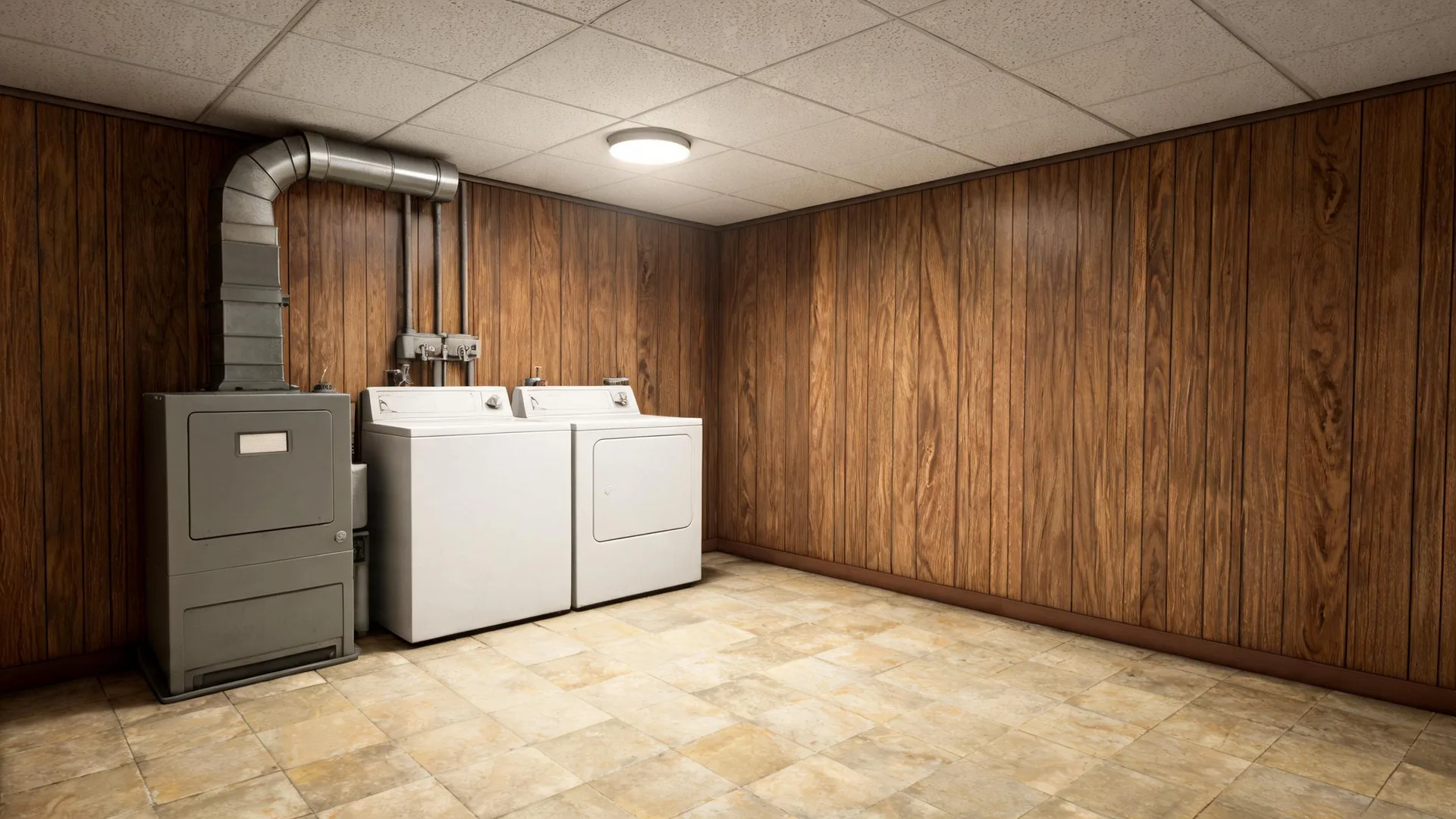
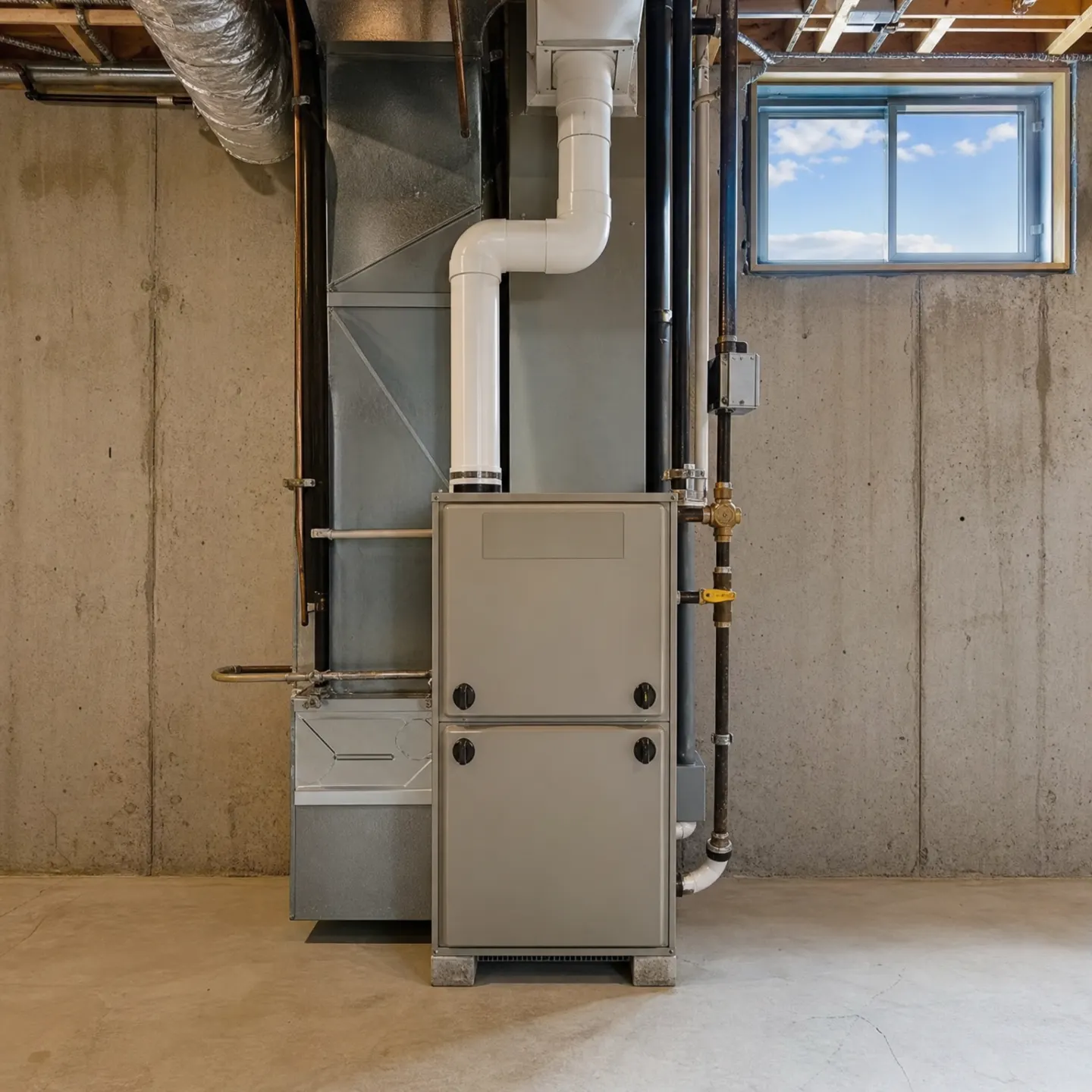
Gas is the standard here
Utility gas heats 69.6% of homes in Philadelphia County. A gas furnace is what most contractors here install, service and carry parts for.
Takes about a minute. No obligation.
Utility gas heats 69.6% of homes in Philadelphia County. A gas furnace is what most contractors here install, service and carry parts for.
If your old furnace ran on gas, keeping the same fuel usually means the gas line and vent are already in place. That keeps the job closer to a straight swap than a system change.
NOAA nClimDiv, 1991–2020 normals
Furnaces in Philadelphia County start running in October.
Install before September ends and the job happens on your schedule, not during the first cold snap.




Philadelphia County is zone 4A, a mixed climate that asks real work of both your furnace and your AC. Any furnace installed here has to clear 80.0 percent AFUE. That is the federal floor for gas furnaces right now, and most on the market clear it without trying. The baseline is set to rise to 95.0 percent AFUE in a few years, which will change what is sold here, but it does not change what you can install today. A furnace bought now only has to meet the 80.0 percent mark.
Natural gas ran $13.12 per million Btu in Pennsylvania in 2024. That is cheap enough that a high-efficiency furnace takes longer to earn back the difference in cost. Picking the right fit for your house matters more here than chasing the highest AFUE number on the shelf.
Find a contractorThe work in an older house is matching the new furnace to what's already there. The duct sizing, the vent path, the gas line location all got set decades ago. A contractor sizing your system has to work from that, not from a spec sheet for new construction. Get a load calculation done on your actual house rather than going by the size of the unit you're replacing.
A furnace priced for your house comes from a load calculation, the room by room math on how much heat the space needs. Skip that step and a contractor is guessing, and a guess usually lands on the bigger, pricier unit to be safe. The right size often costs less than the safe guess.
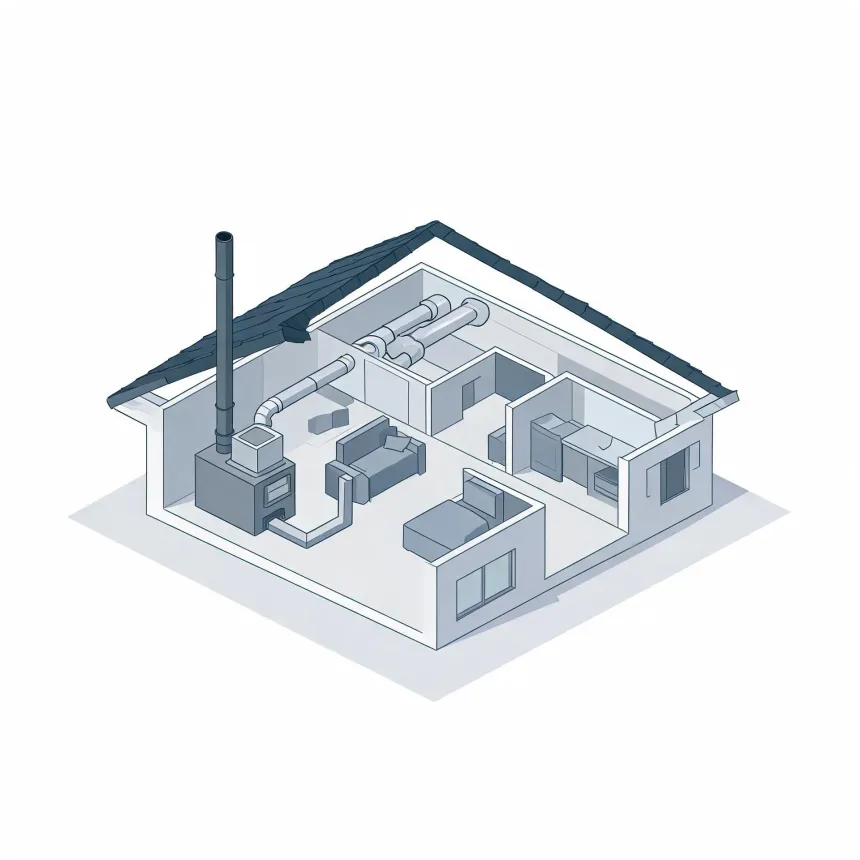
The furnace is one line on the quote. Venting, duct modifications, and bringing the gas line or electrical up to code are separate ones, and they only show up once a contractor opens the wall or crawlspace and sees what's actually there. Houses with the same furnace can still need very different work behind it.
Estimates for a typical Philadelphia County home, from EIA household energy data, Pennsylvania fuel prices and NOAA climate normals. Your home will differ.
Install day starts with the old furnace coming out, not the new one going in. The contractor disconnects the gas line, the vent, the ductwork and the electrical before anything new gets set in place. Once the space is clear, they can see what they're actually working with and catch anything that needs to change before the new unit goes in. Setting the furnace and connecting gas, vent and ducts usually takes less time than the teardown and the testing after. Once it's running, the contractor checks gas pressure, airflow and the vent draft before calling the job done. A furnace that fires up but hasn't been checked on all of those isn't finished yet.