




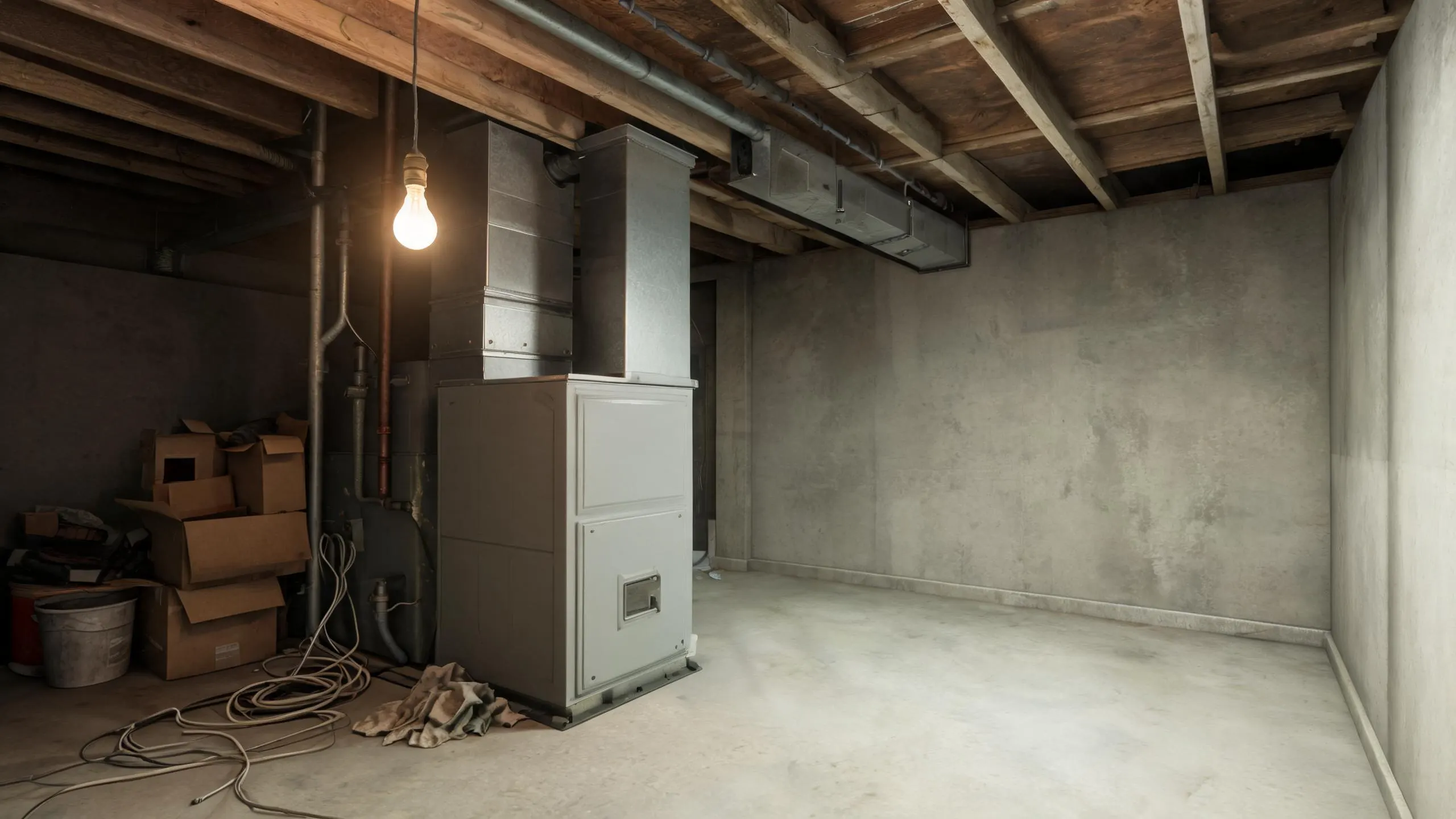
An unfinished basement containing a metal furnace with ductwork, exposed wooden joists on the ceiling, cardboard boxes, a coiled cable, and a single hanging incandescent bulb.

Furnace Repair in Philadelphia, PA

Tell us about the job

Takes about a minute. No obligation.

Step 1 of 3: Equipment

Furnaces in Philadelphia County start working in October and keep going through April. That first cold snap in October is when a weak part finally gets tested, and it's also when most repair calls start coming in. A furnace that sat quiet since spring doesn't always wake up right. If something was already marginal, the first real heat load finds it. September is worth a call too, before the cold hits, since a check then can catch a weak igniter or a failing part before it leaves you without heat on the first cold night.

7 months
October through April, your furnace is on duty
27°F
the average winter night it heats against
70%
of homes here heat with gas, so most furnaces here burn gas
15 winter storms
in ten years, the nights a failure hurts most
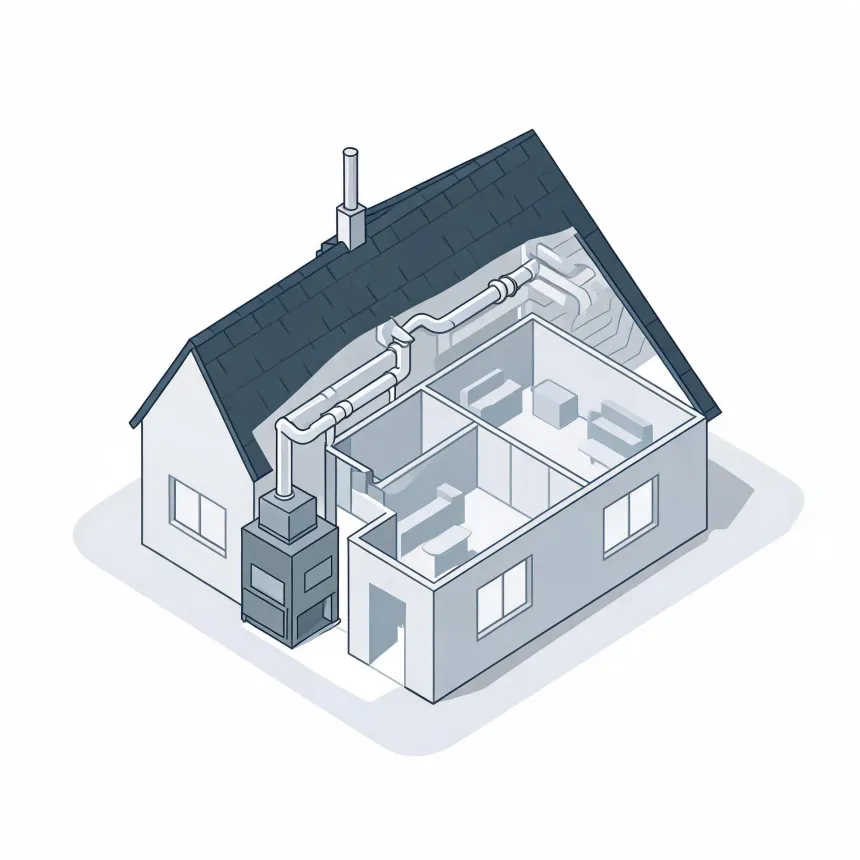
Isometric line illustration of a cutaway single-story house with a dark shingled roof, showing interior rooms and ductwork connected to a gray furnace unit with a flue pipe.
Your furnace works hardest from November through March.

NOAA nClimDiv, 1991–2020 normals

A furnace that won't start can mean a thermostat set wrong or switched to the wrong mode.

Check the thermostat and the filter yourself before you pay someone to find the same thing.

Most furnace trouble in Philadelphia has an ordinary cause

186 severe weather events from 2015 to 2024
15% of homes statewide lost power a day or more in 2024
151 damaging wind events from 2015 to 2024

Half the homes in Philadelphia County were built in 1949 or earlier. A furnace in one of those houses isn't necessarily original, since most get replaced long before the house itself is that old. But if yours came with the place, or you've lost track of when it was put in, age is worth checking before you spend money on a repair. A cracked heat exchanger or a blower motor on its way out can mean the furnace has less life left in it than the repair assumes. Ask the contractor how many years are likely left in it before you commit to the work.

Know the furnace's age before you pay for the repair

If your furnace came with the house, or you've lost track of its age, get that answered before the repair goes any further. It changes whether the repair is worth paying for.

Find a contractor
A man in a dark shirt and tan pants carries a canvas tool bag as he walks up concrete steps toward a blue front door on a porch with a potted shrub.
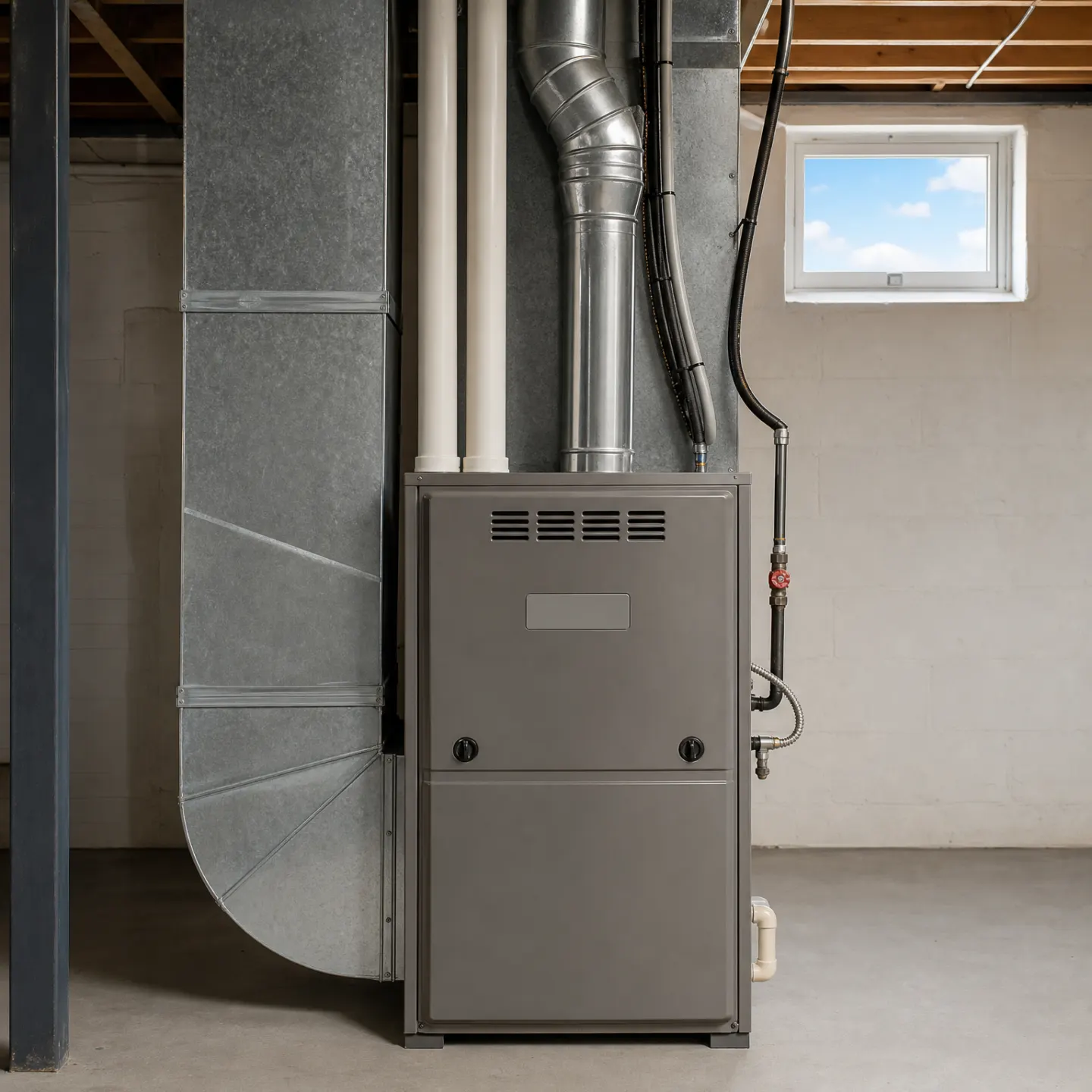
A gray residential gas furnace installed in an unfinished basement, surrounded by ductwork, a metal flue pipe, and a gas supply line.

Furnaces fail from steady wear, not sudden damage

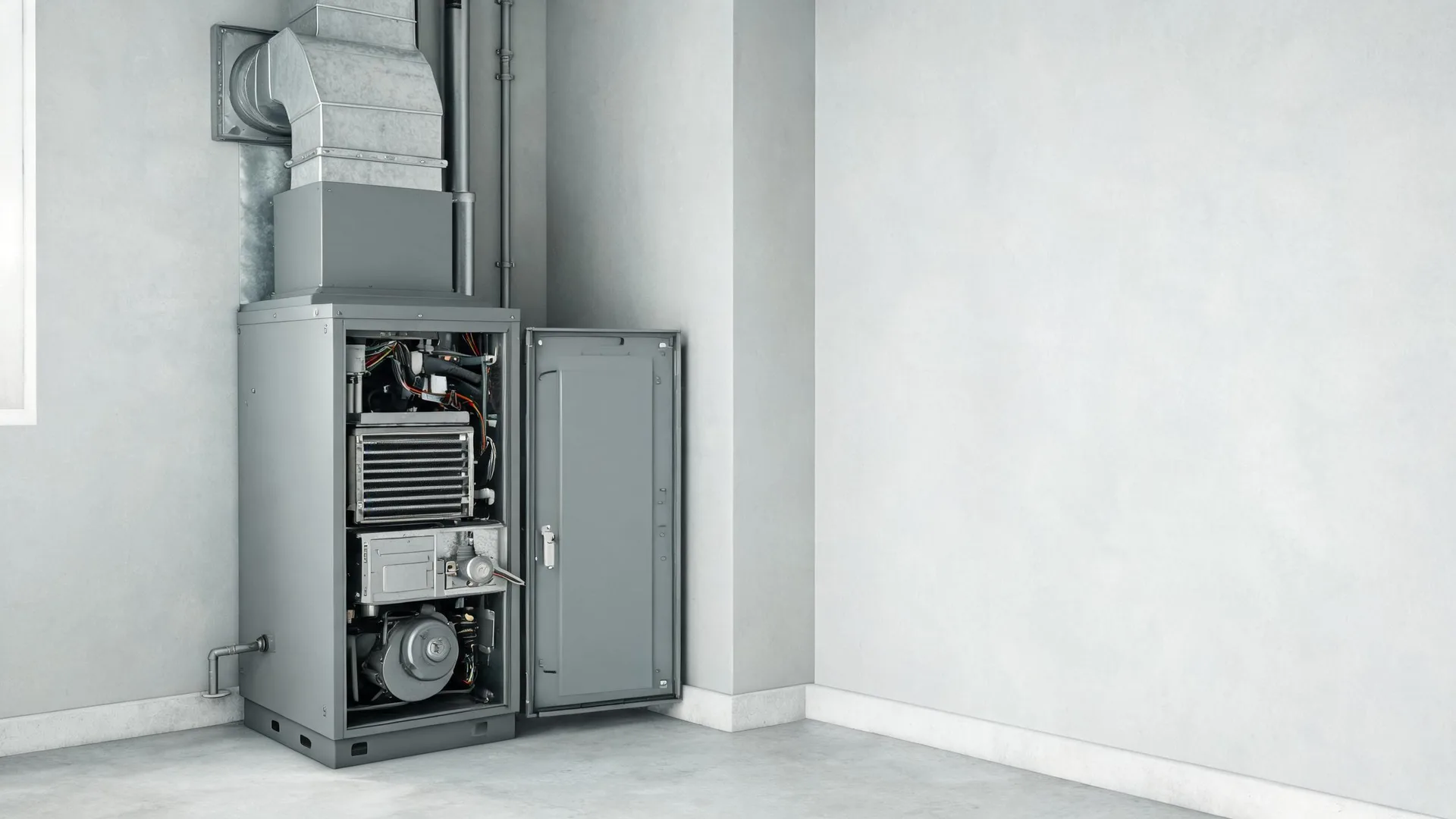
Most furnace failures trace back to one part doing the same job over and over until it gives out. The igniter glows hot every time the furnace starts, cycle after cycle, and that repeated heating and cooling is what eventually cracks it. The flame sensor sits in the burner flame each run and slowly collects a film that keeps it from sensing properly. Blower motor bearings wear from the hours of spinning. None of this is damage from one bad night. It is wear that adds up over a long run of ordinary use, which is why trouble tends to show up after the furnace has been running steadily for a while, not on the first day it starts up.

What you'll notice first

A furnace in trouble usually tells you before it quits outright. Short cycling, where it fires up and shuts off again within minutes, points to a flame sensor or a clogged filter choking airflow. A burner that won't light, or takes several tries to catch, means a weak igniter or a gas valve not opening right. Cold air coming out of the vents, or air that never gets properly warm, often traces back to a blower problem or a thermostat miscommunicating with the system. Rattling, grinding or a burning smell that doesn't fade are reasons to shut the furnace off and call someone rather than wait.
What to do about it

A furnace that won't start at all, or one that's putting out a burning smell or tripping its own safety switch, needs a tech out soon since it may not be safe to keep running. Short cycling or air that never gets properly warm can usually wait without putting anyone at risk, but a furnace running that way won't correct itself, and it tends to get worse the longer it's left alone. A part already struggling is more likely to wear out the parts around it the longer it keeps going.

An unfinished concrete basement containing a metal HVAC air handler, exposed wooden ceiling joists with sheet-metal ducts, a hanging bare bulb, copper pipes, and stacked cardboard boxes.

A new furnace would cut about $120 a year off heating for a typical Philadelphia County home.

  • A new high-efficiency furnace$510 a year
  • An older furnace$630 a year

Estimates for a typical Philadelphia County home, compared with an older unit built to the previous federal minimum, from EIA household energy data, Pennsylvania fuel prices and NOAA climate normals. Your home will differ.

Repair makes sense when one part has failed and the heat exchanger is sound.

Replacement makes sense when the heat exchanger is cracked or the furnace keeps needing parts.

Most of the time the question isn't really age, it's which part failed and what else is close behind it. A cracked heat exchanger ends the conversation, since that's not a part worth repairing, it's a furnace worth replacing. A failed igniter or flame sensor is a different story. Those fail on their own schedule and swapping one doesn't say anything bad about the rest of the furnace. The harder case is a blower motor or a control board going out on a furnace that's already older. That repair might hold fine for years, or it might be the first of several calls as the rest of the furnace catches up to that same part. A contractor who's opened it up can tell you which situation you're actually in.