


A row of similar small gray single-story houses with gabled roofs and porches behind a white picket fence, with mown grass in the foreground and large deciduous trees behind.

Furnace Repair in Norristown, PA

Tell us about the job

Takes about a minute. No obligation.

Step 1 of 3: Equipment

A furnace that's struggling rarely fails clean. A cracked heat exchanger gets worse every cycle it runs, because the metal keeps flexing against the same weak spot until it opens up further. A clogged flue or blocked vent means exhaust has somewhere to go besides outside, and that risk doesn't improve on its own. Even something as simple as a dirty flame sensor can lead to repeated ignition lockouts, and each failed attempt puts more strain on the igniter behind it. The safe move with a furnace acting up is to shut it down and get it looked at, not to wait and see if it sorts itself out.

7 months
October through April, your furnace is on duty
25°F
the average winter night it heats against
52%
of homes here heat with gas, so most furnaces here burn gas
35 winter storms
in ten years, the nights a failure hurts most
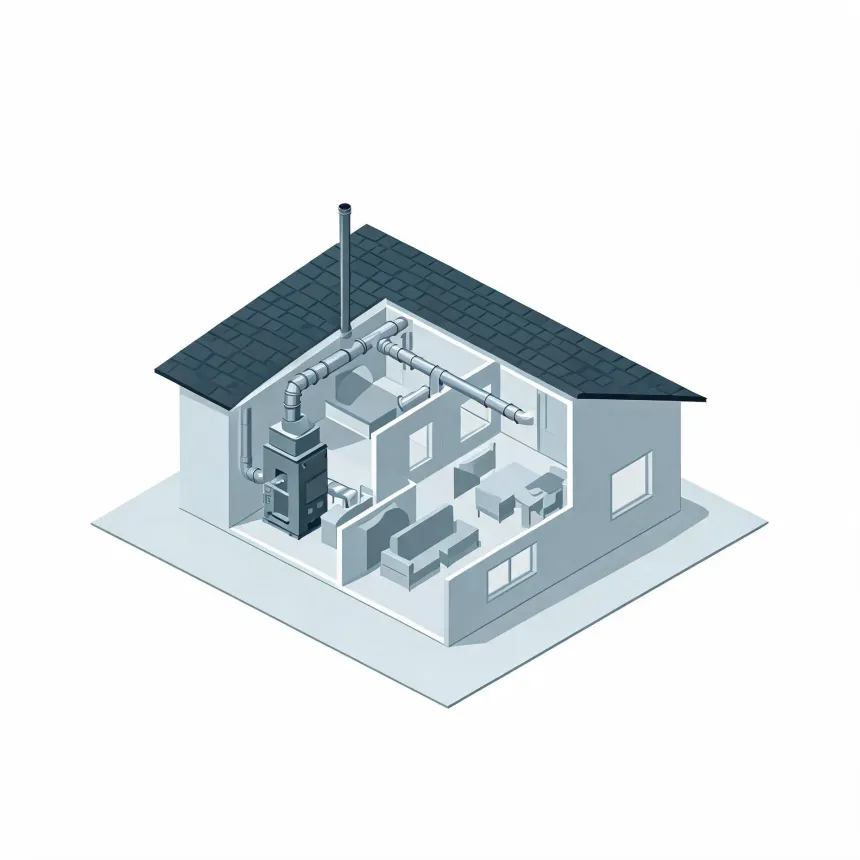
Isometric cutaway illustration of a single-story house with a dark shingled roof, showing a furnace with a flue pipe and branching ductwork running through interior rooms furnished with a sofa, table and chairs.
Your furnace works hardest from November through March.

NOAA nClimDiv, 1991–2020 normals

A diagnostic visit starts with the tech watching your furnace run through a full cycle, not just looking at it sitting there.

A flame that sputters or a pressure switch that drops out once things heat up only shows itself once the burner has been running a while.

October is when a weak furnace gets found out

Heat runs October through April
Winter nights average 25°F
35 winter storms from 2015 to 2024

Half the homes in Montgomery County were built in 1971 or earlier. If your furnace came with a house that old, it may be near the end of what it can give you. A furnace that old can still run fine, but when something goes wrong, the question changes. A dirty flame sensor is a simple fix either way. A cracked heat exchanger or a control board on its way out is a different call on an old unit than on a new one. Before paying for a big repair, it is worth asking how much life the furnace has left in it.

Get it looked at early

Problems tend to show up in the first weeks of the season, when the load hits a part that was already weak.

Find a contractor
A man in a cap, dark shirt and tan work pants, seen from behind, carries a canvas tool bag up steps toward a blue front door beside a potted shrub.
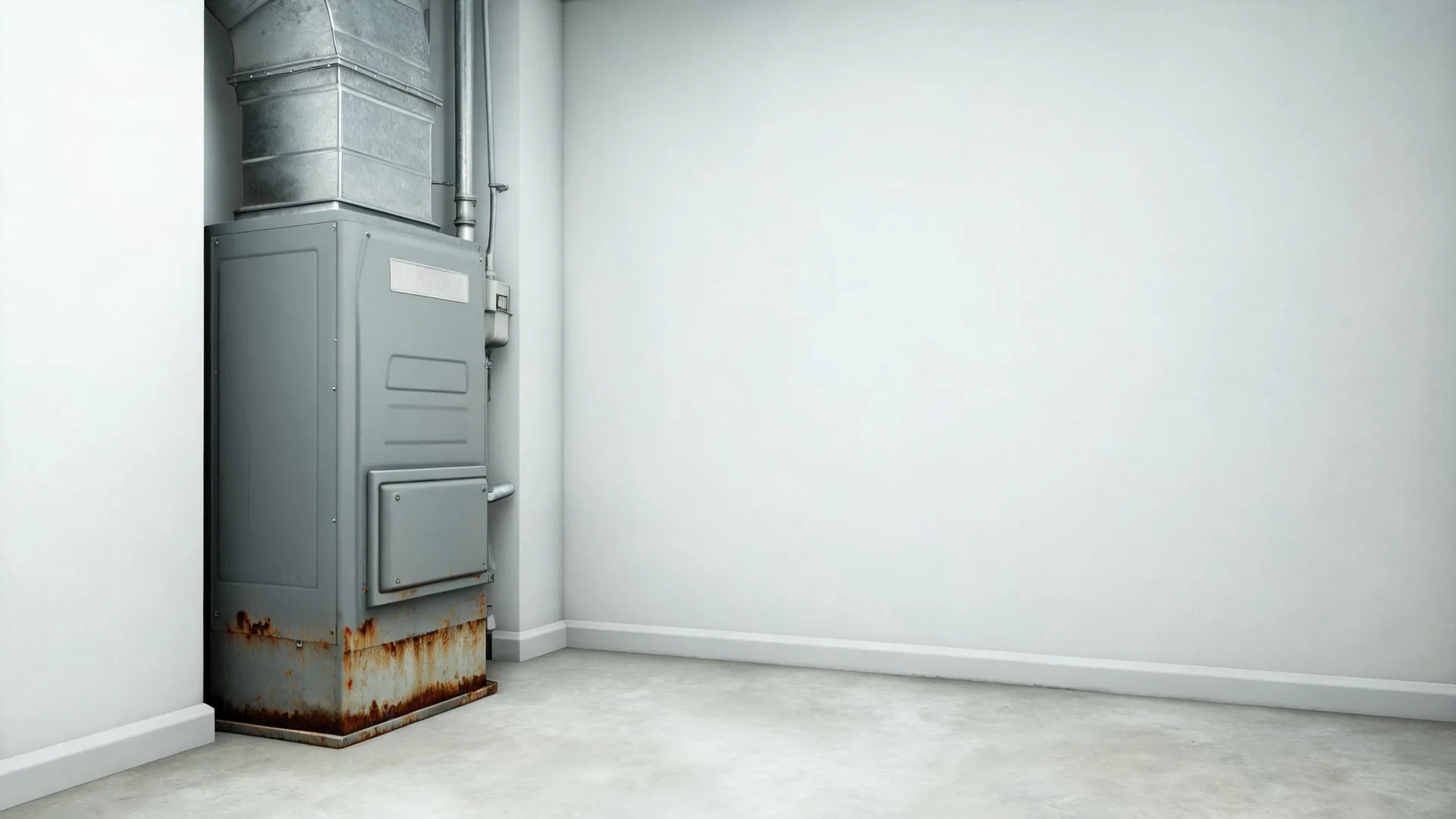
A gas furnace with attached ductwork, gas piping, and condensate lines installed in a concrete-block basement.

What a tech checks before you spend money

A furnace built with a house from that era has had decades of winters to wear down the parts a repair would need to count on. The tech can tell you what shape the heat exchanger and control board are in before you decide whether this repair is worth paying for.

Check the simple things first

Make sure the thermostat is set to heat and the temperature is actually above room temperature. Check that the furnace switch, the one that looks like a light switch near the unit, hasn't been bumped off. Look at the filter and swap it if it's gray or clogged, since airflow trouble can shut a furnace down on its own. Check the breaker it runs on. None of this takes tools or know-how, and it rules out the causes that have nothing to do with the furnace itself.
Know what to leave alone

If the furnace is making a banging or screeching noise, shutting off mid-cycle, or you smell anything like rotten eggs, turn it off at the switch and stop there. Don't reset it repeatedly hoping it catches, since a furnace that locks out on ignition is usually telling you something upstream isn't right, and forcing more attempts just adds wear. That's a call for a tech, not a second try.

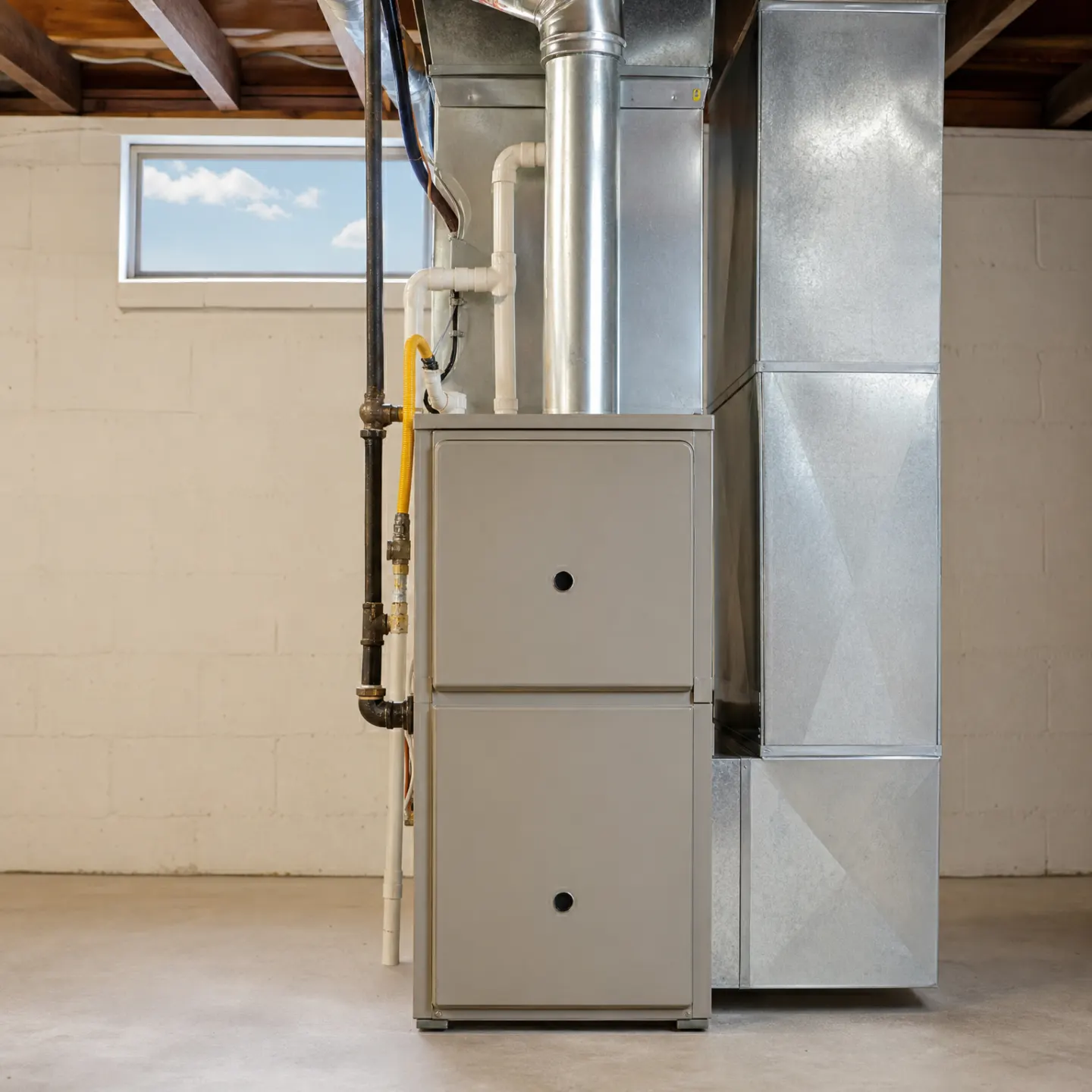
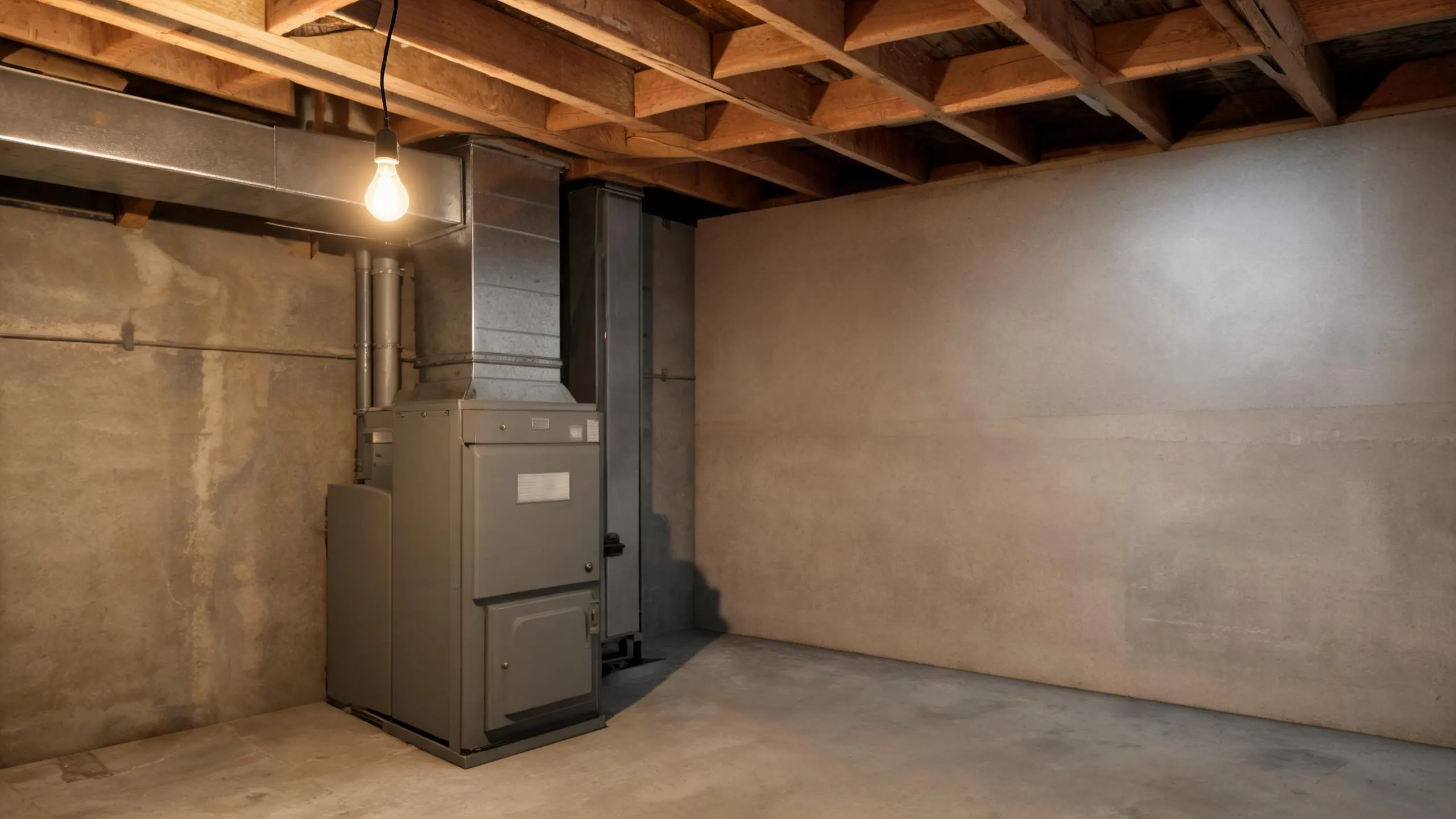
A gray forced-air furnace with sheet-metal ductwork stands in an unfinished basement with exposed wooden joists, concrete walls, and a hanging incandescent bulb.

A new furnace would cut about $130 a year off heating for a typical Montgomery County home.

  • A new high-efficiency furnace$550 a year
  • An older furnace$680 a year

Estimates for a typical Montgomery County home, compared with an older unit built to the previous federal minimum, from EIA household energy data, Pennsylvania fuel prices and NOAA climate normals. Your home will differ.

Repair makes sense when one part has failed and the heat exchanger is sound.

Replacement makes sense when the heat exchanger is cracked or the furnace keeps needing parts.

A repair is worth doing when it fixes one part and leaves the rest of the furnace sound. A new igniter, a new flame sensor, a new pressure switch, each of those stands on its own and doesn't say anything bad about the furnace around it. The harder call is the heat exchanger or the control board, because those sit at the center of everything else the furnace does. Once one of those goes, a tech has to ask whether the blower motor and other original parts are likely to start failing the same way soon after. A furnace that keeps coming back for different repairs is usually telling you the parts are wearing out together, not one at a time. That pattern matters more than any single repair.