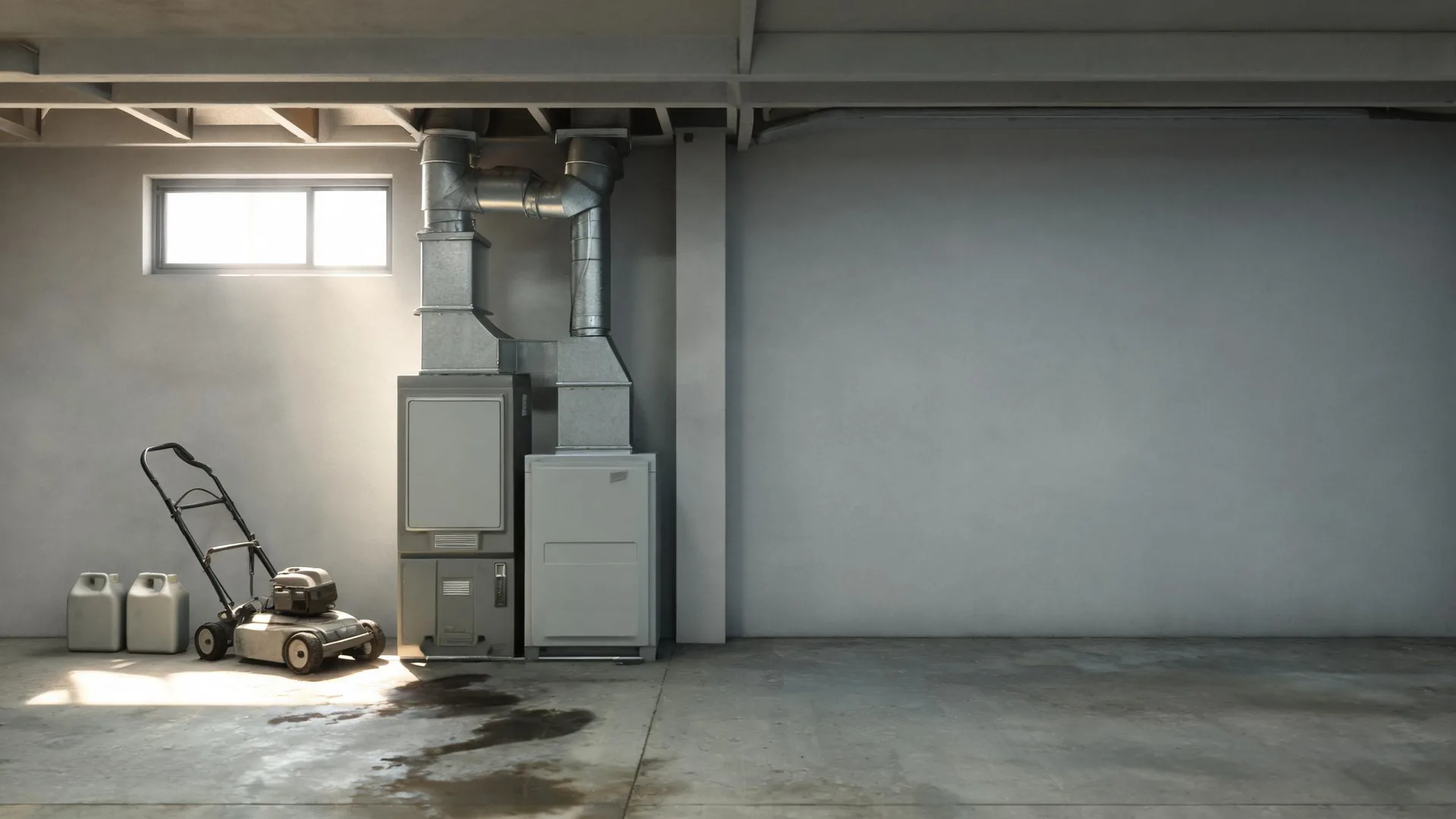
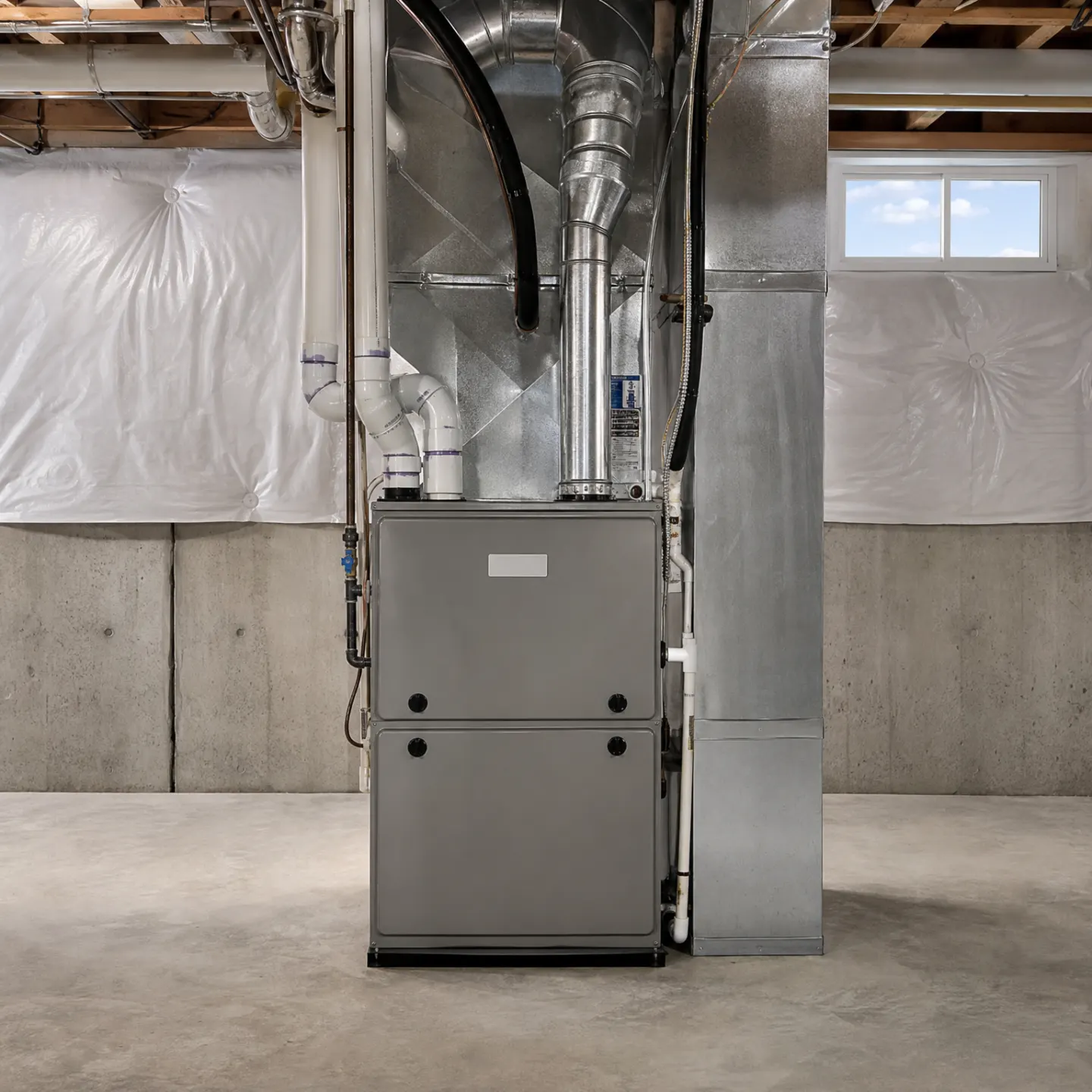
Your furnace earns its keep here
Furnaces in Chester run from October through April. Overnight lows average 27°F in December, January and February. That's a long stretch of real work for a system that's on every night.
Takes about a minute. No obligation.
Furnaces in Chester run from October through April. Overnight lows average 27°F in December, January and February. That's a long stretch of real work for a system that's on every night.
A furnace running seven months a year will eventually show it in the same few places. An igniter, a flame sensor, a blower motor losing strength. Nothing about Chester points to a different cause. Find the one that's actually failing and fix that.
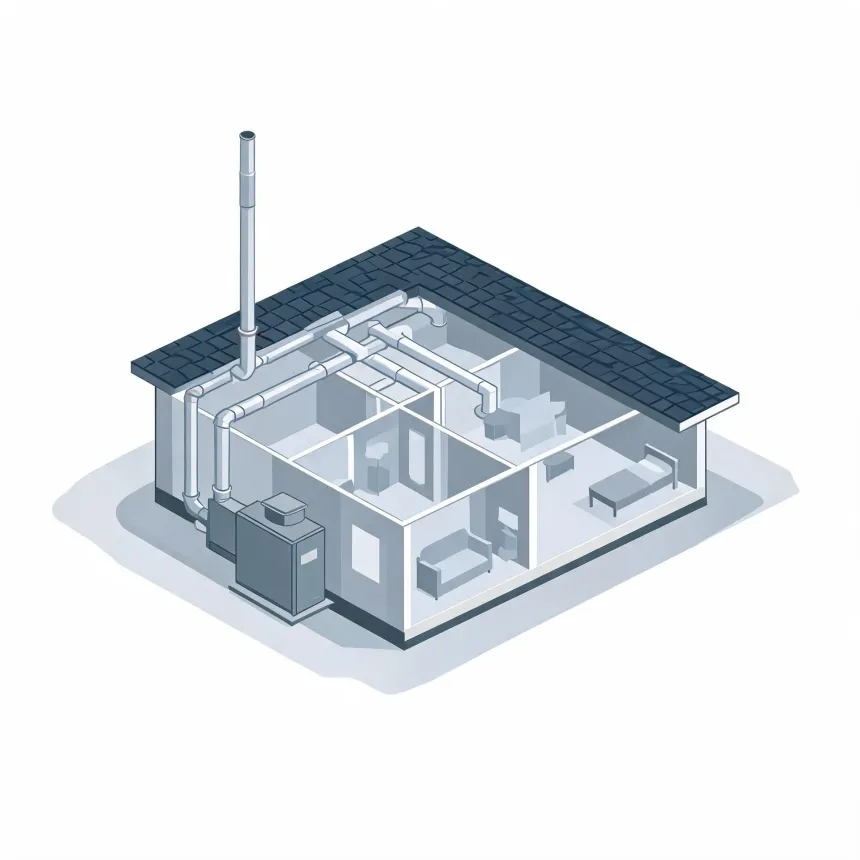
NOAA nClimDiv, 1991–2020 normals
Furnaces in Chester start their season in October.
September is the month to get a weak igniter or blower looked at, before the first cold night finds it.



Nothing about this area is especially hard on it. It's most likely the usual problem with the usual fix.
Find a contractorA furnace that cycles on and off every few minutes is short cycling, and it usually means a dirty flame sensor or a clogged filter choking the airflow. A furnace that runs but blows cool air has a different cause, often a failing igniter that won't stay lit long enough to heat the air passing over the heat exchanger. Listen for a boom at startup. That's delayed ignition, gas building up before it catches, and it's hard on the heat exchanger over time. A blower that runs constantly, even when no heat is called for, points to a stuck relay or a thermostat problem rather than the furnace itself. Any of these is worth a call before it turns into a furnace that won't start at all.
An igniter has a short life by design, and it's usually the first thing to go. It glows hot every time the furnace starts, and that cycle of heating and cooling eventually cracks it. A furnace that won't fire, or fires and quits, usually has a dead igniter behind it.
A clogged filter or blocked vent makes the furnace work against itself. The heat exchanger overheats, the limit switch trips to protect it, and the furnace shuts down mid-cycle. Keeping air moving freely through the system is what keeps the other parts from failing early.
Estimates for a typical Delaware County home, compared with an older unit built to the previous federal minimum, from EIA household energy data, Pennsylvania fuel prices and NOAA climate normals. Your home will differ.
Repair makes sense when one part has failed and the heat exchanger is sound.
Replacement makes sense when the heat exchanger is cracked or the furnace keeps needing parts.
A diagnostic visit starts with questions, not tools. The tech wants to know when the trouble started and what it looks like, a smell, a sound, cool air instead of warm. Then the furnace gets run through a full cycle while someone watches it. The igniter glow, the flame pattern, the blower kicking on when it should. A delayed boom or a short cycle tells its own story before any panel comes off. Once the cover is open, the flame sensor, the wiring and the pressure switch all get checked by hand. Airflow gets checked too. A weak furnace is sometimes just a strong furnace fighting a dirty filter or a blocked vent. The visit ends with a straight answer about what failed and why.