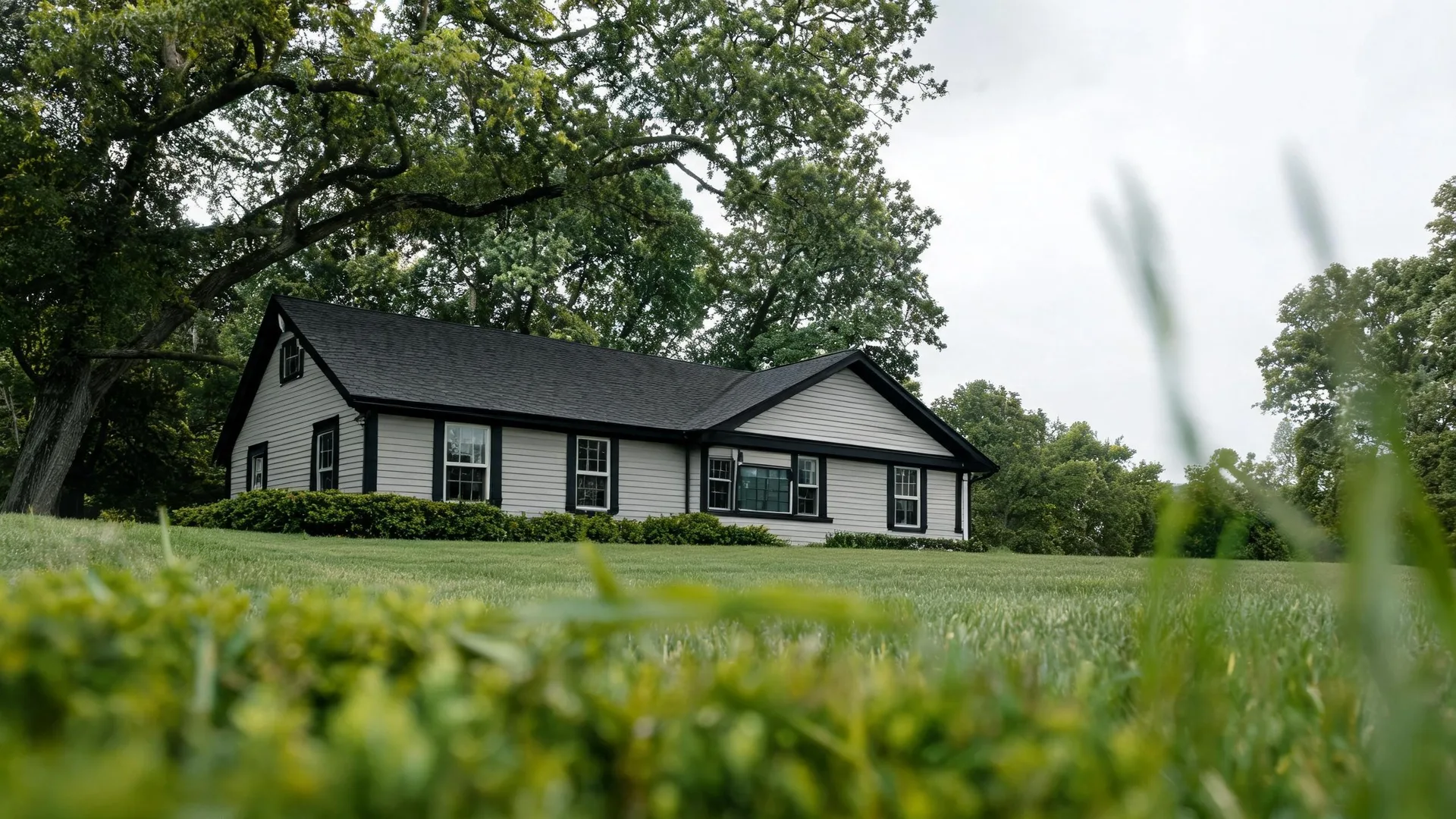




A single-story white house with black roof shingles and black window trim stands on a mown lawn, framed by large deciduous trees and blurred grass in the foreground under an overcast sky.

Boiler Installation in Chester, PA

Tell us about the job

Takes about a minute. No obligation.

Step 1 of 3: Equipment

Gas heats 60.1% of homes in Delaware County, more than every other fuel combined. A gas boiler fits that pattern, and it's why most replacement jobs in Chester are a straight swap of one gas boiler for another. Oil heats 13.2% of homes here, and those jobs run differently since the boiler needs a fuel line to a tank instead of a gas connection. Electric heat covers 22.9%, which usually means a different kind of system entirely. Worth checking which fuel your current boiler runs on before you assume the new one will match it.

Boilers here start running in October and work through April.

Get the new one in before September ends and it's running on your timeline, not a breakdown's.

Half the homes in Chester are at least this old, and the boiler has to go into the house that's actually there

Half the homes here were built by 1957
Heat runs October through April
Winter nights average 27°F
Built for seven months of heatBoilers here run October through April, with overnight lows averaging 27°F in January. A standard size handles it.

Gas here runs $13.12 per million Btu, on the cheaper side for the region. That changes how you should weigh the sticker price against the efficiency rating. A high-efficiency condensing boiler costs more up front, and with gas this cheap it takes longer to earn that difference back in lower bills. That doesn't make it the wrong choice. It means the decision should rest more on what fits your house and what holds up over the years you'll own it, and less on squeezing out the last few points of AFUE.

The new boiler has to meet this zone's efficiency minimum. See what qualifies.

Chester sits in climate zone 4A, which asks real work of a heating system. Any gas boiler installed here now has to hit at least 84 percent AFUE. That standard also lines up with a federal tax credit for qualifying high-efficiency boilers, worth checking against whatever model you're considering.

Find a contractor

The boiler itself is one line item

What the boiler costs from the manufacturer is only part of the bid. Venting, piping, the expansion tank, the circulator pump, and controls all add to it. A condensing model also needs a condensate line run to a drain, which some houses don't already have in the right spot.
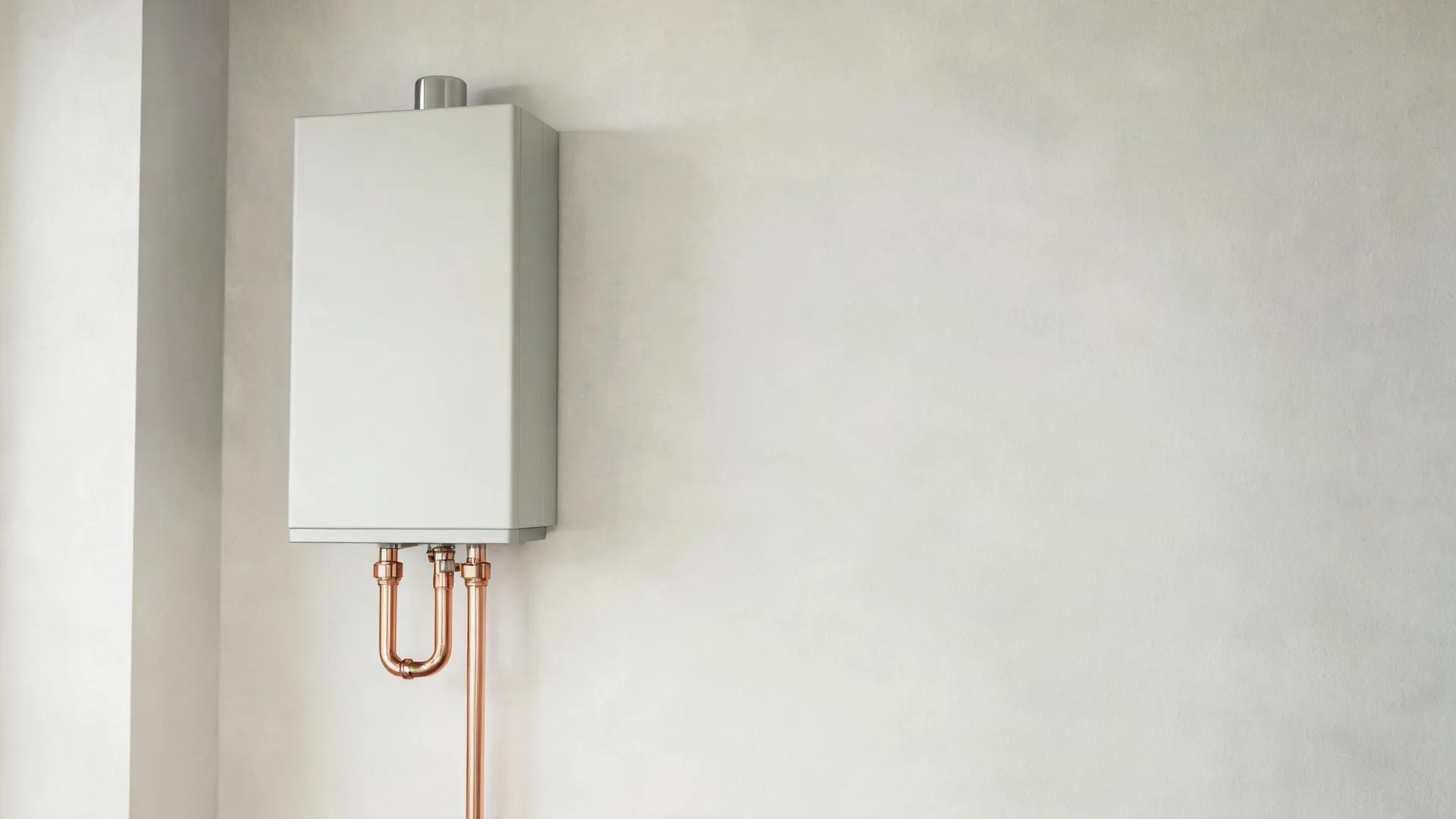
The hookup to your house sets the rest

A straight swap, same spot, same venting, same pipe sizes, is the cheapest kind of job because the contractor isn't rerouting anything. Moving the boiler to a new location, upsizing the gas line, or replacing venting that won't work with the new unit all add labor before the new boiler even gets fired up.

Ask each contractor to show you a heat loss calculation, not a guess based on the old boiler's size. The right output size comes from your walls, windows and square footage, not from matching what's already there, especially if someone oversized the last one to be safe. Ask what happens to the near boiler piping, since an older system may need a primary-secondary loop or buffer tank to work with a smaller, more efficient unit. Ask about the venting material specifically, since a condensing boiler vents at a lower temperature and needs PVC or polypropylene, not the metal chimney the old one used. And ask who pulls the permit and schedules the inspection, because that step confirms the work meets code rather than just matching what was there before.

Installation day starts with the old boiler coming out. That's often the slowest part if the piping has corroded onto the fittings over the years. Once it's out, the contractor runs new venting if the system calls for it, sets the new boiler, and connects the gas line, water piping, and electrical. A condensing unit also needs a condensate line pitched correctly to a drain, which takes extra time if there's not one already nearby. After everything's connected, the system gets filled, purged of air, and fired up. The contractor checks the flue for proper draft and tests the controls and safety switches before calling it done. Commissioning comes last. That's setting the water temperature, checking gas pressure, and confirming the boiler is actually hitting the efficiency it's rated for, not just running. A permit inspection should follow, since that confirms the work meets code rather than just looking finished.